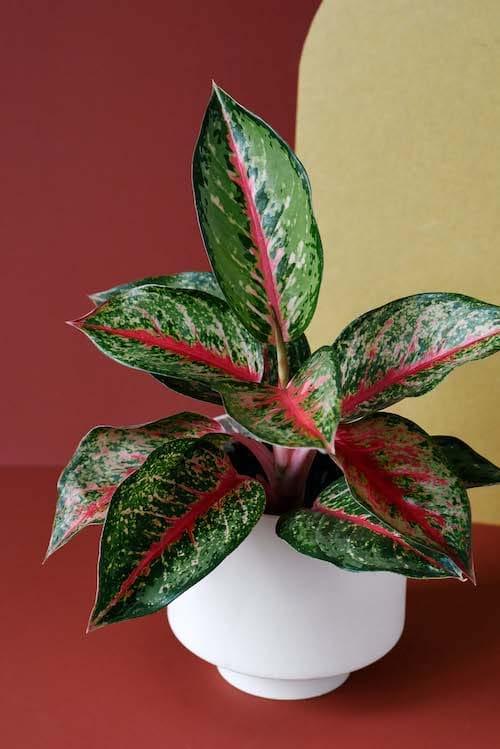


A Collector's Guide to Labisia Care
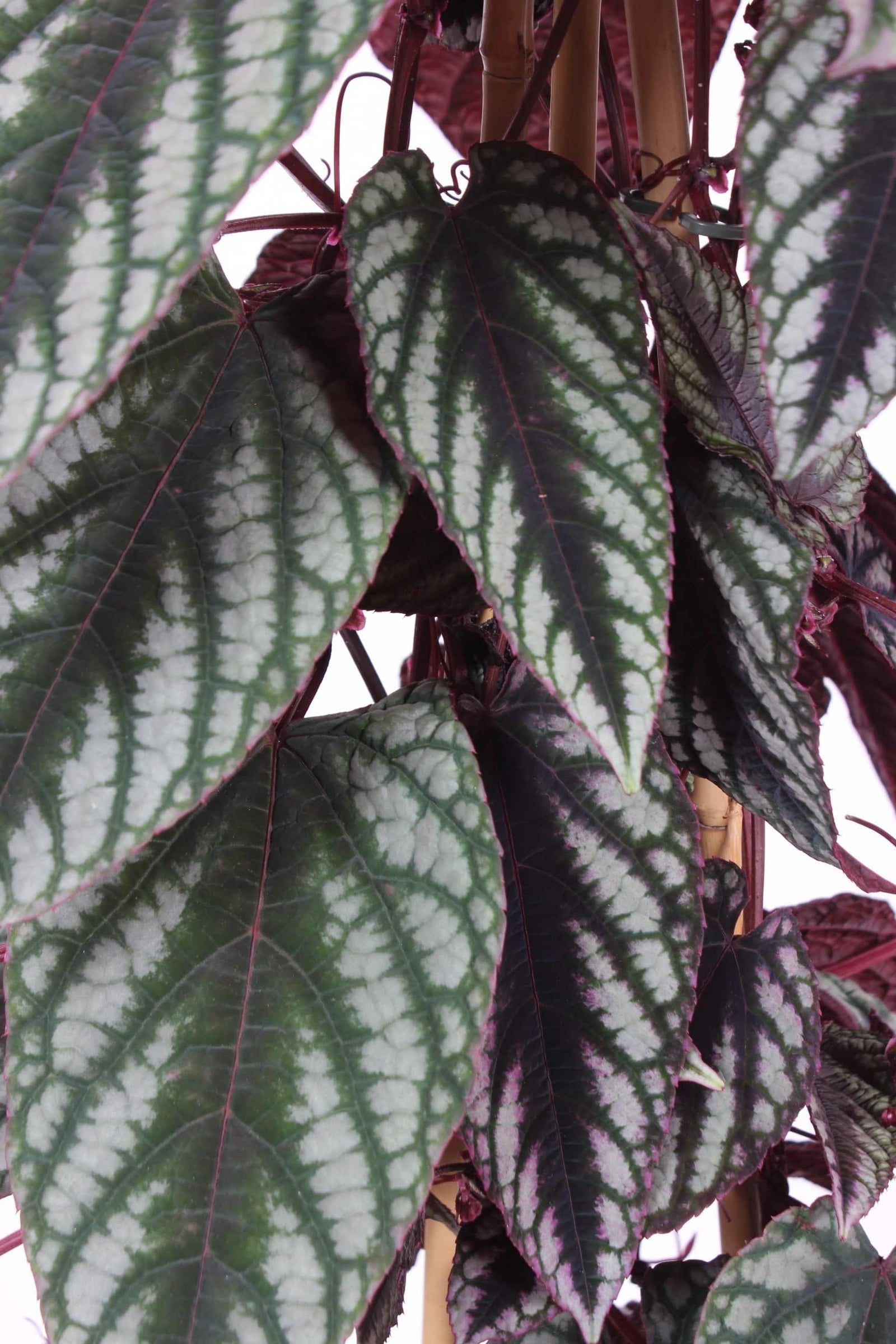
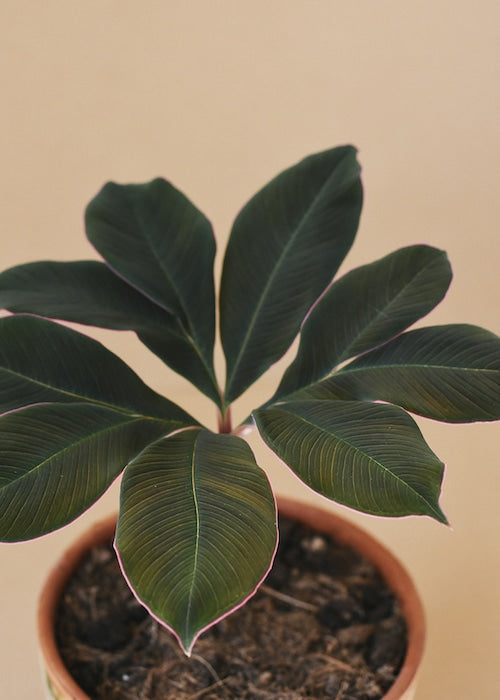
Often sought for its stunning, iridescent foliage, the Labisia is a true jewel of the understory plant world. For the advanced collector in Europe, mastering its care is a rewarding challenge that brings a unique piece of the tropical forest floor into your home. This guide moves beyond basic tips to provide the specific advice you need to help your Labisia not just survive, but truly flourish, focusing on substrate, humidity, and light requirements tailored for indoor growing conditions.
Quick Labisia Care Guide
- Light: Prefers low to medium, bright indirect light. An east-facing window or a spot several feet from a south or west-facing window is ideal. Avoid direct sun, which will scorch its leaves.
- Watering: Keep the substrate consistently moist but never waterlogged. Water thoroughly when the top 2-3 cm of the substrate feels dry to the touch. Ensure excellent drainage.
- Substrate: A chunky, well-aerated aroid mix is crucial. Combine high-quality sphagnum moss, perlite, and fine orchid bark to retain moisture while preventing root rot.
- Humidity: High humidity is essential, ideally 60-80%. A humidifier, pebble tray, or grouping with other plants is highly recommended, especially during dry winter months with central heating.
- Pet Safety: Best to keep away from pets. Its toxicity is not well-established, so caution is advised.
In This Guide
Light: Finding the Perfect Glow
In their native habitat, Labisia grow on the forest floor, receiving dappled light filtered through the canopy. You must replicate these low-light conditions in your home. Too much direct sunlight will quickly fade the plant's deep colors and can even scorch the delicate leaves. An ideal spot is near an east-facing window that gets gentle morning sun, or in a north-facing window. If you only have brighter south or west-facing windows, place the plant several feet back or use a sheer curtain to diffuse the light.
Watering and Substrate: The Foundation of Health
Proper watering for a Labisia begins with the right substrate. These plants despise 'wet feet' and are susceptible to root rot. A standard potting mix is too dense and will hold too much water. Instead, create a custom blend using sphagnum moss for moisture retention, perlite for aeration, and fine orchid bark for structure. This mix allows oxygen to reach the roots while staying lightly and evenly moist.
Watering Technique
Water your Labisia when the top 2-3 cm of the substrate is dry. Water thoroughly until it flows freely from the drainage holes, then discard any excess water from the saucer. In winter, when growth slows, you'll need to reduce your watering frequency. The key is consistency—avoid letting the plant dry out completely, but also ensure it is never sitting in a pool of water.
Explore Our Collector's Corner
Finding the right plant is the first step in a beautiful journey. Our collection of rare and unique plants is curated for discerning collectors who appreciate botanical diversity.
Shop Rare & Collector PlantsHumidity and Temperature: Creating a Micro-Climate
Labisia are true tropicals and demand high humidity to thrive. Aim for a range between 60% and 80%. While a terrarium is an excellent option, it's not the only one. Using a humidifier is the most effective way to maintain consistent humidity. Alternatively, you can place your Labisia on a pebble tray or group it with other plants to create a more humid micro-environment. Keep it away from drafts and radiators, which can dry out the air rapidly.
Common Issues & Solutions
- Crispy Leaf Edges: This is a classic sign of low humidity. Increase ambient moisture using the methods described above.
- Fading Leaf Color: The plant is likely receiving too much direct light. Move it to a shadier location to restore its deep, rich patterning.
- Yellowing Lower Leaves: This often points to overwatering. Check the roots for any signs of rot and allow the substrate to dry out more between waterings.
Frequently Asked Questions
How do I provide enough humidity for Labisia without a terrarium?
Group your Labisia with other tropical plants to create a humid micro-climate. You can also place it on a pebble tray filled with water (ensure the pot isn't sitting in the water) or run a small humidifier nearby. Bathrooms with good indirect light are also excellent locations due to the naturally higher humidity.
Is Labisia a fast-growing plant?
No, Labisia is a relatively slow grower. Its energy is focused on producing its intricate, patterned foliage rather than rapid vertical growth. This makes it a manageable and long-lasting specimen for a specific space. Be patient, as new leaf development is a rewarding sign of proper care.
What are common signs of stress in a Labisia plant?
The most common stress signals are crispy, brown leaf edges, which indicates low humidity or underwatering. Yellowing lower leaves can signal overwatering or natural aging. If the vibrant leaf color fades, it may be receiving too much direct light. Consistently check the substrate moisture and ambient humidity.
Are Labisia plants safe for pets?
Labisia's pet safety is not well-documented, so it is best to be cautious. We strongly recommend placing it out of reach of curious cats, dogs, or other pets to prevent any accidental ingestion. When in doubt, always prioritize the safety of your animal companions and choose plants confirmed to be non-toxic.
With its striking appearance, the Labisia is a plant that truly rewards attentive care. By focusing on creating a stable, humid environment with the right light and substrate, you can enjoy its unique beauty for years to come. Explore our other care guides to build your plant knowledge.