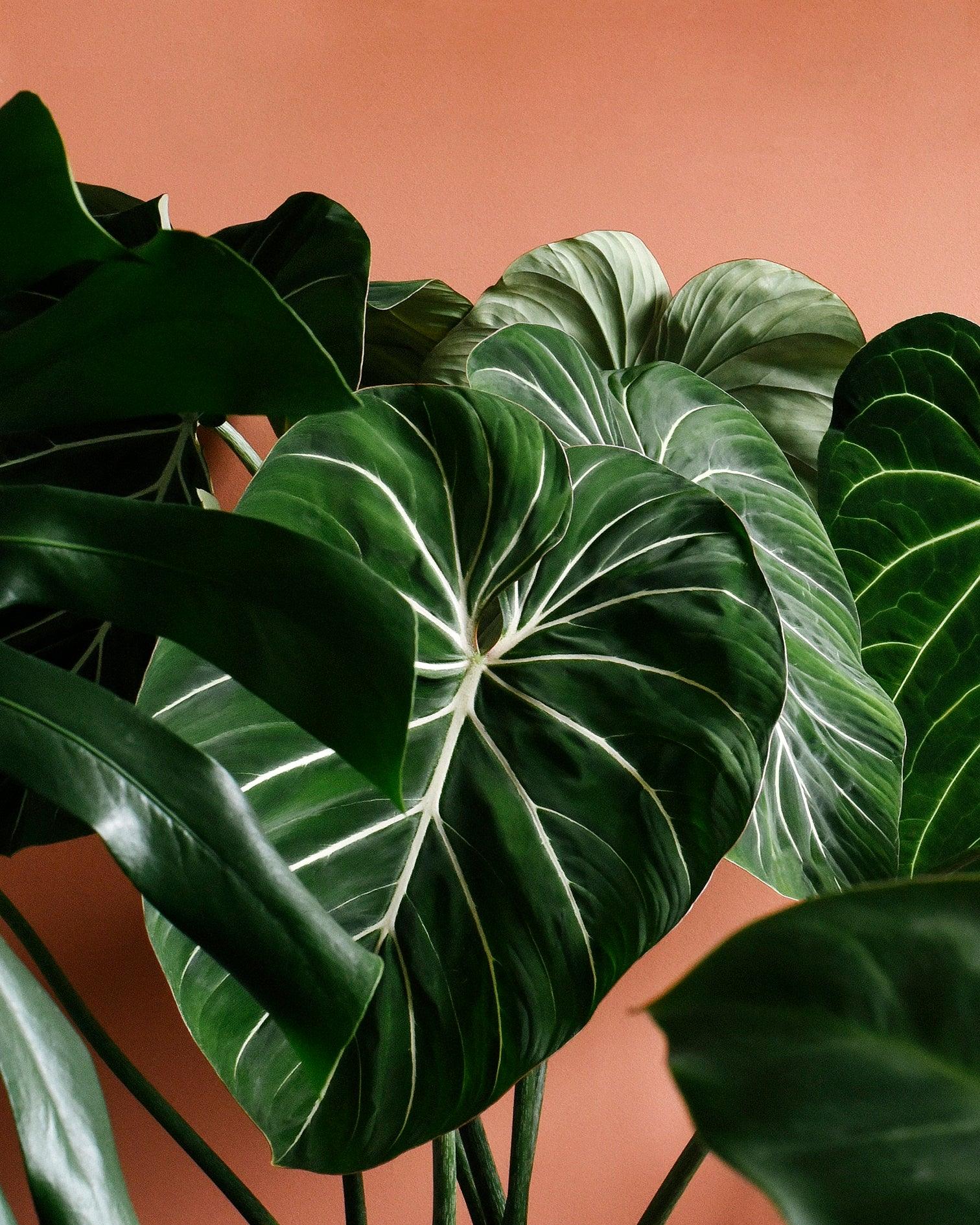



Welcome to the wonderful, slightly obsessive world of Hoyas. If you've never heard of them, prepare to fall down a rabbit hole. If you already own one, you probably own five (or fifteen), and you're about to understand why Hoya collectors are a special breed of plant parent.
Hoyas – also called wax plants or porcelain flowers – are trailing or vining plants known for their thick, waxy leaves and absolutely stunning clusters of star-shaped flowers. They're relatively easy to care for, pet-safe, and come in hundreds of varieties with wildly different leaf shapes, sizes, and patterns. Once you start collecting, it's hard to stop.

What Are Hoyas?
Hoyas are a genus of tropical plants in the Apocynaceae family, native to Asia, Australia, and the Pacific Islands. There are over 500 recognized species, plus countless hybrids and cultivars. They're epiphytes in nature, meaning they grow on trees (not parasitically – they just use trees for support while getting nutrients from air and rain).
The genus was named after Thomas Hoy, an 18th-century gardener for the Duke of Northumberland. But honestly, the common names are way more fun: wax plant (for the waxy leaves), porcelain flower (for the delicate blooms), and honey plant (because the flowers produce sweet-smelling nectar).
Why Are Hoyas So Popular?
Hoyas have exploded in popularity over the last few years, and for good reason:
- Low maintenance: They tolerate neglect better than most houseplants
- Pet-safe: Non-toxic to cats and dogs (a huge selling point)
- Stunning flowers: When they bloom, it's absolutely magical
- Variety: Hundreds of species means endless collecting possibilities
- Longevity: Hoyas can live for decades with proper care
- Propagation-friendly: Easy to propagate and share with friends
- Compact growth: Many varieties stay relatively small, perfect for apartments
Plus, there's something deeply satisfying about watching a Hoya slowly grow, produce a peduncle (flower stalk), and then burst into bloom with clusters of perfect little stars.
How Much Light Do Hoyas Need?
Hoyas are pretty flexible with light, but they do have preferences:
Ideal light: Bright, indirect light. Think of a spot near an east or west-facing window where the plant gets several hours of gentle morning or evening sun.
Can tolerate: Medium indirect light. They'll survive but grow more slowly and are less likely to bloom.
Will bloom in: Bright light with some direct sun. Many Hoyas need a few hours of direct morning sun to trigger flowering.
Too much light: Harsh afternoon sun can scorch leaves, especially variegated varieties. You'll see bleached, yellowing, or crispy leaves.
Too little light: Leggy growth, small leaves, no flowers, and increased risk of overwatering issues.
Pro tip: If you want your Hoya to bloom, give it the brightest light you can without burning it. Flowering requires energy, and energy comes from light.
How Often Should You Water Hoyas?
This is where Hoyas are forgiving: they're semi-succulents with thick, fleshy leaves that store water. They'd rather be underwatered than overwatered.
Watering Schedule
Water when the soil is completely dry and the leaves start to feel slightly soft or wrinkled. For most people, this means:
- Every 7-14 days in summer
- Every 14-21 days in winter
Use your finger or a soil moisture checker to test the soil. If it feels even slightly damp, wait.
How to Water
Water thoroughly until water runs out the drainage holes, then let the pot drain completely. Never let Hoyas sit in standing water – this is the fastest way to kill them.
Signs of underwatering: Wrinkled, soft leaves; leaves dropping off; slow growth
Signs of overwatering: Yellow, mushy leaves; root rot; leaves falling off while still plump
Water quality: Hoyas aren't as picky as Calatheas, but they prefer room-temperature water. Tap water is usually fine unless it's extremely hard.
What Humidity Do Hoyas Need?
Here's more good news: Hoyas tolerate average household humidity (40-60%) just fine. They're not humidity divas like ferns or Calatheas.
That said, higher humidity (60-80%) encourages faster growth and more reliable blooming. If you have a humidifier running for other plants, your Hoyas will appreciate it, but they won't die without it.
Humidity tips:
- Group plants together to create a humid microclimate
- Place on a pebble tray (pot on pebbles, water below pot level)
- Avoid placing near heating vents or in very dry rooms
- Misting is optional and mostly aesthetic – it doesn't significantly increase humidity
What Soil Do Hoyas Need?

Hoyas need extremely well-draining soil. Remember, they're epiphytes – in nature, their roots are exposed to air and dry out quickly between rains. Soggy soil = dead Hoya.
Ideal Hoya soil mix:
- 40% quality potting soil
- 30% orchid bark (for drainage and aeration)
- 20% perlite or lava rocks
- 10% coco coir or peat moss (for slight moisture retention)
Or use our Hoya Potting Mix, which is specifically formulated for epiphytic plants and provides the perfect balance of drainage and moisture retention.
The mix should be chunky, airy, and fast-draining. When you water, it should flow through quickly, not sit on top or pool.
Do Hoyas Need Fertilizer?
Hoyas are light feeders, but fertilizing encourages growth and blooming.
Fertilizing schedule:
- Spring/Summer (growing season): Every 2-4 weeks with diluted liquid fertilizer
- Fall/Winter (dormant period): Once a month or not at all
What to use: A balanced fertilizer (like 10-10-10) or one slightly higher in phosphorus to encourage blooming (like 5-10-5). Always dilute to half strength – Hoyas are sensitive to fertilizer burn.
Pro tip: Some Hoya collectors swear by using a high-phosphorus "bloom booster" fertilizer in spring to trigger flowering. It's not necessary, but it can help.
How Do You Get Hoyas to Bloom?

Ah, the million-dollar question. Hoya flowers are stunning – clusters of waxy, star-shaped blooms that often smell incredible (like chocolate, vanilla, or citrus, depending on the species). But getting them to bloom requires patience and the right conditions.
Requirements for Blooming
1. Maturity: Hoyas need to be mature before they bloom. Some species bloom within a year, others take 3-5 years. Be patient.
2. Bright light: This is the #1 factor. Hoyas need bright light (with some direct sun) to produce flowers. Low light = no blooms.
3. Stress (the good kind): Slight underwatering and being slightly rootbound can trigger blooming. A Hoya that's too comfortable won't bother flowering.
4. Don't move it: Once a Hoya develops a peduncle (the flower stalk), don't move the plant or rotate it. Movement can cause bud drop.
5. Don't cut the peduncle: After flowers fade, leave the peduncle intact. Hoyas rebloom from the same peduncle year after year.
6. Temperature fluctuation: A slight drop in nighttime temperature (5-10°C cooler than daytime) can trigger blooming in some species.
What Do Hoya Flowers Look Like?
Hoya flowers grow in umbels (clusters) of 10-50 individual star-shaped flowers. They're waxy, often fuzzy or glossy, and come in white, pink, red, yellow, or burgundy. Many produce nectar that drips from the flowers (this is normal – not a pest issue!).
The fragrance varies by species: some smell like chocolate (H. lacunosa), others like lemon (H. citrina), vanilla, or even rotting meat (H. gigantea – yes, really).
Popular Hoya Varieties (And How to Tell Them Apart)
With 500+ species, we can't cover them all, but here are the most popular and beginner-friendly varieties:
Hoya carnosa (Classic Wax Plant)
The OG Hoya. Thick, oval, dark green leaves on long vining stems. Produces clusters of pink or white star-shaped flowers. Extremely easy to care for and widely available.
Varieties:
- Hoya carnosa 'Krimson Queen': Variegated with pink and cream edges. Shop Krimson Queen →
- Hoya carnosa 'Krimson Princess': Variegated with cream centers and green edges
- Hoya carnosa 'Compacta' (Hindu Rope): Twisted, curled leaves that look like rope
- Hoya carnosa 'Tricolor': Green, cream, and pink variegation

Hoya kerrii (Sweetheart Hoya)
Heart-shaped leaves that are often sold as single-leaf cuttings around Valentine's Day. Cute but slow-growing. A full plant (not just a single leaf) will eventually vine and can bloom.
Hoya linearis
Completely different from other Hoyas – thin, fuzzy, needle-like leaves that cascade down. Looks more like a succulent than a typical Hoya. Delicate white flowers with a lemon scent.
Hoya pubicalyx
Long, narrow, speckled leaves (often called "splash" because of the silver spots). Fast-growing and blooms readily with dark pink to burgundy flowers.
Hoya obovata
Large, round, thick leaves with silver splashes. Grows more upright than vining. Pink flowers with a sweet scent.
Hoya australis
Similar to carnosa but with rounder, glossier leaves. Very easy to grow and blooms reliably. White flowers with a red center.
Hoya wayetii
Narrow, elongated leaves with red edges (especially in bright light). Fast-growing and vigorous. Produces dark red flowers.
Variegated form: Hoya Wayetii Tricolor has stunning pink, cream, and green variegation.
Hoya lacunosa
Small, diamond-shaped leaves with a cinnamon-like texture. Tiny white flowers that smell like chocolate. Perfect for small spaces.
Hoya bella (Miniature Wax Plant)
Tiny leaves on delicate stems. Grows more like a shrub than a vine. White flowers with purple centers. Great for terrariums or small pots.
How Do You Propagate Hoyas?
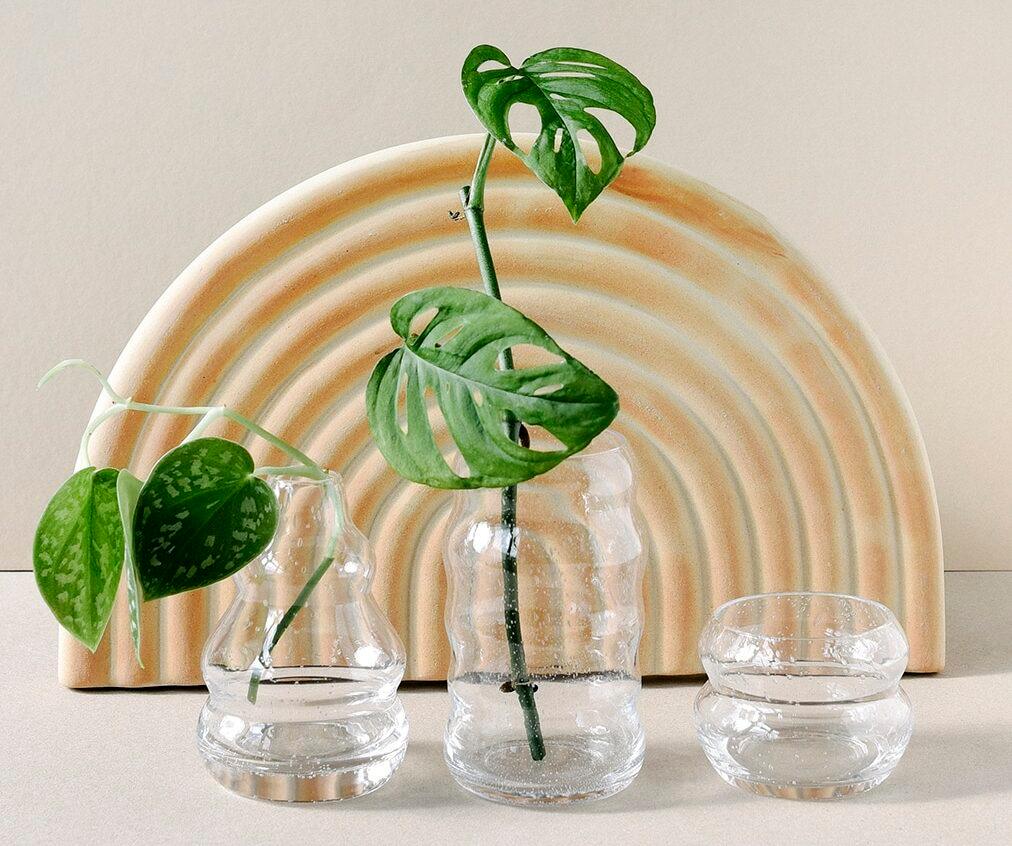
Hoyas are incredibly easy to propagate from stem cuttings. Here's how:
Step-by-Step Propagation
- Take a cutting: Cut a stem with 2-3 nodes (the bumps where leaves attach). Include at least one set of leaves.
- Remove lower leaves: Strip leaves from the bottom node so it can be submerged in water or soil.
-
Choose your method:
- Water propagation: Place cutting in water, change water weekly, wait for roots (2-6 weeks)
- Soil propagation: Dip cut end in rooting hormone (optional), plant in moist soil, keep humid
- Wait for roots: Roots should be 2-5cm long before potting (for water props) or visible growth (for soil props)
- Pot up: Plant in well-draining Hoya mix and care for as usual
Pro tip: Hoyas root faster in warm temperatures (21-27°C) and high humidity. A clear plastic bag over the cutting creates a mini greenhouse.
Common Hoya Problems (And How to Fix Them)
Yellowing Leaves
Cause: Overwatering, root rot, or natural leaf shedding (older leaves yellow and drop – this is normal)
Fix: Check roots for rot, reduce watering, ensure good drainage
Wrinkled, Soft Leaves
Cause: Underwatering
Fix: Water thoroughly and increase watering frequency slightly
No Flowers
Cause: Insufficient light, plant too young, or too much nitrogen fertilizer
Fix: Increase light, be patient, switch to bloom-boosting fertilizer
Bud Drop
Cause: Moving the plant, temperature shock, or inconsistent watering
Fix: Don't move or rotate the plant once buds form, maintain consistent conditions
Leggy Growth
Cause: Insufficient light
Fix: Move to a brighter location, prune to encourage bushier growth
Brown Leaf Tips
Cause: Low humidity, fertilizer burn, or salt buildup in soil
Fix: Increase humidity, flush soil with water, reduce fertilizer
Sticky Leaves
Cause: Either natural nectar production (normal!) or honeydew from pests like mealybugs or aphids
Fix: Inspect for pests. If clean, it's just nectar – wipe leaves with a damp cloth
Common Hoya Pests
Hoyas are relatively pest-resistant, but they can get:
- Mealybugs: White, cottony pests in leaf axils. Treat with alcohol on a cotton swab or insecticidal soap
- Aphids: Tiny green or black bugs on new growth. Spray with water or insecticidal soap
- Spider mites: Fine webbing and tiny dots on leaves. Increase humidity and spray with neem oil
- Scale: Brown, dome-shaped bumps on stems. Scrape off manually and treat with neem oil
Regular inspection and wiping leaves with your Leaf Love gloves helps prevent infestations.
Are Hoyas Pet-Safe?
Yes! Hoyas are non-toxic to cats, dogs, and humans. This makes them an excellent choice for pet owners who want beautiful, flowering plants without the worry.
That said, eating large quantities of any plant can cause mild stomach upset, and the sap can be irritating to sensitive skin. But compared to toxic plants like Philodendron or Pothos, Hoyas are very safe.
When and How to Repot Hoyas
Hoyas like being slightly rootbound – it encourages blooming. Only repot when:
- Roots are growing out of drainage holes
- The plant dries out extremely fast (within 2-3 days of watering)
- Growth has completely stopped
- It's been 2-3 years since the last repot
How to repot:
- Choose a pot only 2-5cm larger than the current one
- Use fresh, well-draining Hoya potting mix
- Gently remove the plant and loosen roots
- Place in new pot and fill with soil
- Water lightly and wait a week before resuming normal watering
Best time to repot: Spring, when the plant is actively growing
Why Hoyas Are Addictive (A Warning)
Here's the thing about Hoyas: you can't just have one. The variety is too tempting. You start with a basic carnosa, then you see a variegated one, then you discover there are Hoyas with heart-shaped leaves, fuzzy leaves, giant leaves, tiny leaves, leaves that smell like chocolate...
Before you know it, you're joining Hoya Facebook groups, trading cuttings with strangers on the internet, and explaining to your partner why you need "just one more" rare variety that costs more than a dinner out.
We're not saying you'll become a Hoya hoarder. We're just saying... it happens. And honestly? There are worse hobbies.
The Bottom Line on Hoyas
Hoyas are fantastic houseplants for beginners and experienced plant parents alike. They're forgiving, pet-safe, long-lived, and absolutely stunning when they bloom. They don't need constant attention, they tolerate a range of conditions, and they reward patience with some of the most beautiful flowers in the houseplant world.
Start with an easy variety like carnosa or pubicalyx, learn what works in your space, and then explore the incredible diversity this genus has to offer. Just don't say we didn't warn you about the addiction.
Ready to start your Hoya collection? Browse our Hoya collection featuring rare and common varieties, all shipped across the EU with expert care. And don't forget to grab some Hoya potting mix to give your new plants the perfect start.
Happy Hoya growing, and may your plants bloom abundantly! 🌿✨