


Easy Care Plants
Secure packaging for delicate plants
Small business in Berlin
★★★★★ 4.87 Avg. Review
Secure packaging for delicate plants
Small business in Berlin
★★★★★ 4.87 Avg. Review
Secure packaging for delicate plants
Small business in Berlin
★★★★★ 4.87 Avg. Review
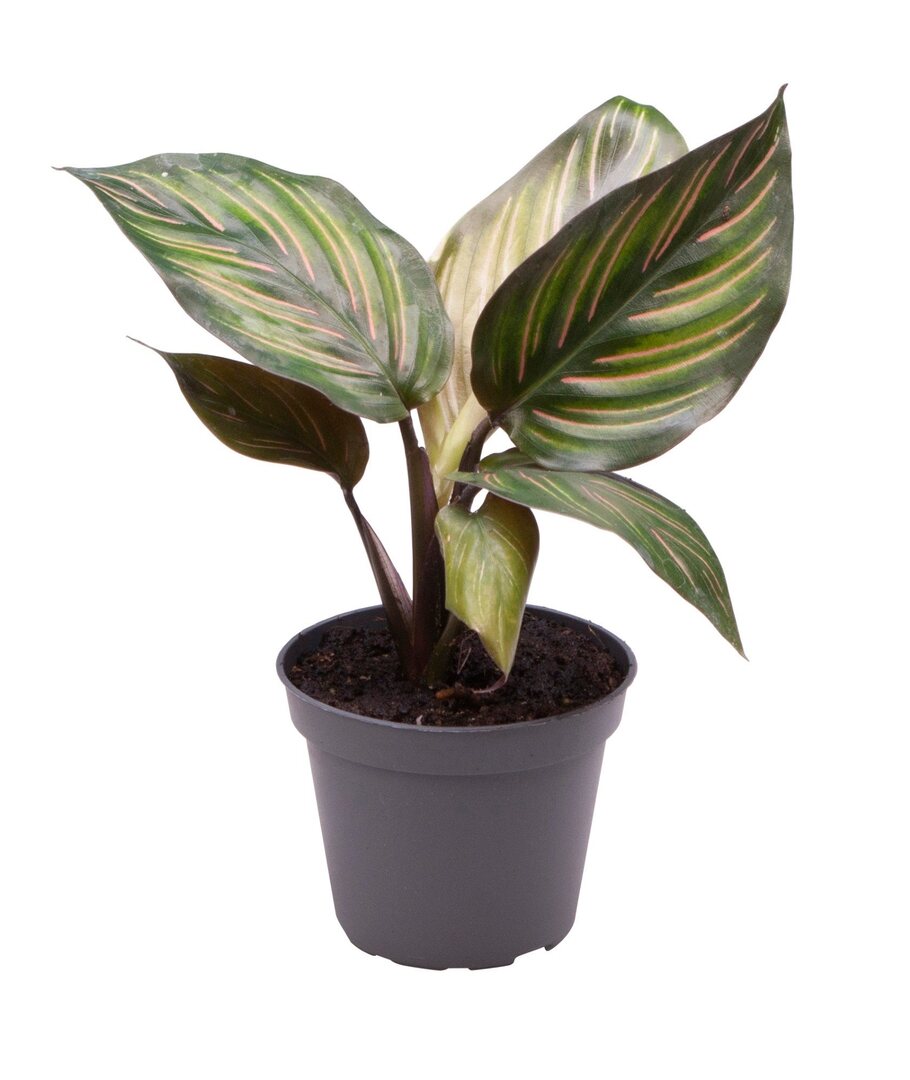
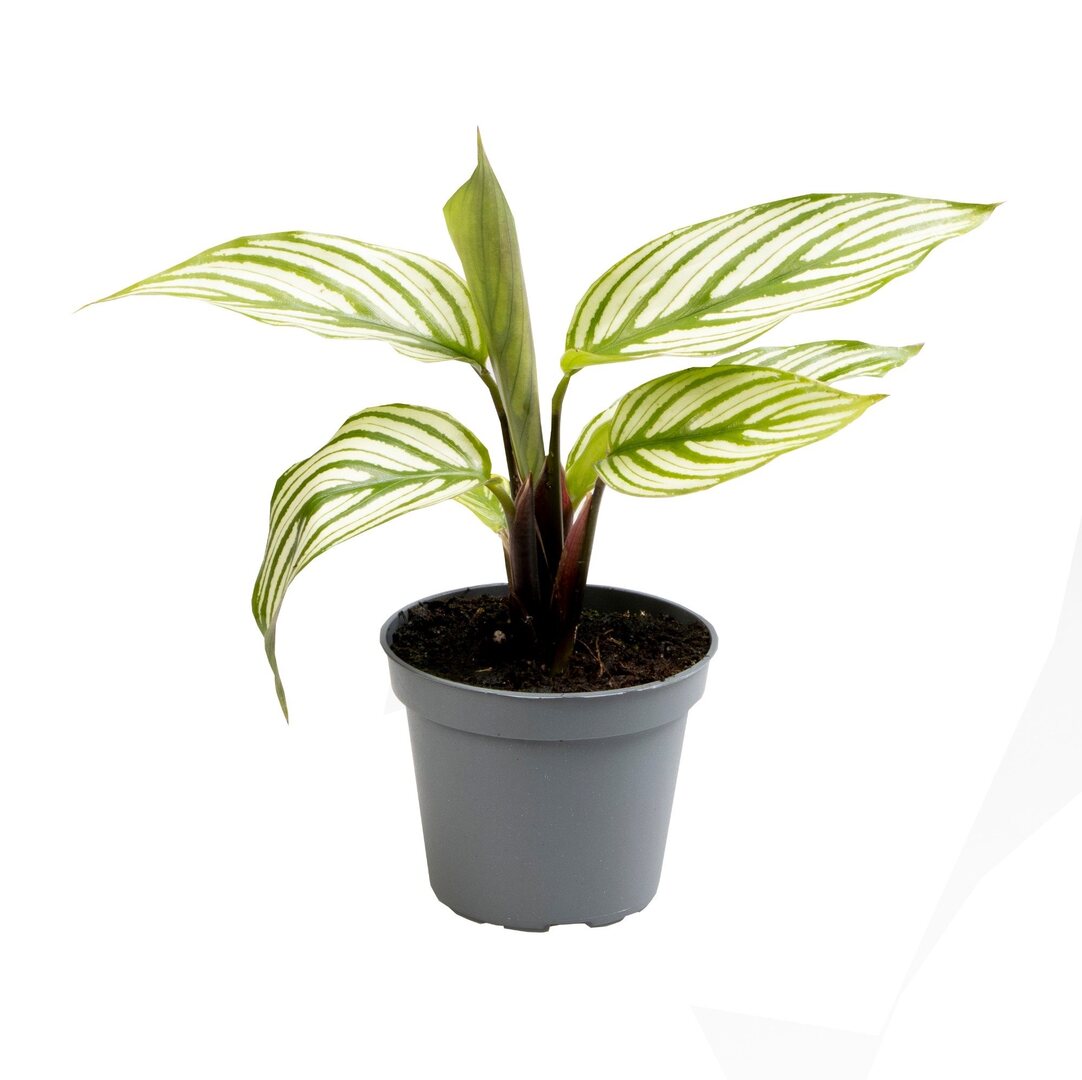
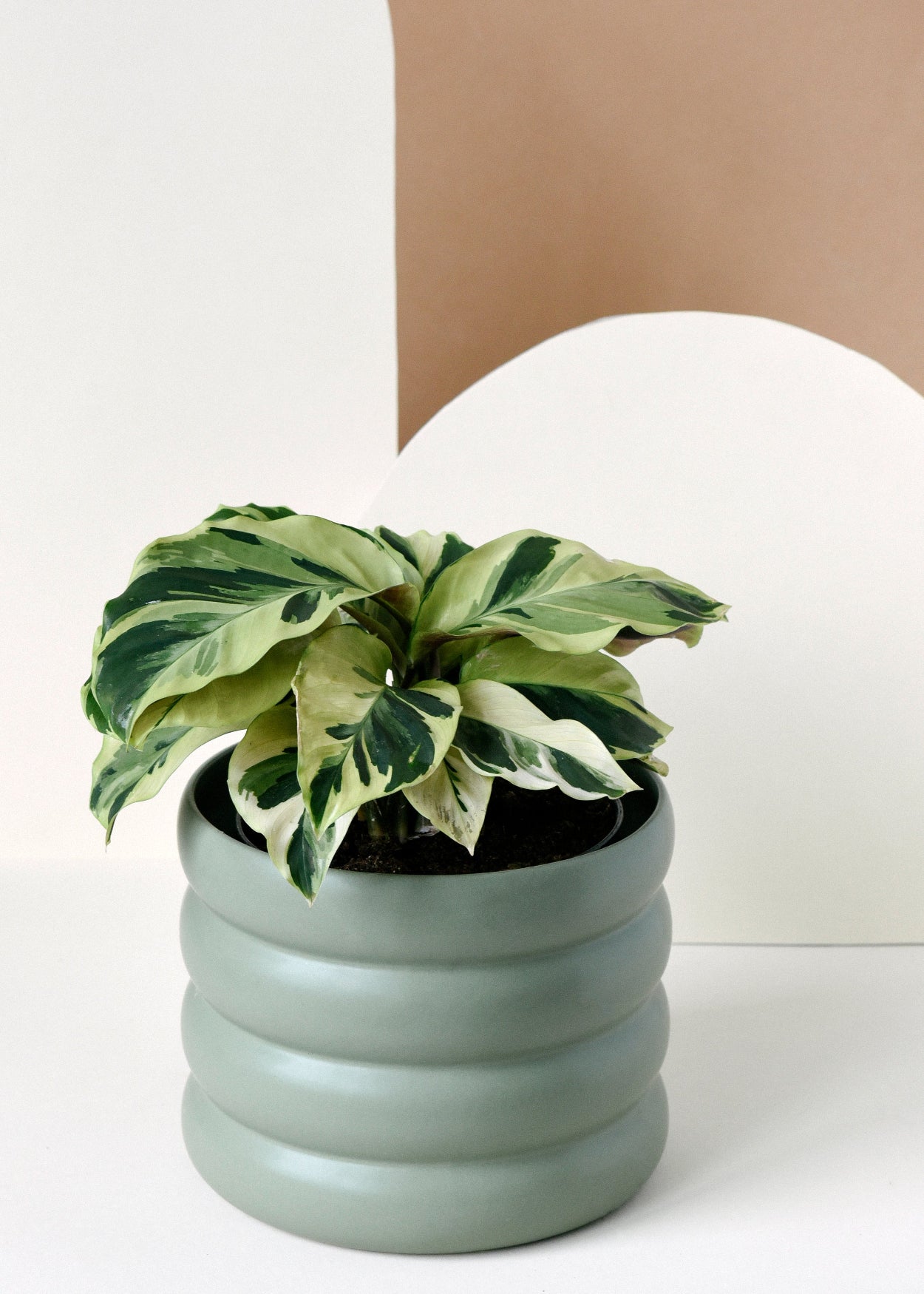
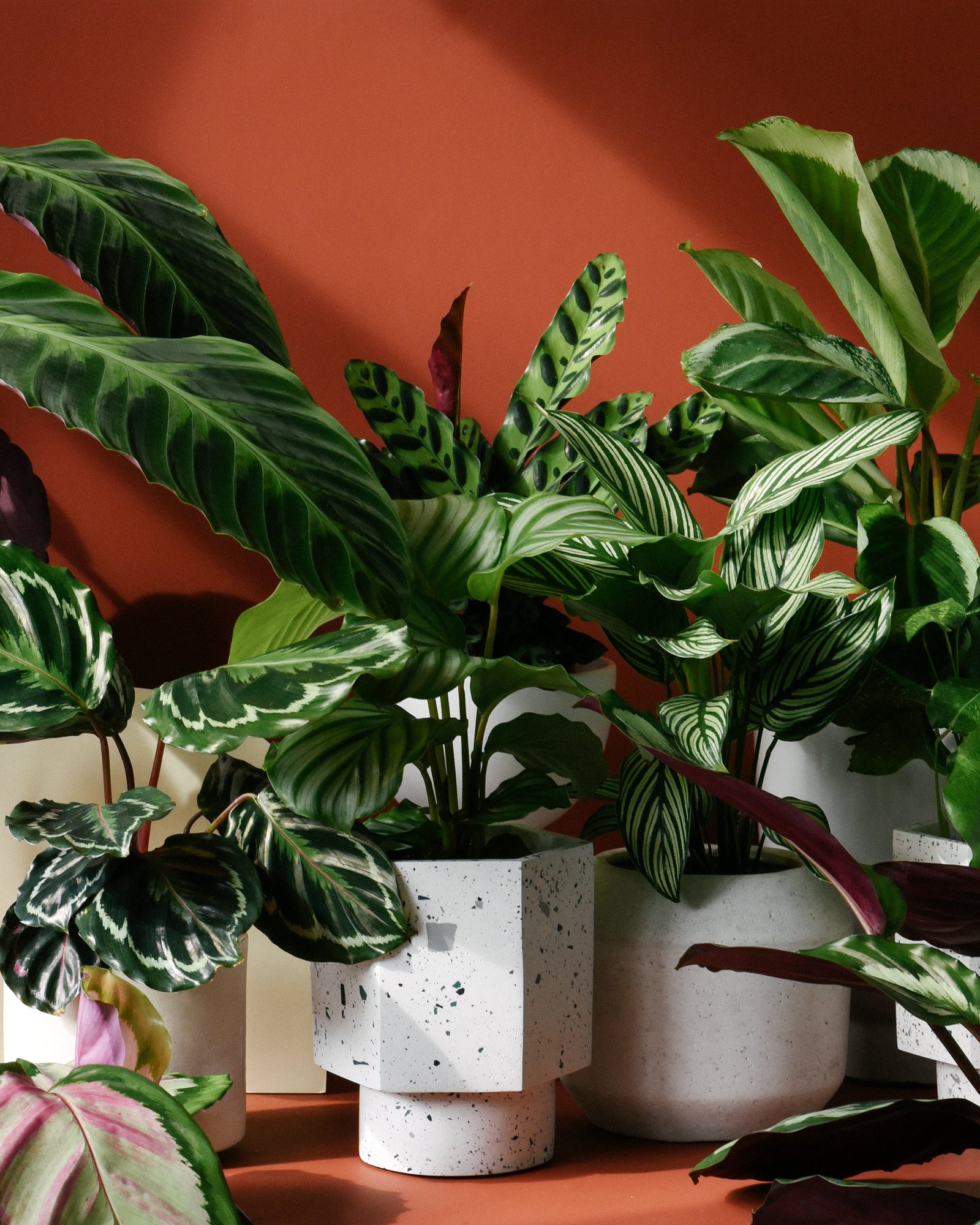
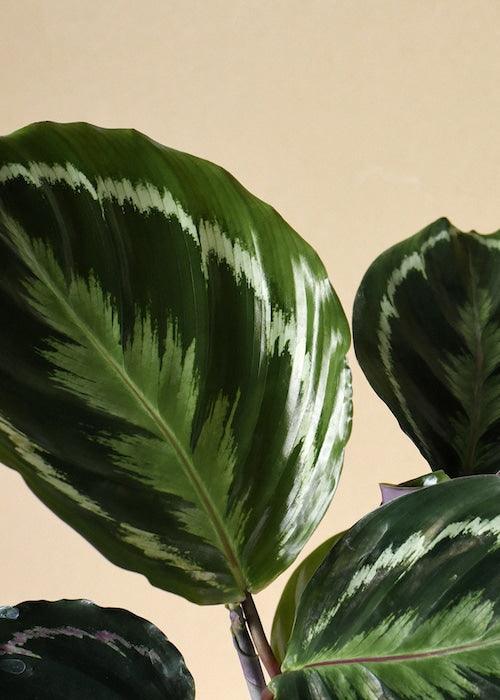
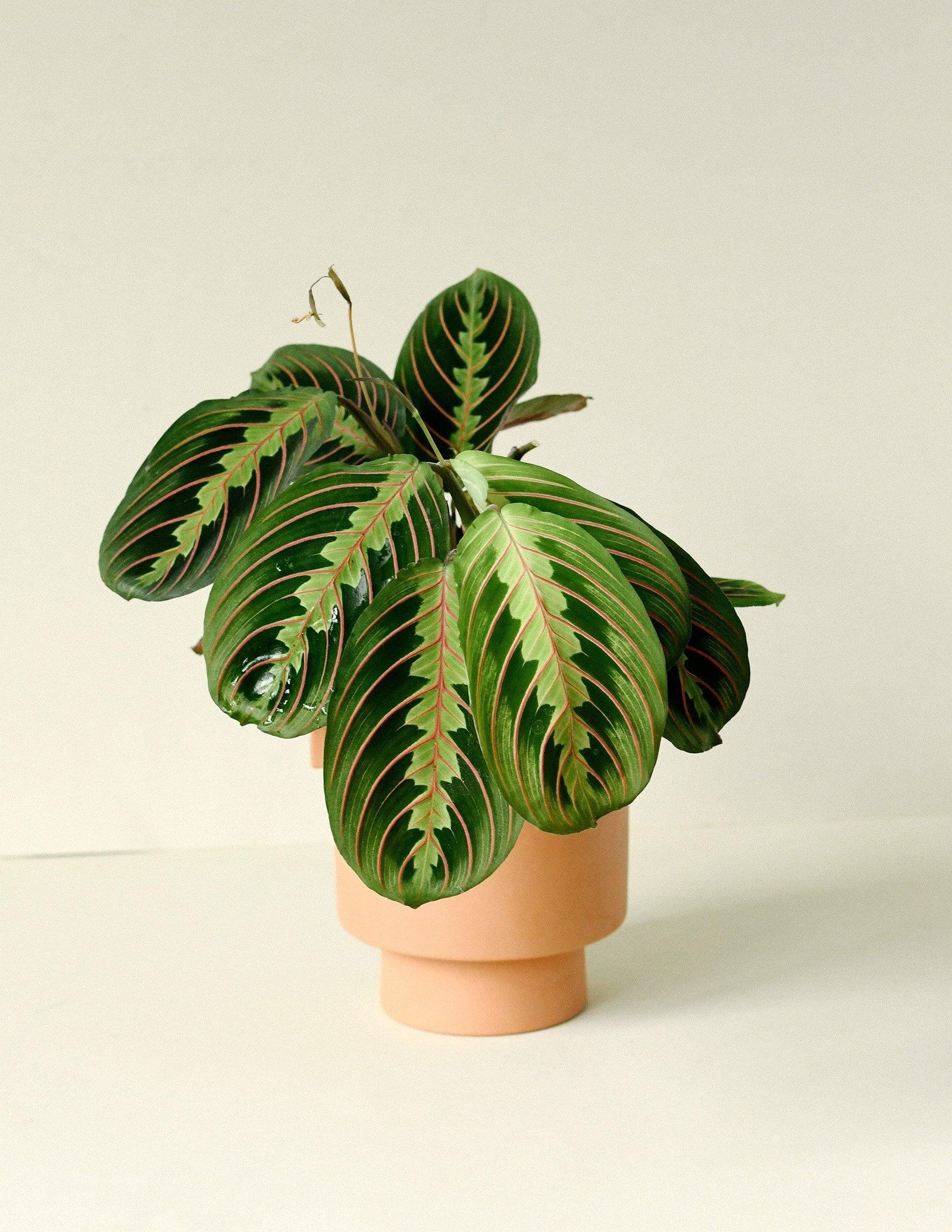
Explore Calathea (Goeppertia) prayer plants in baby and medium sizes, from soft greens to bold variegation, with honest tips for matching each plant to your space and routine.
This collection brings together Calathea (Goeppertia) prayer plants in different sizes, colours, and leaf patterns so you can compare them side by side. Use it to pick a plant that suits your light levels, care confidence, and styling goals, with links to detailed care guides if you are newer to this slightly temperamental but rewarding group.
View
Secure packaging for delicate plants
Small business in Berlin
★★★★★ 4.87 Avg. Review
Calatheas are chosen for their graphic foliage and gentle leaf movement, but they are not one-size-fits-all. Use this short guide to narrow down the best fit for your home.
Are Calatheas suitable for beginners, or are they very delicate plants?
expand_moreCalatheas (Goeppertia) are not as forgiving as pothos or snake plants, but they are not impossible.
They work best for beginners who are happy to observe the plant, keep watering fairly consistent, and avoid strong direct sun.
If this is your first Calathea, choose a less heavily variegated medium-sized variety and read our Calathea Care Guide before planting it.
Can I put my Calathea in a dark living room corner?
expand_moreCalatheas tolerate less light than many tropical plants, but they still need real brightness.
A very dark corner with little natural light usually leads to weak growth and duller leaves.
Choose soft filtered light, such as a spot a few steps from an east- or west-facing window, and keep strong direct sun off the foliage.
How often should I water a Calathea without damaging it?
expand_moreThere is no fixed watering schedule because light, temperature, pot size, and substrate all matter.
As a guide, let the top layer of substrate dry slightly before watering again and check with your finger first.
It is better to adjust gradually than to swing between long dry spells and waterlogged soil, which is what stresses Calatheas most.
Are Calatheas safe for homes with cats or dogs?
expand_moreMany Calatheas are generally considered non-toxic as ornamental plants and are often chosen for homes with pets.
Still, it is best to stop cats or dogs from chewing the leaves and to check each product page for specific notes.
If pet safety is a key concern, pair this collection with our pet-friendly plant guidance and ask your vet about specific worries.
Which Calathea should I choose if I have a very busy routine?
expand_moreIf you travel often or forget watering, the most delicate Calatheas may not be ideal.
Choose sturdier-looking varieties without extreme variegation, in medium pots, and pair them with a moisture-retentive substrate.
If you want something even more tolerant, also browse our easier houseplant collections outside the Calathea group.
Browse related plant edits and care guides selected for this collection.
Be the first to know about newly stocked plants and accessories, sales and exclusive offers.