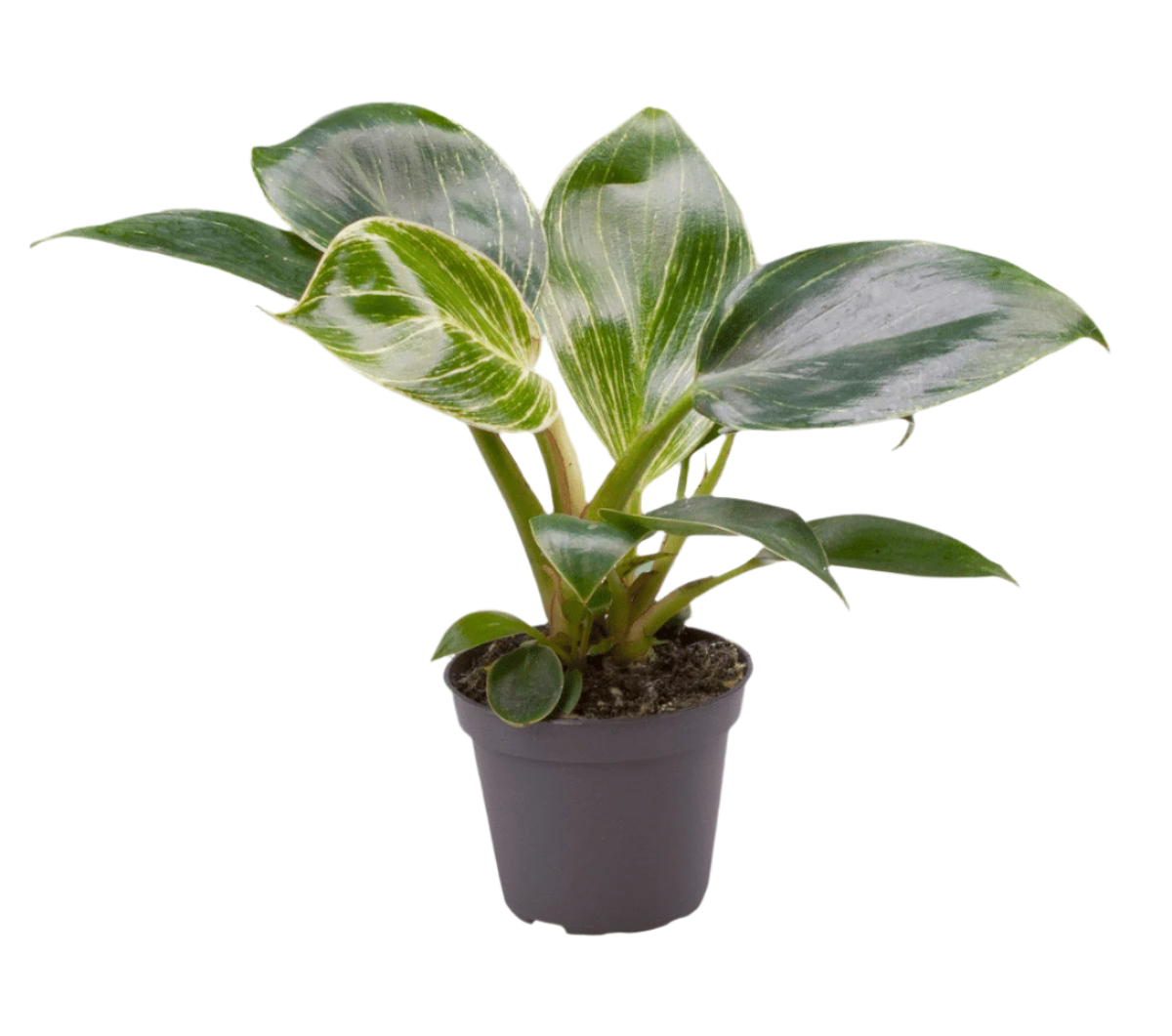
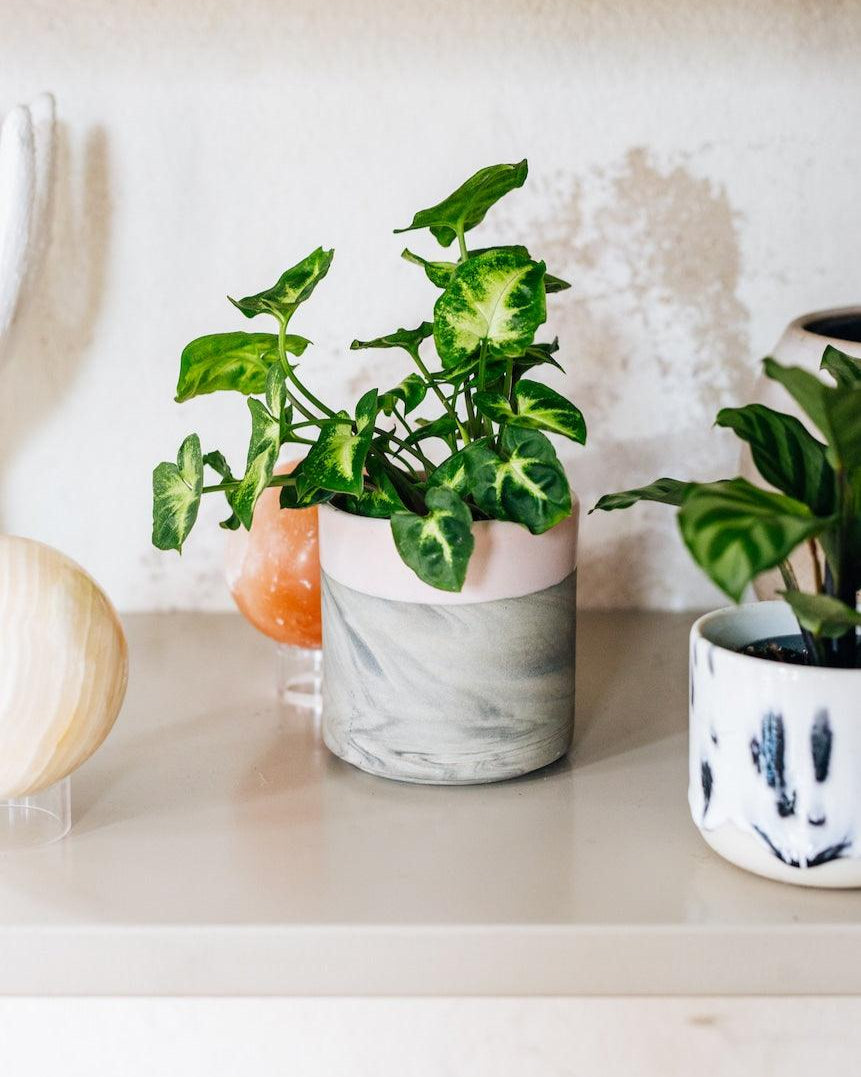
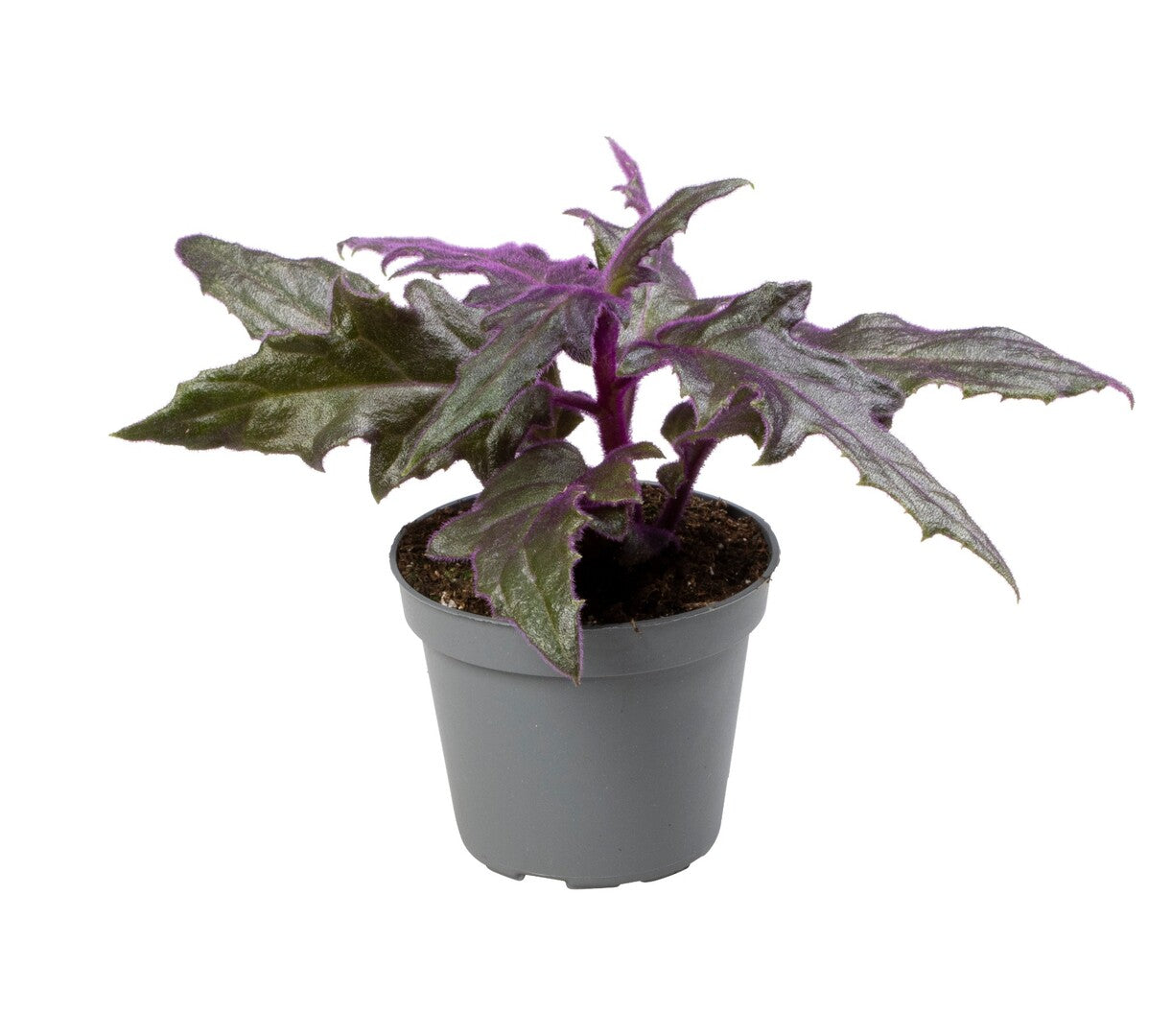
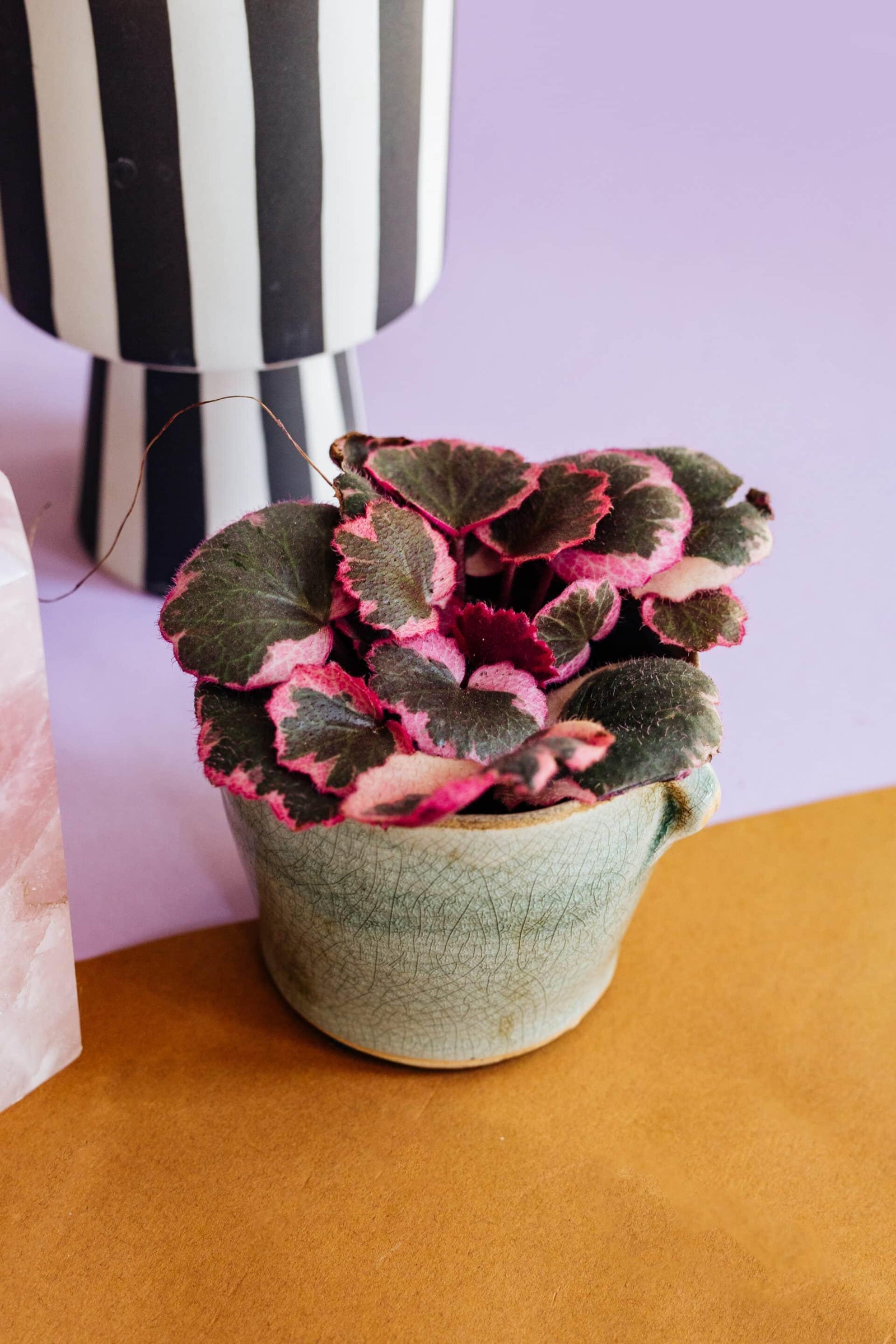
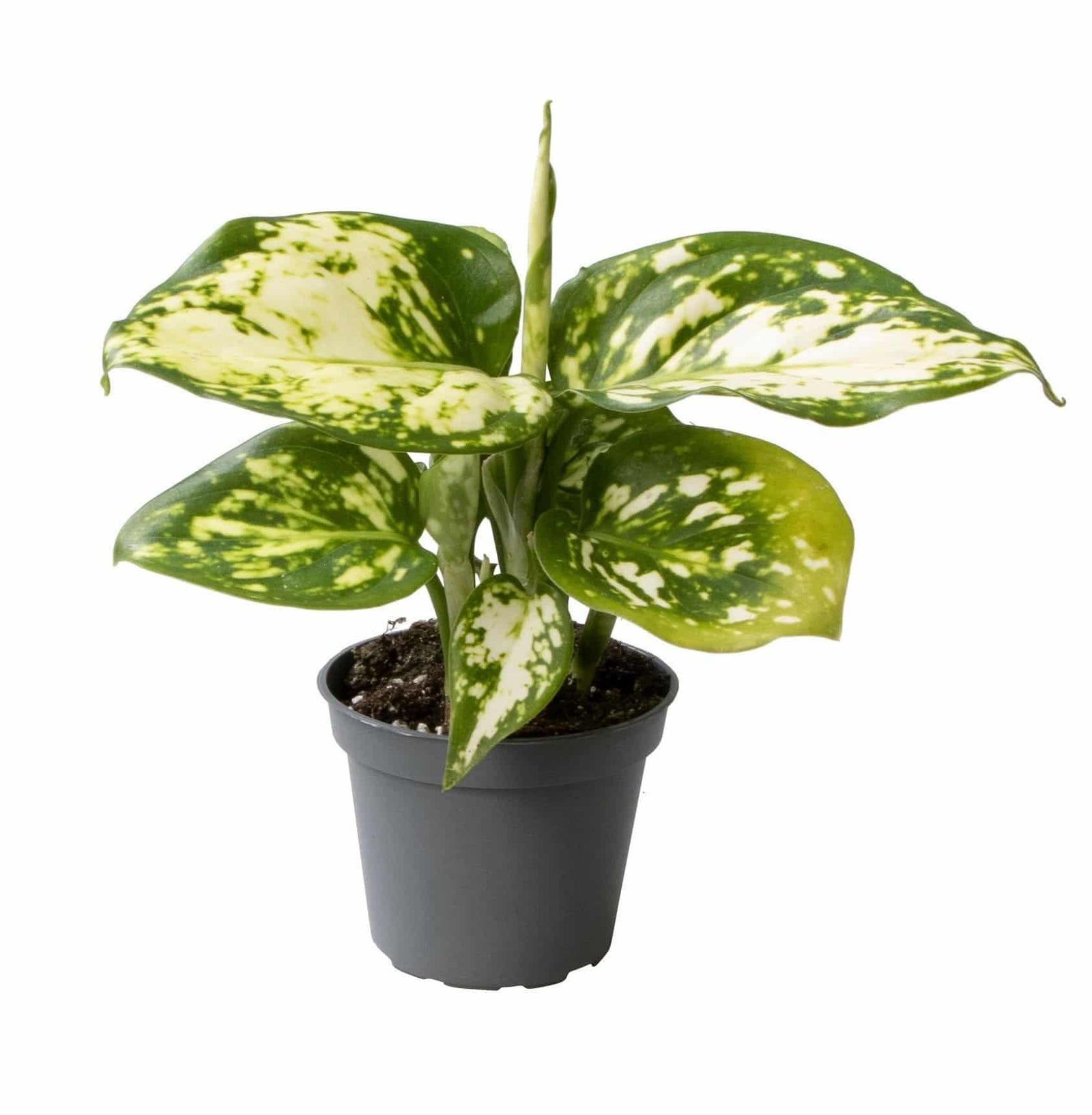
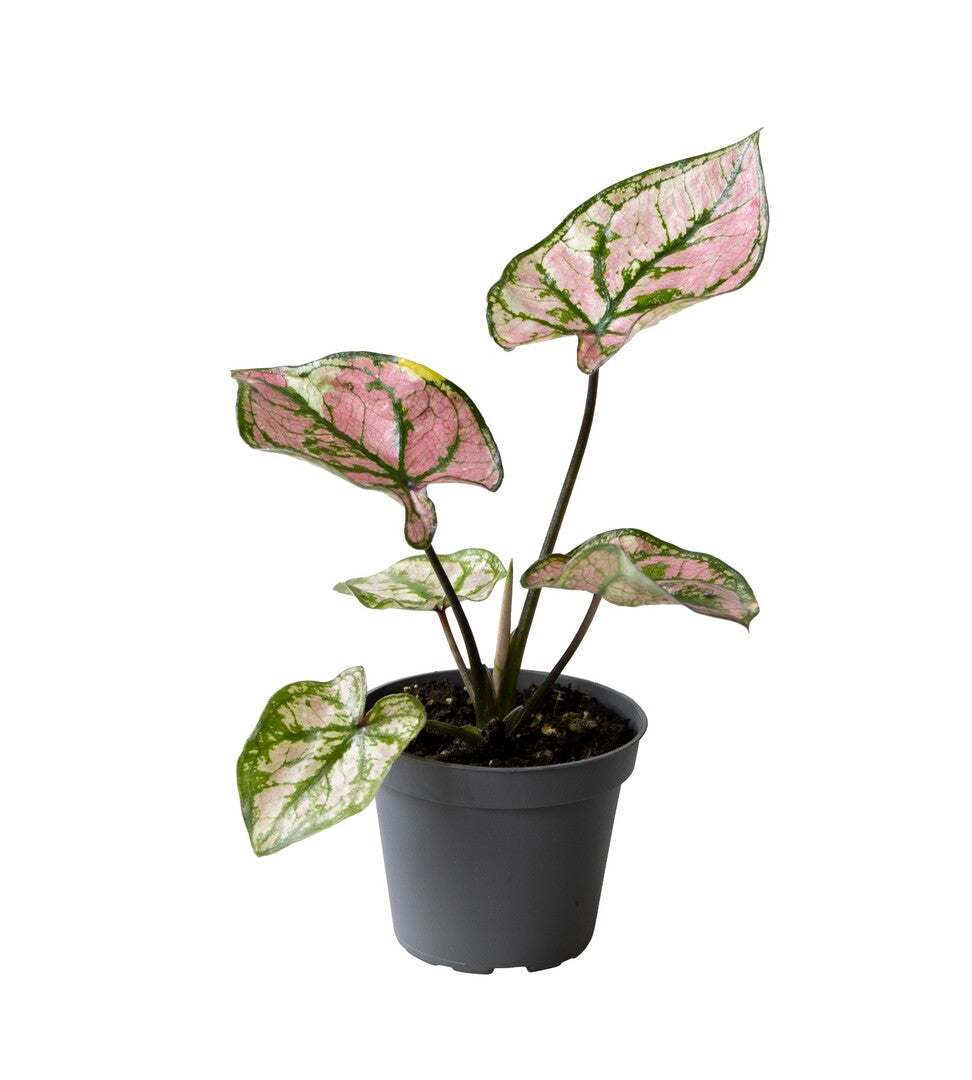
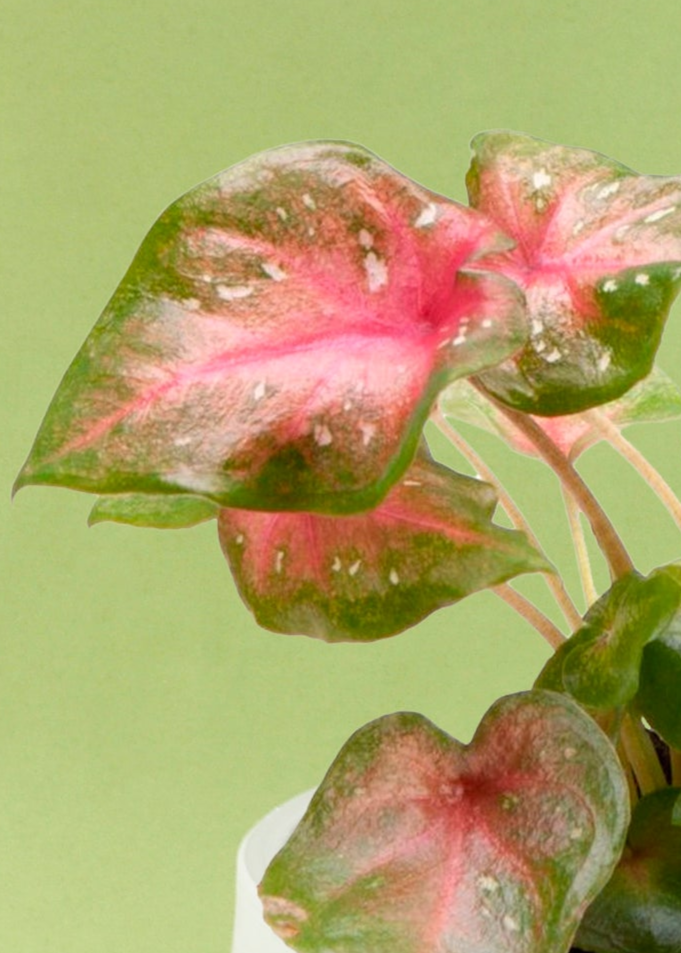
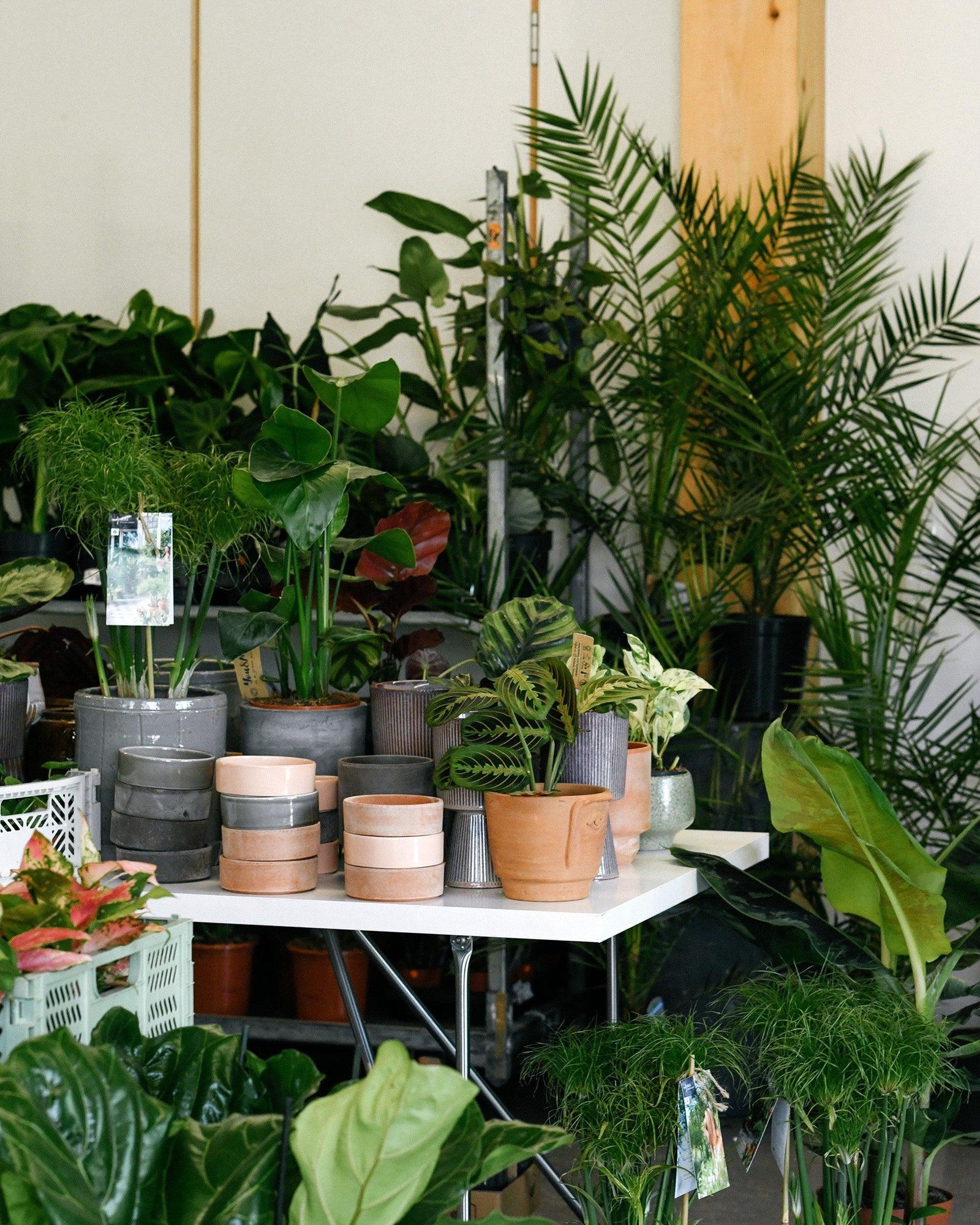
Choosing the right houseplant is much easier when you start with your home and habits, not just the prettiest leaf. This collection is designed to show you everything in one place, so you can quickly filter by size, difficulty and style.
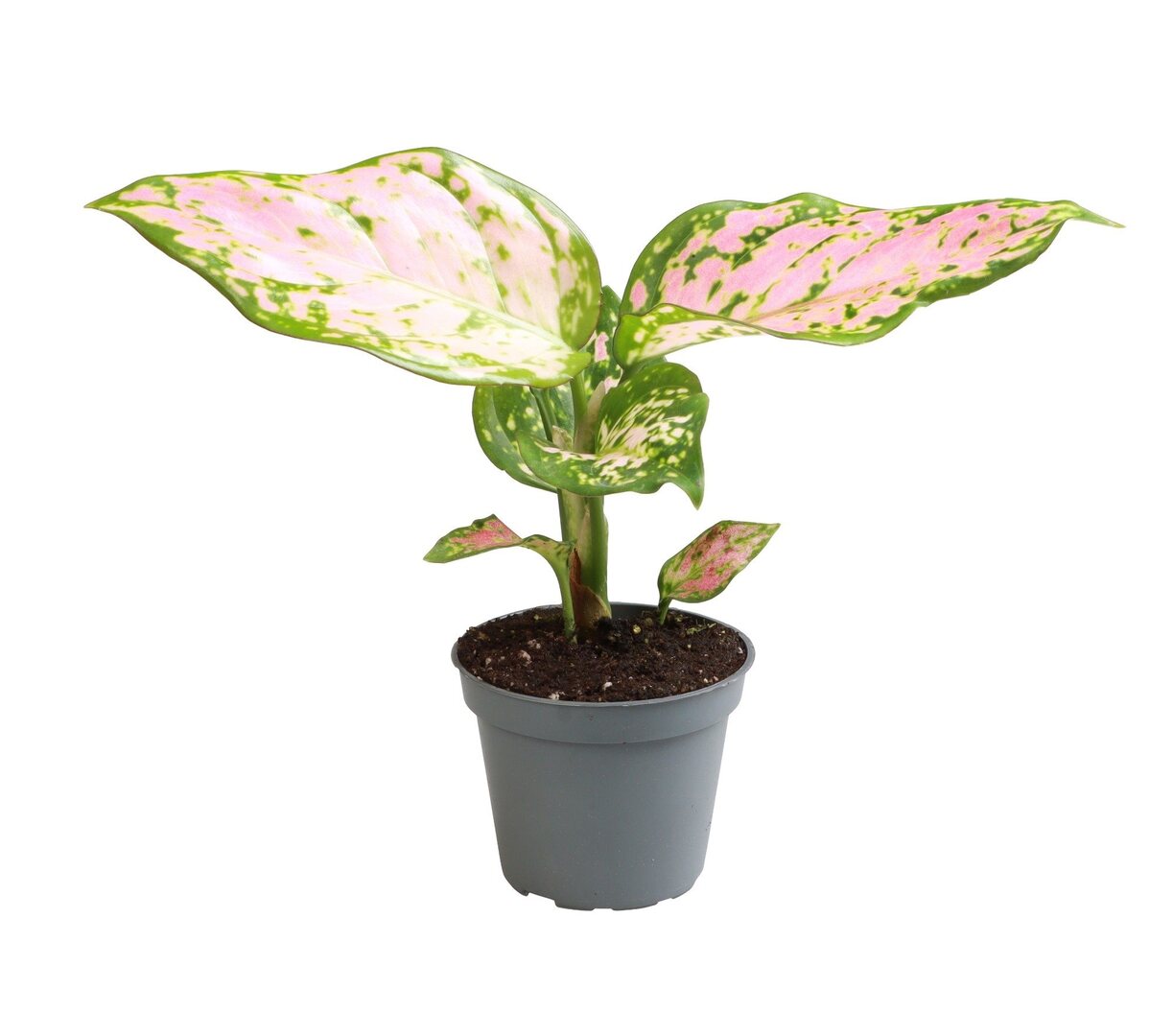
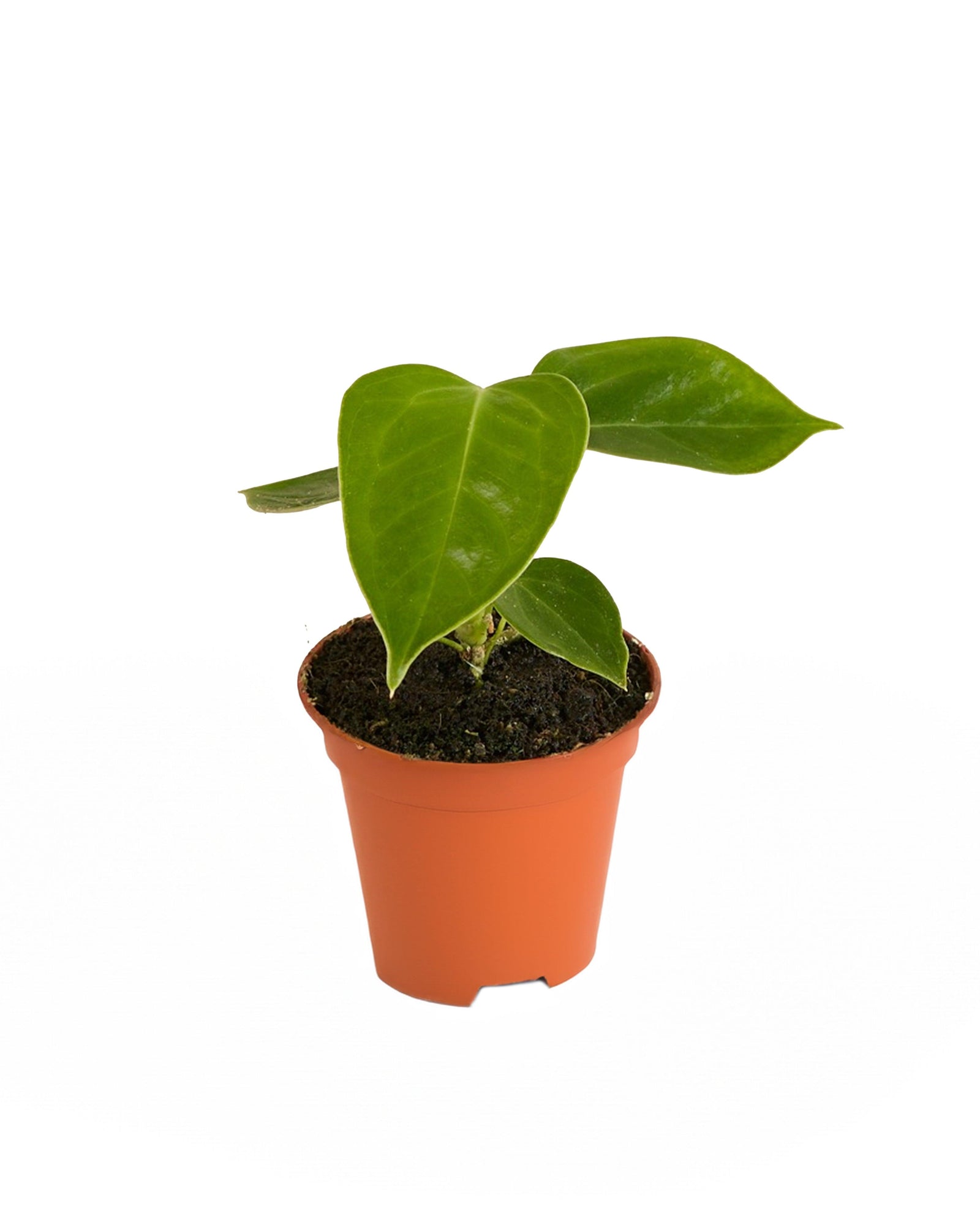
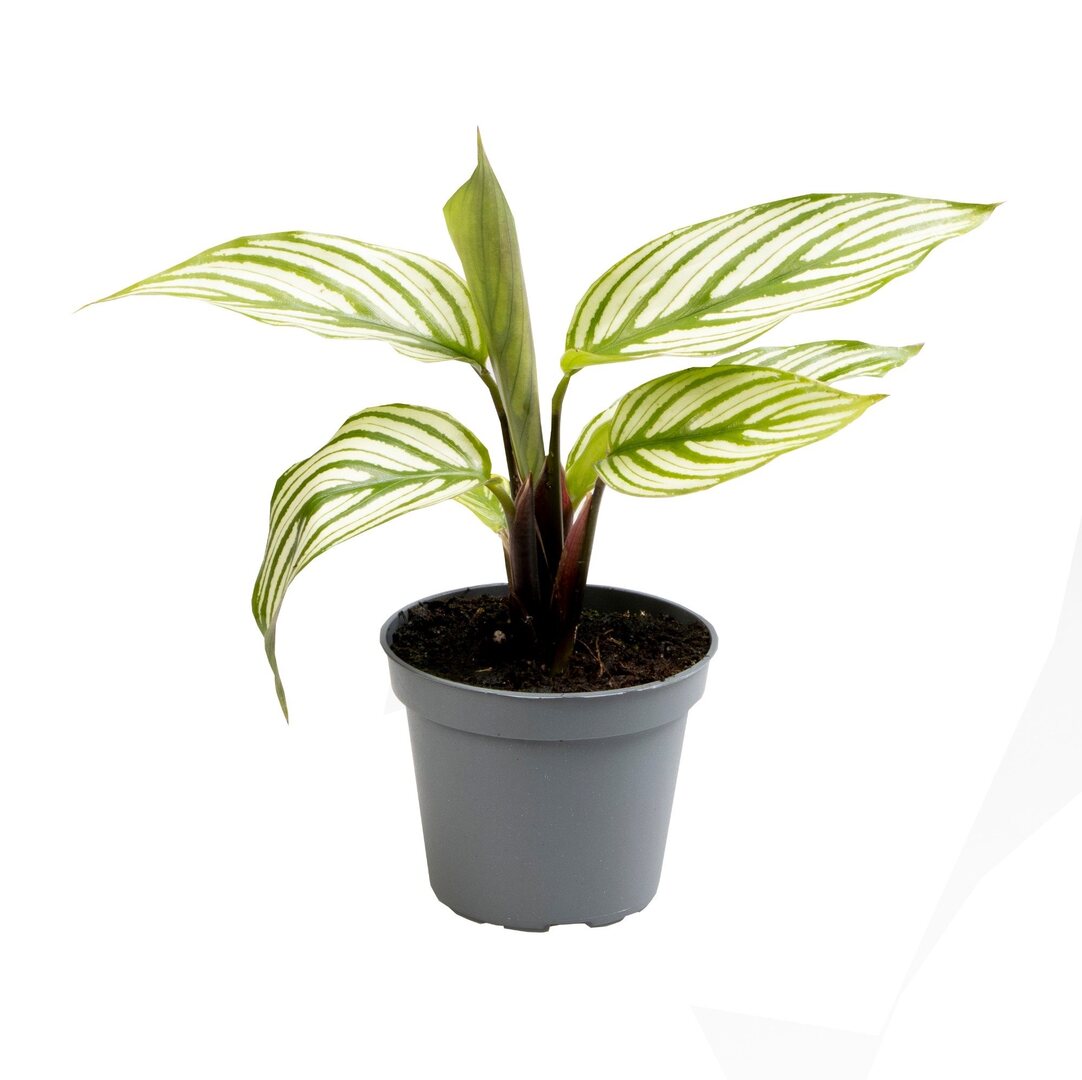
1. Check your light first Most tropical plants enjoy bright, indirect light near a window with sheer curtains. Big-leaf aroids like Monstera deliciosa, many Philodendrons and Ficus generally want this kind of position. Softer or more distant light suits some Aglaonemas and Marantas, but they still need daylight and may grow more slowly. Very dark corners rarely suit any plant long-term, so consider moving plants closer to a window or adding a grow light.
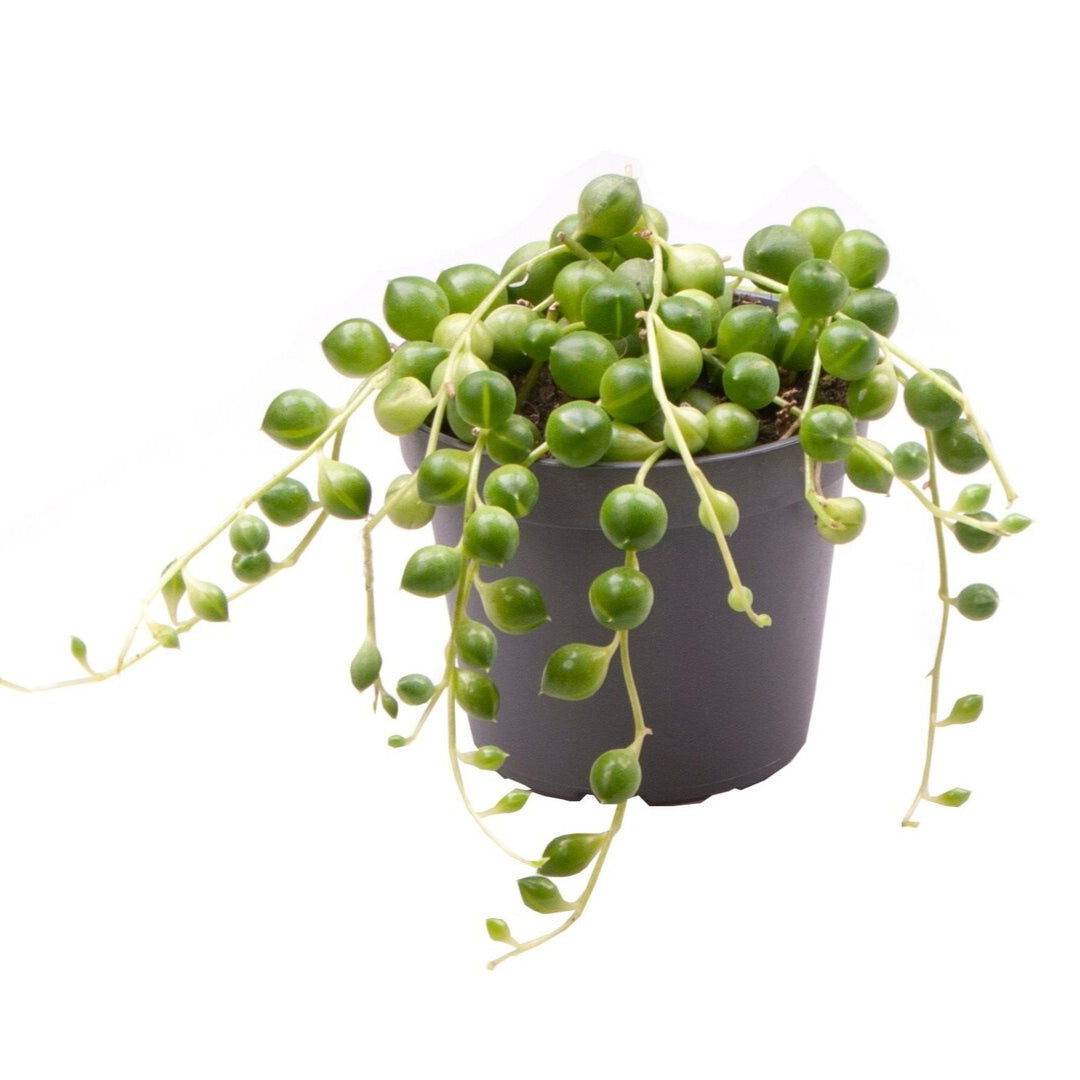
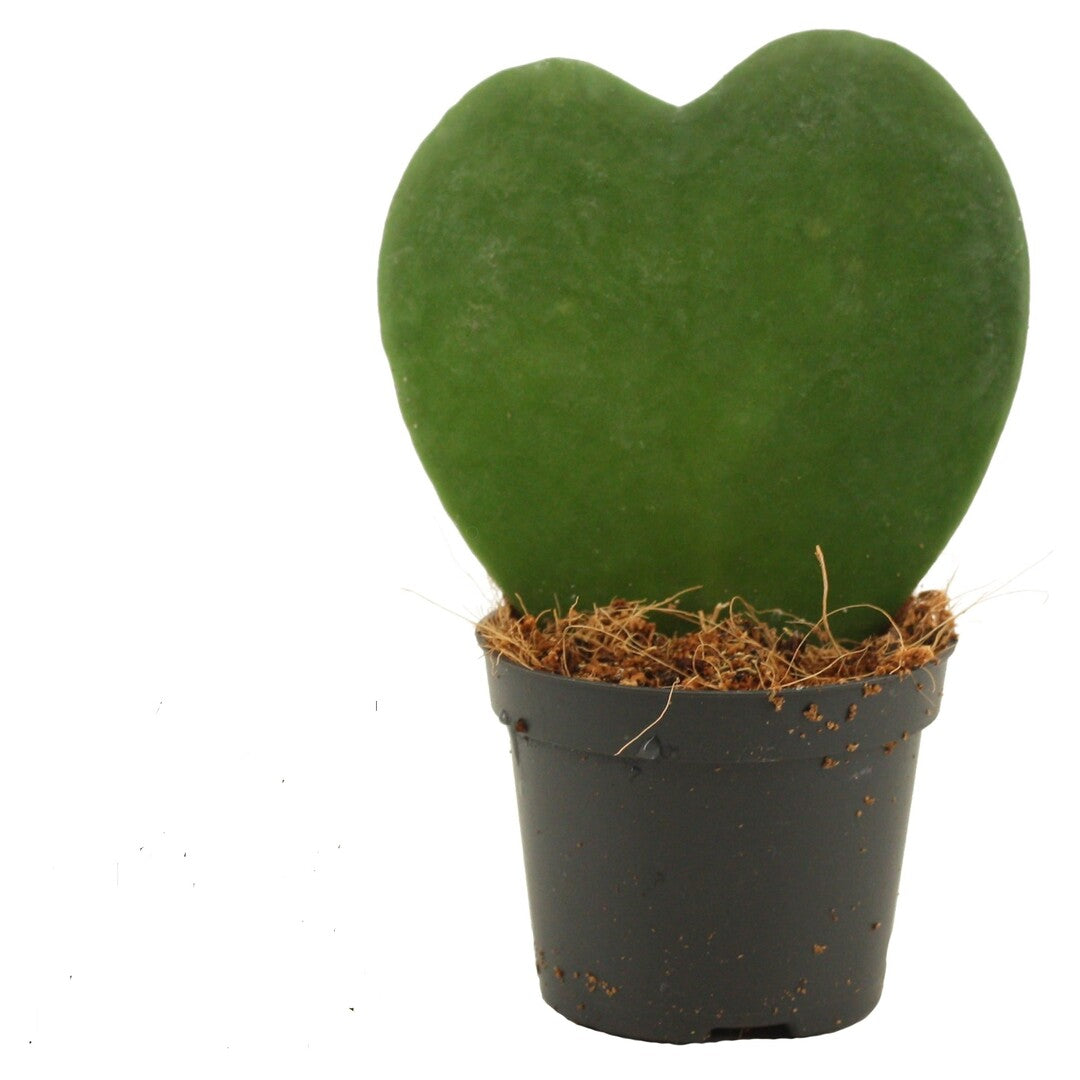
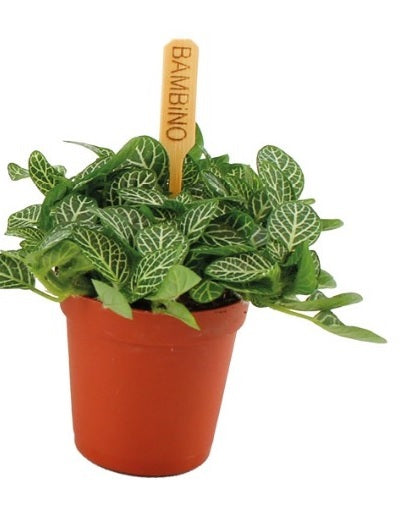
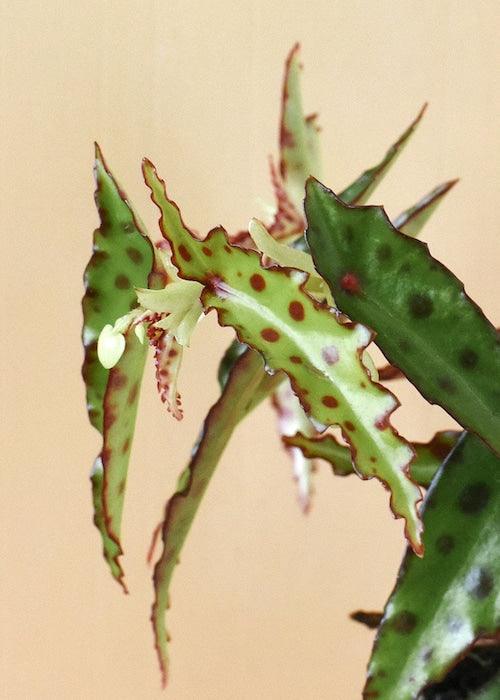
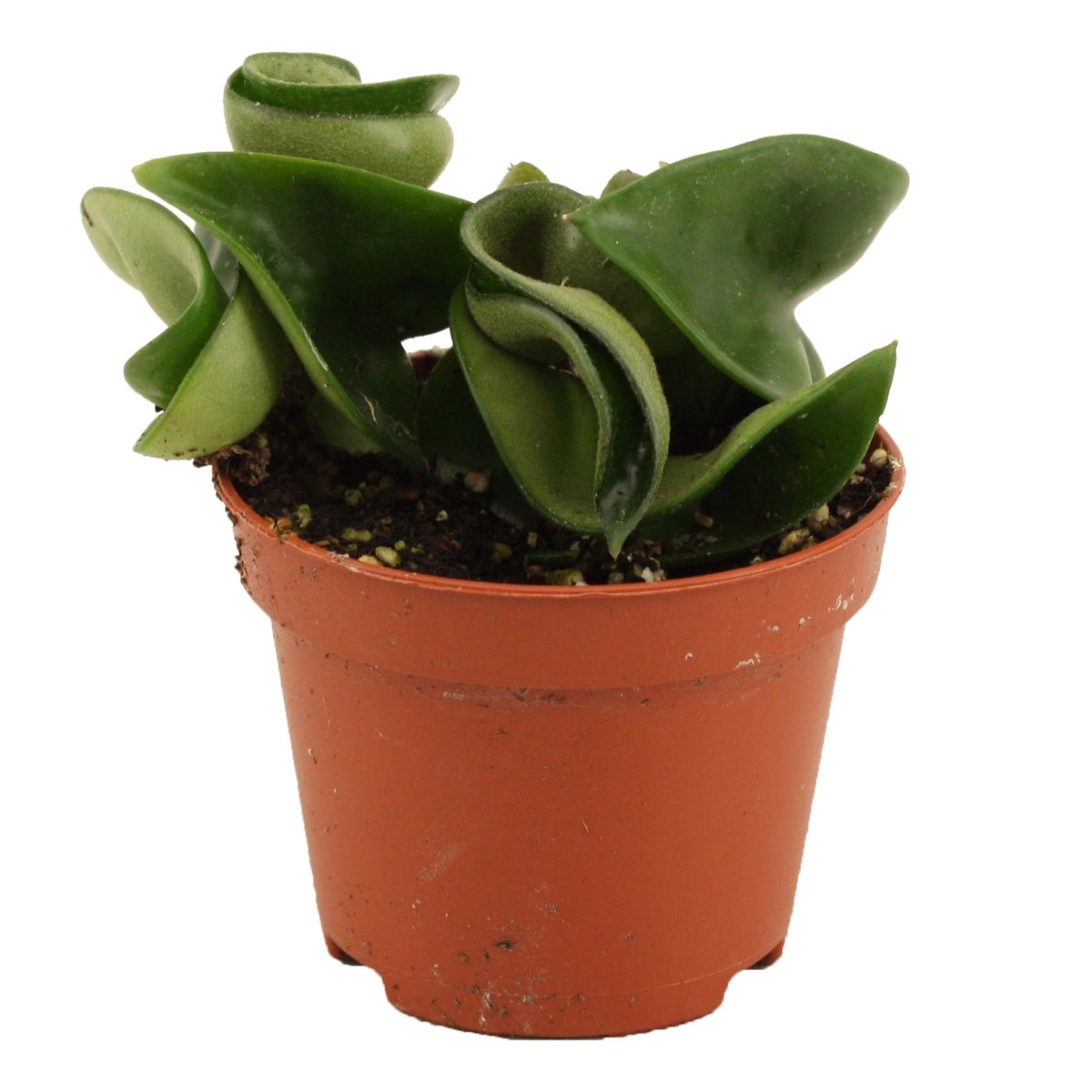
2. Be honest about your watering routine If you tend to forget to water, look for more forgiving plants such as vining Philodendrons, some hardy succulents and cacti. If you enjoy checking your plants regularly and don’t mind a bit more attention, you can explore more sensitive Alocasias, jewel orchids and rare aroids. When in doubt, choose plants tagged as easy care and avoid those known to be fussy about humidity or watering.
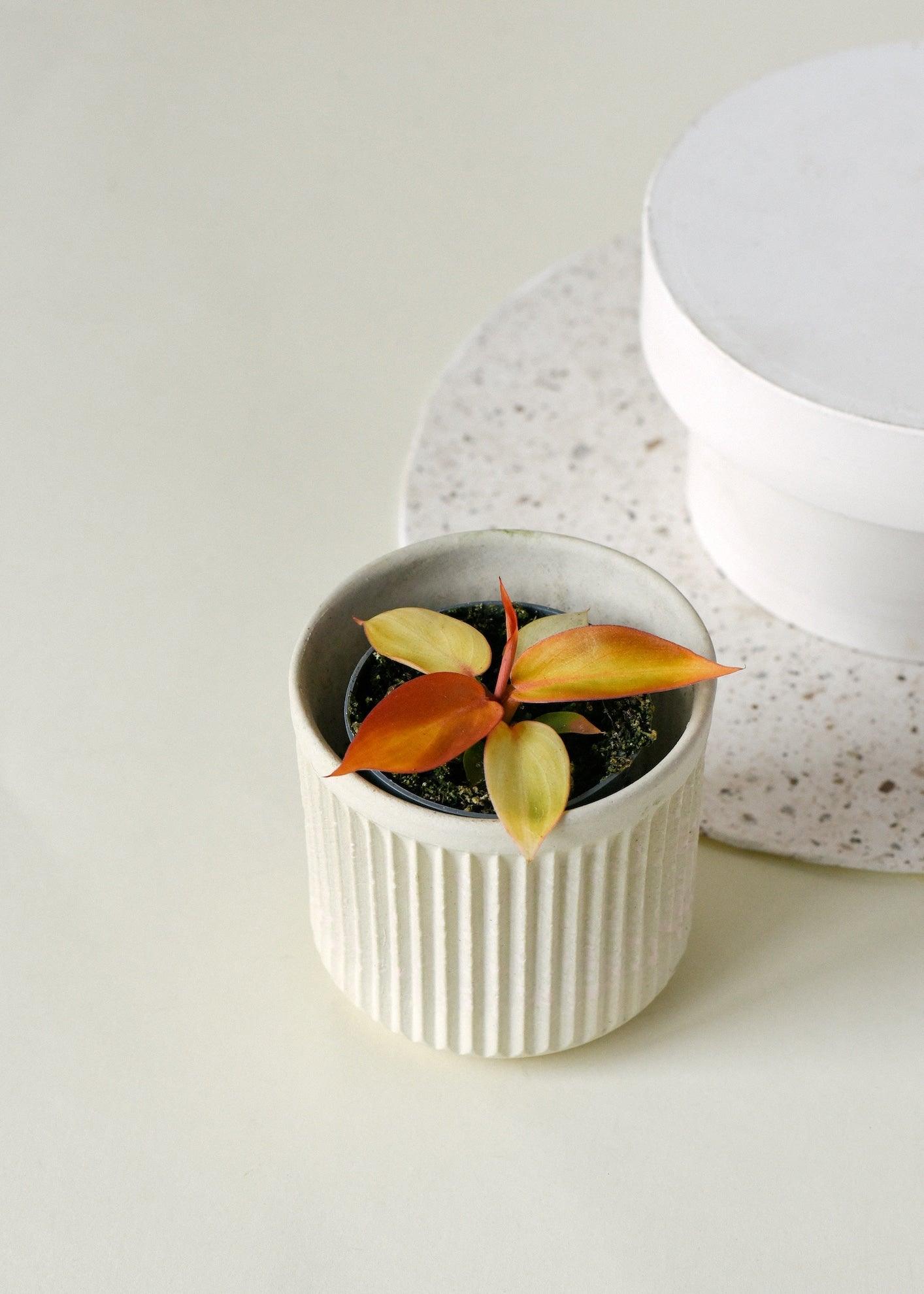
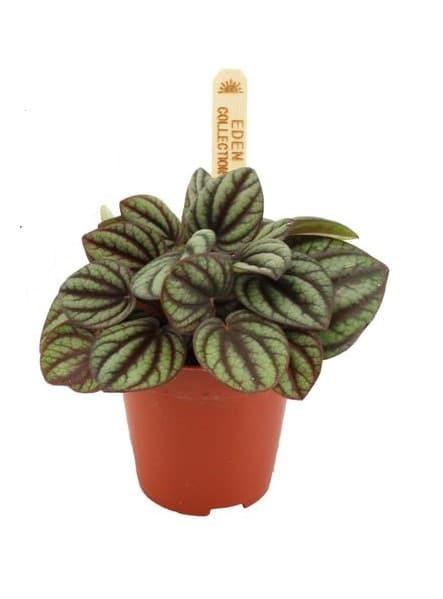
3. Decide on plant size and placement Baby plants are great for gifts, shelves and experimenting with new species. Medium plants suit desks, sideboards and window sills, while larger floor plants can anchor a living room or office corner. Measure your spot – including height for climbing and trailing plants – so you know whether a compact pot or a future statement piece makes more sense.
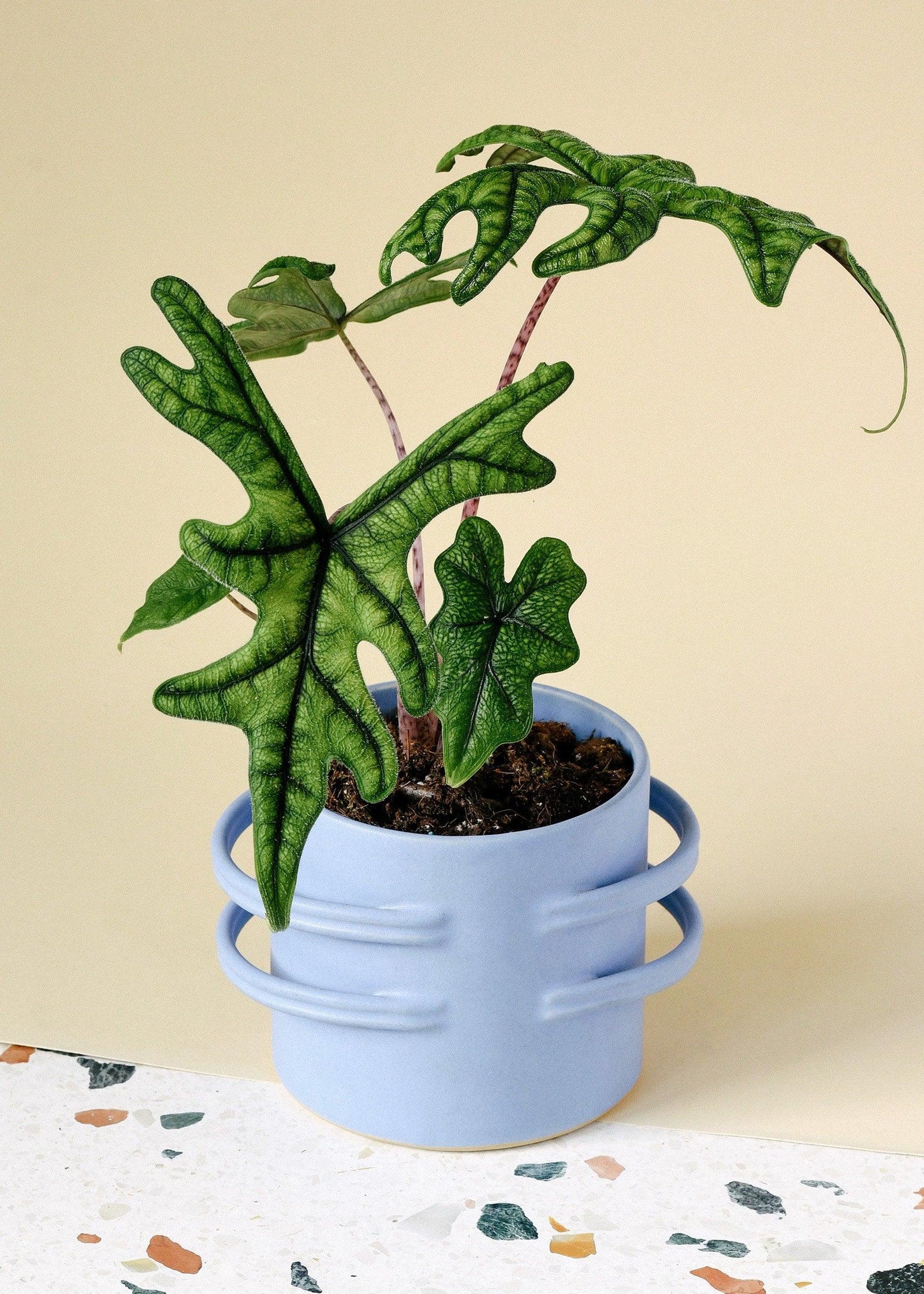
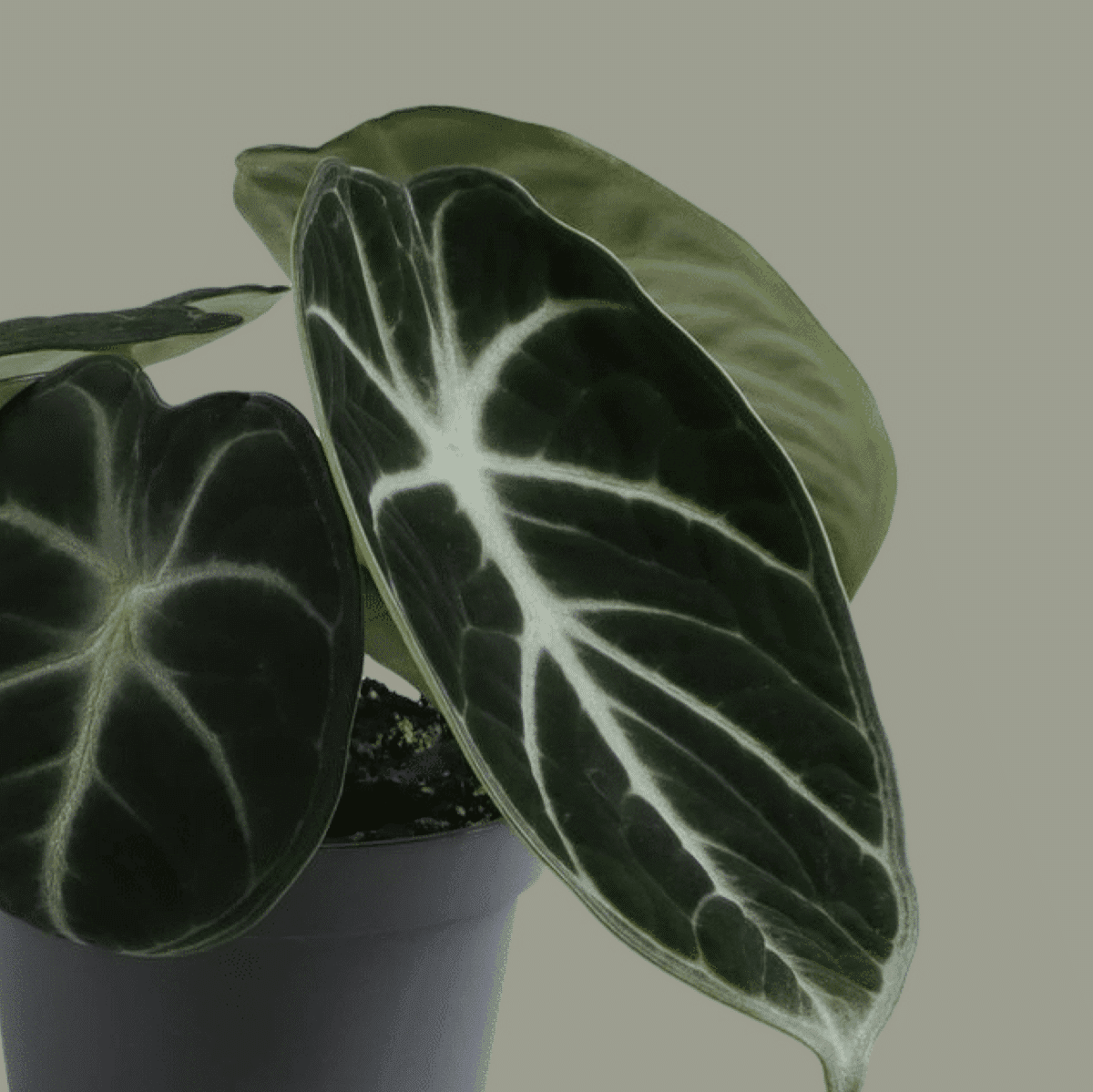
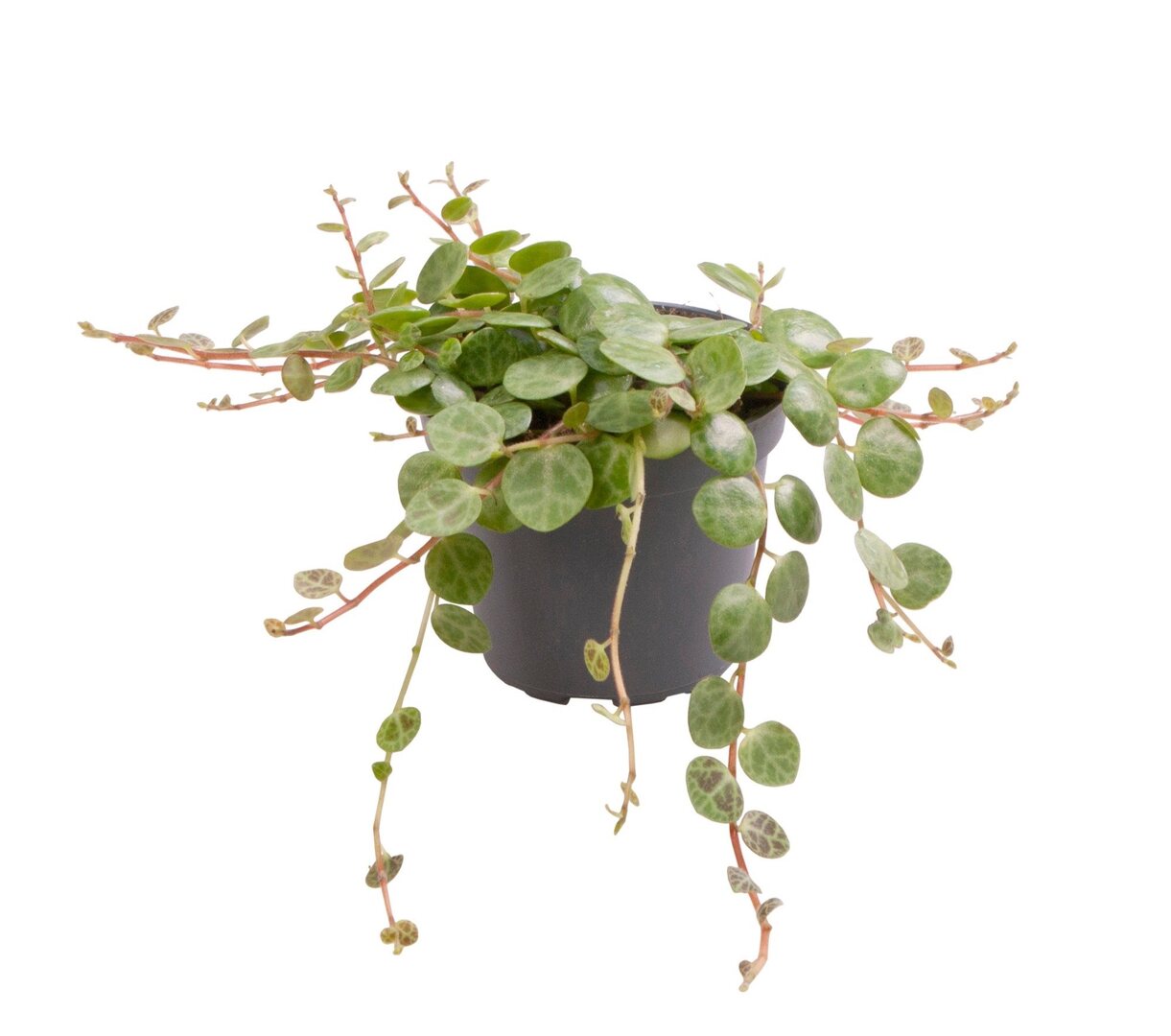
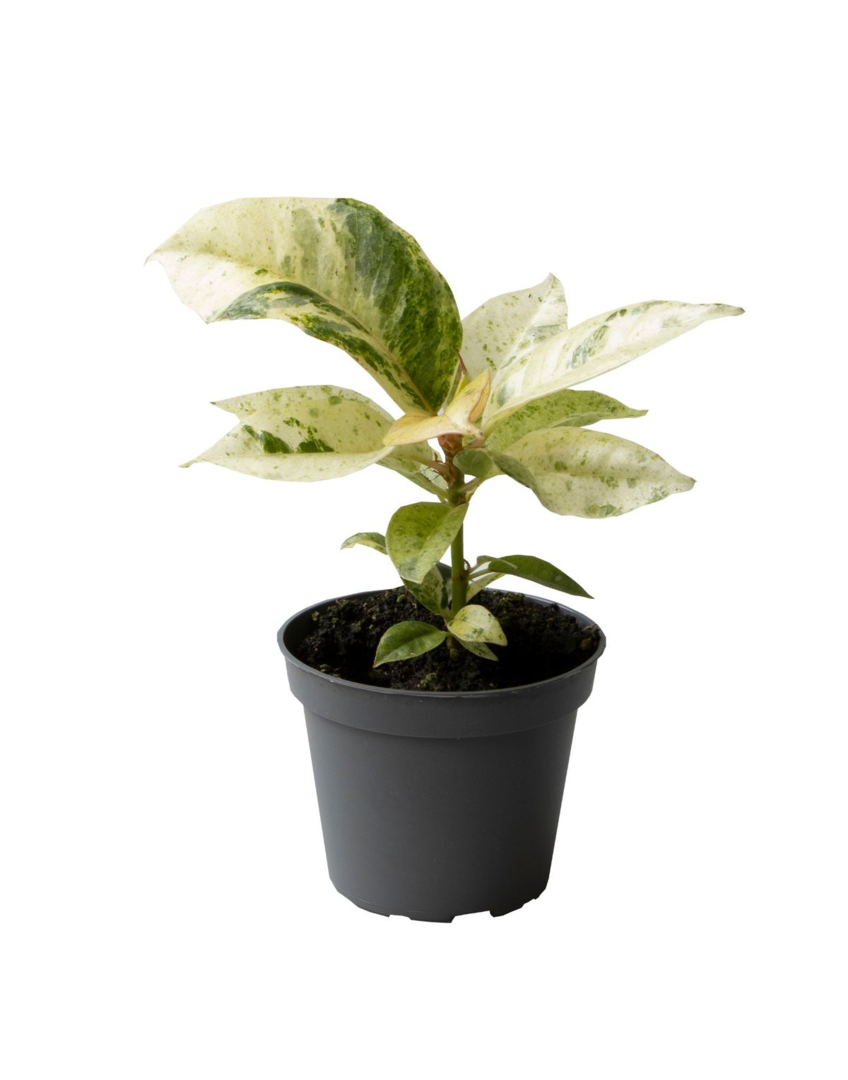
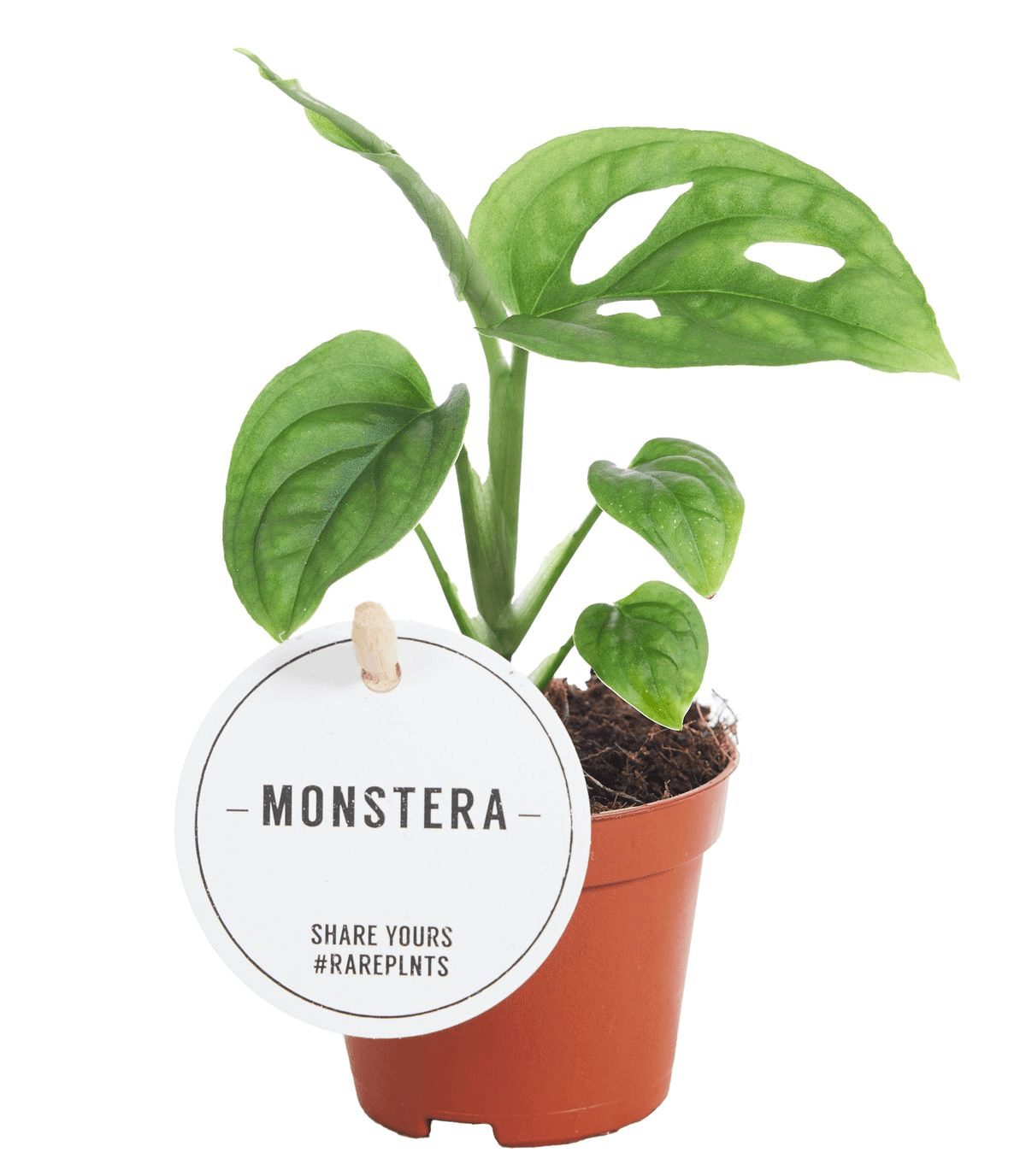
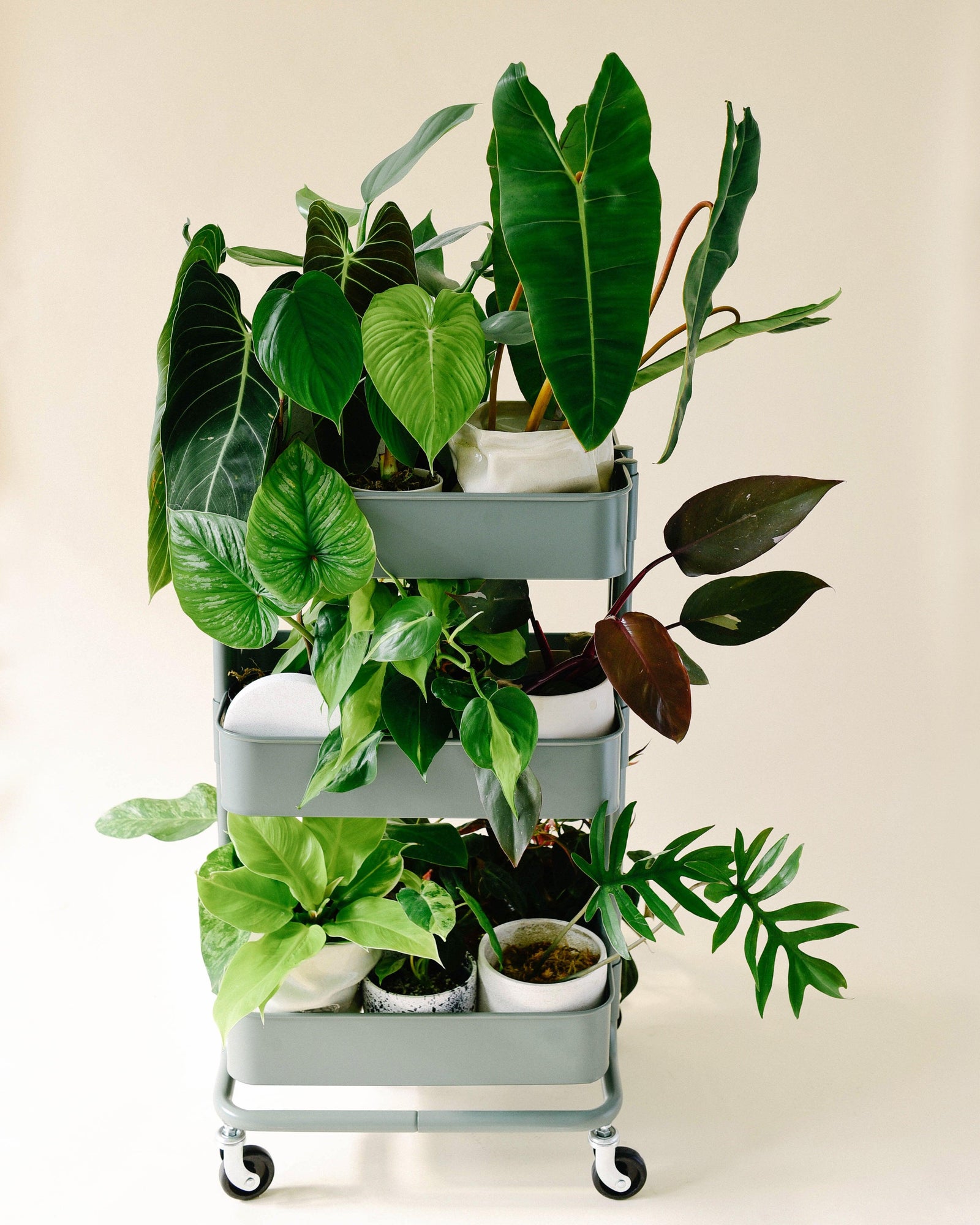
4. Match style to your interior For a lush, jungle feel, look at trailing and climbing plants like Scindapsus, Philodendron hederaceum forms and Monstera Adansonii. If you prefer a more architectural look, variegated Monsteras, Ficus varieties or structured Alocasias bring strong shapes and contrast. Mix textures – glossy, velvety, patterned – to make a group of plants feel considered, not cluttered.
5. Consider pets, children and sensitivity Many popular houseplants are not suitable for chewing pets or small children. If that’s a concern, browse our dedicated pet-friendly collection and place more sensitive plants out of reach. Even pet-friendlier species benefit from supervision, as any plant material can cause mild stomach upset if eaten in larger amounts.
6. Budget for the full setup Factor in a suitable pot with drainage, matching saucer or cover pot, and appropriate substrate. Aroids usually prefer airy mixes, while cacti and succulents like very well-draining soils. You can find compatible options in our pots, baskets and substrate collections to set your new plant up for success from day one.