


7 Things Your Ficus Really Hates (and How to Fix Them)
Ficus plants can look dramatic and sculptural in any room – and just as dramatic when they start dropping leaves. The good news: most problems come down to a few repeat mistakes. Once you know what your ficus really hates, you can keep it much calmer, greener, and happier long-term.
In This Guide
- 1. Sudden changes in location
- 2. Inconsistent watering
- 3. Low humidity levels
- 4. Insufficient light
- 5. Cold drafts and temperature swings
- 6. Poor or compacted soil
- 7. Skipping pest checks
- Quick overview: Ficus care at a glance
- Where to find Ficus for your home
1. Sudden Changes in Location
Why it matters: Ficus plants are creatures of habit. A big move from one side of the room to the other – or from a bright window into a darker corner – can trigger a classic ficus response: lots of yellowing and leaf drop.

What to do instead: Before you bring a ficus home, decide where it will live: bright, stable, away from doors that open constantly. If you do need to move it, shift it gradually over several days so it can adapt to the new light and temperature step by step.
2. Inconsistent Watering
Why it matters: Ficus roots dislike going from soggy to bone dry and back again. Overwatering can lead to root issues, while long dry spells can cause crispy edges and dropped leaves. The combination – heavy watering after a dry period – is especially stressful.
How to water: Use your fingers rather than the calendar. Check the top 2–3 cm of soil; if it feels dry, water thoroughly until excess water drains out of the pot. Empty saucers after a few minutes so the plant doesn’t sit in water. In winter, your ficus will usually need less frequent watering.
3. Low Humidity Levels
Why it matters: Many popular ficus varieties come from naturally humid habitats. Very dry indoor air – especially in heated apartments – can lead to brown tips, edges, and extra leaf drop over time.

How to help: Aim for medium humidity if you can. Group plants together, place your ficus near (not on) a humidifier, or use a pebble tray with water under the pot. Light misting can be a nice ritual, but it usually doesn’t change room humidity on its own.
4. Insufficient Light
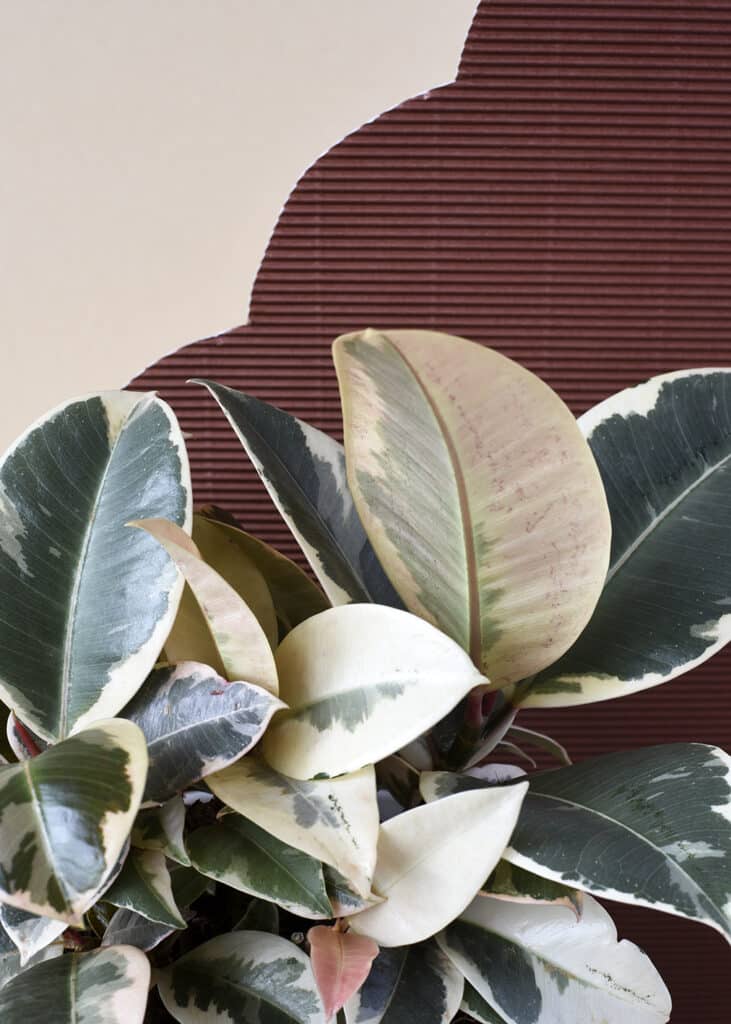
Why it matters: Ficus plants usually want bright, indirect light. In a dim corner they may stretch towards the window, lose lower leaves, and look sparse. Varieties with larger or patterned leaves tend to be especially sensitive to low light.
Best placement: An east- or west-facing window with filtered light works well for many homes. A bit of gentle morning or late-afternoon sun is often fine, but harsh midday sun directly through glass can scorch leaves. Rotate the pot every few weeks so growth stays even and the plant keeps a balanced shape in your room.
5. Cold Drafts and Temperature Fluctuations
Why it matters: Ficus plants generally prefer the same temperature range that feels comfortable to you. Sudden cold drafts from windows, balcony doors, or air conditioning can stress the plant and cause a delayed wave of leaf drop.

How to protect your ficus: Keep it in a room with fairly stable temperatures, roughly in the mid-teens to low-twenties °C. Avoid placing it right next to radiators, AC units, or frequently opened exterior doors. If your ficus stands near a window, make sure leaves are not pressed against cold glass in winter.
6. Poor Soil Quality and Compaction
Why it matters: Dense, compacted soil holds water around the roots for too long and limits fresh air. Over time this can slow growth and increase the risk of root problems, even if you are watering carefully.
Better substrate choices: Use a well-draining indoor mix suited to tropical foliage plants. Many ficus owners like to blend regular potting soil with a coarse component such as perlite, pumice, or orchid bark to create more air pockets. Refresh the substrate every couple of years or whenever you notice water taking a very long time to soak in.
7. Neglecting Pest Inspection
Why it matters: Ficus leaves and stems can attract common houseplant pests like spider mites, scale insects, and mealybugs. Early infestations can be easy to miss but much simpler to manage than a full outbreak.

Simple weekly routine: Once a week, take a closer look at the undersides of leaves, stems, and where leaves meet the trunk. Sticky residue, fine webbing, cotton-like clumps, or tiny bumps can all be signs of pests. Wipe leaves with a soft, damp cloth to remove dust. If you see pests, treat promptly with a suitable product such as insecticidal soap or a neem-based solution and repeat as directed on the label.
Quick Overview: Ficus Care at a Glance
Use this summary as a gentle check-in for your plant’s setup. If something looks off with your ficus, walk through each line and see which factor might need a small adjustment.
| Care factor | Your ficus prefers | Warning signs |
|---|---|---|
| Light | Bright, indirect light near a window | Leggy stems, pale leaves, reaching towards one side |
| Water | Thorough watering when the top soil has dried a bit | Yellowing and drop from overwatering; crispy edges from long dry periods |
| Humidity | Moderate humidity, especially in winter | Brown tips or edges, more leaf drop during the heating season |
| Temperature | Comfortable, draft-free indoor temperatures | Leaves dropping after cold nights, AC drafts, or hot radiators |
| Substrate | Airy, well-draining potting mix | Water sitting on top for a long time, sour smell from the pot |
| Pests | Regular leaf cleaning and quick reactions | Sticky residue, webbing, bumps, or cottony clusters on leaves |
Shop Ficus Plants
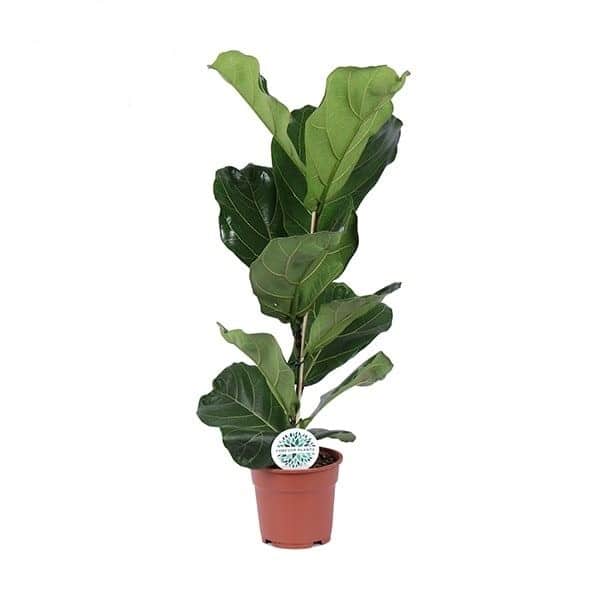
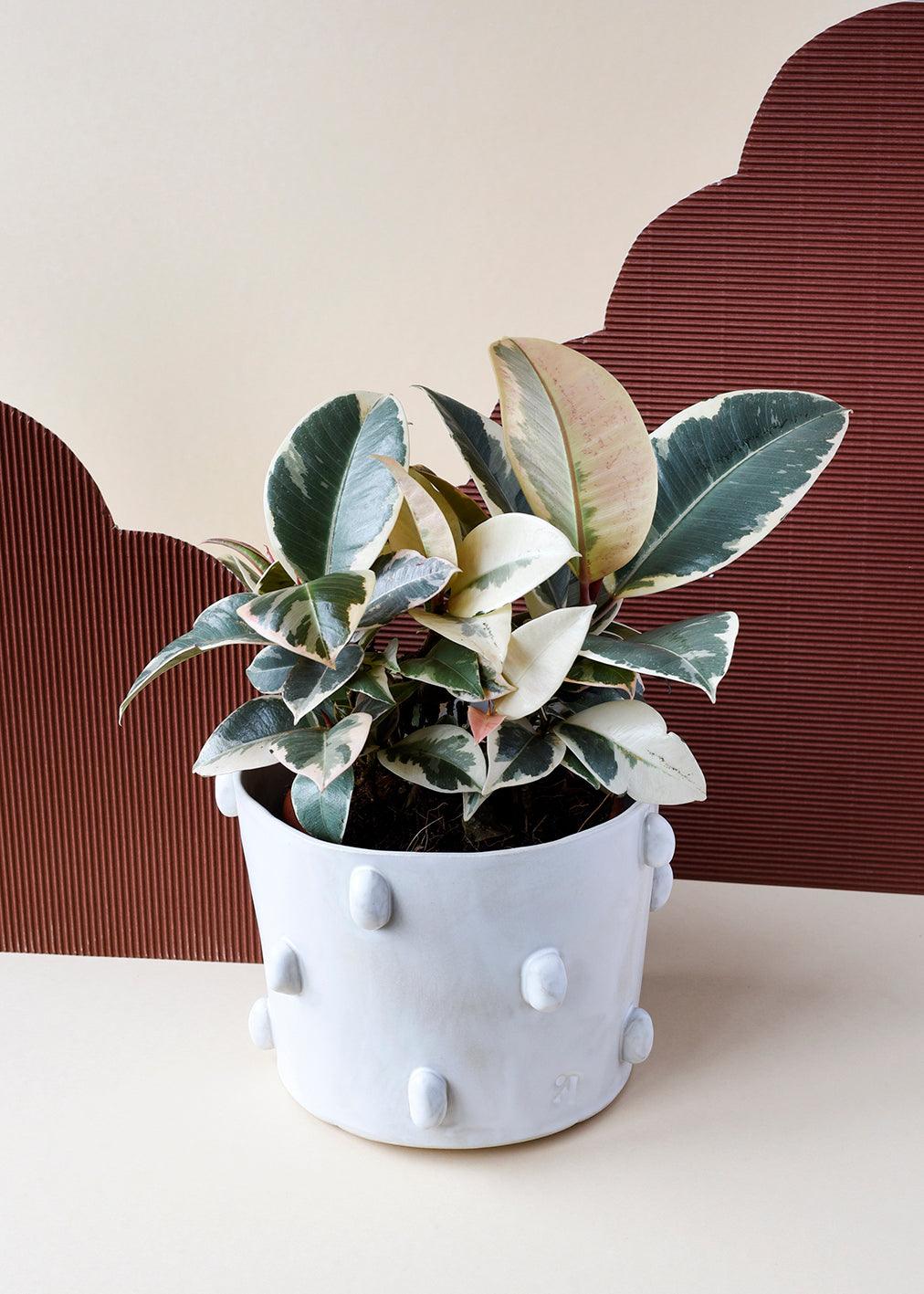
Thinking about bringing a ficus into your space – or giving your current plant a companion? Explore our curated selection of EU-grown ficus plants, from compact rubber plants to statement fiddle-leaf styles, and choose a shape that suits your room and light.

Consistency is the real secret with ficus care. Once your plant has a stable spot, a watering rhythm that suits your home, and a quick weekly check, it often becomes a reliable, architectural green anchor in your space for many years.