Quality Guaranteed

Secure packaging for delicate plants

Shipped to Germany and EU

Queer Owned

Small business in Berlin

20,000+ Customers

★★★★★ 4.87 Avg. Review

chevron_left chevron_right

Pet Friendly Plants

Browse non-toxic houseplants chosen for homes with cats and dogs. From trailing Hoya to compact Prayer Plants and Ceropegia, build a safer green space for curious pets.

This collection brings together non-toxic indoor plants that are considered pet-friendly for cats and dogs, so you can add greenery without as much worry about accidental nibbling. Most prefer bright, indirect light and moderate watering. Always check individual product details and keep plants placed where pets cannot overeat them, as even safe plants may cause mild digestive upset.

Filters

View

Filters

Price

0

99

Plant name

More

Less

Plant Size

More

Less

Light Needs

Water needs

Pet Friendly

Plant Care Level (1)

More filters

Match all

More

Less

Plant Characteristics

More

Less

Quick filters

Pet Friendly Plants

Dischidia nummularia (String of Nickels) Medium

Regular price €29,00 EUR
Regular price Sale price €29,00 EUR
Unit price  per 
Sale

Phlebodium aureum 'Blue Star' Large

Regular price €21,00 EUR
Regular price €25,00 EUR Sale price €21,00 EUR
Unit price €21,00  per  item
Pet Friendly Plants

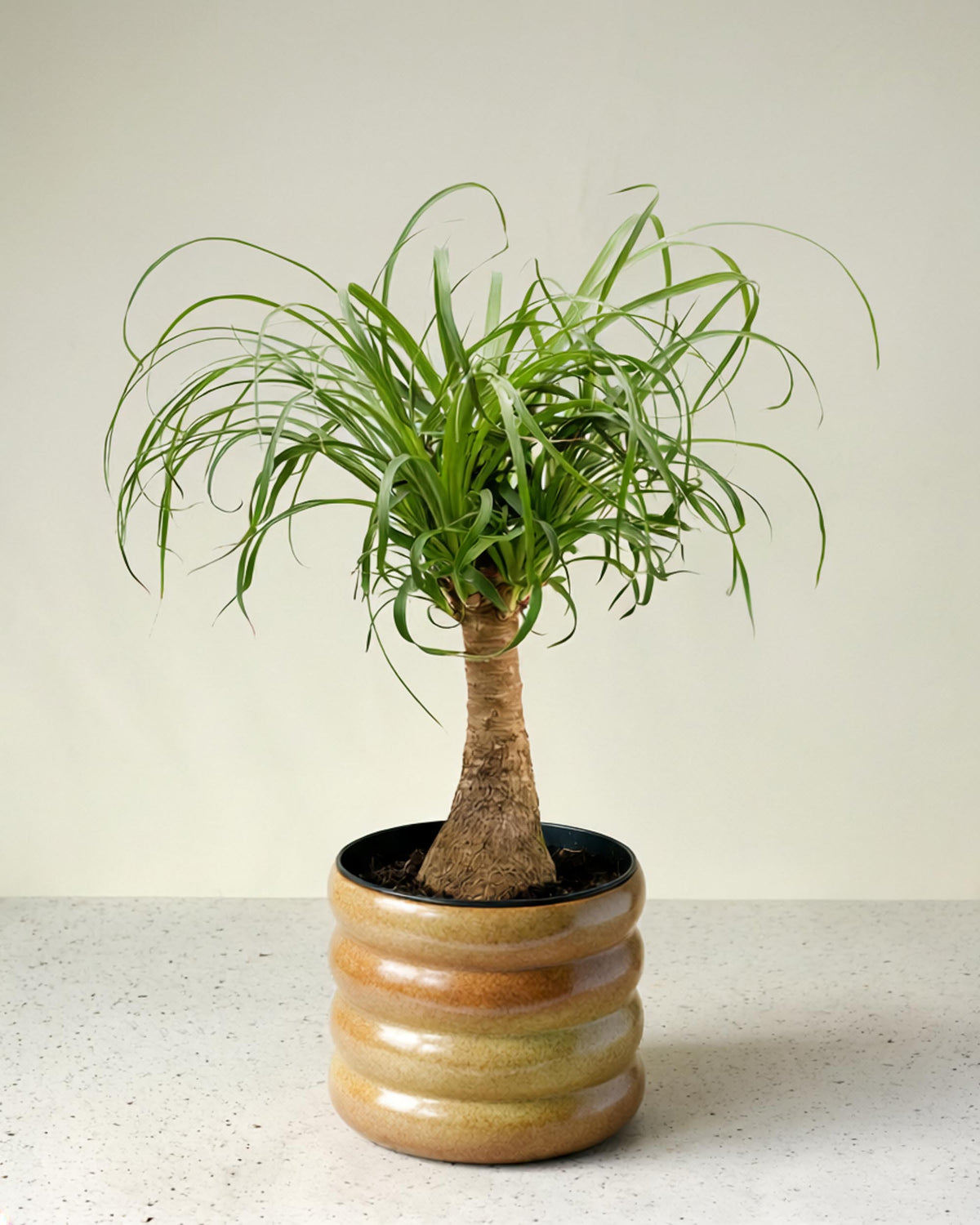
Beaucarnea Recurvata (Ponytail Palm) XL

Regular price €80,00 EUR
Regular price Sale price €80,00 EUR
Unit price  per 
Pet Friendly Plants

Goeppertia (Calathea) crocata ‘Candela’ Large

Regular price €30,00 EUR
Regular price Sale price €30,00 EUR
Unit price  per 
Pet Friendly Plants

Ctenanthe setosa ‘Compactstar’ Large

Regular price €34,00 EUR
Regular price Sale price €34,00 EUR
Unit price  per 
Pet Friendly Plants

Beaucarnea Recurvata (Ponytail Palm) Medium

Regular price €18,00 EUR
Regular price Sale price €18,00 EUR
Unit price  per 
Sold out

Dischidia ovata 'Melon' Medium

Regular price €32,00 EUR
Regular price Sale price €32,00 EUR
Unit price  per 
Sold out

Pet Friendly Plant Set

Regular price €34,00 EUR
Regular price €36,00 EUR Sale price €34,00 EUR
Unit price  per 
Quality Guaranteed

Secure packaging for delicate plants

Shipped to Germany and EU

Queer Owned

Small business in Berlin

20,000+ Customers

★★★★★ 4.87 Avg. Review

chevron_left chevron_right

Buying Guide

Choosing the right pet-friendly plant is about matching your space, your routine, and your animals’ habits.

1. Start with your light Observe the room where the plant will live for a full day. Bright, indirect light near a window suits most plants here, including Hoya, Ceropegia and many Prayer Plants. If the room is noticeably dim, lean toward Maranta and Goeppertia (Calathea) and accept slower growth rather than forcing a sun-loving plant to adapt.

2. Decide where the plant will sit For homes with playful pets, shelves, cabinets and hanging planters are often easier than floor-level pots. Trailing plants such as Hoya, Ceropegia and Epiphyllum look full and graphic when they can spill over the edge, while compact babies like Hypoestes or Macodes petola fit neatly on desks or side tables.

3. Match care level to your routine If you sometimes forget to water, choose plants tagged as “Easy Care” and those with thicker, succulent-like leaves (for example many Hoya and Ceropegia). If you enjoy a weekly care ritual and can offer more humidity, you can add more sensitive foliage like Goeppertia (Calathea) and Maranta.

4. Consider your pets’ behaviour Even with pet-friendly choices, it’s wise to reduce grazing. For kittens, puppies or nibblers, favour hanging or high-placed plants and heavier pots that are harder to knock over. Introduce one or two plants first and watch how your pet reacts before filling the room.

5. Build a layered, coherent look Combine trailing plants with upright foliage in similar colour families (greens, silvers, pink accents) for a calm, cohesive feel. Use baby plants to fill gaps or to create small vignettes in rooms that your pets only occasionally visit.


Common questions

Are all plants in this collection completely safe for pets?

Plants in this collection are chosen because they are generally classified as non-toxic to cats and dogs by trusted sources.

However, individual sensitivities can vary and eating large amounts of any plant may still cause mild stomach upset.

We recommend checking the product page for each plant, introducing new plants gradually, and keeping them where pets cannot overeat them.

Which pet-friendly plants are best for beginners or busy households?

If you are new to plants or often short on time, look for varieties marked as “Easy Care” and those with thicker, more succulent-like leaves.

Many Hoya and Ceropegia, as well as some compact baby plants, are relatively forgiving of the occasional missed watering as long as they have enough light and are not kept constantly wet.

Can I keep pet-friendly plants in low-light rooms?

Some pet-friendly plants will tolerate lower light, but most still do best with bright, indirect light.

In lower light, expect slower growth and softer colours.

Prayer Plants and some Goeppertia (Calathea) often cope better with less intense light than many succulents or Hoya.

If a room feels very dim all day, consider placing plants closer to a window or using supplemental lighting.

What should I do if my cat or dog chews on a pet-friendly plant?

Even with non-toxic plants, it is best to discourage chewing.

If your pet nibbles on a plant, remove any remaining pieces from the area, offer fresh water, and watch for signs of discomfort.

Mild stomach upset can occur from eating leaves or soil.

If your pet shows unusual behaviour or persistent symptoms, contact a vet and take the plant label or product link with you for reference.

How often should I water pet-friendly houseplants in this collection?

Water needs vary by species, but most plants here prefer a rhythm where the top layer of soil dries slightly between waterings.

Thicker-leaved, succulent types like many Hoya and Ceropegia usually need less frequent watering than tropical foliage such as Prayer Plants and Goeppertia.

Always check the soil with your finger rather than following a fixed schedule and adjust if your home is very warm, dry or shaded.