


PlantCircle — For the true plant lovers.
Top 5 Low-Light Houseplants That Thrive in Darker Corners
Not every home has endless window space. These reliable, easy plants to care for can handle lower light and still keep your rooms green, lush, and inviting.
These green friends will grow even in the darker corners of your home
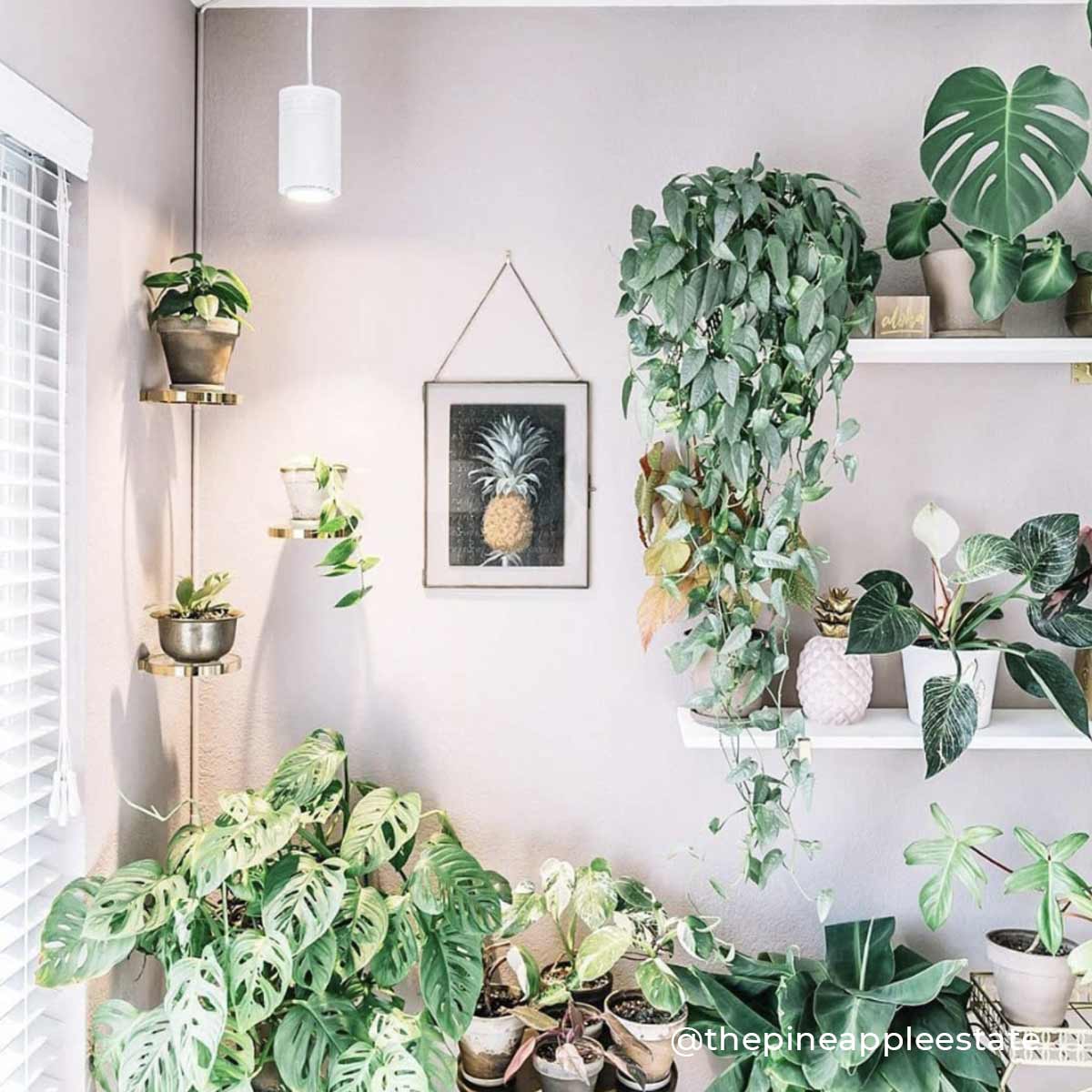
If you’re a plant lover, you already know the struggle: the best spots in front of the window fill up fast. Suddenly every new plant is competing for the same slice of bright light. The good news? Plenty of houseplants in Germany can tolerate low-light conditions and still look gorgeous— perfect for hallways, shelves, bedrooms, and offices.
In this guide, we’re focusing on five tried-and-true plant types that are famous for low-light tolerance: Scindapsus, Sansevieria, Zamioculcas zamiifolia (ZZ plant), Epipremnum aureum (Pothos), and Aglaonema. If you want to browse options right away, start here: low-light houseplants collection.
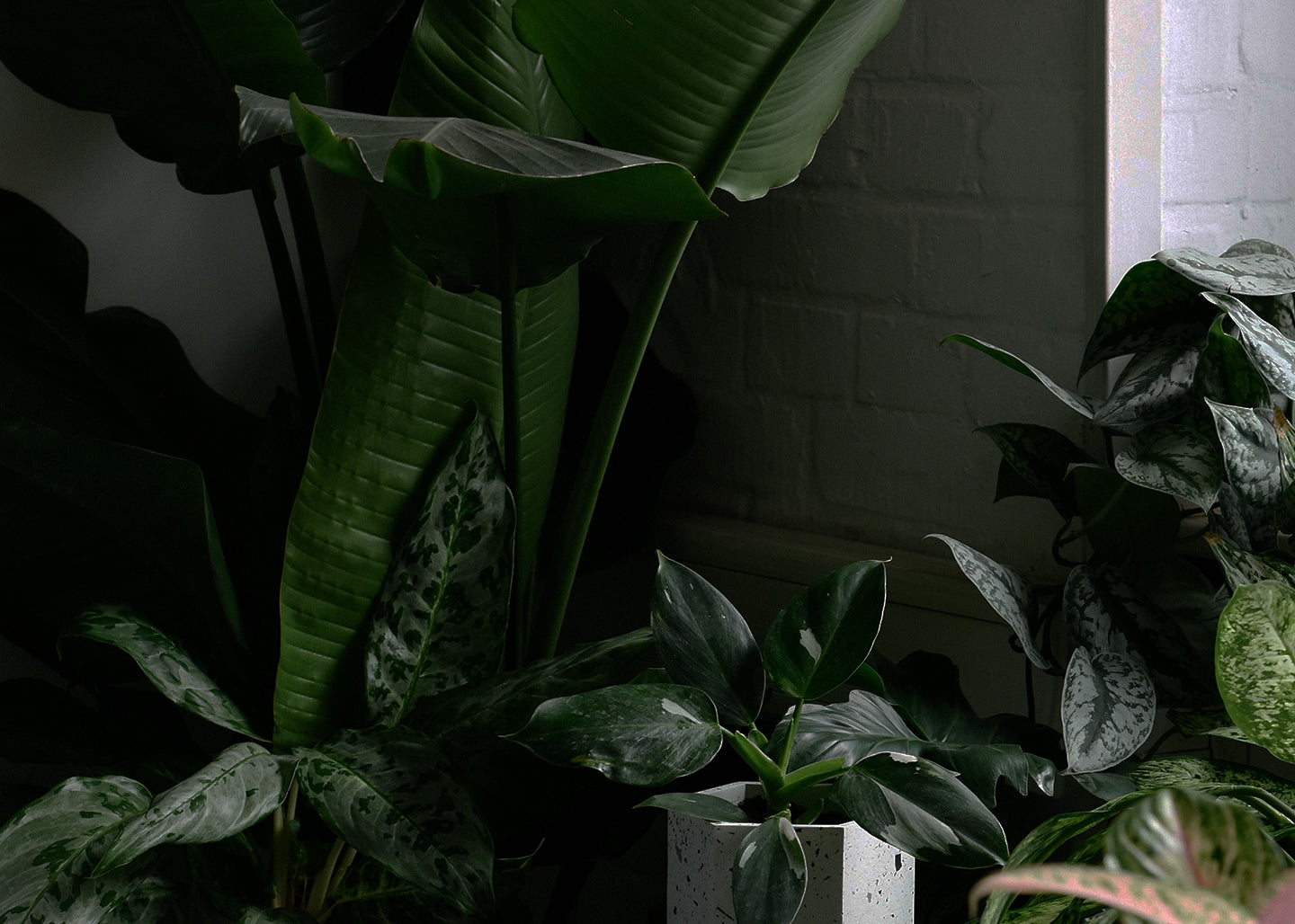
Quick definition: “Low light” usually means you can comfortably read a book in the room during the day, but the plant is not sitting in direct sun. Think: a few meters away from a window, or in a room with smaller windows. (True darkness isn’t plant-friendly—if it feels cave-like, add a small grow light.)
Our top 5 low-light houseplants
1) Scindapsus (the low-light trailing superstar)
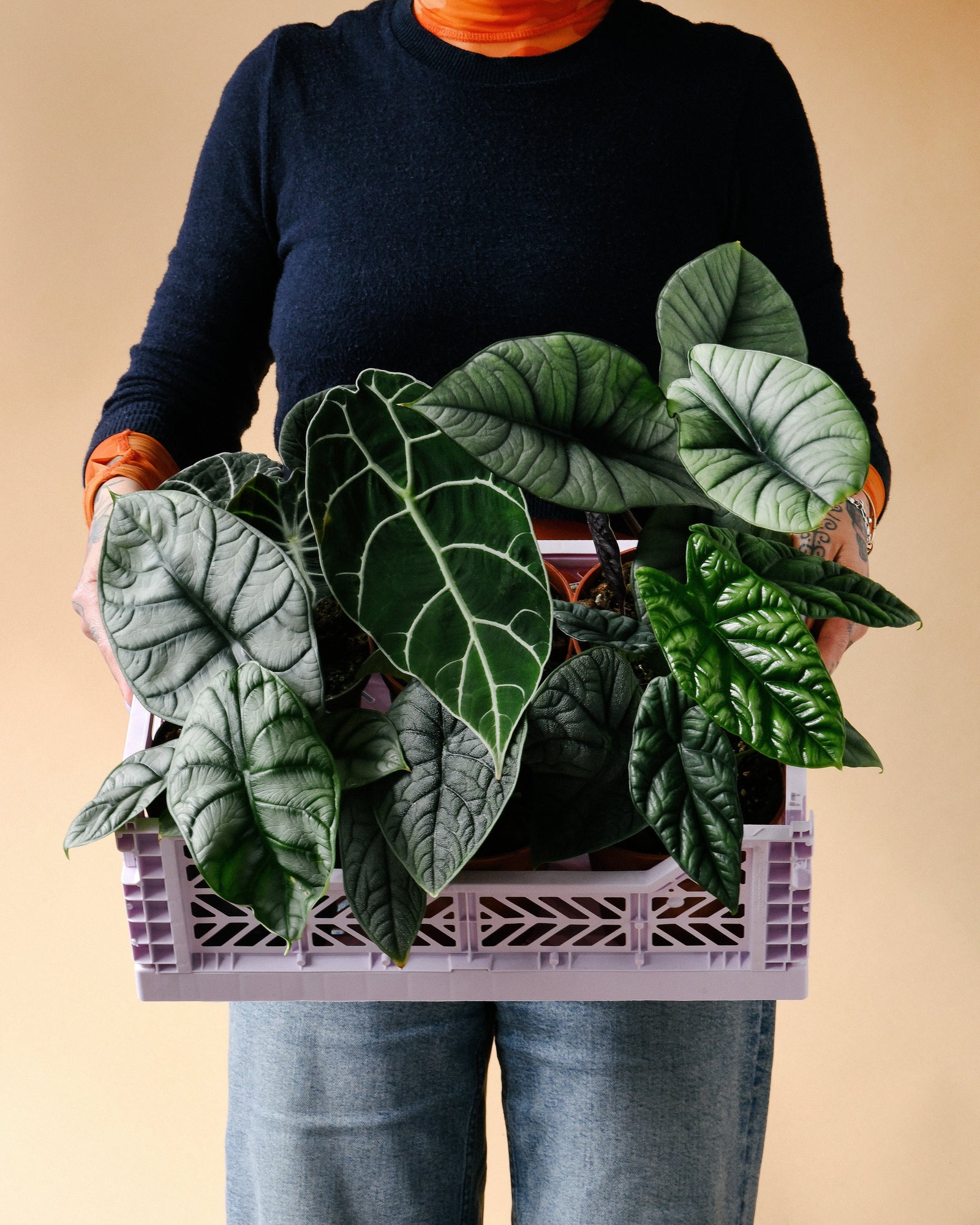
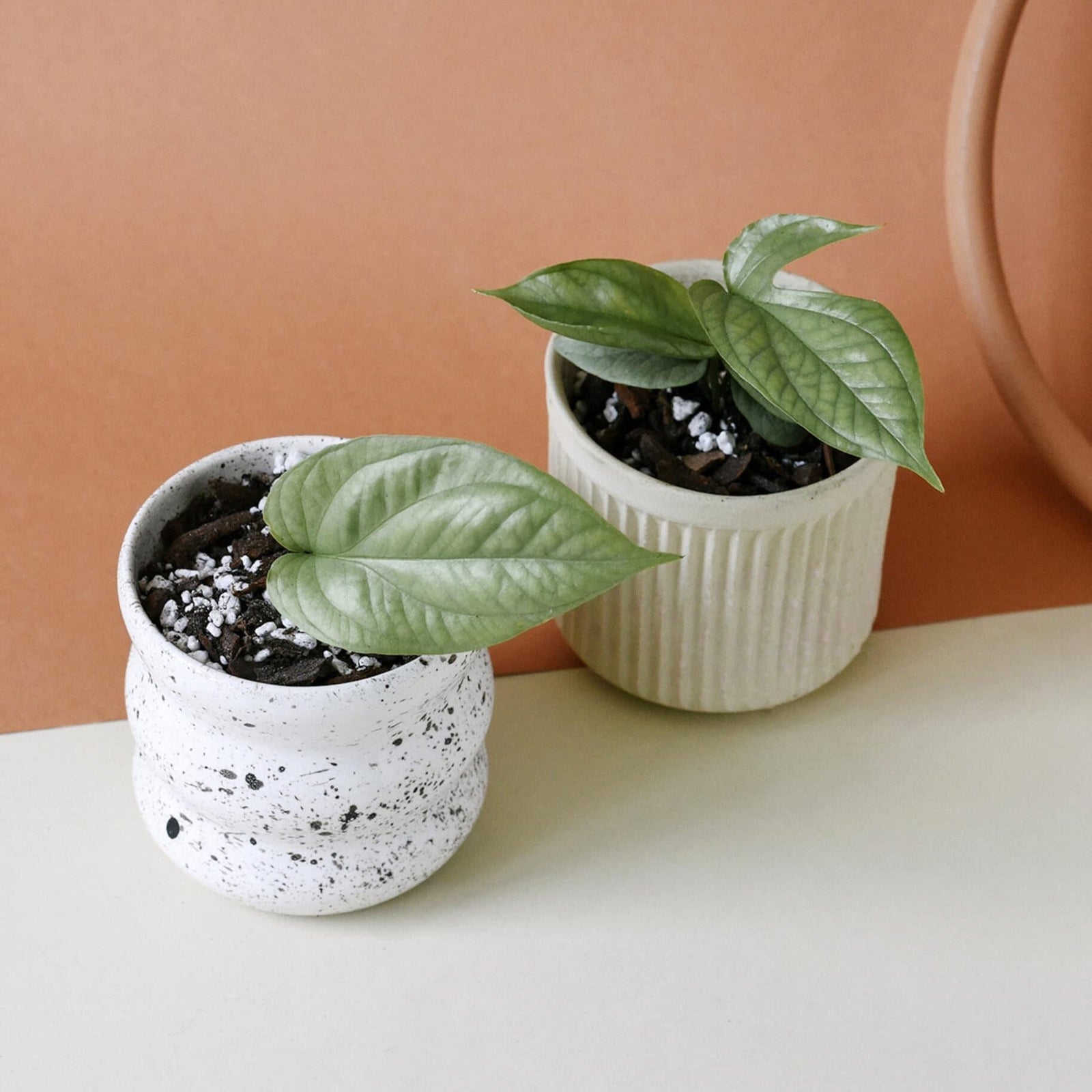
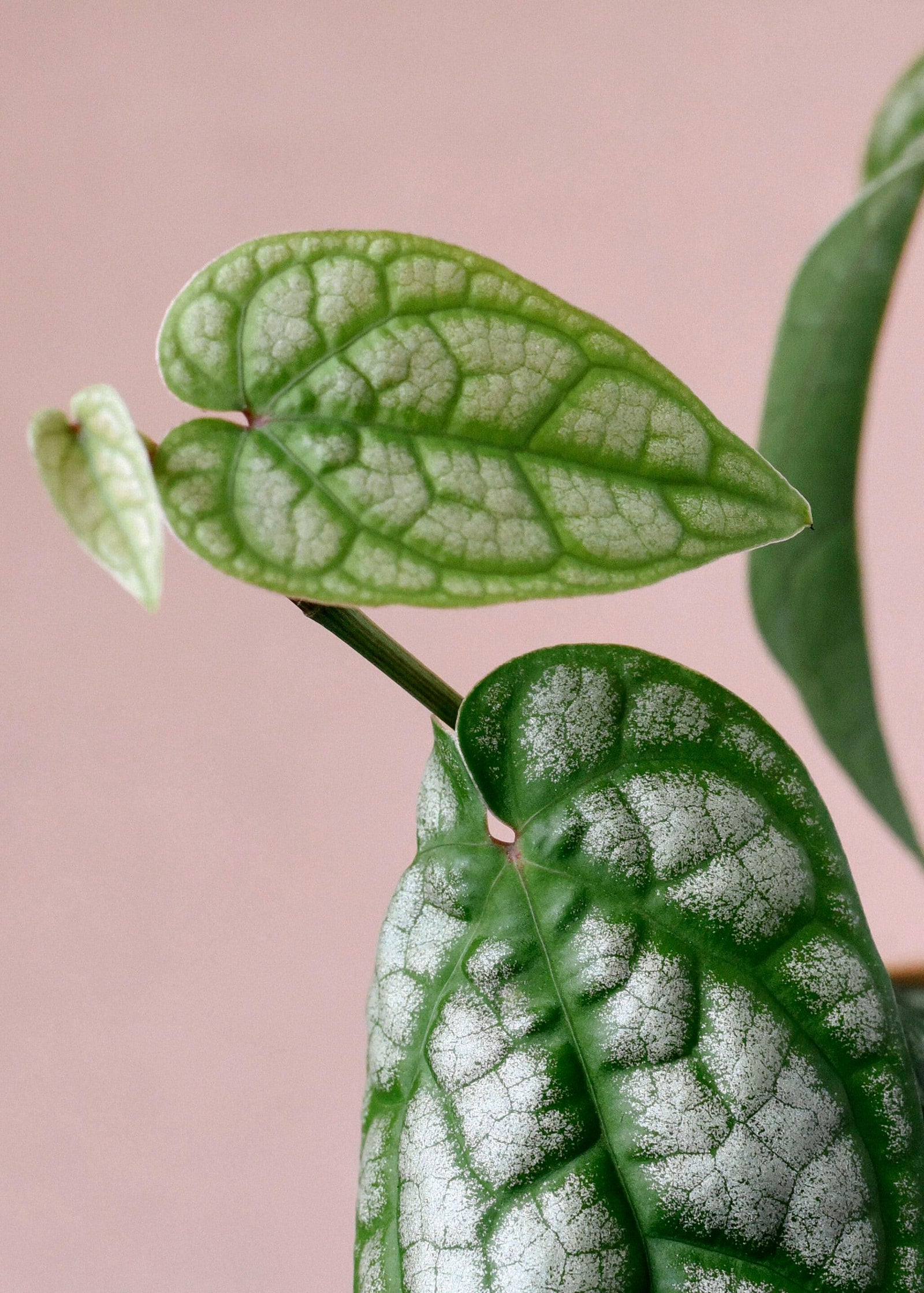
Scindapsus are the underrated heroes of low-light living. Their velvety leaves—often deep green with silvery patterns—look premium in any interior, and they’re famously adaptable. If you want a plant that can trail from a shelf or climb a moss pole without demanding a bright window, Scindapsus is a smart pick.
Why it works in low light: it stays attractive even when growth slows down, and the foliage still holds color well compared to fussier rare-plants. Explore our range of Scindapsus plants here or browse more options in our low-light houseplants collection.


2) Sansevieria (Snake Plant / “Mother-in-law’s tongue”)
There’s a reason you see Sansevieria in shops, offices, and low-light corners everywhere: this plant is exceptionally tolerant and extremely forgiving. It can handle low light, irregular watering, and busy schedules—making it one of the best “easy plants to care for” options.
Low-light Plant-Care note: In darker spots, Sansevieria uses less water. Let the soil dry out more thoroughly and avoid “just-in-case” watering. If you want variety, it comes in many shapes and colors, like Sansevieria Aubrytniana Metallica or Sansevieria Trifasciata ‘Black Coral’.
Shopping for more low-light options? Start with our curated low-light houseplants selection for plants-delivered to your door.

3) Zamioculcas zamiifolia (ZZ Plant)
If low light had a crowned champion, it would be the ZZ plant. Zamioculcas zamiifolia stays composed and glossy even when your home doesn’t offer much natural light. It’s also slow-growing, which is a blessing if you want a neat, long-term plant that won’t outgrow its spot quickly.
Looking for a statement version to fill space? Consider our Zamioculcas zamiifolia XL. In low light, keep watering conservative: ZZ plants store water in their rhizomes and prefer drying out between waterings.
Want more choices like this for low-light rooms? Browse the full low-light houseplants collection.

4) Epipremnum aureum (Pothos)
Pothos is the plant that converts “black thumbs” into confident plant parents. Epipremnum aureum is easy-going, adaptable, and can grow trailing or climbing depending on your style. It’s also one of the best choices if you want a fast way to make a space look greener—especially in rooms that don’t get much sun.
If “Golden Pothos” feels too common, you still have great options. We love: Epipremnum ‘Marble Queen’ for subtle pattern lovers, and Neon Pothos for bold, bright color. (And if you’re building a whole low-light corner, our low-light houseplants collection is the best place to browse.)

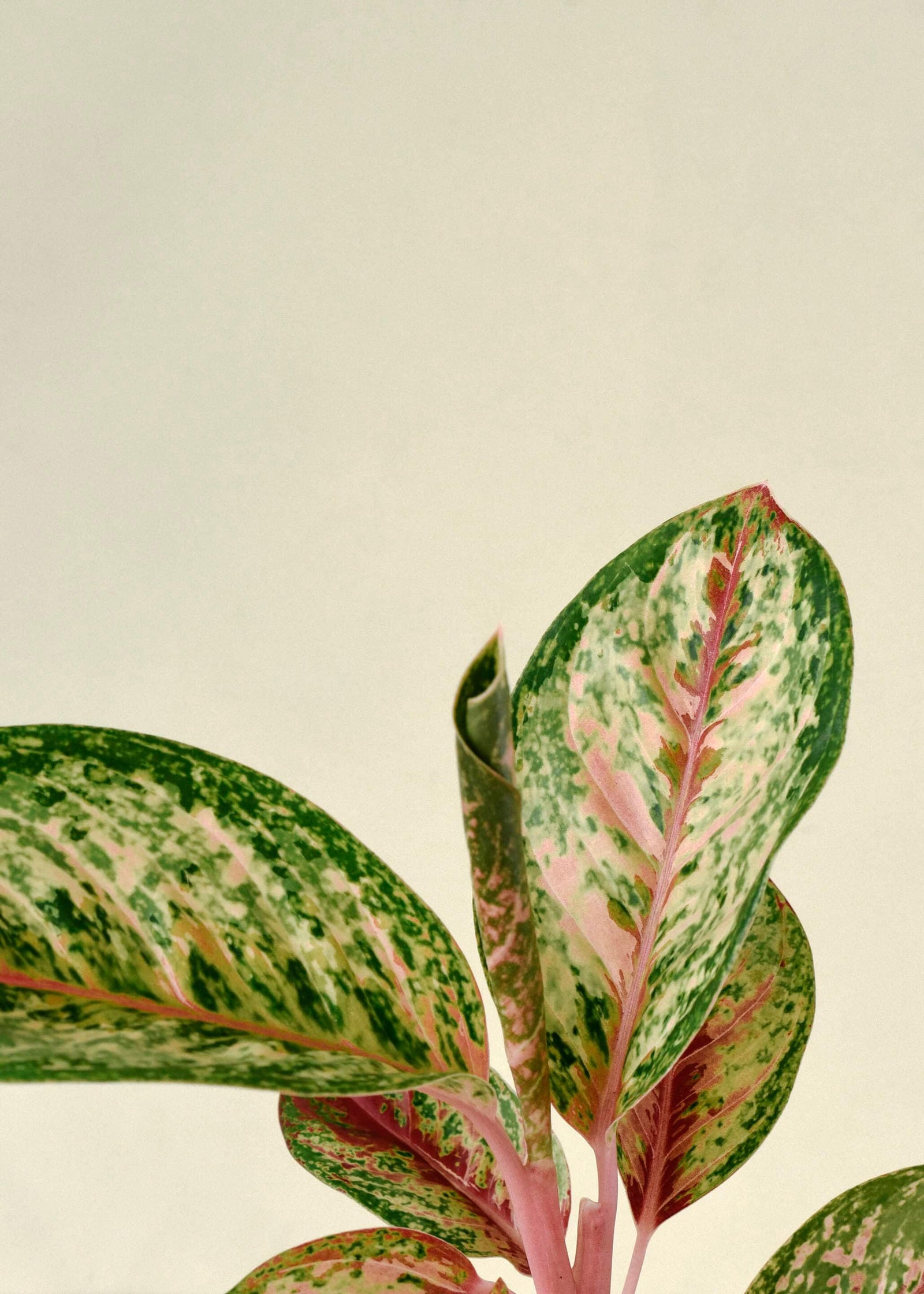
5) Aglaonema (Chinese Evergreen)
Aglaonema is the definition of steady and dependable. It stays compact, looks tidy, and handles low light with confidence—especially lighter or more silvery varieties. If you want a plant that looks “put together” without demanding constant attention, Aglaonema is a top-tier pick.
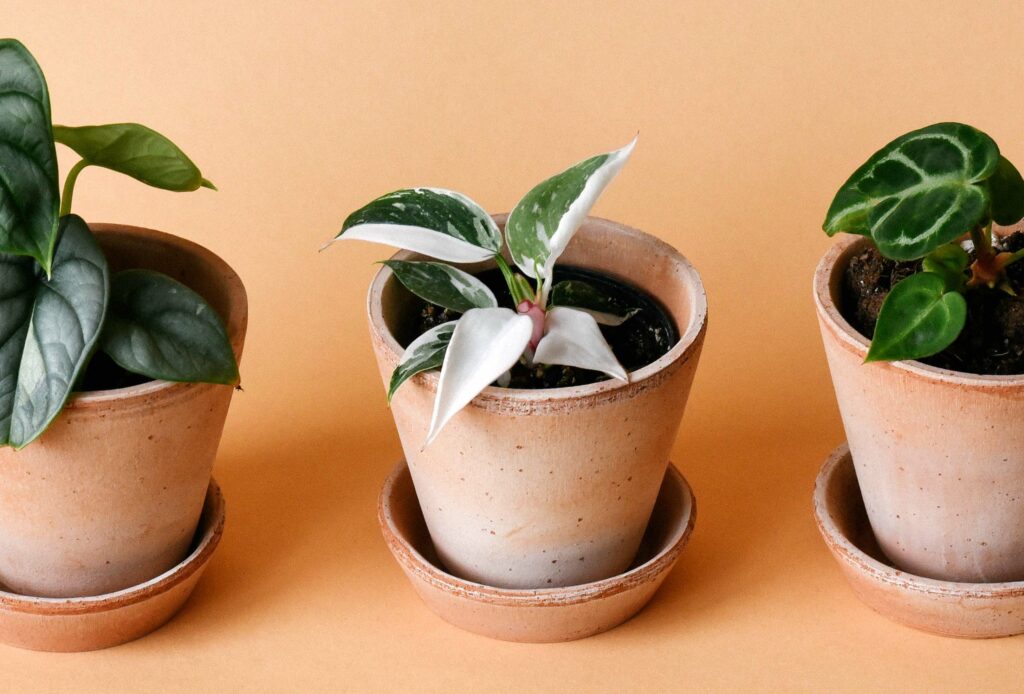
We recommend starting with brighter-leaf varieties such as Aglaonema ‘White Diamond’, and exploring our range of Aglaonema for more colors and patterns. For more plants that match this vibe, browse our low-light houseplants collection.

Low-light Plant-Care tips that make a big difference
- Water less than you think: In lower light, plants use water more slowly. Let soil dry appropriately and avoid “little sips” too often.
- Rotate monthly: Turning your plant a quarter turn helps it grow evenly and prevents leaning.
- Clean the leaves: Dust blocks light. A gentle wipe helps low-light plants photosynthesize more efficiently.
- Expect slower growth: Low light often means slower growth (that’s normal). Healthy leaves matter more than speed.
- Choose the right corner: Bright shade beats deep shade. A spot that gets daylight, but no harsh sun, is ideal.
Ready to build your own low-light jungle, or looking for plants as a gift? Explore our curated selection of low-light houseplants — high quality rare house plants and easy classics, plants-delivered across Germany.
FAQ: Low-light houseplants
What counts as “low light” for houseplants?
Low light usually means the plant is not in direct sun and is placed away from windows—think several steps back into a room. If you can comfortably see and move around during the day without switching lights on, many low-light tolerant plants can do well.
Which is the best low-light plant for beginners?
For most homes, ZZ plant and Sansevieria are the easiest plants to care for in low light. They’re forgiving, slow-growing, and don’t demand frequent watering.
Why are my low-light plants growing slowly?
Slower growth is normal in low light. Focus on overall health: firm leaves, stable color, and no mushy stems. If you want faster growth, move the plant a little closer to a window (still out of direct sun).
Where can I shop low-light houseplants online?
You can browse PlantCircle’s curated selection here: low-light houseplants.