

Secure packaging for delicate plants
Small business in Berlin
★★★★★ 4.87 Avg. Review


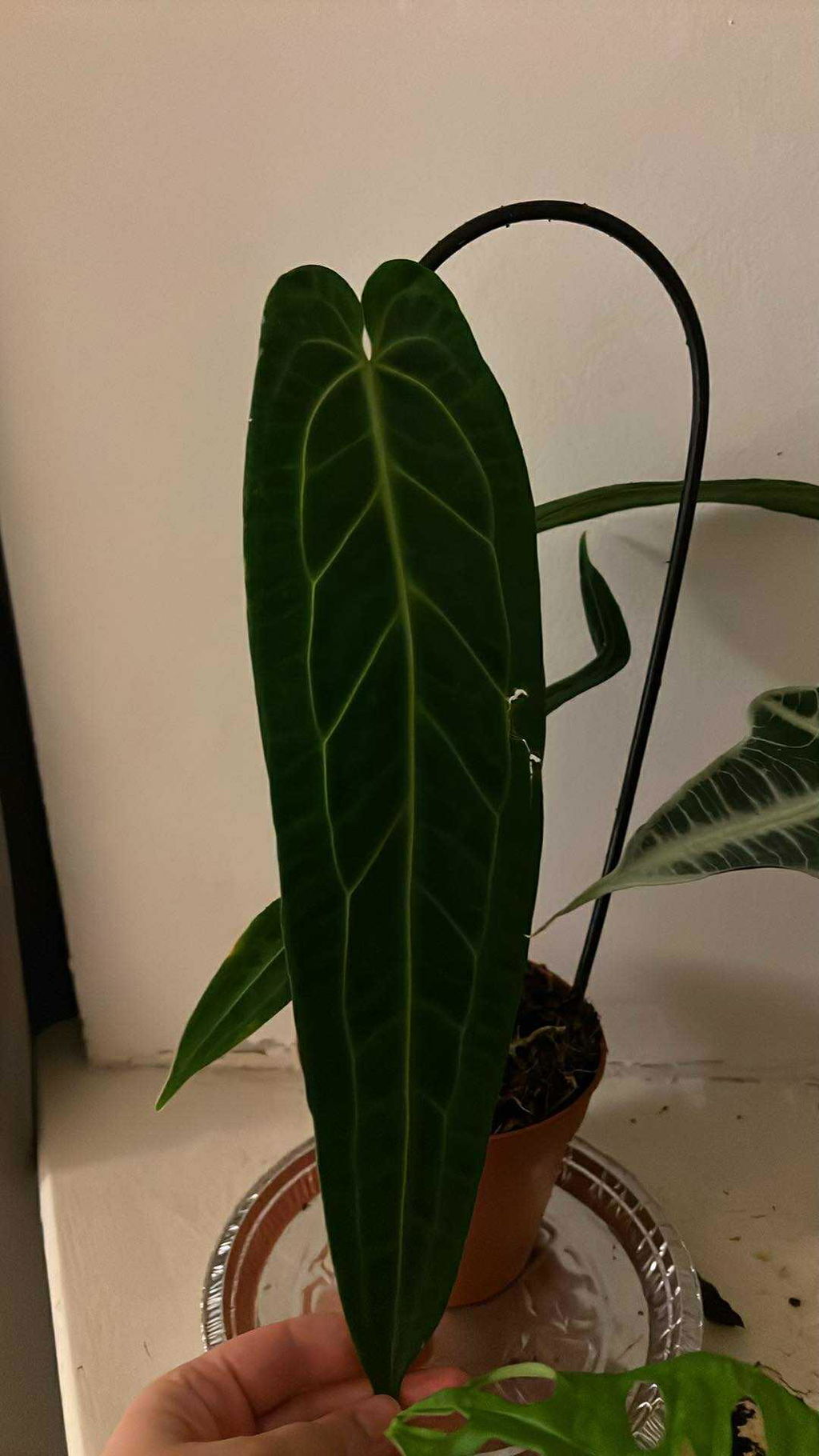
Anthurium 'Queen of Hearts'
Anthurium 'Queen of Hearts' is an upright, compact foliage Anthurium cultivar noted for its heart-shaped leaves with a velvety texture and deep burgundy tones. It grows as a moderate, upright indoor plant and suits collectors and apartment owners seeking a striking foliage piece. Important limitation: not pet-safe — contains insoluble calcium oxalate crystals that can irritate if chewed.
- height Height
- 35 cm
- swap_horiz Pot Size
- 12 cm
- volunteer_activism Care
- Medium
- wb_sunny Light Needs
- Bright indirect light
- pets Not Pet Friendly
- water_drop Watering Needs
- Medium
check_circle In Stock
Quick care table
Plant care at a glance
| Care factor | Anthurium 'Queen of Hearts' |
|---|---|
| Botanical name | Anthurium (hybrid) 'Queen of Hearts' |
| Common name | Anthurium 'Queen of Hearts' and Queen of Hearts (Anthurium) |
| Difficulty | Medium |
| Light | Bright indirect light |
| Humidity | Medium |
| Pet safe | No, toxic if ingested |
| Best for | Kitchen, Living room, Hallway, Office, Bedroom, and Indoors |
Anthurium 'Queen of Hearts' — Dark, Velvety Heart-Shaped Leaves
This cultivar shows dense, heart-shaped foliage with a velvety surface and prominent veining. Leaves develop rich, dark burgundy to near-black tones that read as deep colour blocks in cooler light; the overall silhouette is upright and compact, producing an elegant, foliage-forward visual effect on shelves and tabletops.
An upright, foliage-type Anthurium hybrid, it grows as a moderate, non-climbing plant rather than a vine. Young nursery specimens are sold as single crowns and will thicken into a fuller clump with time; propagation is usually by division at repotting. Growth is steady rather than rapid, so the leaf form and colour remain the main ornamental feature rather than dramatic seasonal changes.
In practical terms this plant suits apartment and indoor displays but has clear care expectations: it prefers higher humidity and bright, indirect light and is sensitive to direct sun (leaf scorch) and to overwatering. One important trade-off to note is toxicity — it contains insoluble calcium oxalate crystals, so it is not pet-safe and can irritate if chewed or ingested. Pests such as spider mites and mealybugs are occasional concerns for owners.
Available in Baby and Medium size options, the smallest is useful as a grow-on or desk plant and fits small shelves, while the Medium gives a fuller display for a shelf or side table and provides greater visual impact.
Shipping Information
expand_more
- All orders are subject to a €25 minimum order value requirement
- All orders are hand-picked and shipped from the Netherlands
- Plastic-free materials when possible
- Orders are usually processed in 1-3 working days and shipped via DPD and their international partner carriers
- At times, orders may take up to 7 days to ship
- Orders to Germany Free shipping over €60. Free shipping all other EU countries* at €100 (Except Malta and Cyprus)
- Shipping costs are calculated at checkout based on delivery country:
See our FAQ and Shipping Guarantee for any further Questions!

Size: Medium - P12 H35


Plant questions, answered
Is Anthurium 'Queen of Hearts' safe for pets and children?
expand_more
No, Anthurium 'Queen of Hearts' is not pet-safe. The plant contains insoluble calcium oxalate crystals that can cause oral irritation, drooling, vomiting and possible swelling if chewed or ingested. Keep Anthurium 'Queen of Hearts' well out of reach of children and animals and avoid placing it where curious pets can access the foliage.
Can I place Anthurium 'Queen of Hearts' in direct sunlight?
expand_more
No, avoid strong direct sunlight for Anthurium 'Queen of Hearts'. This cultivar prefers bright, indirect light and sudden exposure to strong sun can cause leaf scorch. Place it near a north- or east-facing window or a bright spot with filtered light to protect the velvety leaves.
How often should I repot or divide Anthurium 'Queen of Hearts'?
expand_more
Usually, repot Anthurium 'Queen of Hearts' every 1–2 years or when it becomes root-bound. It is a moderate, upright grower and can be propagated by division during repotting; each division should include at least one growth point and some roots. Check the pot when the plant looks crowded and repot as needed.
Does Anthurium 'Queen of Hearts' need high humidity?
expand_more
Usually, Anthurium 'Queen of Hearts' prefers high humidity because it is a tropical houseplant. It benefits from a humidifier, pebble tray, or grouping with other plants, though behaviour varies with indoor climates. Maintaining higher humidity helps keep the leaves healthy and reduces stress-related leaf problems.
What pests or leaf problems should I watch for with Anthurium 'Queen of Hearts'?
expand_more
Usually, the main issues are overwatering, spider mites and mealybugs. Overwatering can cause yellowing leaves and root problems, while direct sunlight causes leaf scorch; pests like spider mites and mealybugs can also appear. Inspect foliage regularly, adjust watering and light, and treat pests promptly to protect Anthurium 'Queen of Hearts'.
What size will I receive and where will it fit in my home?
expand_more
Usually, you receive the size variant you choose; the Medium (P12 H35) is currently available while Baby (P6 H15) is out of stock. The Medium (12 cm pot, ~35 cm height) suits a shelf, side table or desk; the Baby (6 cm pot, ~15 cm) would fit a small shelf or desk when available.
Plant care guide
Light
expand_more
Water
expand_more
Soil and repotting
expand_more
Humidity and temperature
expand_more
Feeding
expand_more
Growth and support
expand_more
Common concerns
expand_more
Overwatering (yellowing leaves, root problems); pests such as spider mites and mealybugs; leaf scorch from strong direct sunlight or sudden exposure to bright light.
Pet safety
expand_more
You might also like
Super healthy plant
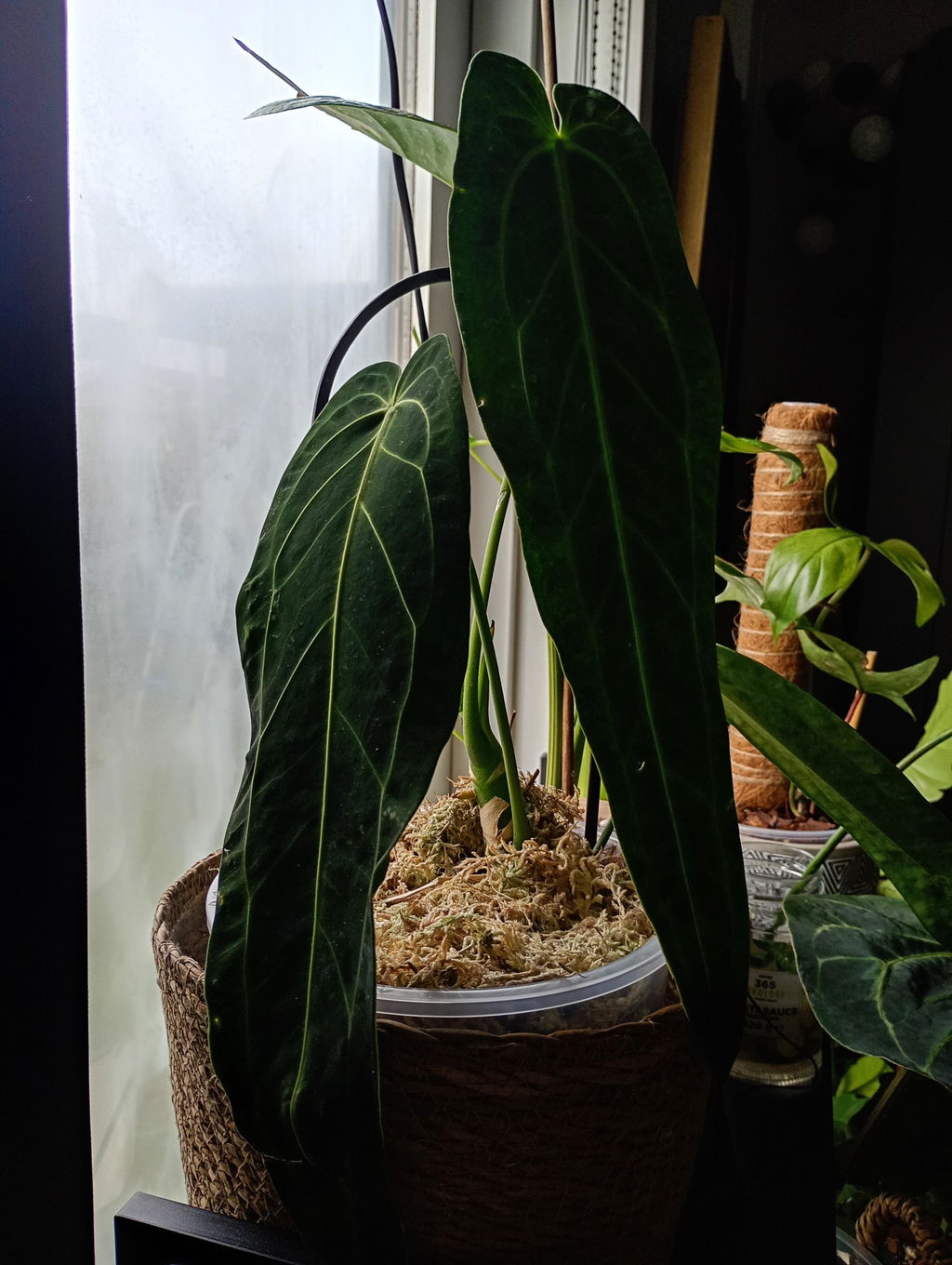
Great quality and very healthy flowers
Would have given 5 stars but 2 of the largest leaves were damaged ( not in transit) but the overall plant looks healthy and promising
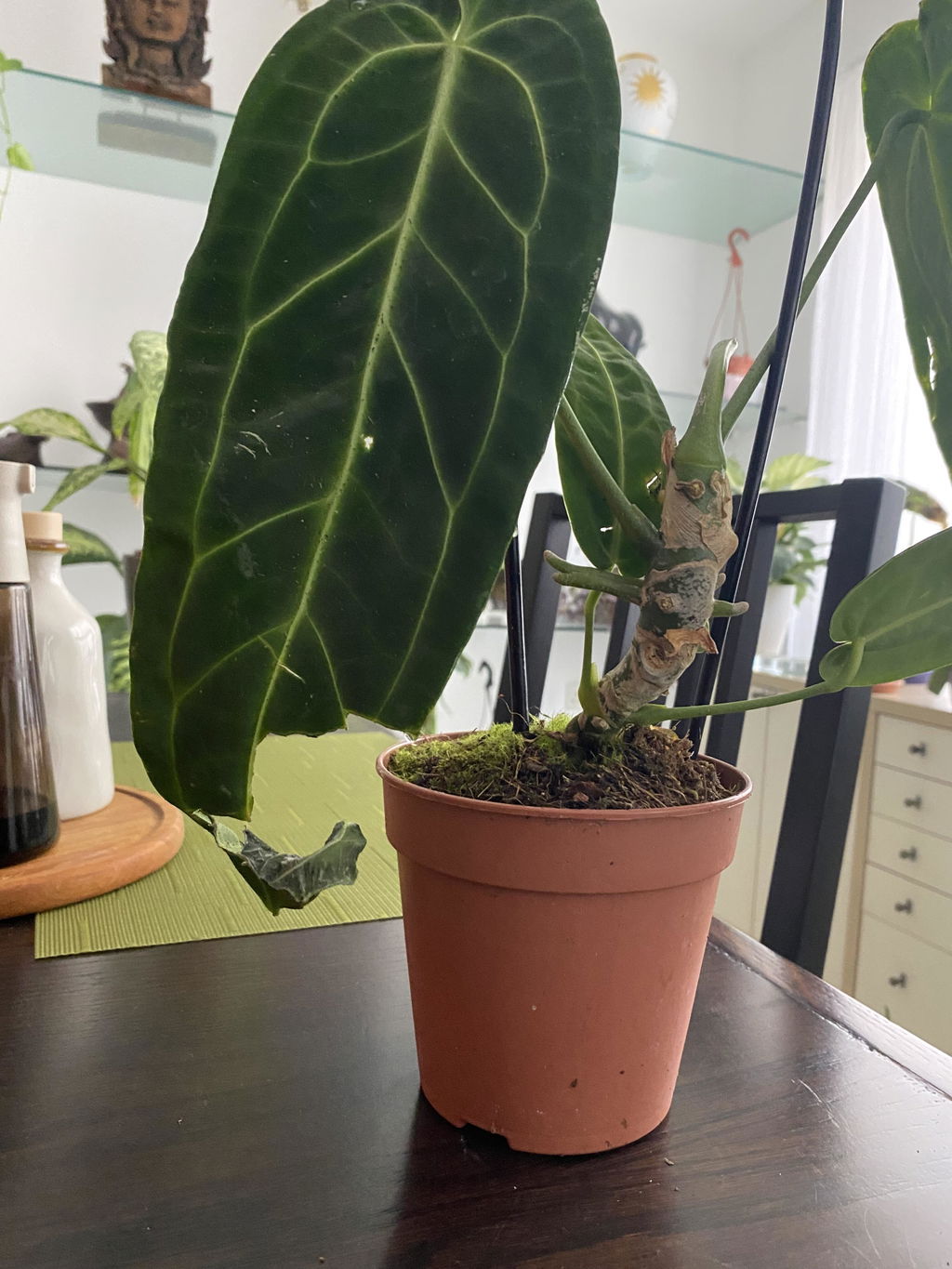
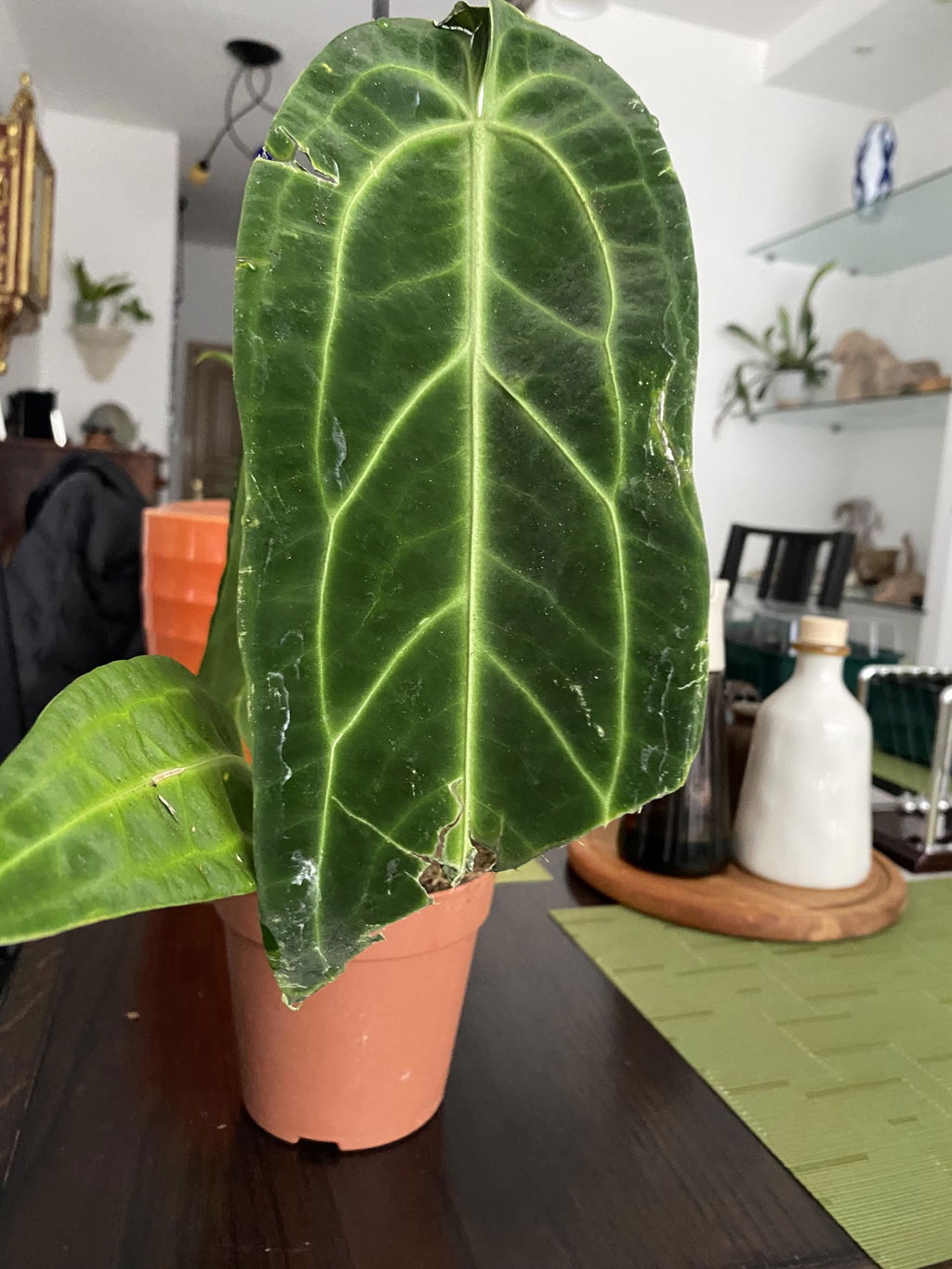
Very nice little baby. No signs of pests as of yet.
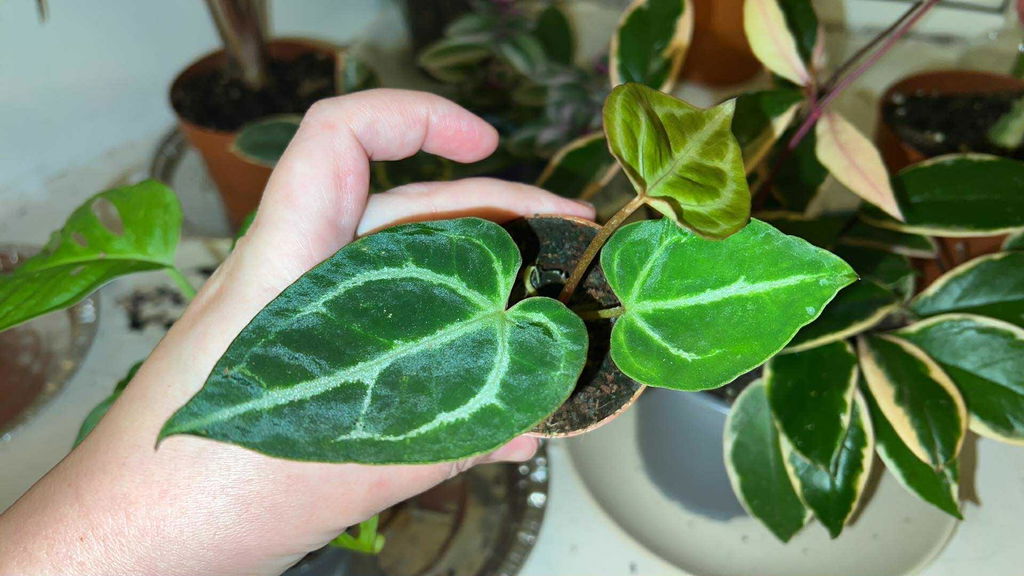
One leaf came damaged due to packaging. Still happy about the order! Will order again but pleas review your packaging