

Secure packaging for delicate plants
Small business in Berlin
★★★★★ 4.87 Avg. Review


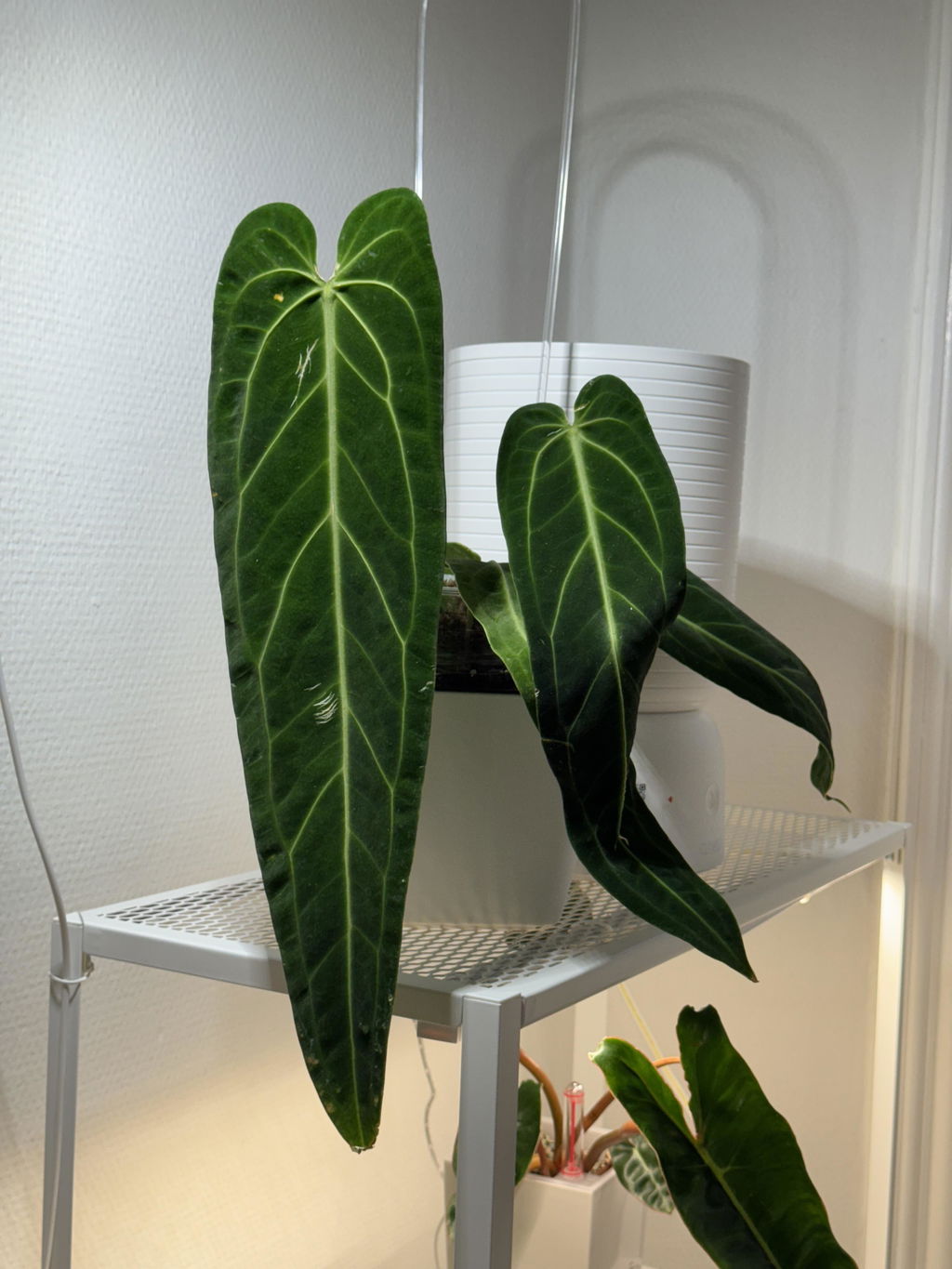
Anthurium Warocqueanum (Queen Anthurium)
Anthurium Warocqueanum (Queen Anthurium) is a tropical epiphytic aroid noted for extremely elongated, velvety, pendulous leaves with conspicuous pale longitudinal veins and is an established species in horticulture. Indoors it prefers mounting or a very open, airy mix and a humid, very bright indirect-light microclimate, so it suits collectors or experienced growers who can maintain high humidity and avoid waterlogged substrates; it is toxic if ingested.
- height Height
- 45 cm
- swap_horiz Pot Size
- 12 cm
- volunteer_activism Care
- Medium
- wb_sunny Light Needs
- Bright indirect light
- pets Not Pet Friendly
- water_drop Watering Needs
- Medium
check_circle In Stock
Quick care table
Plant care at a glance
- Botanical name
- Anthurium warocqueanum
- Common name
- Queen Anthurium, Queen of Anthuriums, and Anthurium warocqueanum
- Difficulty
- Medium
- Light
- Bright indirect light
- Water
- High
- Humidity
- Medium
- Pet safe
- No, toxic if ingested
- Best for
- Kitchen, Living room, Hallway, Office, and Bedroom
Extremely elongated velvety leaves and silver venation
Long, narrowly oblong, strap-like leaves form the immediate visual signature: a plush, velvety adaxial surface shot through with conspicuous pale/silver longitudinal veins. The overall silhouette is arching to pendulous—long blades that drape rather than hold rigidly upright—so the display reads as elegant, narrow and textural. Compared with Anthurium crystallinum, the blades are much longer and narrower with strap-like venation rather than the broader, heart-shaped, reticulate-veined leaves of crystallinum.
A slow-developing, single-stemmed rosette, juvenile foliage is shorter and paler while mature leaves lengthen substantially and the silver venation becomes more pronounced. Mature plants produce the characteristic long, hanging leaves that benefit from mounting or a very open substrate to mirror their epiphytic habit. Fenestration does not feature in this species; the interest is in length, texture and venation rather than leaf holes.
In practical ownership expect a specialist-specimen mindset: steady, slow growth, a requirement for consistently high humidity and very airy root conditions, and sensitivity to dense, water-retentive mixes. One clear trade-off is that great visual payoff takes time and stable, humid conditions; the plant is also toxic if ingested, so placement matters around pets and children. Collector interest is longstanding—this is an established species in cultivation since the 19th century and often stocked by specialist aroid growers.
Best suited to humid cabinets, greenhouse-style displays or rooms where leaves can drape; choose Baby for a compact grow-on option, Medium for an earlier fuller presence on a shelf or side table, or XL where space and humidity allow a larger, more dramatic drape.
Shipping Information
expand_more
- All orders are subject to a €25 minimum order value requirement
- All orders are hand-picked and shipped from the Netherlands
- Plastic-free materials when possible
- Orders are usually processed in 1-3 working days and shipped via DPD and their international partner carriers
- At times, orders may take up to 7 days to ship
- Orders to Germany Free shipping over €60. Free shipping all other EU countries* at €100 (Except Malta and Cyprus)
- Shipping costs are calculated at checkout based on delivery country:
See our FAQ and Shipping Guarantee for any further Questions!

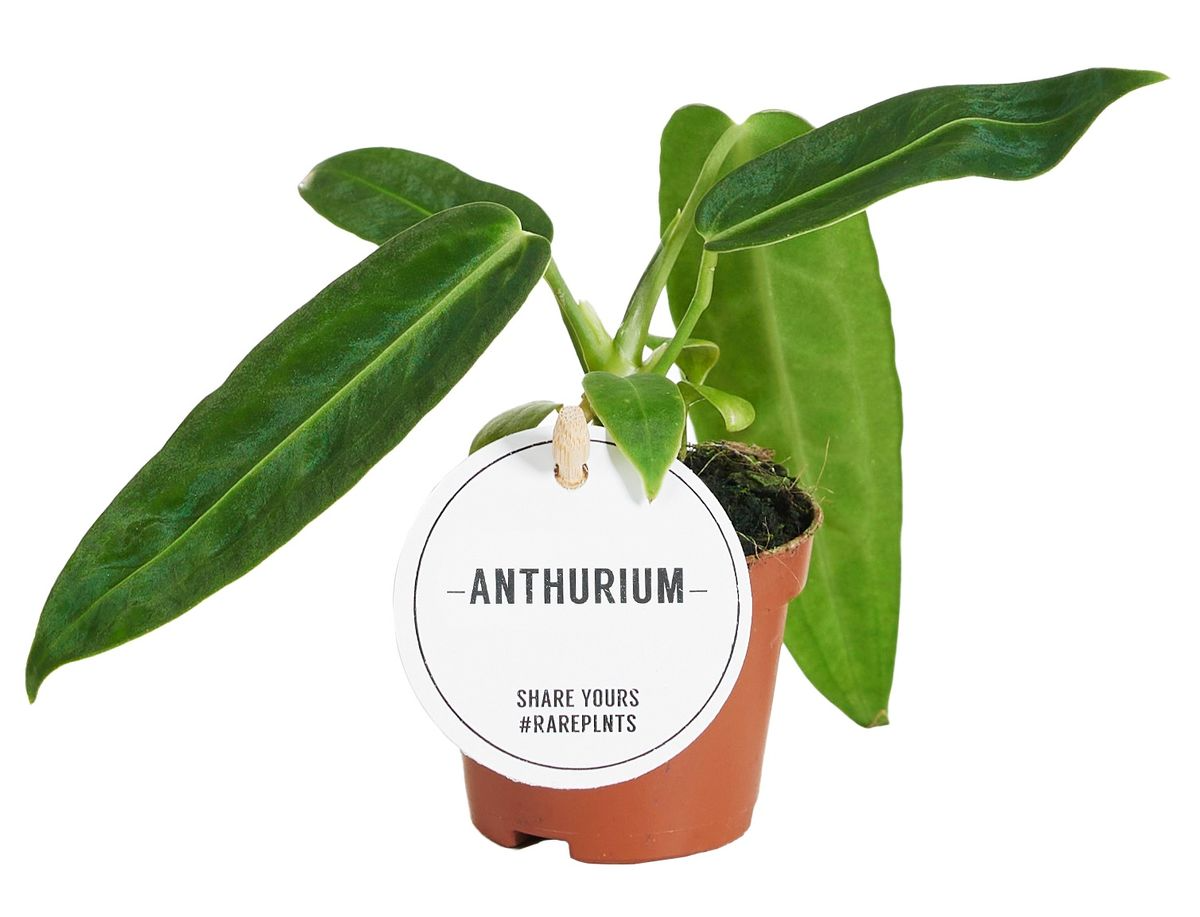
Size: Medium - P12 H45


Plant questions, answered
Is Anthurium warocqueanum (Queen Anthurium) suitable for beginners?
expand_more
Usually not ideal for beginners. Anthurium warocqueanum needs consistently high humidity, very bright indirect light and a very airy substrate or mounting, and it grows slowly—conditions that are easier to maintain in a greenhouse cabinet or with a humidifier. If you are new, expect a learning curve and consider starting with a more forgiving aroid first.
How does Anthurium warocqueanum differ from Anthurium crystallinum?
expand_more
Compared to Anthurium crystallinum, Anthurium warocqueanum has much longer, narrower and more pendulous leaves with strong longitudinal pale/silver veins, whereas A. crystallinum shows broader, heart-shaped blades and a reticulate venation. Practically, choose warocqueanum for dramatic draping velvet foliage and crystallinum for a broader, flatter velvet leaf look.
What light, humidity and placement does the Queen Anthurium need?
expand_more
Usually requires very bright, indirect light and sustained high humidity (commonly advised ≥60–70% or higher for best leaf development). Place Anthurium warocqueanum set back from direct sun—an east-facing window, terrarium, or greenhouse cabinet works well—to protect the velvety leaves and allow the pendulous blades to display.
Should I mount my Queen Anthurium or pot it in a chunky mix?
expand_more
Usually prefers mounting or a super-chunky, airy aroid mix. Anthurium warocqueanum is epiphytic and needs excellent root aeration to avoid root rot; mounting or a mix of large bark, coco chunks and perlite helps. Ensure gentle airflow and avoid dense, water-retentive substrates to reduce fungal problems.
Which size should I pick: Baby, Medium or XL?
expand_more
Usually choose based on space, humidity control and how quickly you want larger leaves. Baby (P6 H15) is a compact grow-on option for a small shelf or desk; Medium (P12 H45) gives a fuller presence sooner; XL (P21 H70) offers the greatest visual impact but needs more space and stable high-humidity conditions.
Is Anthurium warocqueanum safe around pets and children?
expand_more
No. Anthurium warocqueanum is toxic to cats, dogs and humans if ingested because it contains insoluble calcium oxalate crystals. Keep the Queen Anthurium out of reach, place it where curious mouths cannot access the foliage or roots, and supervise placement in homes with pets or small children.
Plant care guide
Light
expand_more
Water
expand_more
Soil and repotting
expand_more
Humidity and temperature
expand_more
Feeding
expand_more
Growth and support
expand_more
Common concerns
expand_more
Crispy leaf edges/tips from low humidity; yellowing leaves from overwatering or normal leaf senescence; brown spots from water sitting on leaves combined with low airflow or sunburn; stunted growth from inadequate light, low humidity, or a dense/wet substrate; root rot risk if left in standing water.
Pet safety
expand_more
You might also like
Super healthy plant
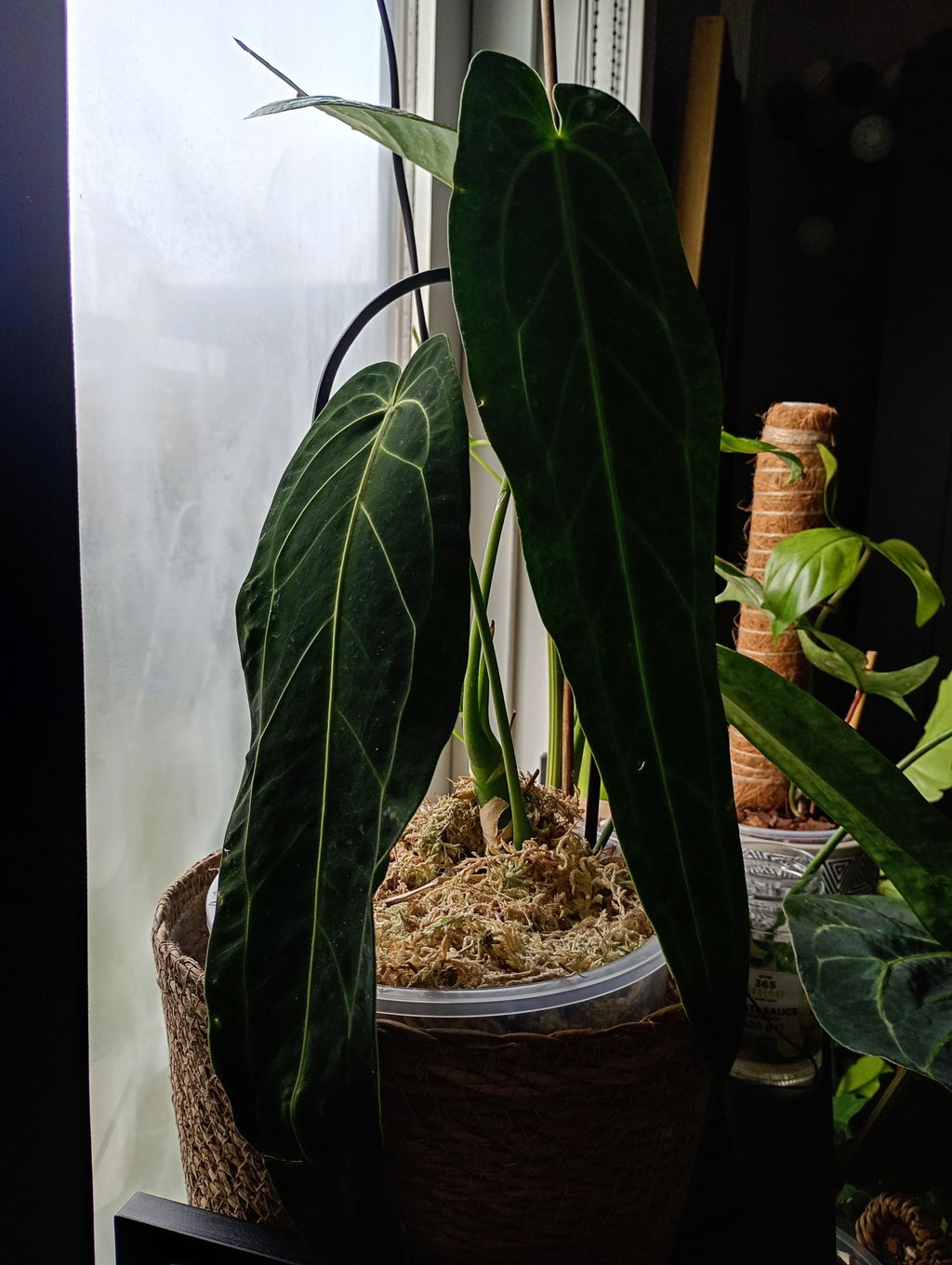
Would have given 5 stars but 2 of the largest leaves were damaged ( not in transit) but the overall plant looks healthy and promising
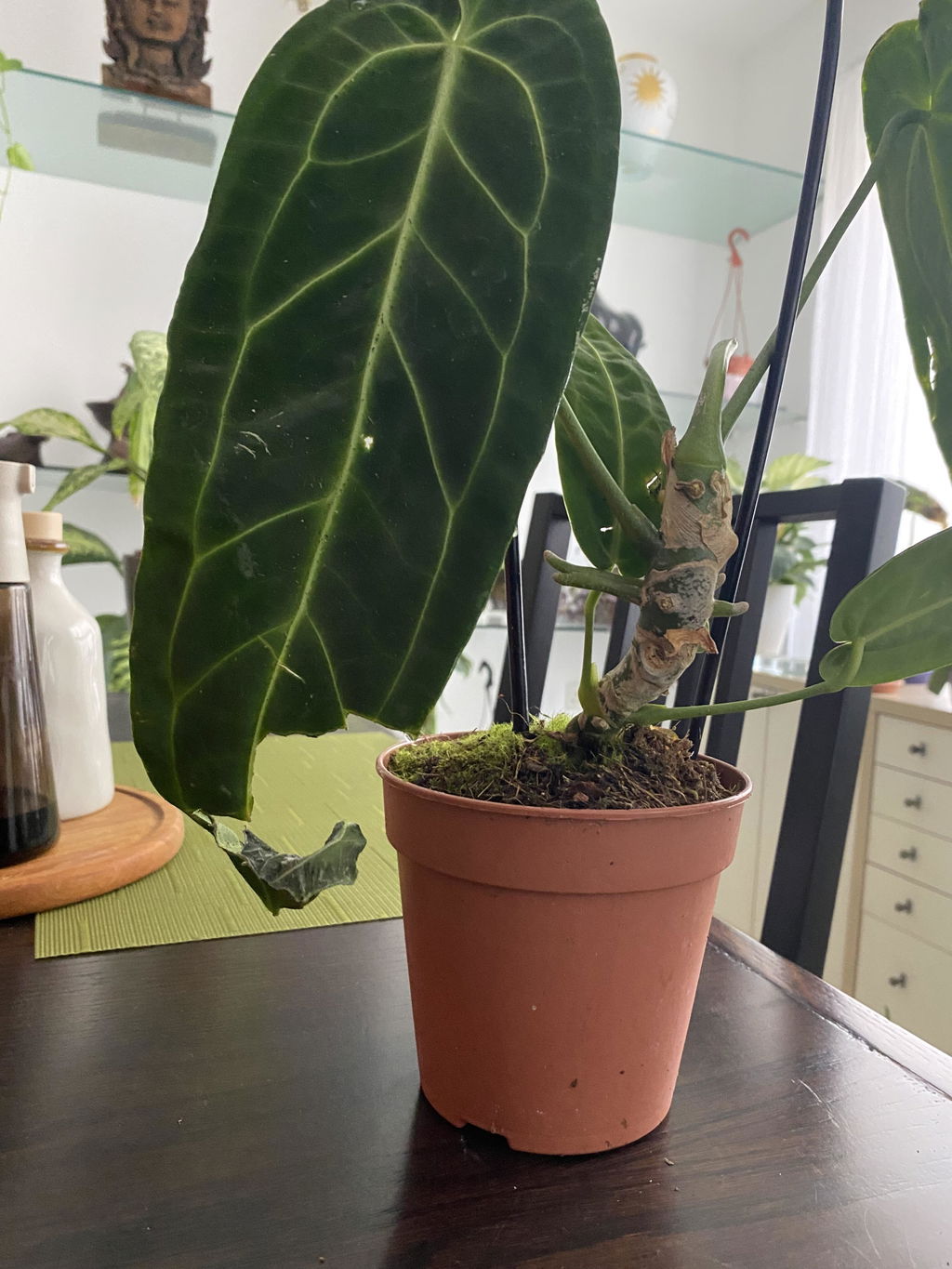
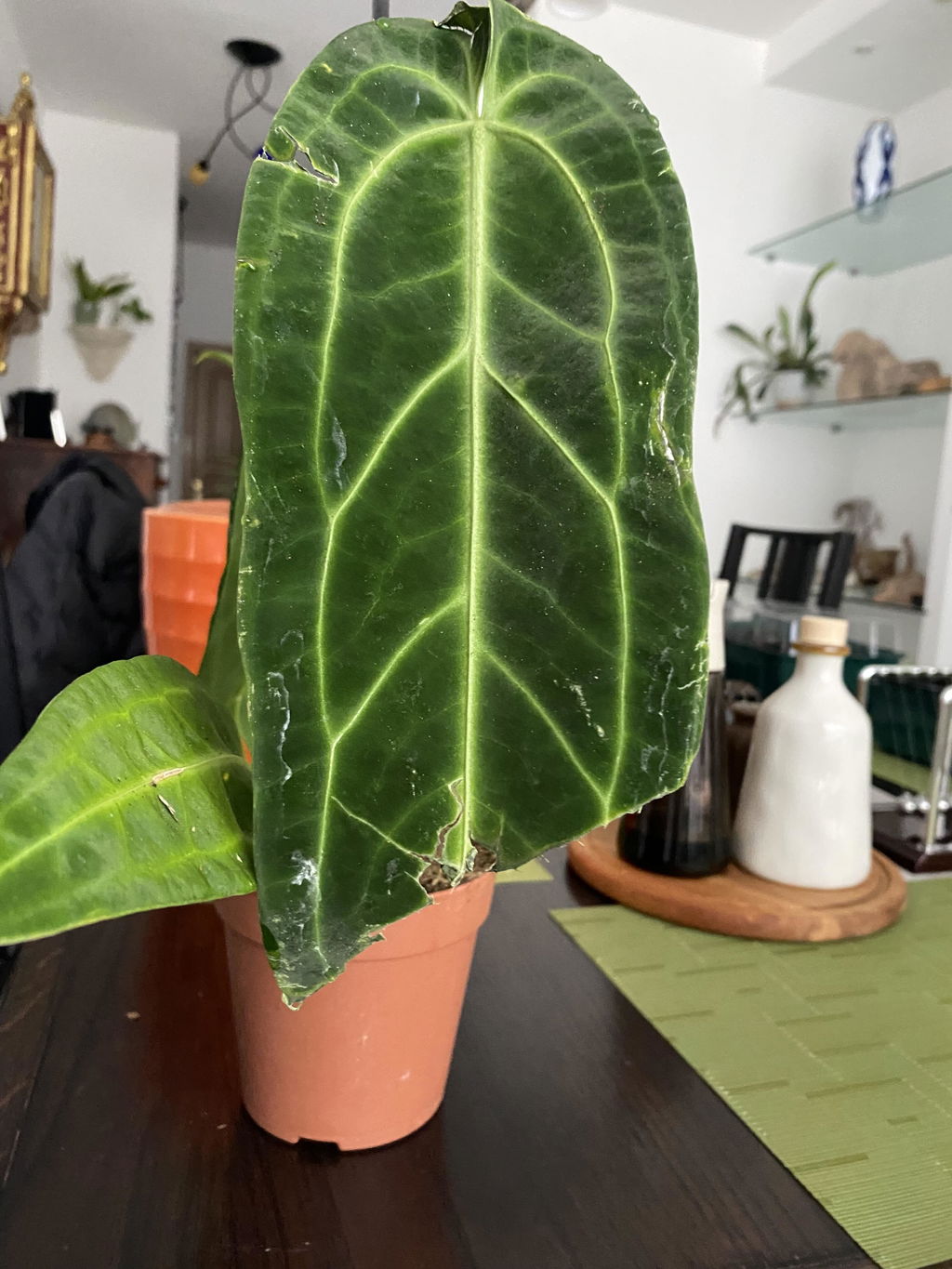
One leaf came damaged due to packaging. Still happy about the order! Will order again but pleas review your packaging
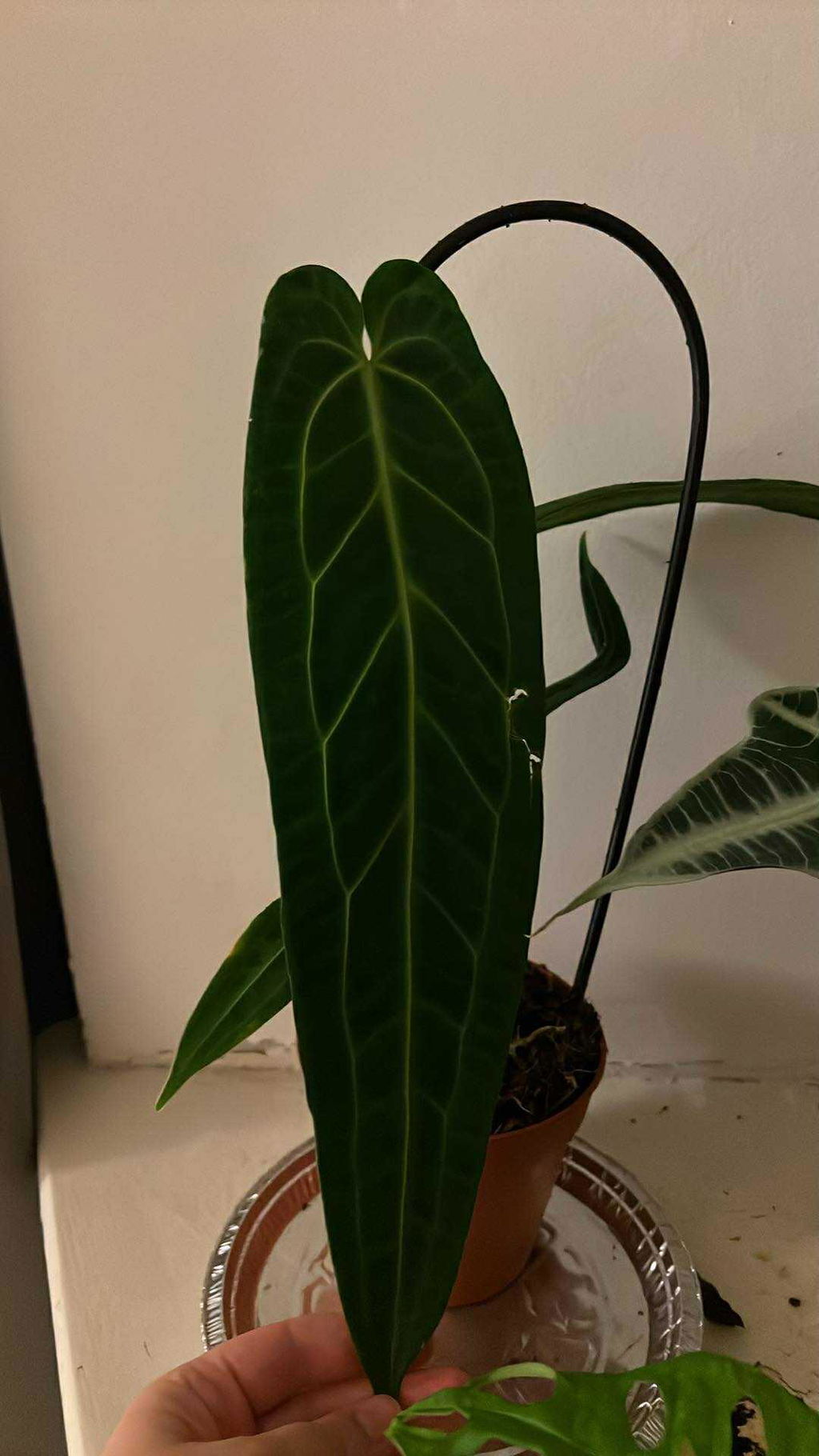
Beautiful plant. Well packaged
Super quality plants! I haven’t seen any pest yet!