


Secure packaging for delicate plants
Small business in Berlin
★★★★★ 4.87 Avg. Review


Curio Rowleyanus, syn. Senecio Rowleyanus
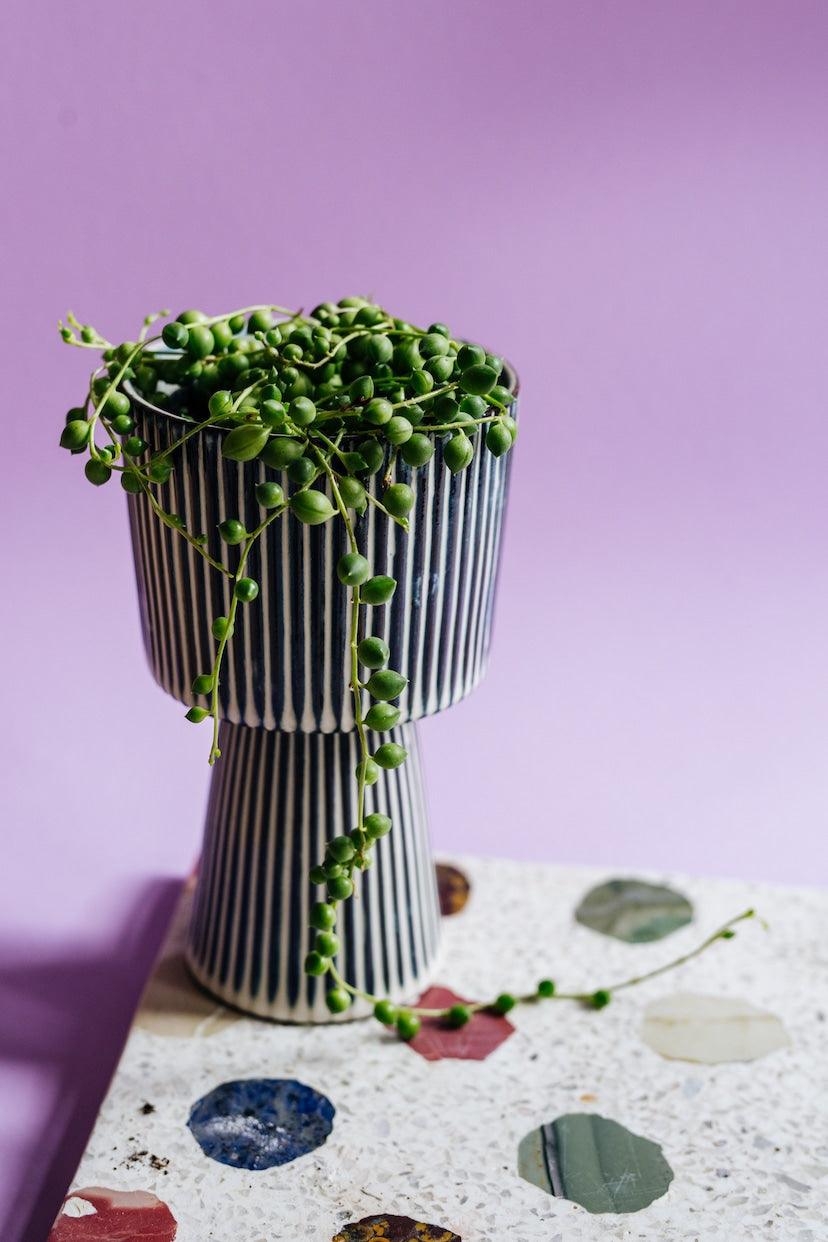
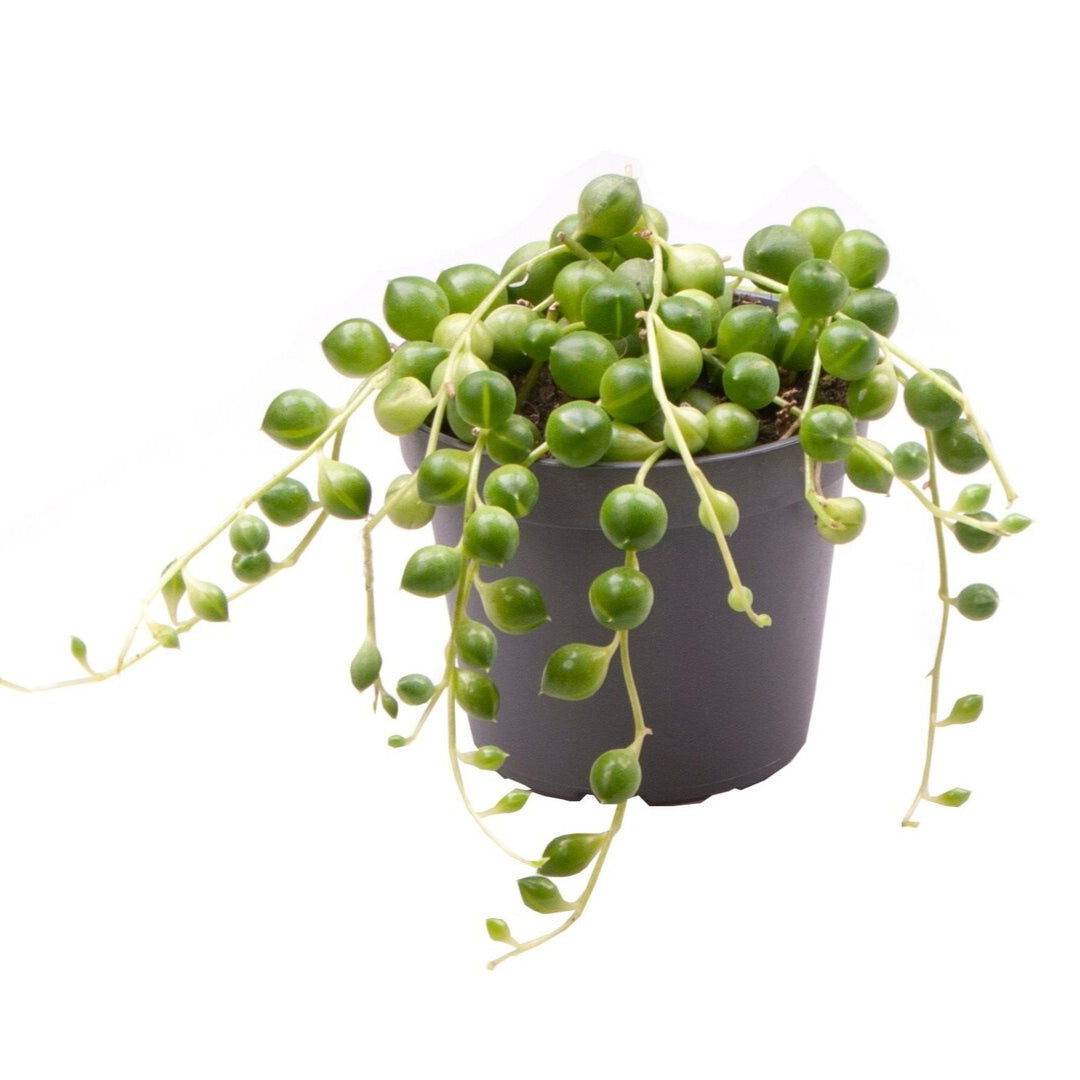
Curio Rowleyanus, syn. Senecio Rowleyanus is the familiar string of pearls, a trailing succulent with thin wiry stems studded with near‑spherical, bead‑like leaves that form a cascading, fine‑textured display. It grows well indoors in hanging baskets or on high shelves, suits shoppers seeking a classic, easy‑care hanging succulent, and is toxic to pets so keep it out of reach.
- height Height
- 10 cm
- swap_horiz Pot Size
- 6 cm
- volunteer_activism Care
- Medium
- wb_sunny Light Needs
- Bright indirect light
- water_drop Watering Needs
- Medium
check_circle In Stock
Quick care table
Plant care at a glance
- Botanical name
- Curio rowleyanus (syn. Senecio rowleyanus)
- Common name
- String of Pearls, String of Beads, String of Peas, Rosary plant, Curio Rowleyanus, and syn. Senecio Rowleyanus
- Difficulty
- Medium
- Light
- Bright indirect light
- Humidity
- Medium
- Best for
- Outdoors, Hallway, Office, Bedroom, Kitchen, Living room, and Indoors
Curio Rowleyanus, syn. Senecio Rowleyanus - String of Pearls
This plant shows the familiar bead‑like look that gives it the common name string of pearls: tiny near‑spherical, fleshy leaves densely spaced along thin, wiry stems. The pearls often show a slightly translucent, window‑like patch on the upper surface and produce a delicate, fine‑textured pendant silhouette; in season you may also notice small white, pom‑pom flowers with a subtle cinnamon note.
Indoors the stems lengthen and trail rather than changing into a different leaf form — mature strands can reach long cascades when given good light. Variegated selections exist, but the standard species retains uniformly green, pea‑shaped leaves and grows more vigorously; variegated forms grow more slowly and need brighter light to keep their markings.
Practical ownership notes: this is a true trailing succulent best displayed in a hanging basket or high shelf so stems can fall freely and stay out of reach. Expect susceptibility to overwatering and possible root rot if the compost remains wet, and watch for stretch (etiolation) in low light. One clear trade‑off: the plant contains pyrrolizidine alkaloids and is toxic to pets if eaten, so placement matters for households with animals.
Best for bright, indirect sites where cascading stems can be shown off; the single available size is a baby potted plant, which is compact to begin with and will lengthen over time — a good option if you prefer to grow a fuller cascade rather than buying a larger, pre‑branched specimen.
Shipping Information
expand_more
- All orders are subject to a €25 minimum order value requirement
- All orders are hand-picked and shipped from the Netherlands
- Plastic-free materials when possible
- Orders are usually processed in 1-3 working days and shipped via DPD and their international partner carriers
- At times, orders may take up to 7 days to ship
- Orders to Germany Free shipping over €60. Free shipping all other EU countries* at €100 (Except Malta and Cyprus)
- Shipping costs are calculated at checkout based on delivery country:
See our FAQ and Shipping Guarantee for any further Questions!

Size: Baby - P6 H10
Plant questions, answered
Is this Curio rowleyanus variegated as the product description suggests?
expand_more
No — the standard Curio rowleyanus sold here is typically all‑green. True variegated selections (C. rowleyanus f. variegata) show cream/white sectors and are slower‑growing; longitudinal 'striping' usually indicates a different species (e.g., Curio herreanus). If you specifically want variegation, ask for a cultivar name or a photo before purchase.
Is Curio rowleyanus suitable for hanging baskets or shelves?
expand_more
Yes — Curio rowleyanus is best displayed in hanging baskets or on high shelves so its fine, trailing stems can cascade. It prefers bright, indirect light (some gentle morning or late afternoon sun) and will stretch (etiolate) in low light, so place it where the trailing habit is visible and light is strong.
How does this differ from "string of watermelons" or "string of bananas"?
expand_more
Curio rowleyanus has near‑spherical, pea‑like leaves, unlike Curio herreanus ('string of watermelons') which has ovoid, banded leaves, or Curio radicans ('string of bananas') with elongated leaves. Leaf shape and markings are the quickest way to tell these species apart when choosing plants for a particular look or collection.
Is Curio rowleyanus toxic to pets?
expand_more
Yes — Curio rowleyanus contains pyrrolizidine alkaloids and is considered toxic to cats and dogs; ingestion can cause vomiting, lethargy and other symptoms. Keep the plant out of reach of pets and children, and consider a high shelf or hanging placement to reduce access.
What are the most common problems I should watch for with this plant?
expand_more
Overwatering and insufficient light are the main risks for Curio rowleyanus; constant moisture can cause root rot and low light causes stretching and sparse pearls. Variegated selections (if present) are less vigorous. Also check for common succulent pests (mealybugs, scale) and prune or repot if stems become sparse or woody.
What size will I receive if I order this listing?
expand_more
You will receive the Baby - P6 H10 variant shown in the listing (a young plant in the baby size category). This small Curio rowleyanus arrives as a compact, trailing juvenile that will lengthen its stems and fill a hanging pot with age under suitable light and care.
Plant care guide
Light
expand_more
Water
expand_more
Soil and repotting
expand_more
Humidity and temperature
expand_more
Feeding
expand_more
Growth and support
expand_more
Common concerns
expand_more
Main issues are overwatering and root rot, etiolation (stretching) in low light, and common succulent pests such as mealybugs and scale. Note: variegated selections (C. rowleyanus f. variegata) are slower‑growing and more prone to decline if kept too dark.
Pet safety
expand_more
You might also like
Just so beautiful and unique! It arrived in time, intact and so well and safely packed
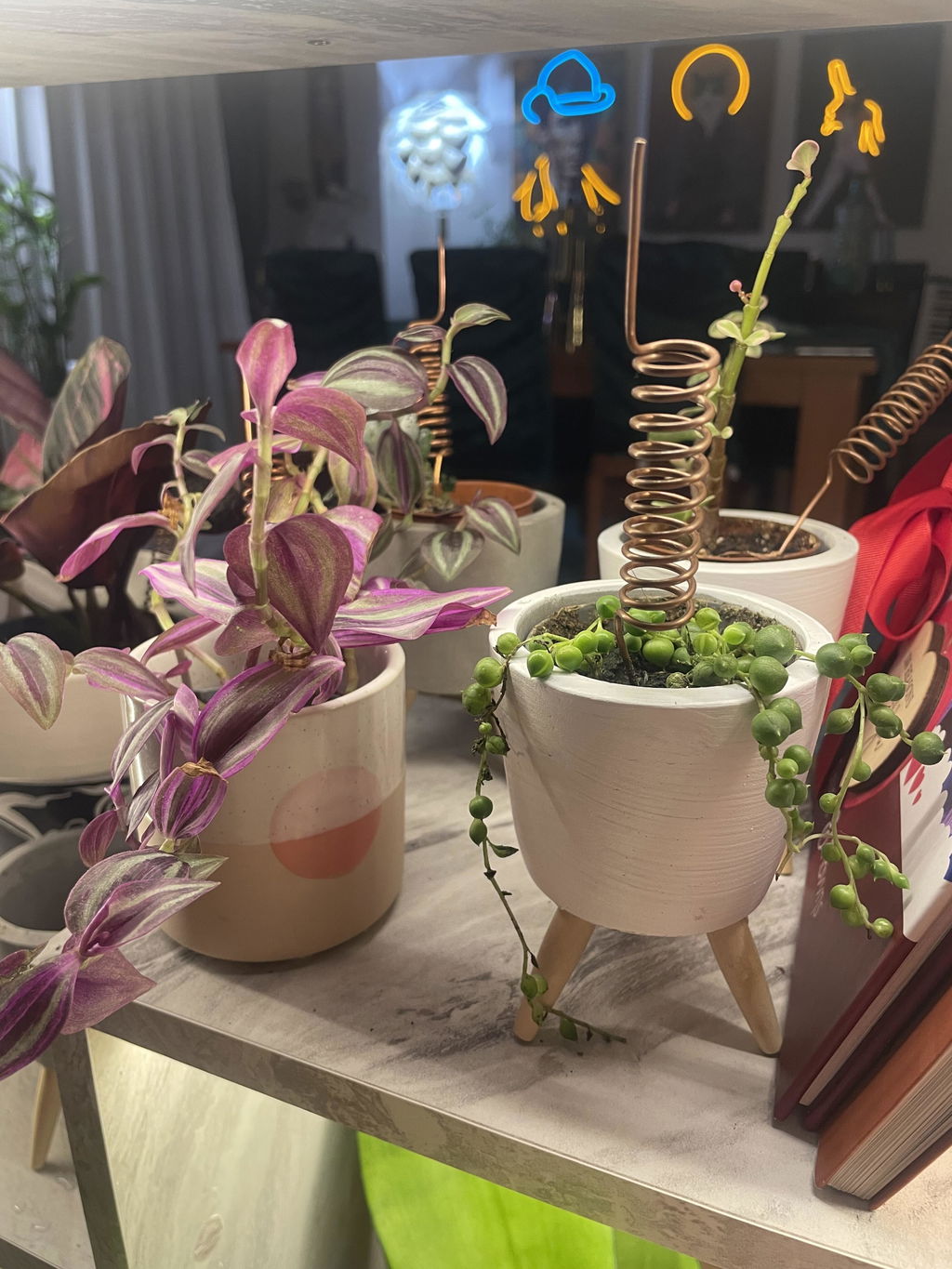
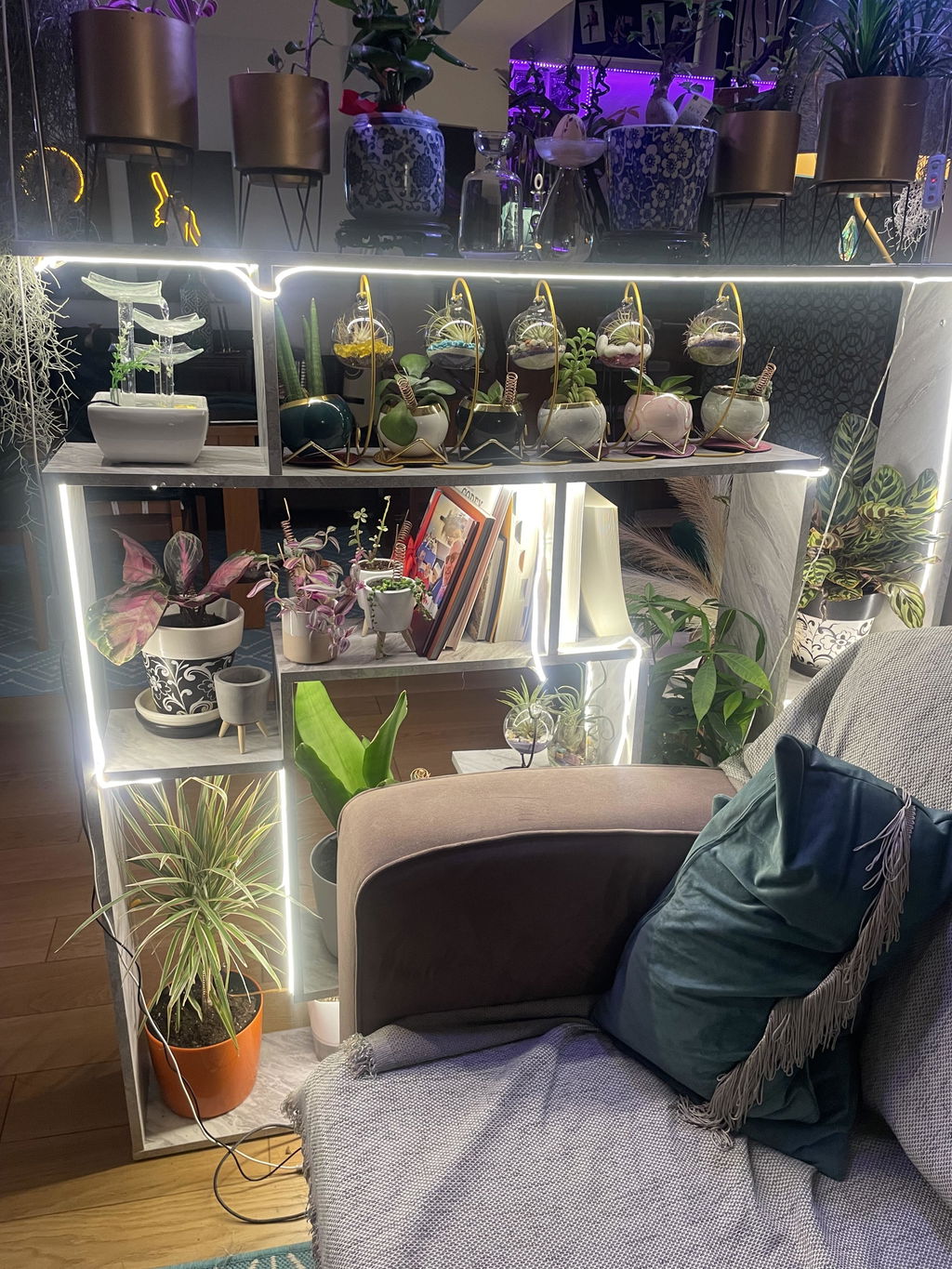
Arrived in good contact and continues to do well. I'm hoping it grows a lot bigger threw time
Reviews in Other Languages
Toimitus oli ok