

Secure packaging for delicate plants
Small business in Berlin
★★★★★ 4.87 Avg. Review


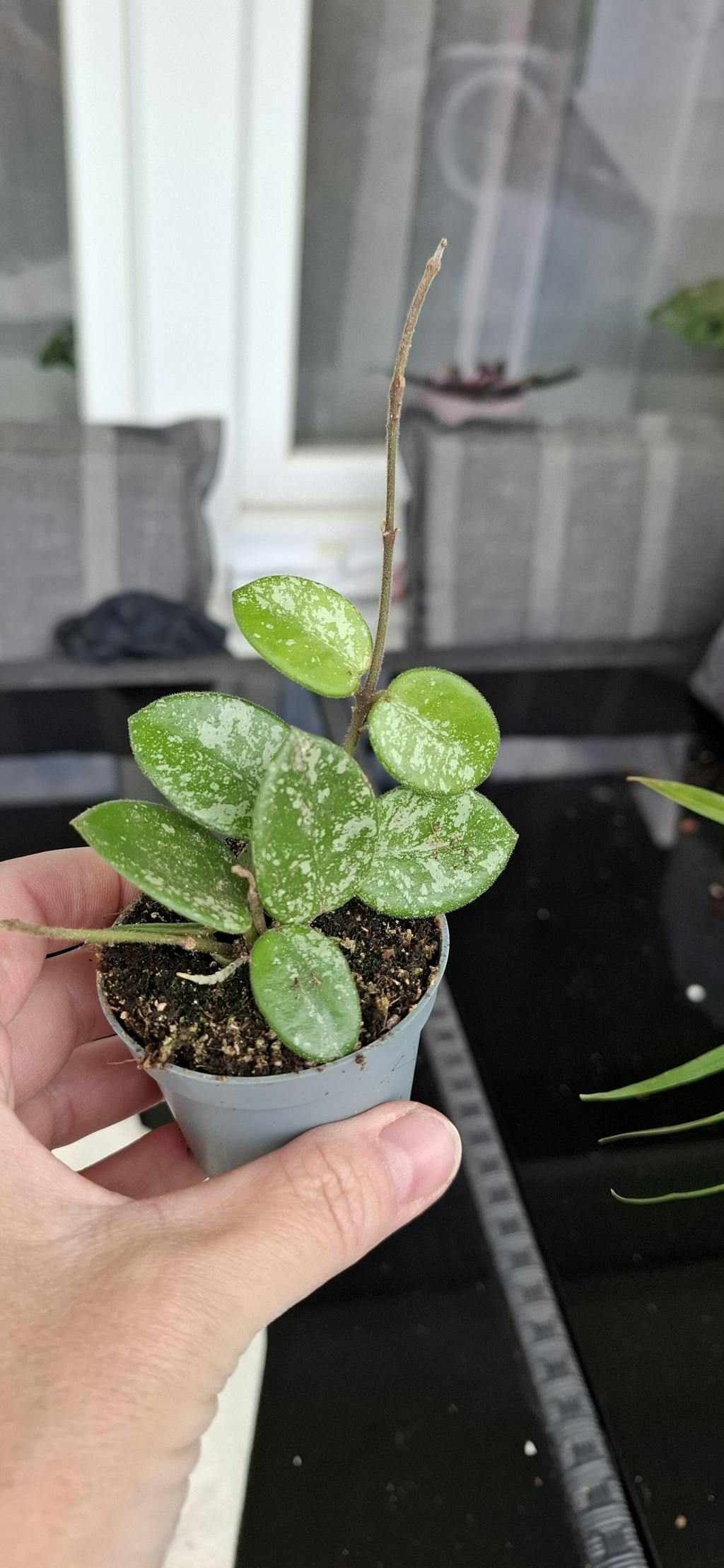
Hoya Mathilde
Hoya Mathilde (Hoya carnosa 'Mathilde') is an established interspecific cultivar with compact, vining epiphytic growth and distinctive large, silver‑flecked succulent leaves plus fragrant, waxy flower clusters. It trails or climbs from hanging pots or a small trellis and suits collectors or anyone wanting a decorative hanging Hoya, but dislikes constant wet soil and is prone to root rot if overwatered.
- height Height
- 10 cm
- swap_horiz Pot Size
- 6 cm
- volunteer_activism Care
- Medium
- wb_sunny Light Needs
- Bright indirect light
- pets Pet Friendly
- water_drop Watering Needs
- Medium
check_circle In Stock
Quick care table
Plant care at a glance
| Care factor | Hoya Mathilde |
|---|---|
| Botanical name | Hoya carnosa 'Mathilde' |
| Common name | Hoya Mathilde, Mathilde (Hoya), Wax plant, and Porcelain flower |
| Difficulty | Medium |
| Light | Bright indirect light |
| Humidity | Medium |
| Pet safe | Yes, non-toxic to pets |
| Best for | Outdoors, Hallway, Office, Bedroom, Kitchen, Living room, and Indoors |
Distinctive Silver‑Speckled Hoya Mathilde for Hanging Pots
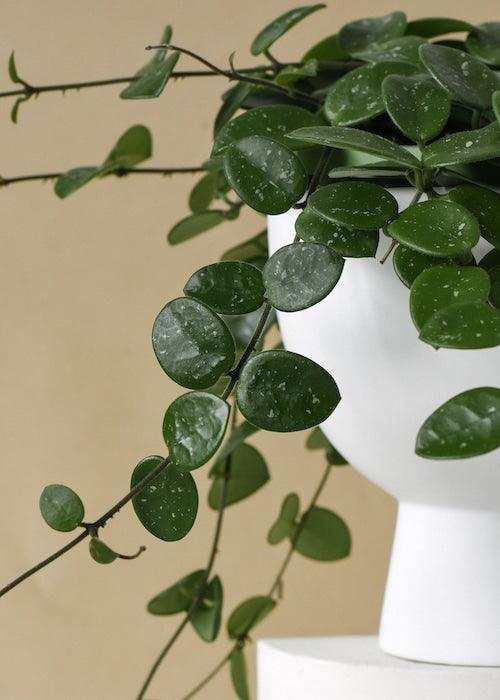
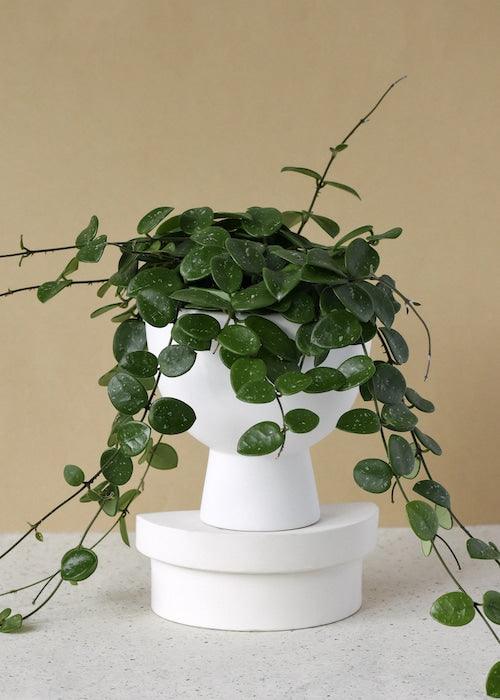
Glossy, slightly succulent leaves carry bold silver flecks and larger pale patches that catch light across a compact trailing silhouette. The foliage is thicker than many small‑leaf Hoyas, producing a neat cascade punctuated in season by umbels of waxy, butter‑yellow blooms with orange‑red centres and a pleasant sweet scent.
An established selected cultivar (accepted as Hoya carnosa 'Mathilde'), this hybrid combines the floriferous, small‑leaf habit of H. serpens with the succulence of H. carnosa. It produces aerial roots and will happily trail from a hanging pot or be trained on a small support; flower clusters form on persistent peduncles, so removing those old spurs will reduce future blooms.
In everyday ownership it suits limited spaces and shallow pots, rewarding bright, indirect light with more frequent flowering. One clear trade‑off: Mathilde is prone to root problems if kept constantly wet, so it does best when allowed to dry slightly between thorough watering. Collectors value the cultivar for its silver‑flecked foliage and scented umbels, though the cultivar itself is widely traded; selected variegated or “splash” offspring can show variable stability.
Best for hanging baskets, high shelves or small trellises, this listing is supplied as a baby nursery pot so you’ll receive a young, establishing plant that will fill and trail over time. Its compact habit makes it easier to display than many large‑leaf Hoya carnosa forms, while still offering the classic waxy flowers collectors prize.
Shipping Information
expand_more
- All orders are subject to a €25 minimum order value requirement
- All orders are hand-picked and shipped from the Netherlands
- Plastic-free materials when possible
- Orders are usually processed in 1-3 working days and shipped via DPD and their international partner carriers
- At times, orders may take up to 7 days to ship
- Orders to Germany Free shipping over €60. Free shipping all other EU countries* at €100 (Except Malta and Cyprus)
- Shipping costs are calculated at checkout based on delivery country:
See our FAQ and Shipping Guarantee for any further Questions!

Size: Baby - P6 H10


Plant questions, answered
How does Hoya carnosa 'Mathilde' differ from a standard Hoya carnosa?
expand_more
Hoya carnosa 'Mathilde' is a selected interspecific cultivar with larger, more succulent leaves and conspicuous silver‑flecking compared with many standard H. carnosa forms. It combines the compact, floriferous habit of H. serpens with carnosa succulence, making it more decorative in small hanging baskets and often more floriferous than typical large‑leaf H. carnosa.
Will Hoya carnosa 'Mathilde' flower indoors and what do the blooms look/smell like?
expand_more
Yes — Hoya carnosa 'Mathilde' produces umbels of waxy, star‑shaped flowers indoors given strong, bright indirect light. Blooms are butter‑yellow to creamy with orange‑red corona eyes and a notably sweet scent in favorable conditions. Flowers form on persistent peduncles, so avoid removing old spurs if you want repeat flowering.
Is Hoya carnosa 'Mathilde' suitable for hanging baskets or small pots?
expand_more
Yes — its epiphytic, vining habit and production of aerial roots make Hoya carnosa 'Mathilde' especially well suited to hanging baskets or shallow pots and small trellises. It stays more compact than many large‑leaf H. carnosa forms, so it’s convenient for limited spaces and displays where trailing foliage and umbels are visible.
How should I water Hoya carnosa 'Mathilde' and what problems should I watch for?
expand_more
Allow the potting mix to dry slightly between thorough waterings; Hoya carnosa 'Mathilde' is prone to root rot if kept constantly wet. It prefers good air movement and moderate to higher humidity. Watch for overwatering and reduced flowering under low light. Note: the milky sap can irritate skin and may cause mild gastrointestinal upset if ingested.
Is Hoya carnosa 'Mathilde' rare or a collector’s plant?
expand_more
Not especially rare as a cultivar — Hoya carnosa 'Mathilde' is an established, documented hybrid (origin 1994) and is widely traded, but it remains sought by Hoya collectors for its silver‑flecked foliage and scented umbels. Specific named selections or variegated/splash sports derived from Mathilde can be uncommon and may command higher prices.
Are 'Mathilde Splash' or other variegated selections stable and identical to regular Mathilde?
expand_more
No — trade names like 'Mathilde Splash' usually indicate selected sports or nursery selections and can display variable panaché/variegation. These trade selections are not automatically stable or identical to Hoya carnosa 'Mathilde' unless a nursery documents a distinct, stable cultivar; expect some variability in appearance and stability over time.
Plant care guide
Light
expand_more
Water
expand_more
Soil and repotting
expand_more
Humidity and temperature
expand_more
Feeding
expand_more
Growth and support
expand_more
Common concerns
expand_more
Overwatering and constant wet soil (risk of root rot); insufficient light can reduce or prevent flowering; milky sap may irritate skin or cause mild GI upset if ingested.
Pet safety
expand_more
You might also like
Looks good
Very nice little baby! Happy with my order
Everything was perfect 🙏🏼
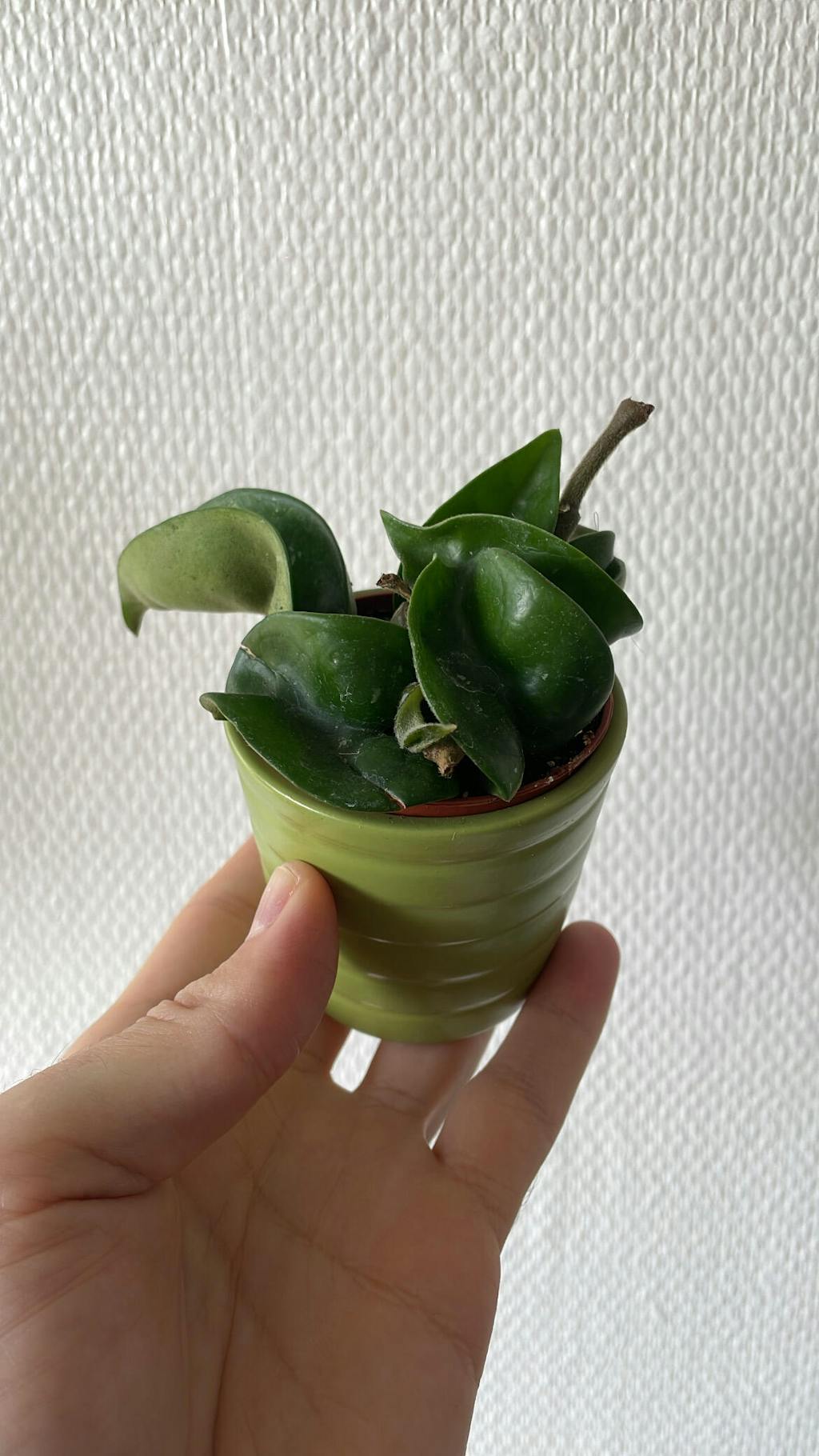
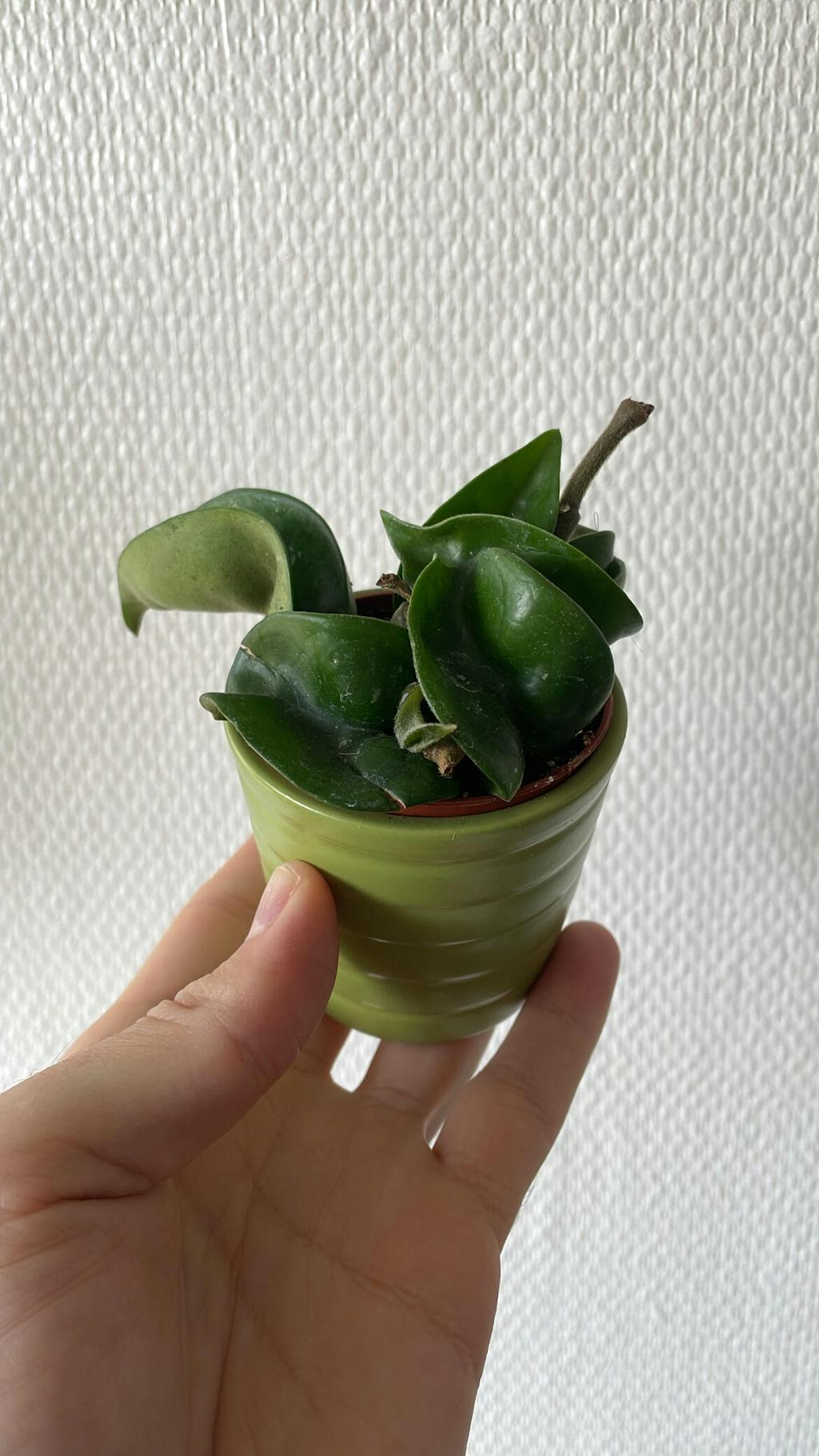
Vigorous hoya plant
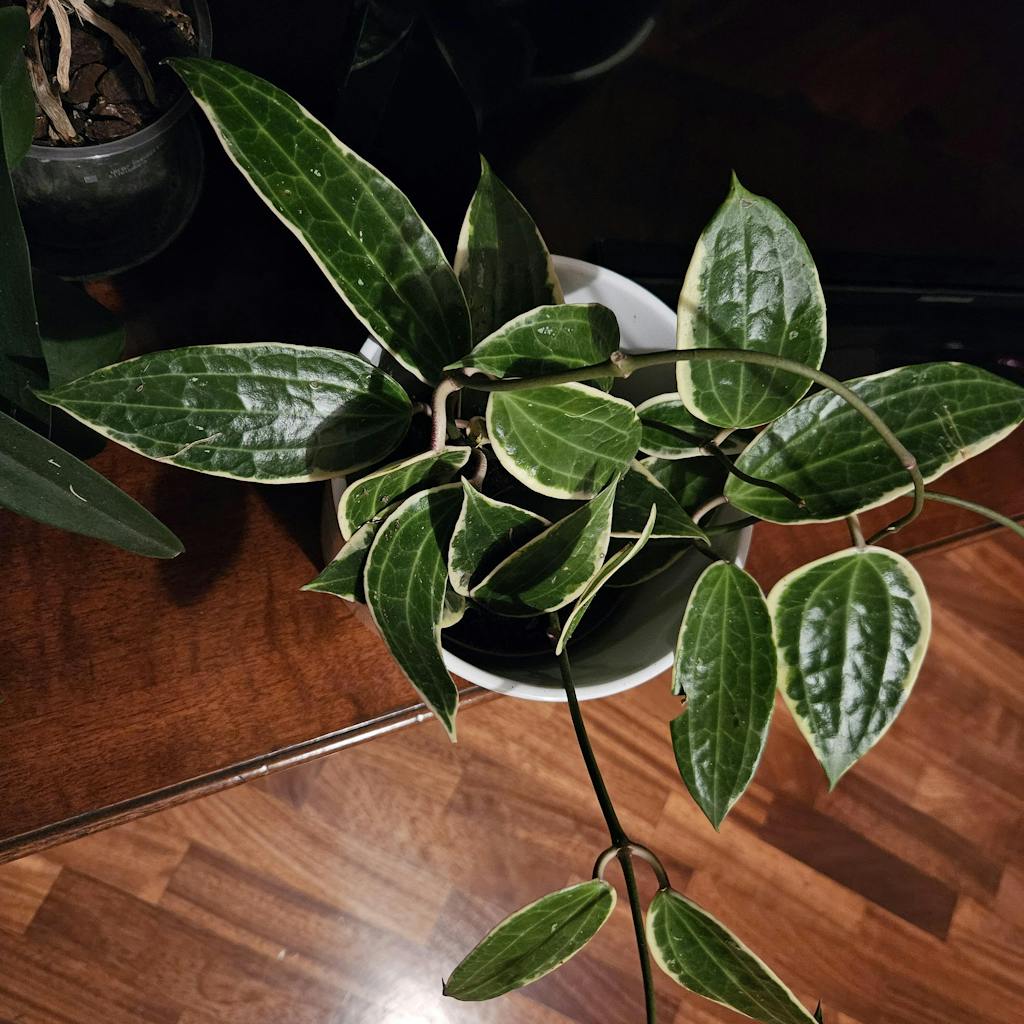
Beautiful plants and excellent customer service