


Secure packaging for delicate plants
Small business in Berlin
★★★★★ 4.87 Avg. Review


Asplenium Nidus (Bird's Nest Fern )
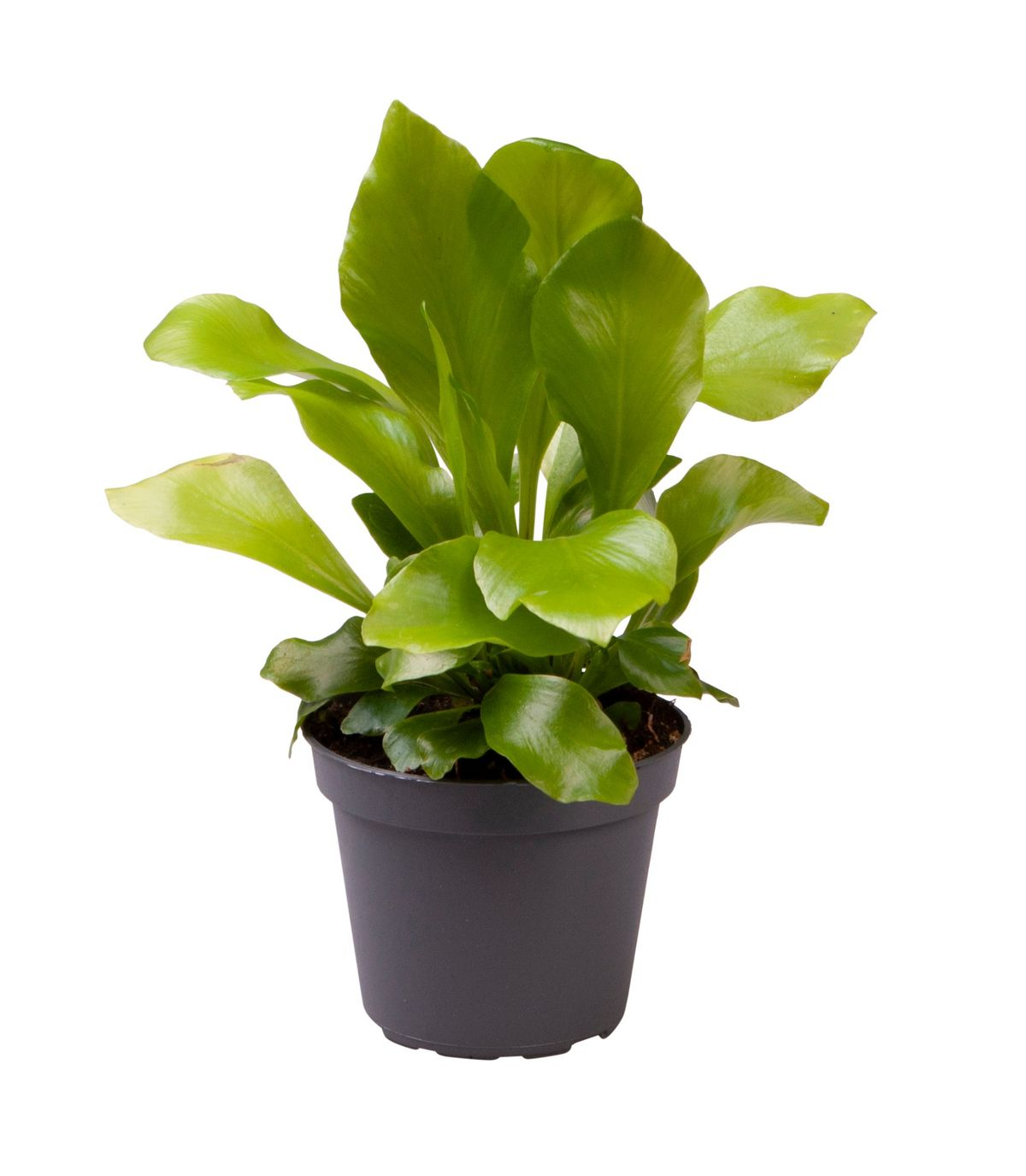
Asplenium Nidus (Bird's Nest Fern ) is an upright rosette houseplant. Asplenium nidus bears glossy, undivided lance-shaped fronds that form a central funnel or “nest,” and it grows as a single rosette indoors — suited to beginners or anyone wanting a bold tropical accent; avoid letting water pool in the crown to prevent crown rot, and it’s generally considered non-toxic to cats and dogs.
- height Height
- 15 cm
- swap_horiz Pot Size
- 6 cm
- volunteer_activism Care
- Easy
- wb_sunny Light Needs
- Indirect light
- water_drop Watering Needs
- Medium
check_circle In Stock
Quick care table
Plant care at a glance
| Care factor | Asplenium Nidus (Bird's Nest Fern ) |
|---|---|
| Botanical name | Asplenium nidus |
| Common name | Bird's Nest Fern and Nest Fern |
| Difficulty | Easy |
| Light | Indirect light |
| Water | Medium |
| Humidity | Medium |
| Pet safe | Yes, non-toxic to pets |
| Growth habit | Rosette (nest-forming); epiphytic/lithophytic in nature |
| Best for | Indoors |
Glossy nest-forming fern with broad, simple fronds
Asplenium Nidus (Bird's Nest Fern ) shows glossy, undivided lance-shaped fronds that rise from a central funnel to create the familiar ‘‘nest’’. The plain emerald-green leaves are smooth and somewhat leathery when mature, with entire (non-divided) margins and a bold, architectural silhouette that reads tropical without being fussy. You can also notice sori—spore lines—on the underside if you look closely.
Young fronds appear tightly rolled and unfurl into wider, more erect blades as the plant matures; the rosette angle shifts from more horizontal in early growth to a shallow, upward-curving funnel in mature plants. Unlike Asplenium australasicum, which tends to make a narrower, steeper and more keeled rosette, this species produces broader fronds that curve gently to form its classic nest shape.
In everyday homes the nest habit stays compact but eye-catching. Expect a single, upright rosette with no need for staking; good drainage and moderate humidity reduce browned edges and the risk of crown rot if water pools in the central funnel—an honest trade-off to note. This listing is the plain green species form (Asplenium nidus), widely cultivated; variegated forms exist separately and are of collector interest.
Best suited to medium–low indirect light areas such as bathrooms, shaded corners or shelves, the supplied Baby size arrives as a compact potted rosette—easy to place on a table or small corner. As a baby plant it won’t show very large fronds yet, so expect a manageable, slow-to-expand presence rather than an instant large specimen.
Shipping Information
expand_more
- All orders are subject to a €25 minimum order value requirement
- All orders are hand-picked and shipped from the Netherlands
- Plastic-free materials when possible
- Orders are usually processed in 1-3 working days and shipped via DPD and their international partner carriers
- At times, orders may take up to 7 days to ship
- Orders to Germany Free shipping over €60. Free shipping all other EU countries* at €100 (Except Malta and Cyprus)
- Shipping costs are calculated at checkout based on delivery country:
See our FAQ and Shipping Guarantee for any further Questions!

Size: Baby - P6 H15


Plant questions, answered
Is Asplenium nidus safe for homes with pets?
expand_more
No — Asplenium nidus (Bird’s Nest Fern) is listed by veterinary plant-safety resources as non‑toxic to cats and dogs. Nibbling can still cause mild stomach upset, so monitor curious pets. If exact species identity matters (trade mislabelling exists), treat any plant cautiously and consult your vet after ingestion.
How does Asplenium nidus differ from other 'bird’s‑nest' ferns like A. australasicum?
expand_more
Asplenium nidus produces broader, glossy undivided fronds that start more horizontal and then curve upward into a classic nest-shaped rosette. By contrast, A. australasicum usually forms a narrower, steeper rosette with thicker, stiffer fronds. These rosette angle and frond-texture differences help tell the species apart in trade.
What light and humidity conditions does this Bird’s Nest Fern prefer and where should I place it?
expand_more
Asplenium nidus prefers low–medium to bright indirect light and medium to higher humidity, though it tolerates average home humidity. Avoid direct sun which scorches fronds; a shaded corner or bright bathroom/kitchen works well. Behavior varies by home conditions, so watch frond colour and adjust light or humidity if browning appears.
What are the most common problems for this fern and how can I avoid them?
expand_more
The main risk is crown rot if water collects in the central funnel; keep the crown from standing in water. Brown frond edges usually indicate low humidity or too much direct light; yellowing or collapse can follow prolonged cold or overwatering. Ensure good drainage, moderate moisture, and increased ambient humidity to reduce these issues.
What size plant will I receive when I order this listing?
expand_more
You will receive the Baby - P6 H15 variant: a young Asplenium nidus in a 6 cm pot with an approximate plant height of 15 cm. Individual frond number, exact shape and overall appearance will vary between plants; product photos are representative rather than guaranteed.
Plant care guide
Light
expand_more
Water
expand_more
Soil and repotting
expand_more
Humidity and temperature
expand_more
Feeding
expand_more
Growth and support
expand_more
Common concerns
expand_more
- Crown rot: avoid letting water collect in the central funnel and ensure the pot drains freely.
- Brown frond edges: increase humidity and avoid direct sun or hot dry air to reduce browning.
- Yellowing or collapse: check for cold exposure or overwatering and adjust temperature and watering accordingly.