


Secure packaging for delicate plants
Small business in Berlin
★★★★★ 4.87 Avg. Review


Hypoestes Phyllostachya Red
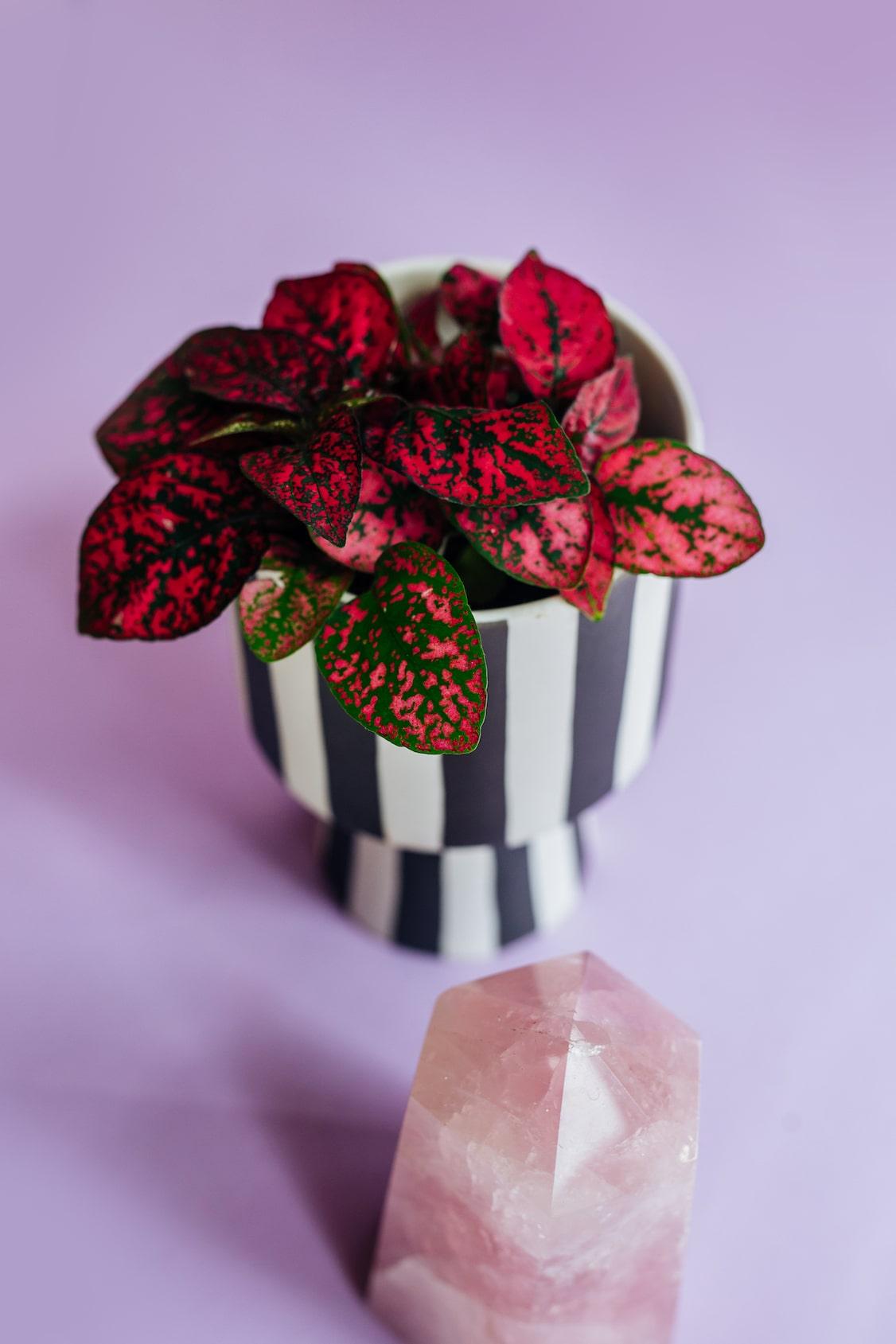
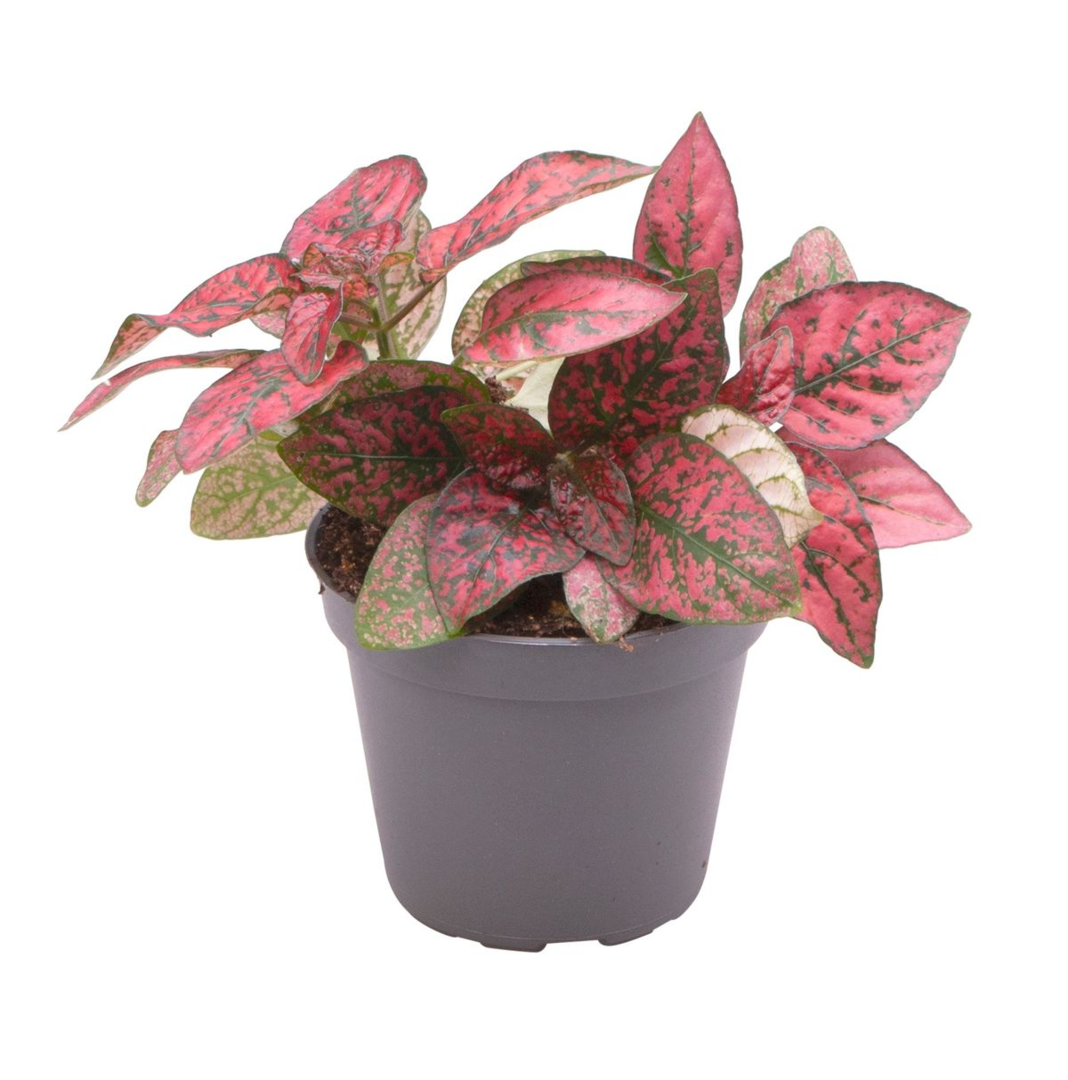
Hypoestes Phyllostachya Red is a compact, bushy polka dot houseplant and an established commercial red‑spotted selection (not a newly registered cultivar), prized for vivid red splotches on a green leaf background. It grows low and branching indoors, stays bushy with pinching and bright indirect light, suits shoppers wanting a strong red‑on‑green effect, but colour fades in low light and stems can go leggy without pruning; non‑toxic to cats and dogs.
- height Height
- 10 cm
- swap_horiz Pot Size
- 6 cm
- volunteer_activism Care
- Medium
- wb_sunny Light Needs
- Indirect light
- pets Pet Friendly
- water_drop Watering Needs
- Medium
check_circle In Stock
Quick care table
Plant care at a glance
- Botanical name
- Hypoestes phyllostachya 'Red'
- Common name
- polka dot plant, freckle face, measles plant, confetti plant, and Hypoestes Phyllostachya Red
- Difficulty
- Medium
- Light
- Indirect light
- Humidity
- Medium
- Pet safe
- Yes, non-toxic to pets
- Best for
- Indoors
Red-splotched compact polka dot plant for colour
Leaves are oval to elliptic with a soft, herbaceous feel and a green background heavily marked by vivid red splotches — the red-on-green pattern reads like confetti across the canopy. The overall silhouette is low and bushy when kept pinched, producing a dense mound of small leaves that draw the eye; tiny tubular pink‑to‑lilac flowers appear occasionally but the foliage is the main show.
This selection, Hypoestes Phyllostachya Red, behaves as a compact, branching houseplant rather than a climber. Colour intensity typically increases in brighter indirect light and will fade in dim conditions. Left unpinched the stems can become leggy and, with age or outdoor culture, stems may develop a slightly woody feel compared with the juvenile potted form.
In everyday ownership expect a fast‑growing, small plant that responds well to regular tip‑pinching to maintain a bushy shape. It prefers steady moisture without waterlogging; one honest trade‑off is that its red spotting will dull in low light and the plant becomes straggly if neglected. Spider mites and root‑rot risk increase in dry air or persistent wet substrate, so attention to humidity and drainage is useful.
Best suited to bright, indirect windowsills, grouped displays or humid spots such as a bathroom terrarium. Supplied as a baby P6 pot (Baby - P6 H10), it offers an affordable, compact start that will fill out with time and gentle pruning.
Shipping Information
expand_more
- All orders are subject to a €25 minimum order value requirement
- All orders are hand-picked and shipped from the Netherlands
- Plastic-free materials when possible
- Orders are usually processed in 1-3 working days and shipped via DPD and their international partner carriers
- At times, orders may take up to 7 days to ship
- Orders to Germany Free shipping over €60. Free shipping all other EU countries* at €100 (Except Malta and Cyprus)
- Shipping costs are calculated at checkout based on delivery country:
See our FAQ and Shipping Guarantee for any further Questions!

Size: Baby - P6 H10
Plant questions, answered
What is Hypoestes phyllostachya 'Red' and how does it differ from other polka dot plants?
expand_more
Hypoestes phyllostachya 'Red' is a commercial red‑spotted selection of the polka dot plant. It differs from common pink/white forms because the foliage bears red splotches on a green background; the name 'Red' is a trade/selection descriptor rather than a formally registered cultivar. Expect identical care needs to other Hypoestes selections.
How does light affect the red spotting and the plant’s shape?
expand_more
Brighter indirect light usually intensifies the red spotting, while low light tends to fade colour. Strong direct sun can scorch leaves. Light level also affects habit: insufficient light and lack of regular pinching promote leggy, straggly growth, so provide bright indirect light and pinch shoot tips to keep a compact, bushy form.
Is this polka dot plant suitable for a terrarium or a humid bathroom?
expand_more
Yes, Hypoestes phyllostachya typically does well in moderate to high humidity environments such as terraria or humid bathrooms. However, poor air circulation or persistent wet substrate increases risk of powdery mildew and fungal problems, so provide ventilation and avoid keeping the pot constantly waterlogged.
What pests and problems should I watch for with the 'Red' selection?
expand_more
Spider mites, aphids, mealybugs and whiteflies are common pests, especially in dry indoor air; powdery mildew can occur with poor ventilation; and root rot results from persistent waterlogging. Check leaf undersides regularly, maintain moderate humidity, and avoid overwatering to reduce these risks.
Is Hypoestes phyllostachya 'Red' safe for pets?
expand_more
No—Hypoestes phyllostachya is listed as non‑toxic to cats and dogs by major pet‑poison databases (e.g., ASPCA). That said, any plant material can cause mild stomach upset if eaten in quantity, so keep plants out of persistent nibbling access where possible.
What size will I receive when I order this plant?
expand_more
You will receive the single available size: the Baby - P6 H10 variant. This is supplied as a small potted young plant (commercially listed as Baby in a P6 pot), intended to be compact at delivery; regular pinching will produce a fuller, bushier plant over time.
Plant care guide
Light
expand_more
Water
expand_more
Soil and repotting
expand_more
Humidity and temperature
expand_more
Feeding
expand_more
Growth and support
expand_more
Common concerns
expand_more
Tends to become leggy if light is too low or tips are not pinched; leaf spot colour fades in low light; susceptible to powdery mildew and fungal issues with poor air circulation or overwatering; pests include spider mites, aphids, mealybugs and whiteflies; risk of root rot from persistent waterlogging.
Pet safety
expand_more
You might also like
Great, friendly service and fast shipment!
Nice