


Easy Care Plants
Secure packaging for delicate plants
Small business in Berlin
★★★★★ 4.87 Avg. Review
Secure packaging for delicate plants
Small business in Berlin
★★★★★ 4.87 Avg. Review
Secure packaging for delicate plants
Small business in Berlin
★★★★★ 4.87 Avg. Review
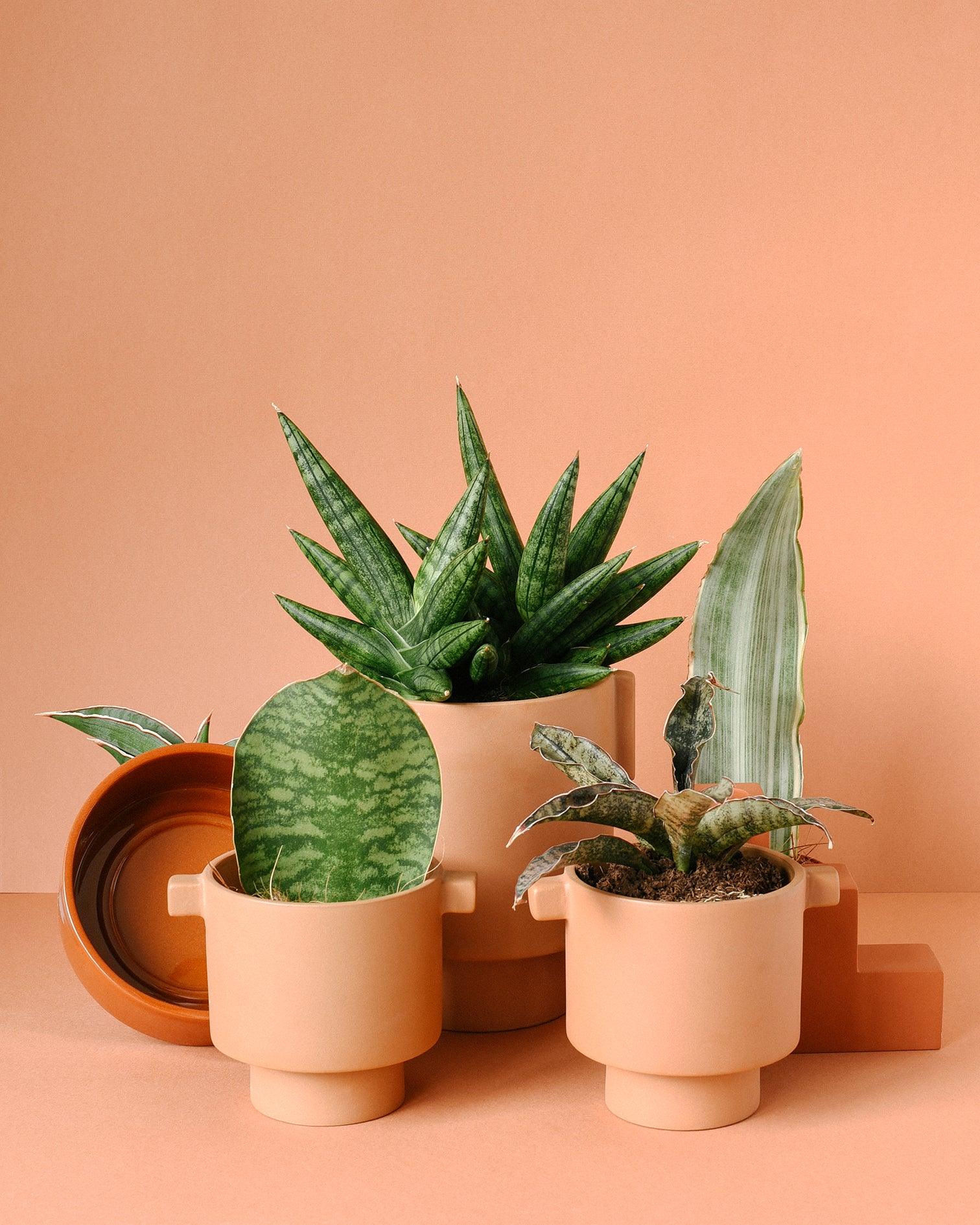
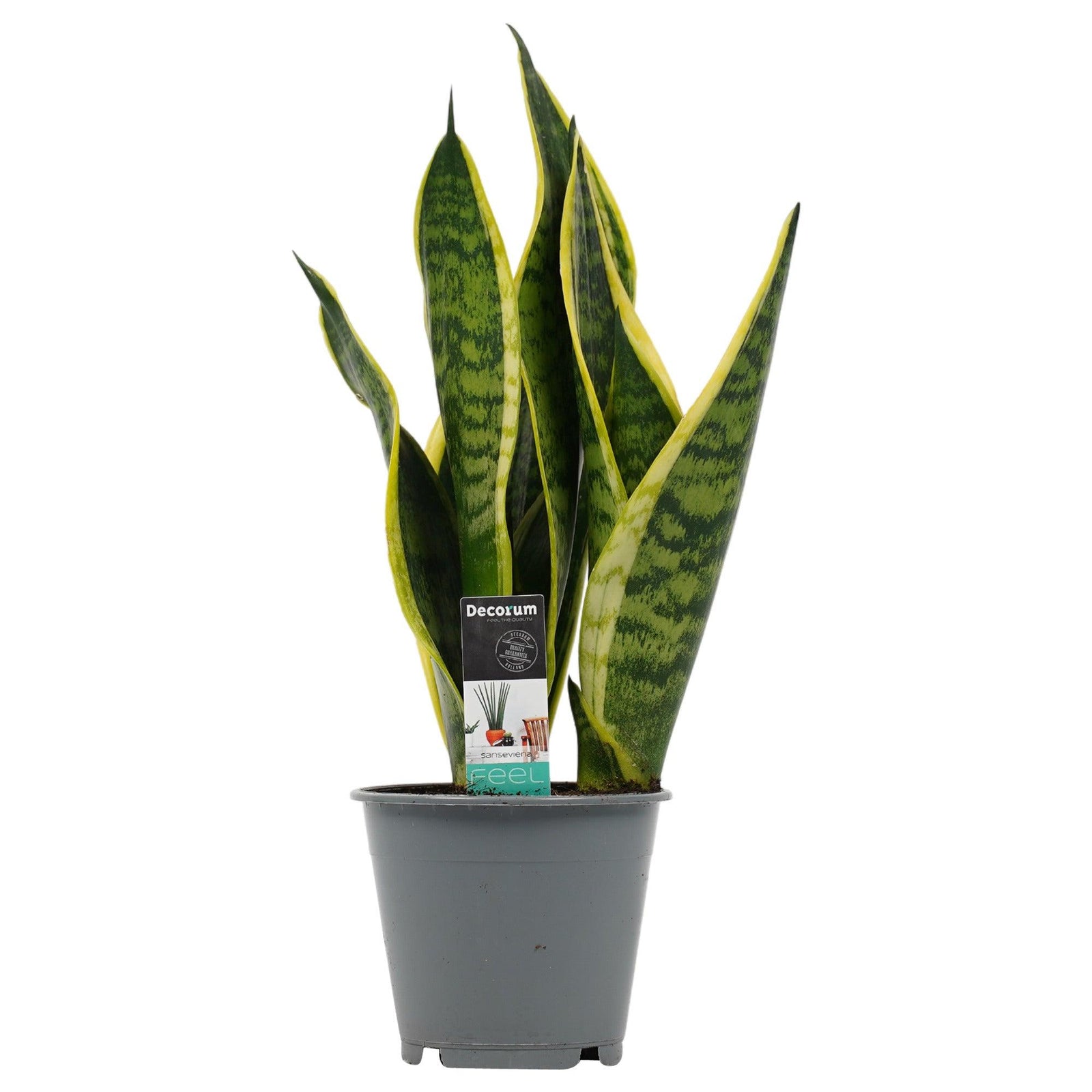
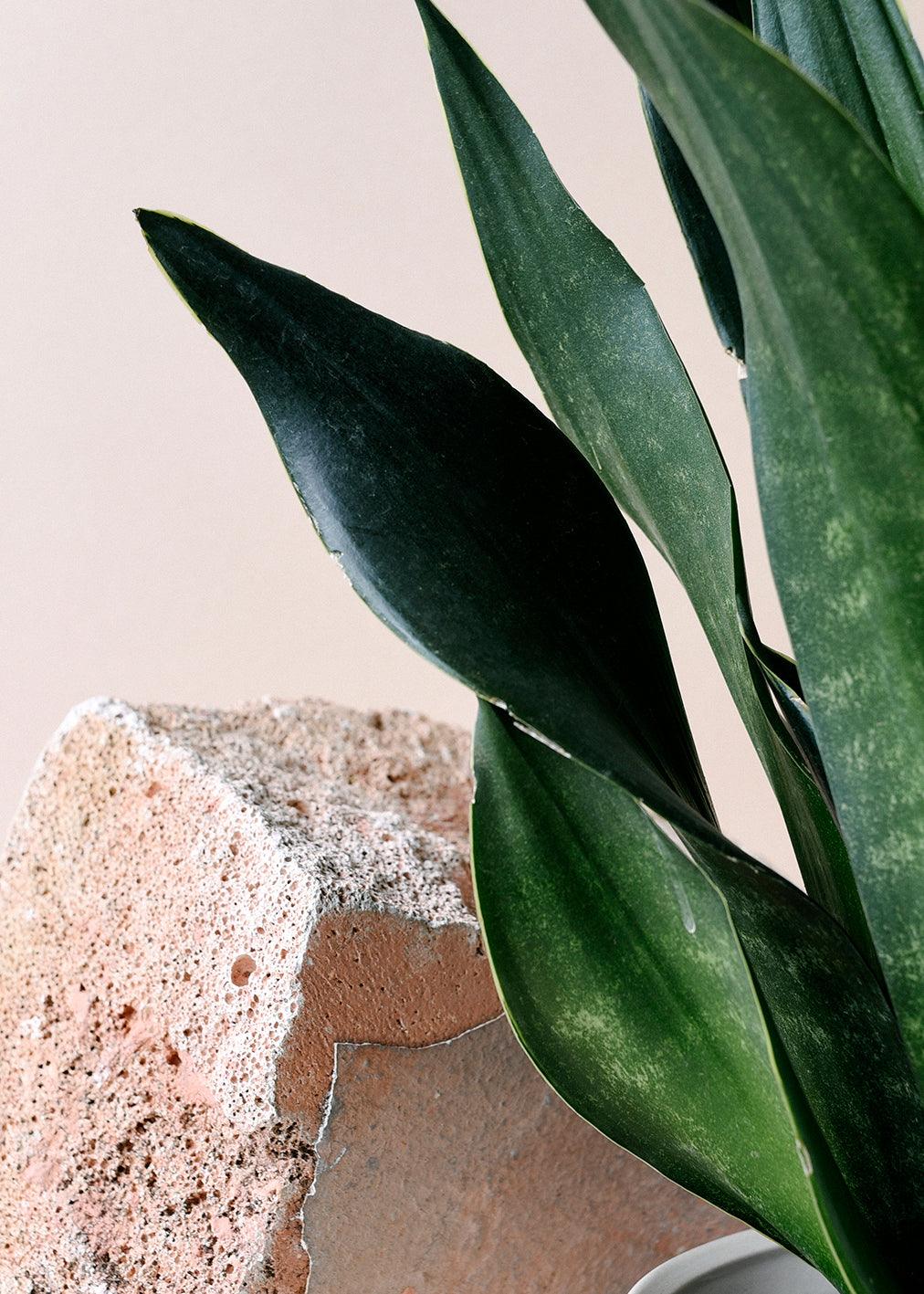
Explore our Sansevieria collection, from compact, shelf-friendly plants to tall, sculptural floor pieces that stay stylish with minimal care.
Sansevieria, also called snake plants, are easy-care houseplants with upright, sculptural leaves that suit modern interiors. In this collection you’ll find compact and tall varieties that generally tolerate infrequent watering and a range of indoor light, making them a practical choice for busy households and beginners who still want a bold, architectural look.
View





Secure packaging for delicate plants
Small business in Berlin
★★★★★ 4.87 Avg. Review
Sansevieria are all about strong lines, graphic foliage and low day-to-day effort. Use this guide to choose the right snake plant for your room and routine.
1. Decide where your plant will live Think first about placement and proportions:
2. Match the plant to your light Most Sansevieria are happiest in bright, indirect light but generally cope with medium light and some lower-light corners. In lower light they usually grow more slowly and may keep a deeper green look. If your space is quite dim throughout the day, favour classic green varieties over heavily patterned ones.
3. Consider your watering style If you tend to underwater, Sansevieria are often more forgiving than many leafy houseplants. Let the soil dry out well between waterings and use a pot with drainage. If you’re interested in hydroculture, look for the specific hydroculture-labelled options in this range and follow their water level indicators instead of a soil schedule.
4. Choose a shape and colour story Sansevieria come in different silhouettes:
Pair them with simple, neutral pots from our Plant Pots & Planters collection for a calm, minimal look, or with textured ceramics if you prefer a softer, more organic style.
5. Check sizing and placement details Use the product photos and approximate height and pot size listed on each product page to visualise the plant at home. For rental apartments or smaller rooms, medium-height plants often feel balanced while still making an impact.
If you are just starting your plant journey, you can also browse our Easy Care Houseplants for more low-maintenance companions that pair well with Sansevieria.
Are Sansevieria (snake plants) good for beginners and busy homes?
expand_moreSansevieria are generally a solid choice for beginners and busy households because they don’t usually need frequent watering or pruning.
Most cope well if the soil dries out between waterings and can handle a range of typical indoor light, growing faster in brighter spots.
They still appreciate some attention: occasional dusting, checking that water doesn’t sit in the pot, and a slow adjustment when you change their location.
How often should I water a Sansevieria?
expand_moreWatering frequency depends on light, pot size, and room temperature, but Sansevieria are usually happier on the drier side.
As a guideline, wait until the soil has dried out well before watering again and reduce watering in the cooler months.
Always check the top few centimetres of soil rather than following a fixed schedule, and use pots with drainage holes to avoid waterlogged roots.
Can Sansevieria grow in low light?
expand_moreMost Sansevieria tolerate lower light better than many tropical houseplants, but they still do best with at least some indirect daylight.
In deeper shade they typically grow very slowly and may lose some of their pattern contrast.
If your room is quite dim, place the plant as close as practical to the brightest window you have and monitor how the foliage responds over time.
Are Sansevieria safe for homes with pets or children?
expand_moreSansevieria are widely used as houseplants, but they are not typically marketed as pet-safe.
If chewed, parts of the plant may cause discomfort for pets or children.
If you are concerned, place your plant out of easy reach and consult a reliable veterinary or medical source for detailed guidance.
Always check individual product pages for any specific notes before buying.
Which Sansevieria should I choose if I have limited space?
expand_moreIf space is tight, look for compact or medium Sansevieria that stay fairly upright.
Medium cylindrical plants and smaller upright varieties sit neatly on shelves, desks, or window ledges without spreading out too much.
Check the listed height and pot size on each product page to make sure the plant will fit comfortably where you plan to display it.
Browse related plant edits and care guides selected for this collection.
Be the first to know about newly stocked plants and accessories, sales and exclusive offers.