How to Choose the Right Rare or Variegated Plant
Rare and variegated houseplants are some of the most rewarding plants to grow, but they are not all the same. Some are surprisingly easygoing, while others need stable light, warmth, humidity, and a little more attention. The best choice depends on your space, your care routine, and whether you want a dramatic statement plant, a compact collector baby, or a slower-growing variegated treasure.
Best rare plants for newer collectors
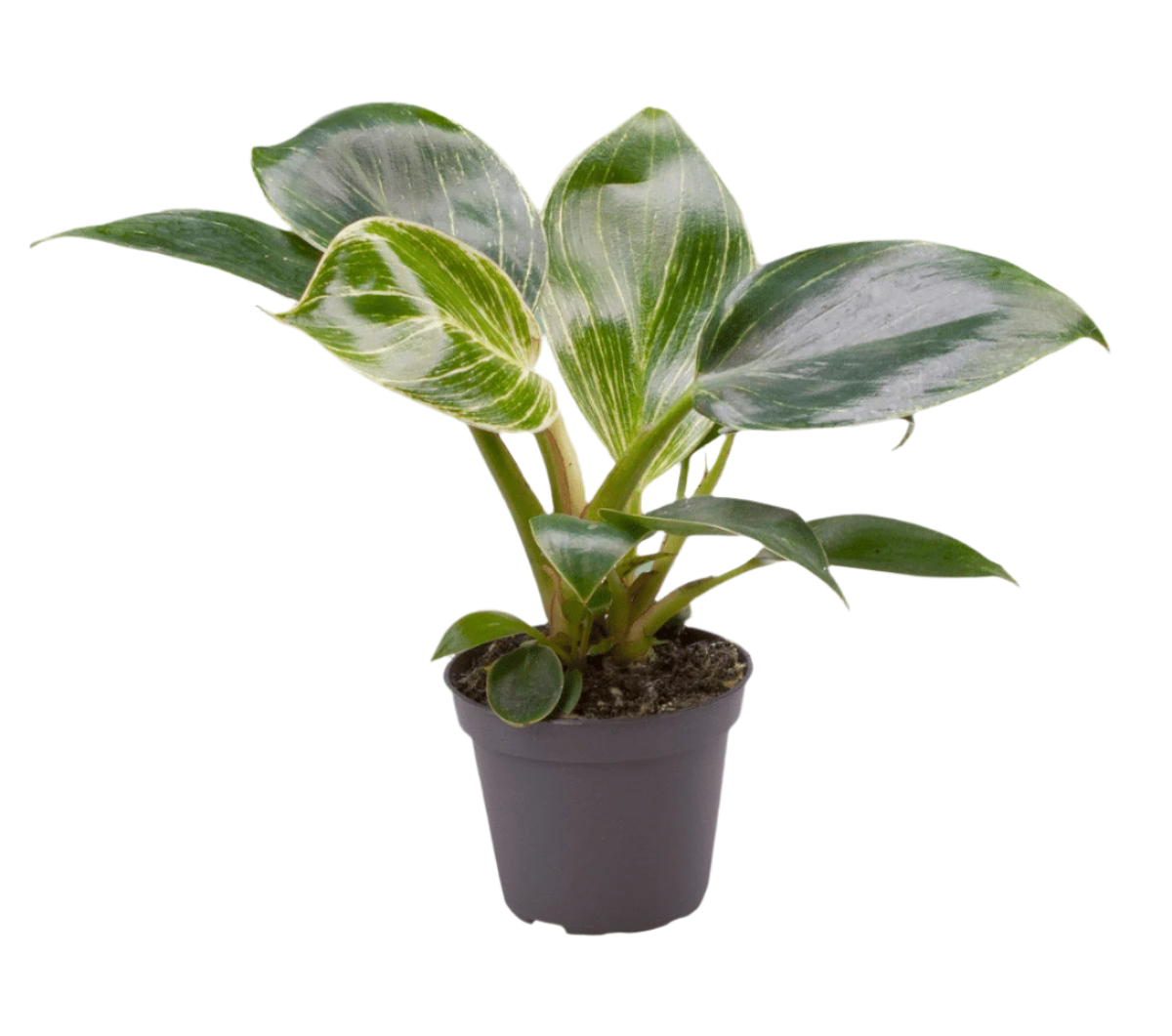
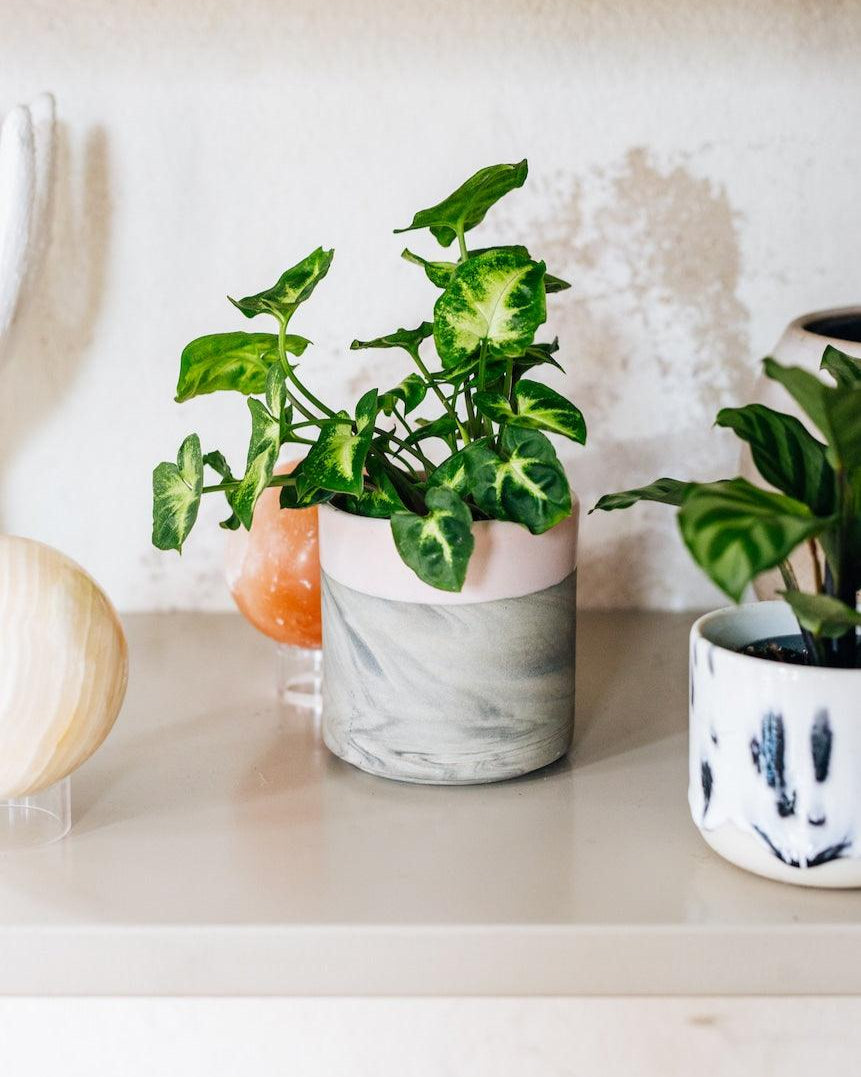
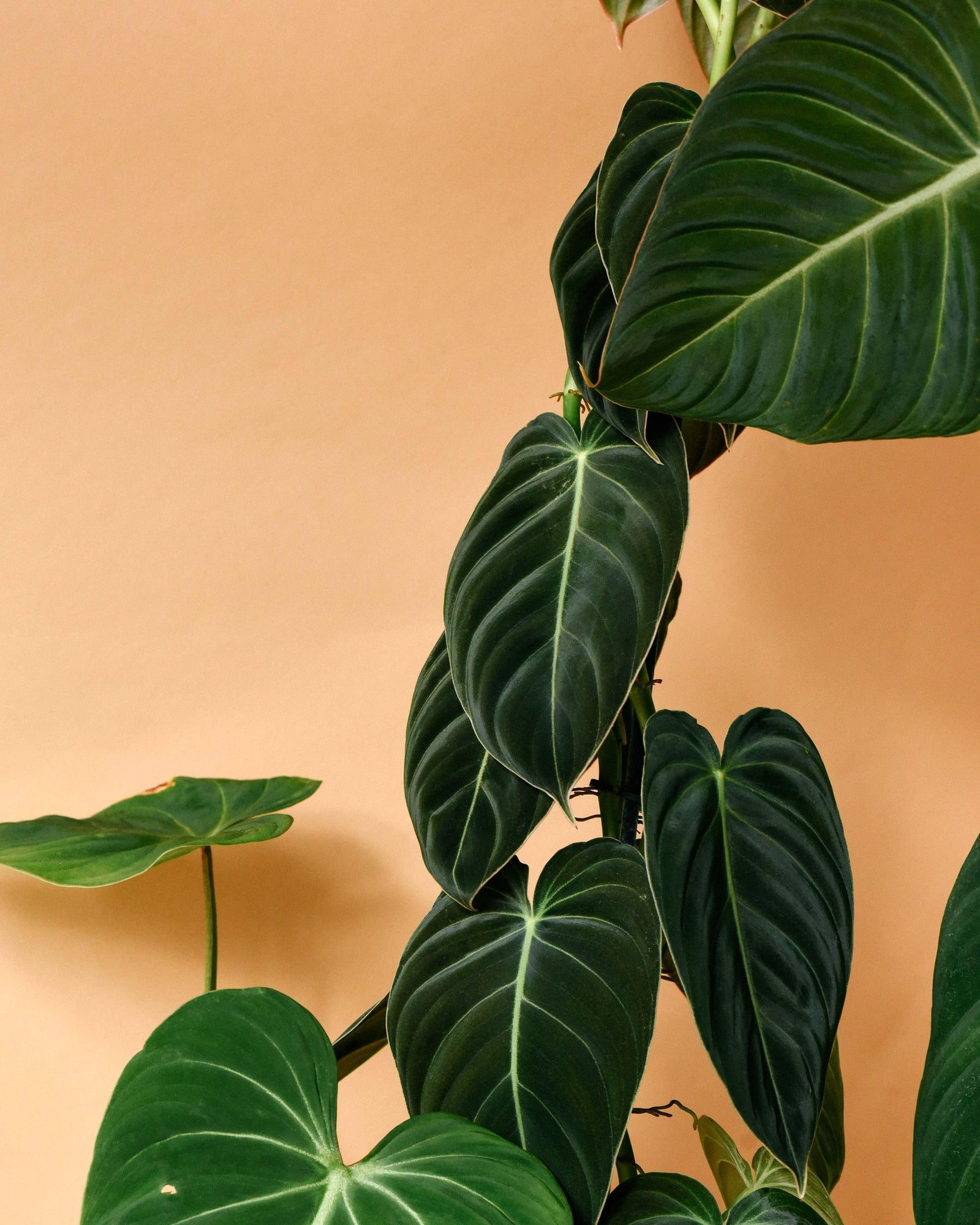
If you are just starting with rare plants, choose varieties that give you collector-level foliage without requiring cabinet-level conditions. Variegated Monstera, many Philodendrons, Scindapsus, Syngonium, and selected Aglaonema varieties are usually more forgiving than thin-leaved Anthuriums or humidity-sensitive jewel Alocasias. Look for plants marked as easy or moderate care if you want something beautiful but less demanding.
Best rare plants for experienced collectors
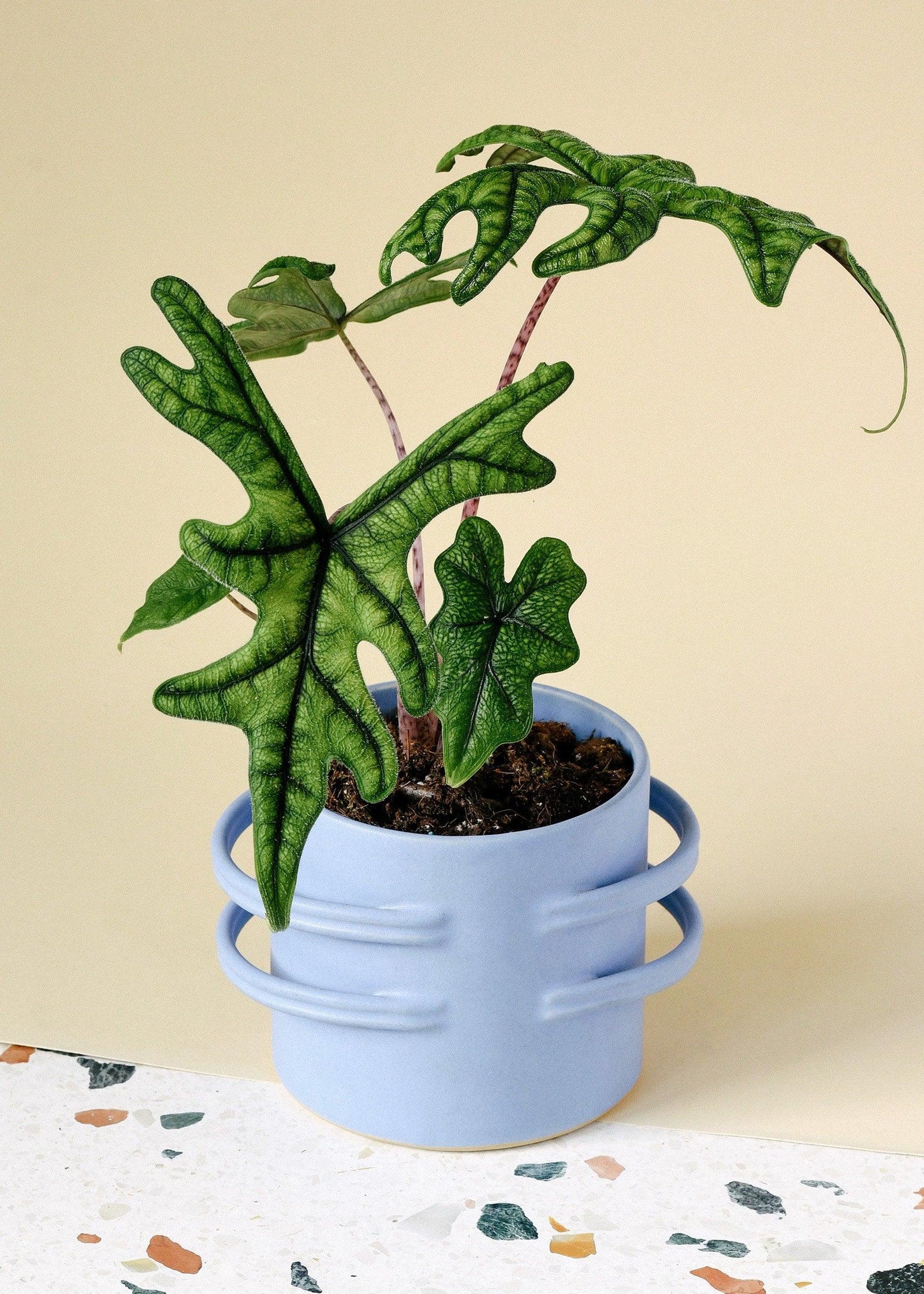
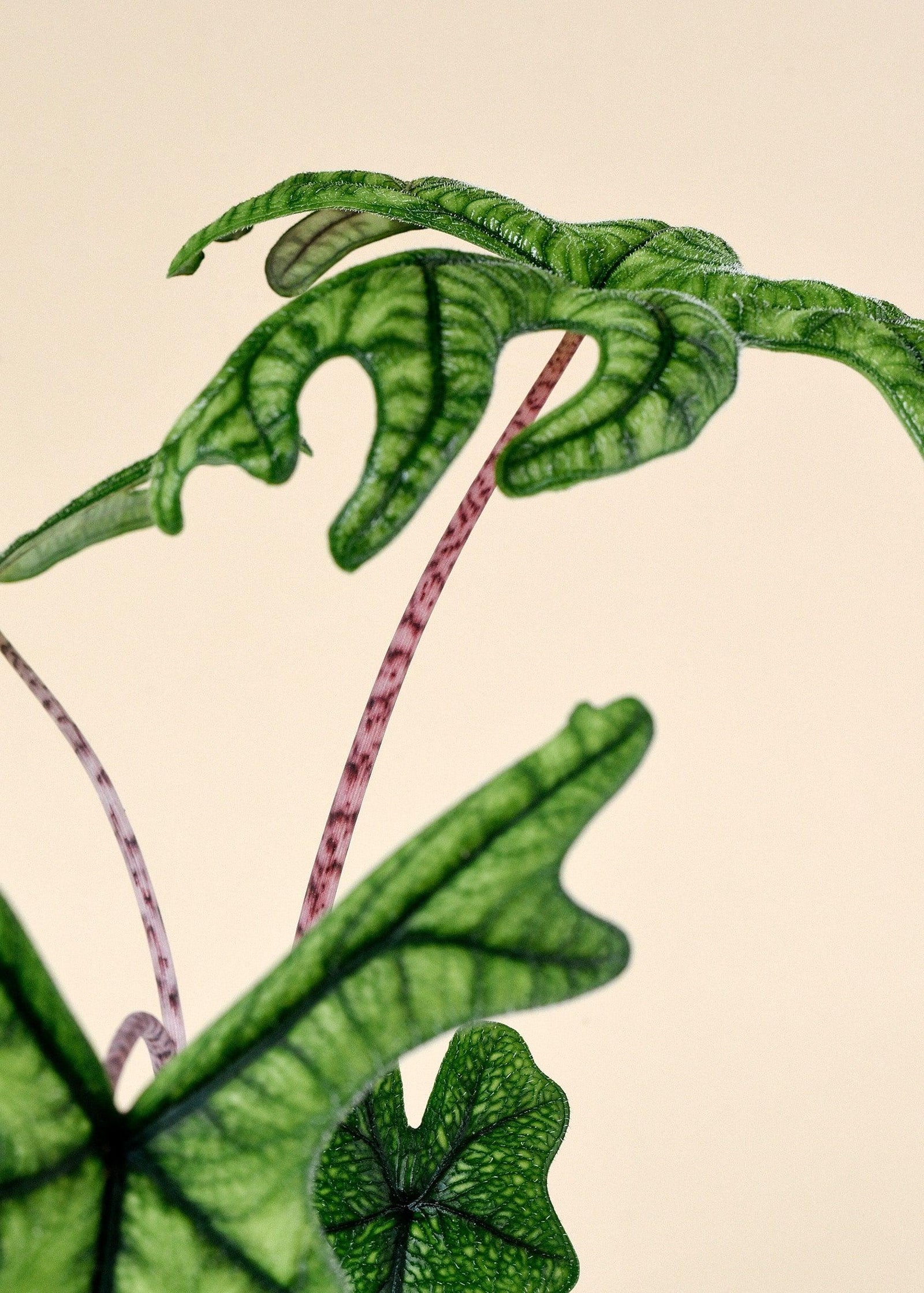
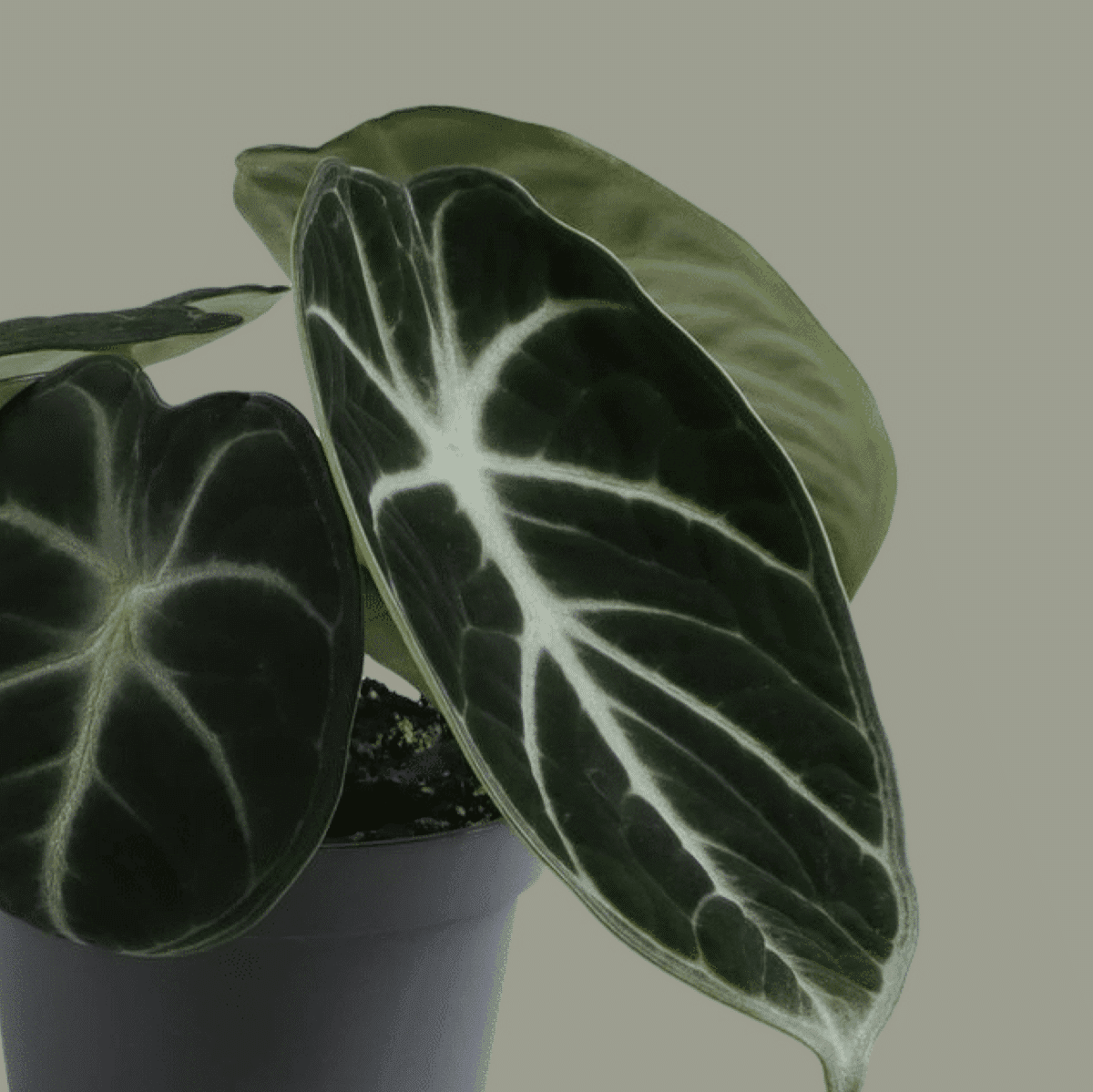
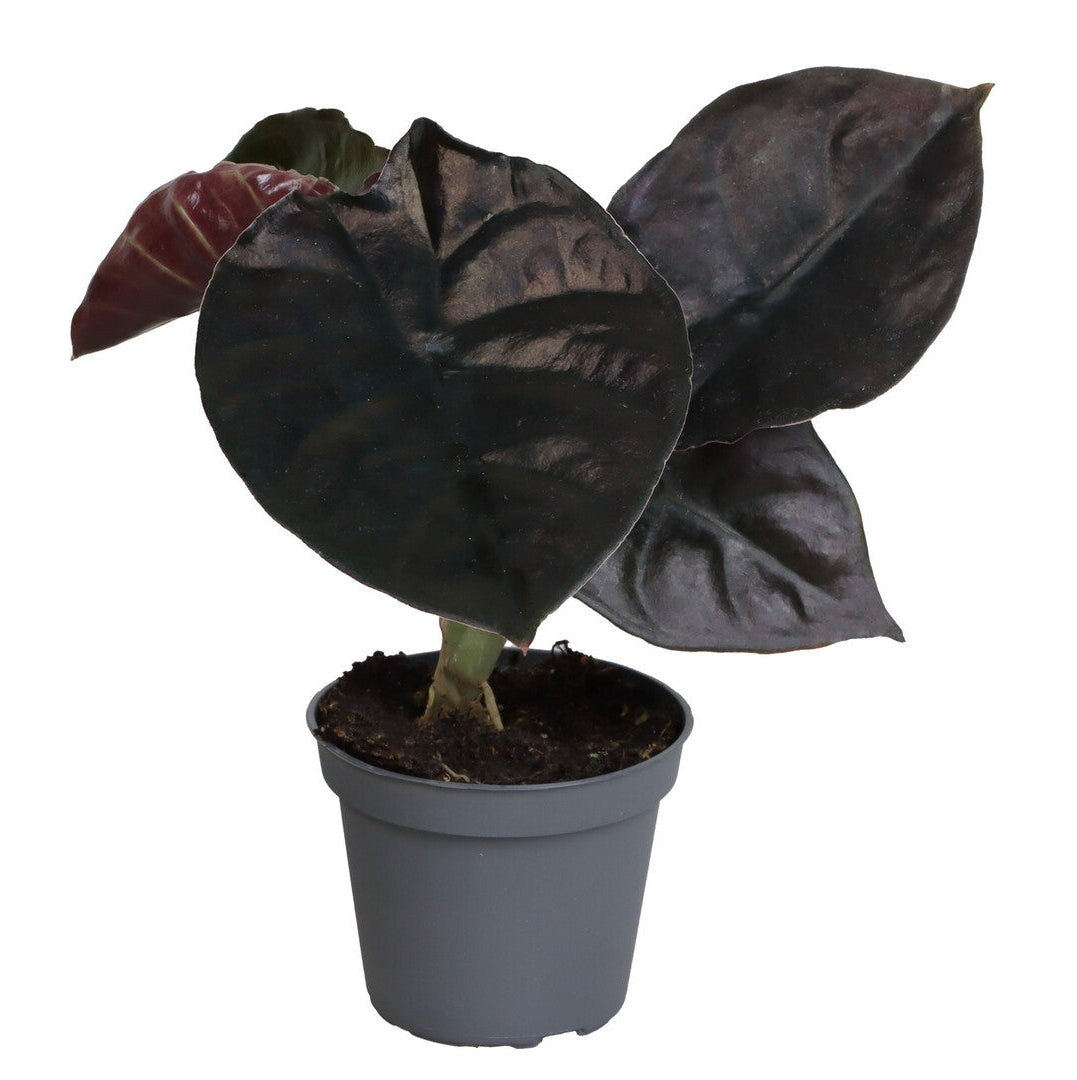
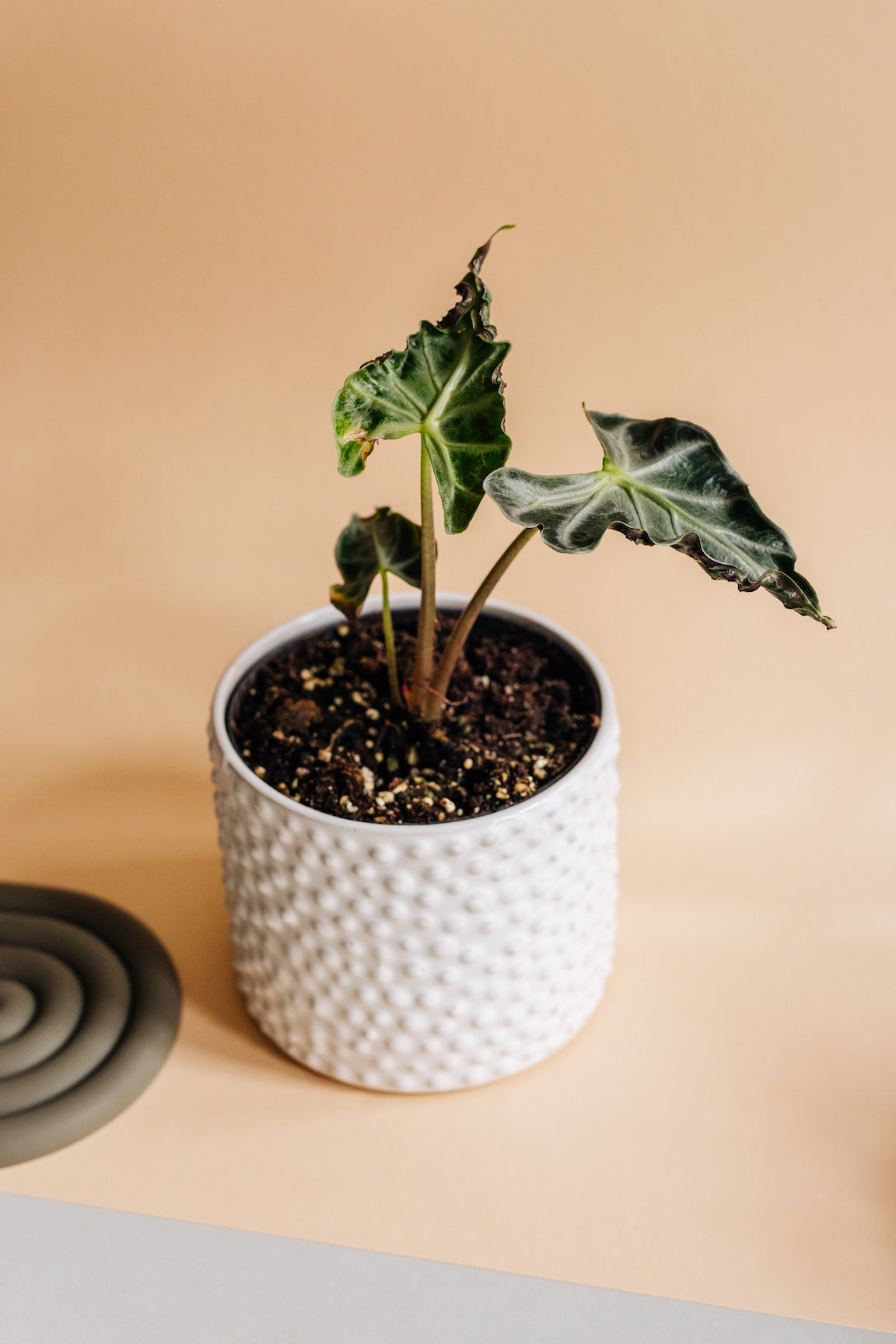
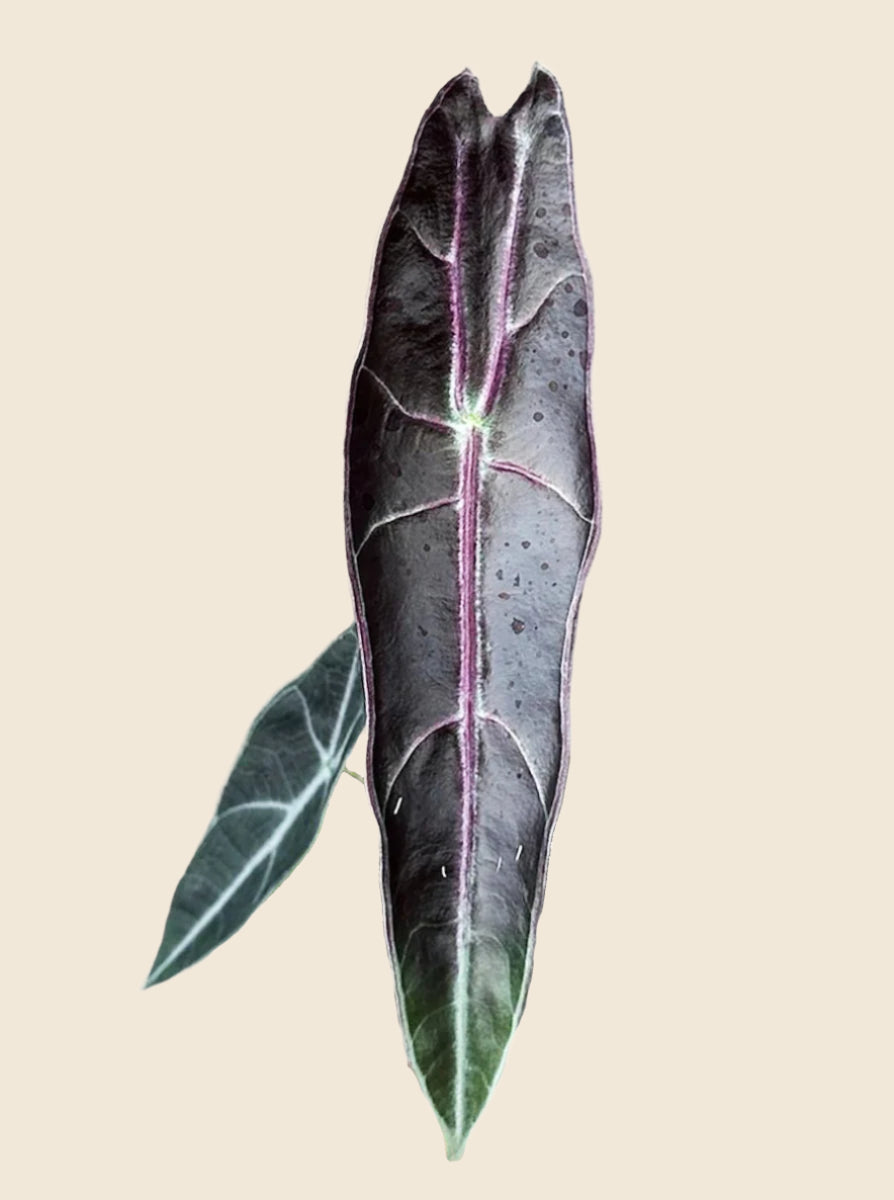
If you already understand humidity, watering rhythm, and light balance, this collection includes more specialized plants with higher collector appeal. Anthuriums, variegated Alocasias, rare Philodendrons, and unusual aroids can be incredibly rewarding, especially if you enjoy watching leaf shape, venation, and variegation develop over time. These plants often do best with consistent bright indirect light, stable warmth, and careful watering.
How to choose variegated plants
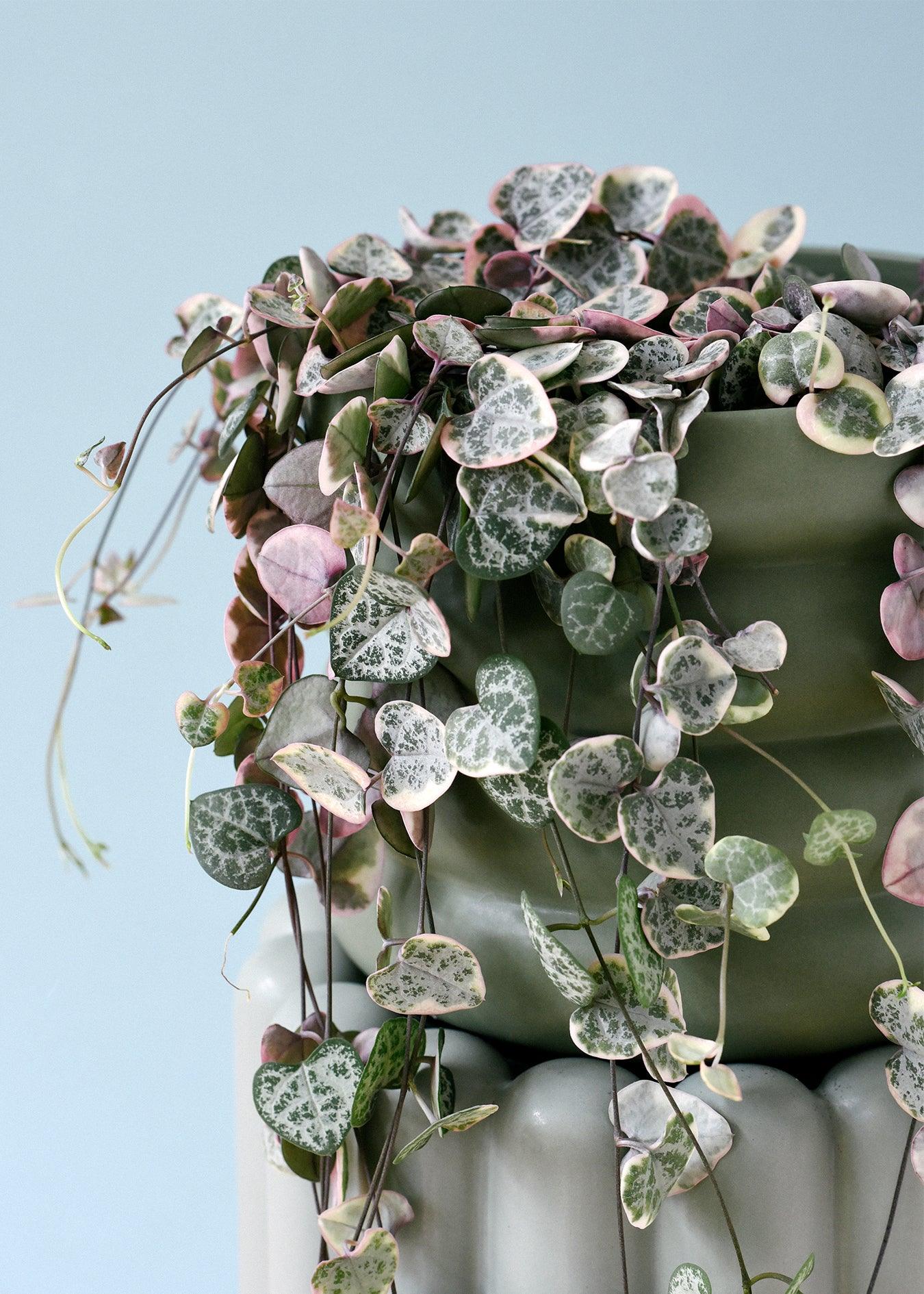
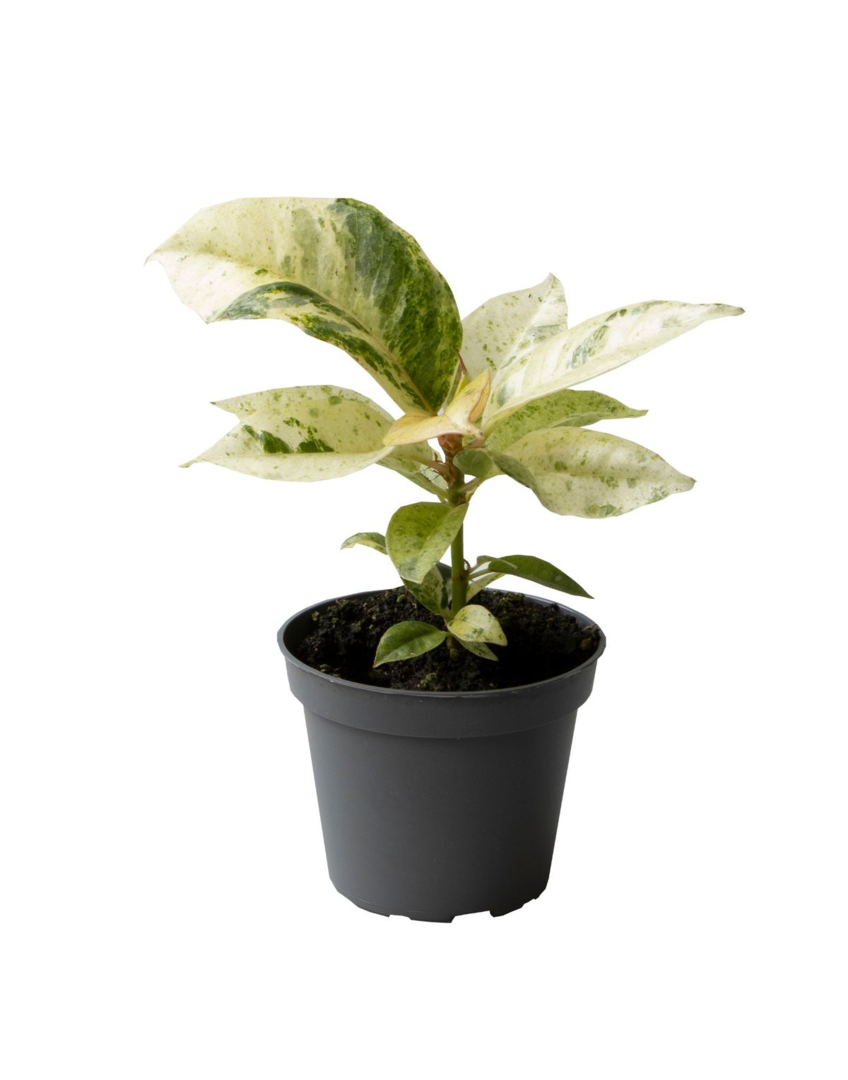
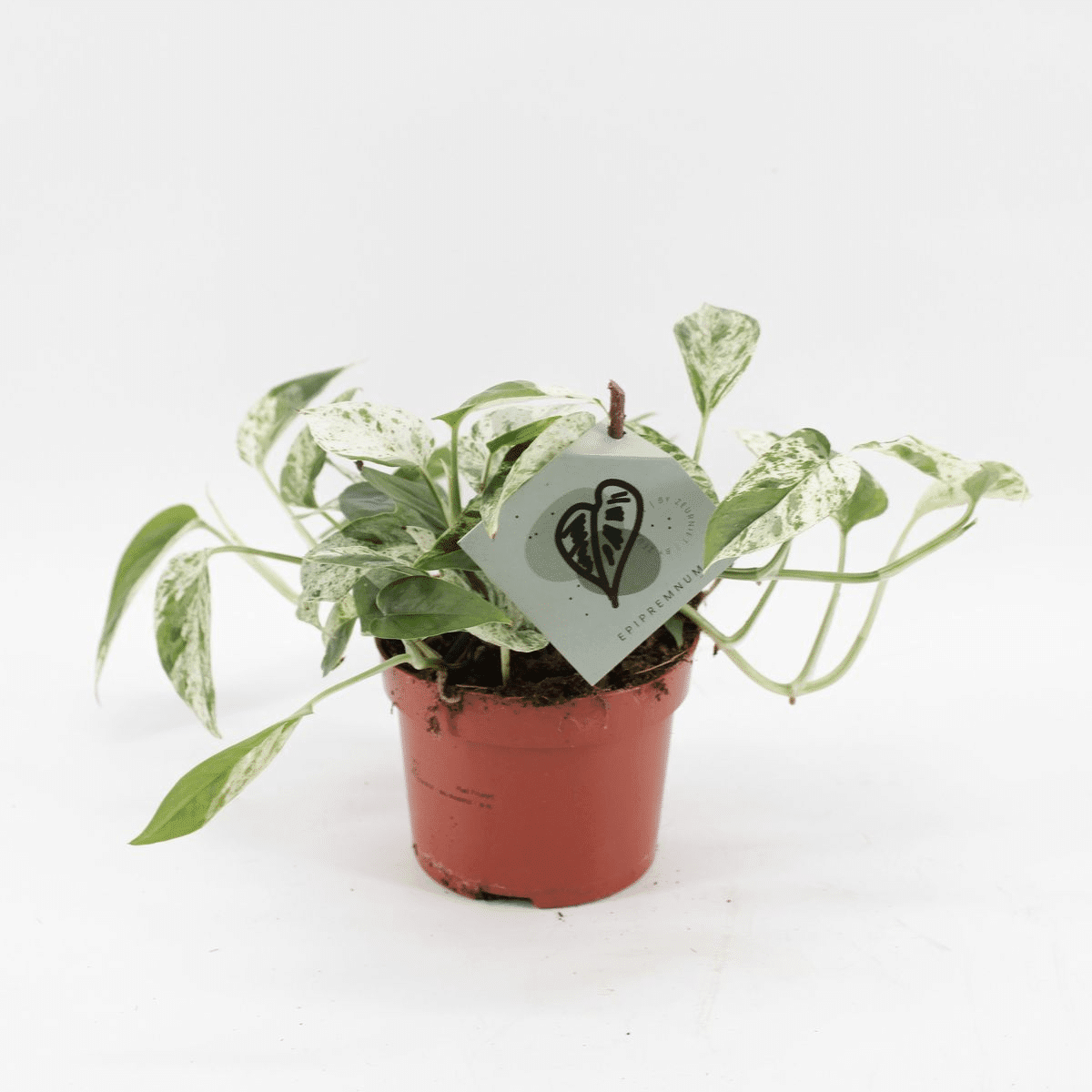
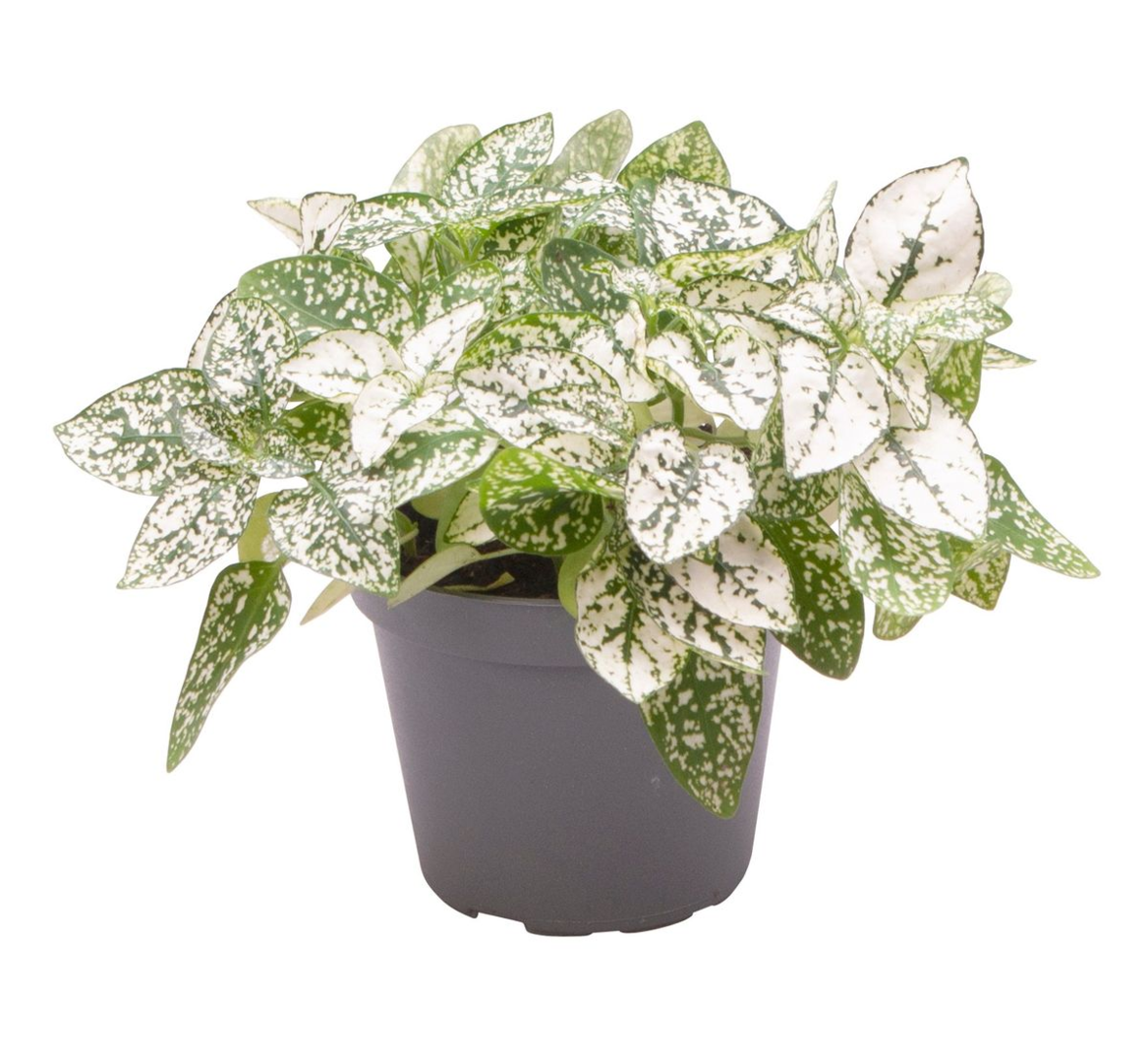
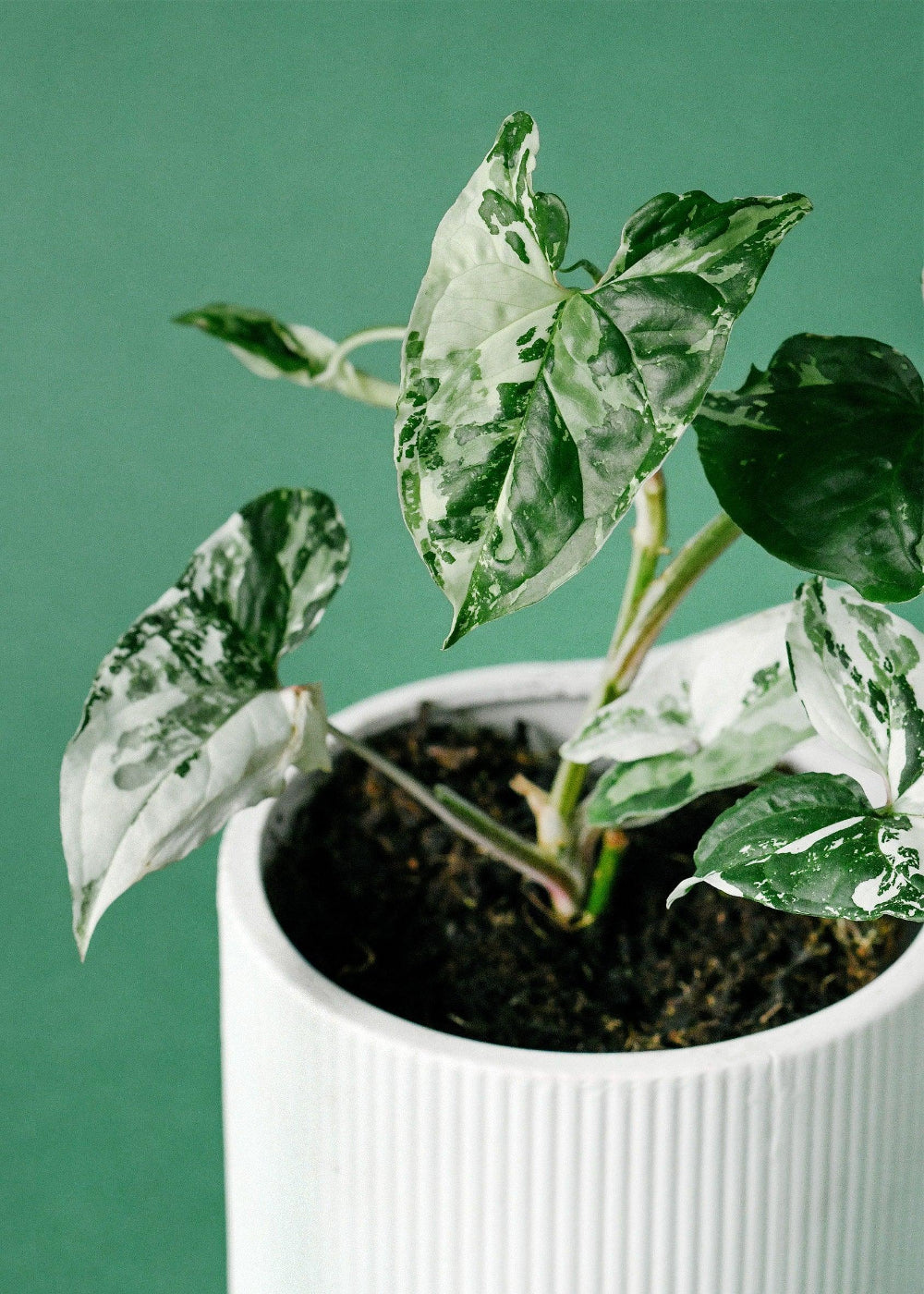
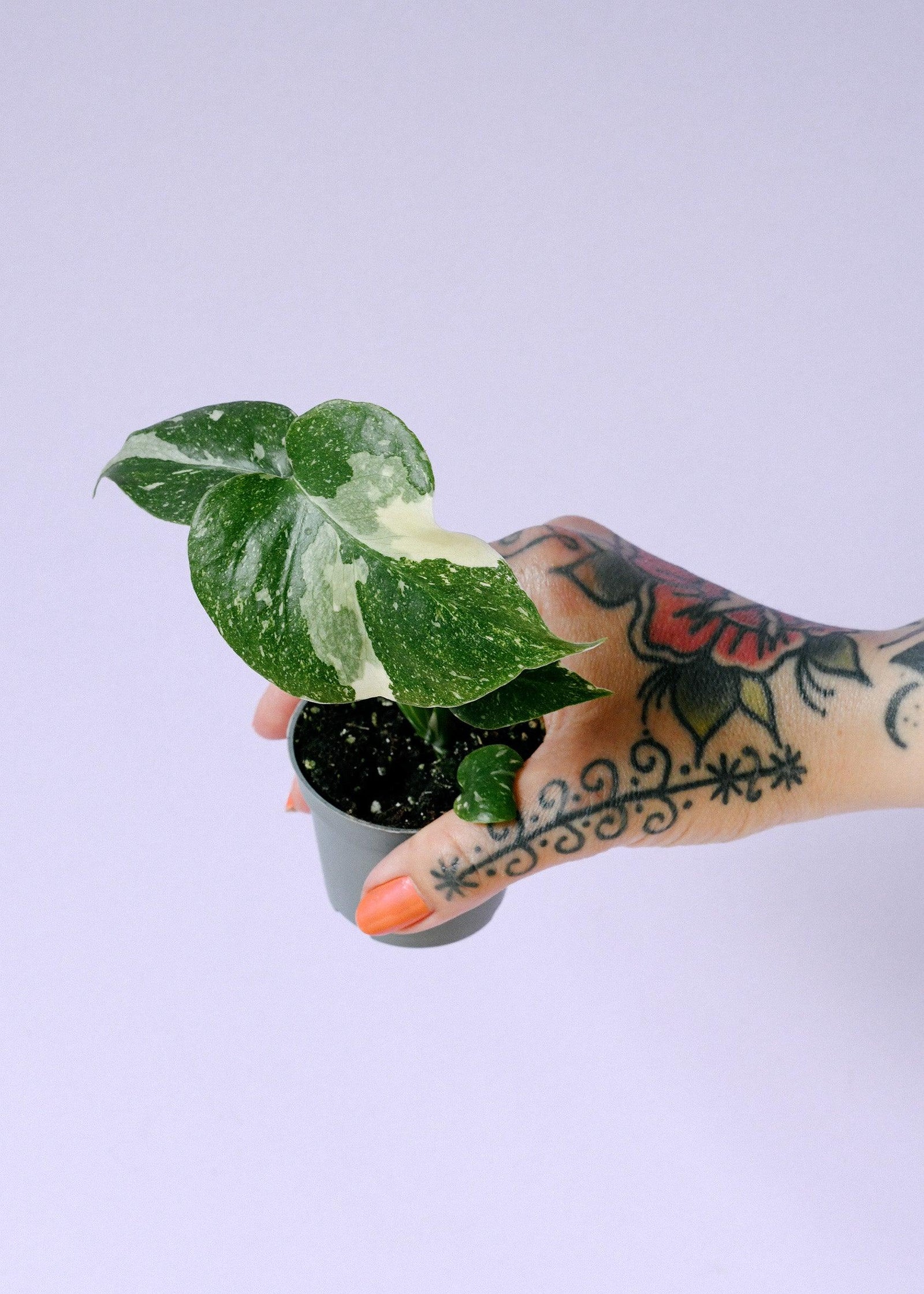
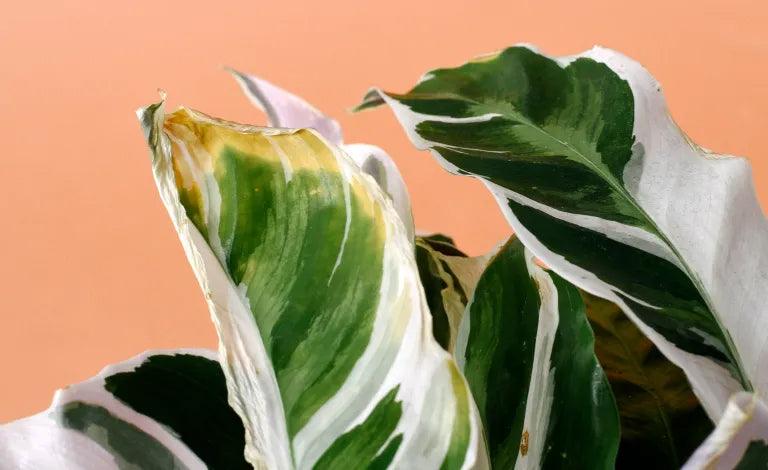
Variegated plants need a little more attention than fully green plants because the pale or white parts of the leaves contain less chlorophyll. That usually means they grow more slowly and need brighter indirect light to stay strong. Avoid dark corners for highly variegated plants. A spot close to a bright window, protected from harsh direct sun, is usually best.
Light matters more than rarity
Before choosing a rare plant, think honestly about your light. Bright indirect light is ideal for most rare and variegated houseplants. Low-light spaces are better suited to hardier plants with more green in the leaves. If your home is dark in winter, consider using a grow light, especially for variegated Monstera, Philodendron, Alocasia, or Anthurium varieties.
Baby plants vs. larger plants
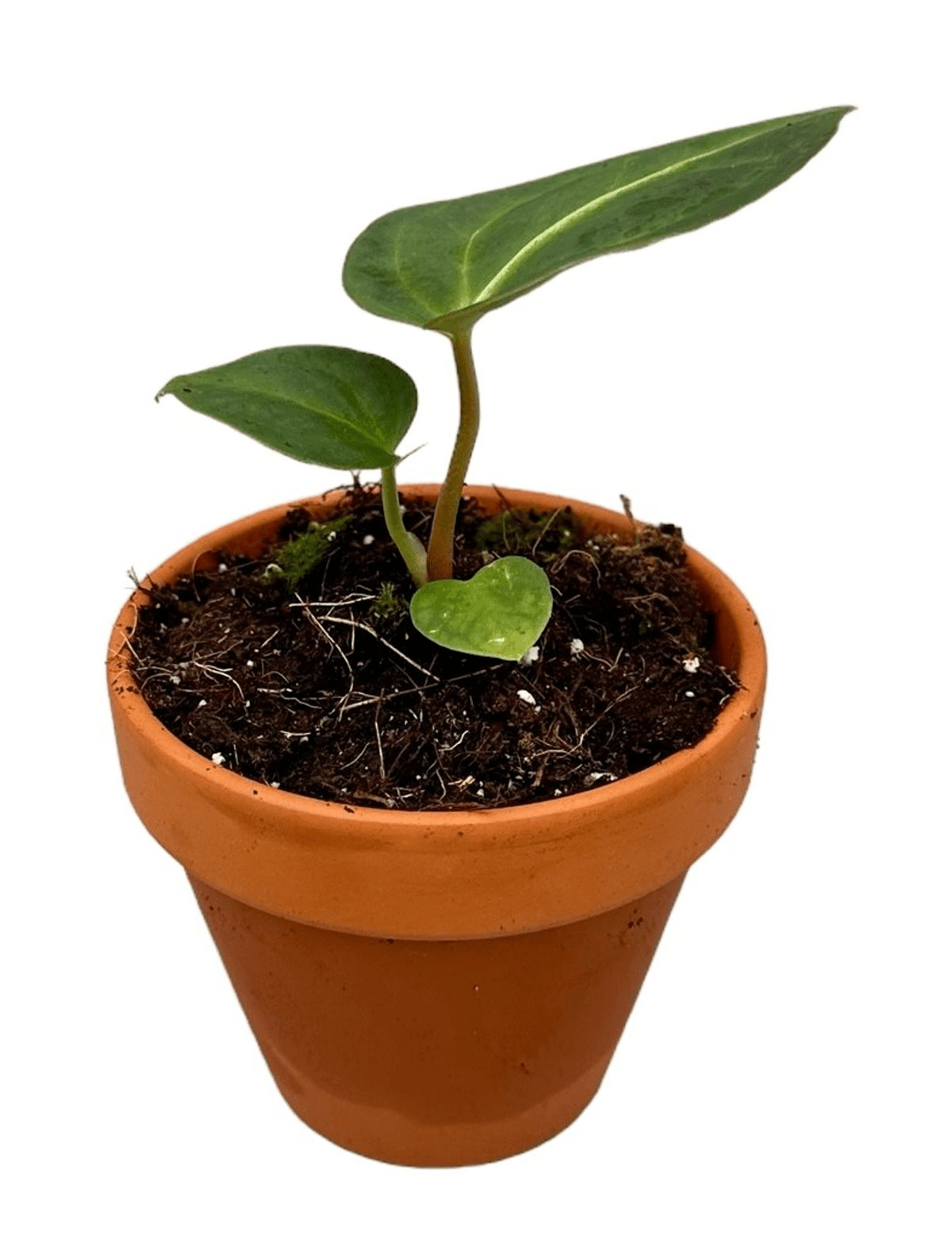
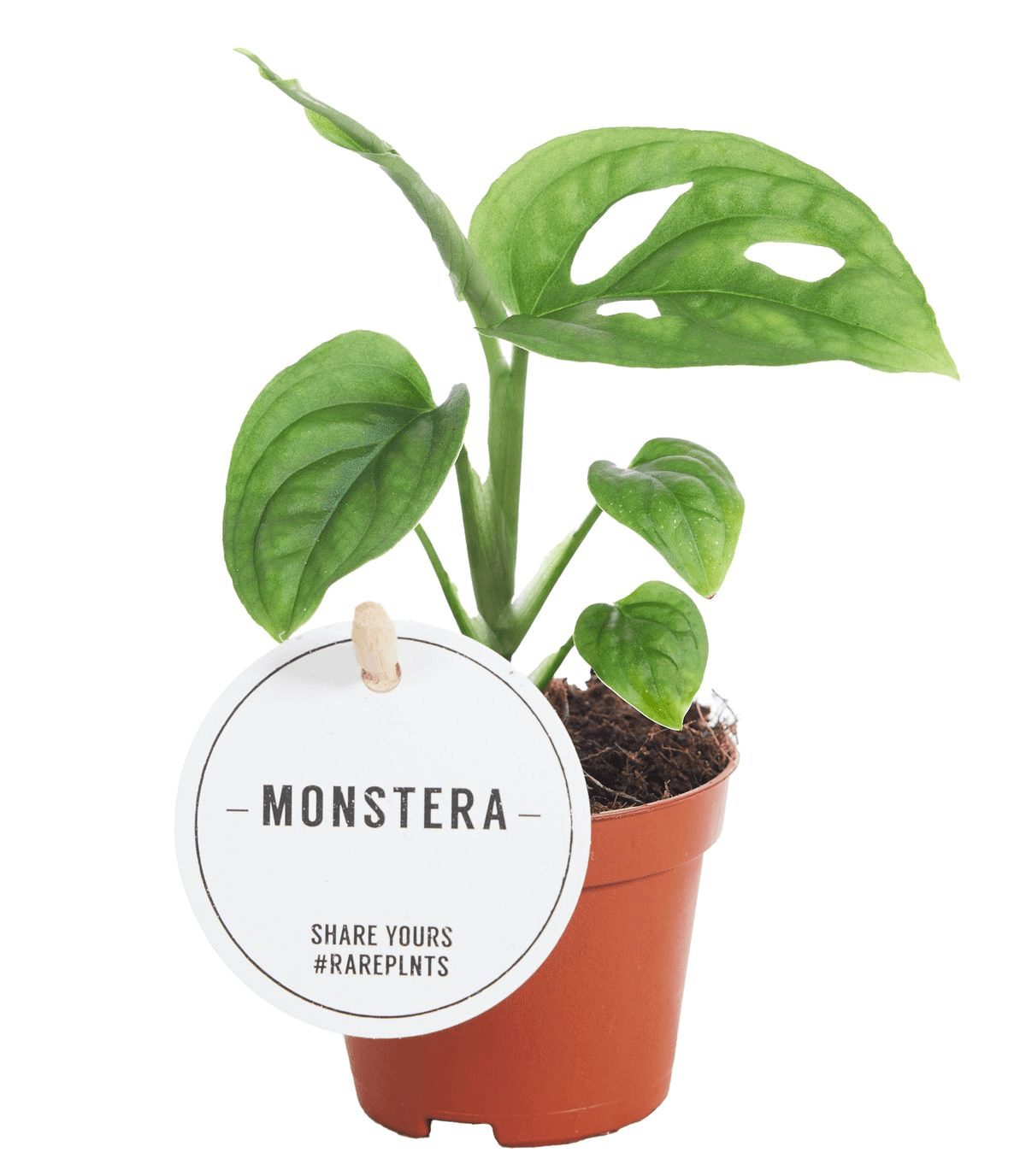
Baby plants are a great way to grow a rare plant from a smaller size and at a more accessible price. They are perfect for plant cabinets, shelves, and collectors who enjoy the process. Larger plants create more instant impact and are often more established, but they need more space and may cost more to ship. If you want a statement plant right away, choose a medium or large size. If you enjoy watching a plant mature, start with a baby plant.
Care level: easy, moderate, or advanced?
Use care level as a quick reality check. Easy rare plants are better for normal home conditions and a more relaxed watering routine. Moderate plants usually need more consistent light, humidity, and watering. Advanced plants are best for experienced collectors or anyone using a plant cabinet, humidifier, or carefully controlled growing setup.
Pet safety
Many rare aroids, including many Philodendron, Monstera, Alocasia, Anthurium, and Syngonium varieties, are not considered pet-safe. If you live with curious cats or dogs, use the pet-friendly filter or place rare plants safely out of reach. For pet-friendly homes, always check the individual product information before buying.
Shipping and acclimation
Rare and variegated plants can look slightly different after shipping because they are living plants, not factory-made objects. A short acclimation period is normal. After your plant arrives, place it in stable bright indirect light, avoid repotting immediately, and let it adjust for one to two weeks before making major care changes. Variegated and thin-leaved plants especially appreciate stable warmth and humidity after delivery.