FreeGift
FreeGift
Gift Boxes and Sets
Discover Plant Circle’s curated plant gift sets, created for plant lovers of every level. From practical care tools to beautiful, design-led accessories, each set is thoughtfully bundled and gift-ready. These plant-inspired gifts are perfect for birthdays, holidays, housewarmings and “just because” moments. Whether you’re shopping for beginner plant parents or experienced collectors, our gift sets make it easy to give something meaningful, sustainable and full of life. All sets are carefully packed and ready to delight from the moment they arrive.
Gifts for True Plant Lovers
Welcome to the Ultimate Collection for True Plant Lovers Indulge your passion for greenery with our carefully selected range of plants, stylish accessories, and flexible gift cards. Perfect for plant enthusiasts across all levels, this collection is sure to bring joy to every plant parent and collector. Unique, Easy-Care Plants Every live plant in our collection is handpicked for its charm and easy-care nature. From rare, eye-catching varieties to popular favorites, these plants are ideal for adding life to any home or workspace. Chic, Functional Accessories Beyond plants, we offer chic accessories like modern pots, watering cans, and care tools, designed to elevate your indoor jungle. These accessories not only enhance aesthetics but also promote the health and growth of your plants. Gift Cards for the Indecisive For those who prefer to choose their own plants, our gift cards offer the flexibility to explore our full range and find the perfect addition to their green collection. Give the gift of greenery, style, and choice – a collection that embodies nature, nurturing, and the joy of indoor gardening.
Hanging & Trailing Houseplants
Hanging & Trailing Houseplants for Effortless Vertical Greenery Create a lush, cascading look in your home with hanging and trailing plants that spill gracefully from shelves, window ledges, and ceiling planters. This collection brings together soft vines, sculptural strings, and collector pieces so you can style every level of your space, not just your floors. How to Choose the Right Hanging Plant Start with where your plant will live, then narrow down by care level and style: Light in the spot: Bright, indirect light suits vining Scindapsus and Pothos / Epipremnum. Medium light shelves can work for many Philodendron and Monstera, as long as it’s not too dark. Care habits: If you sometimes forget to water, look at tougher vines such as Philodendron hederaceum ‘Brasil’ or Monstera adansonii ‘Monkey Leaf’. If you enjoy a routine, more sensitive strings like Curio (Senecio) rowleyanus will reward you. Look & texture: Choose bold foliage like velvety Philodendron ‘Micans’ or fenestrated Monstera for impact, or fine, beaded strings such as Ceropegia woodii variegata for a lighter, airy feel. Pot size & placement: Baby plants are ideal for small wall planters or gallery shelves. Medium and large pots work best in macramé hangers or high corners where vines can trail freely. Top Picks by Use Case For statement shelves: Layer cascading Monstera like Monstera adansonii with rich-toned vines such as Philodendron ‘Micans’. For light, airy windows: Try sculptural strings like Curio (Senecio) rowleyanus or Ceropegia woodii variegata in hanging planters. For beginners: Look for “Easy Care” tags on products such as Philodendron ‘Brasil’, Monstera adansonii ‘Monkey Leaf’, or prayer plants like Maranta leuconeura. For collectors: Explore variegated and unusual foliage such as Monstera adansonii Mint or Monstera deliciosa var. borsigiana variegata, keeping in mind that patterns can shift with light and time. Care Summary for Hanging & Trailing Plants Most trailing houseplants prefer: Light: Bright, indirect light; a few will cope with medium light but may grow more slowly or stretch. Water: Water when the top 2–3 cm of soil feels dry. Hanging pots often dry out faster, so check a bit more frequently than you would for floor plants. Soil & drainage: Use a well-draining mix and containers with drainage holes to avoid soggy roots, especially for succulents and string plants. Pruning: Pinch back long vines to keep a full silhouette and to create more branching; you can often root the cuttings back into the same pot. For more detailed tips, explore our care stories on trailing plants in the plant care blog and individual product pages. Explore More Vertical Greenery Love the cascading look? Complement your hanging plants with structured climbers from our Climbing Houseplants or mix them with upright foliage from the Easy Care Houseplants collection to build layered, room-height plant groupings. Explore more Helpful plants, care products, and related guides: Monstera deliciosa 'Thai Constellation' Medium Monstera deliciosa 'Thai Constellation' Baby Monstera Obliqua Peru M Peperomia Albovittata 'Piccolo Banda' baby Monstera Deliciosa Large
Houseplants by Size
Discover Plants by Size: From Baby to Medium to XL Explore our unique collection of plants from baby, small to XL houseplants, featuring a range of lush, green indoor plants perfect for any space. From the striking Alocasia Jacklyn Baby to the vibrant Philodendron Prince of Orange Baby and the rare Philodendron Pink Princess Baby, our selection offers a plant for every taste. Find your next indoor companion here, whether you're looking for a compact Philodendron 'Florida Ghost' Baby or a larger Philodendron Billietiae.
Hoya Indoor Plants
Hoya Houseplants – Rare Wax Plants with Fragrant Blooms | EU GrownDiscover our curated collection of Hoya houseplants, the beloved wax plants celebrated for their sculptural leaves, trailing vines, and fragrant star-shaped flowers. From rare varieties to easy-care classics, our Hoyas are perfect for collectors and beginners alike, all lovingly grown within the EU and shipped quickly across Germany and Europe.Why Choose Hoya Plants? Fragrant Blooms: Stunning star-shaped flowers with sweet fragrance when mature Low-Maintenance: Drought-tolerant succulents perfect for busy plant parents Trailing Beauty: Gorgeous cascading vines ideal for hanging baskets and shelves Pet-Safe: Non-toxic and safe for homes with cats and dogs Rare Varieties: Exclusive selection including variegated and hard-to-find Hoya species Popular Hoya Varieties in StockRare & Variegated Hoya: Hoya Carnosa Flamingo Dream, Hoya Latifolia Pot of Gold, Hoya Krohniana Super SilverEasy-Care Favorites: Hoya Wayetii Medium, Hoya Burtoniae Medium, Hoya Gracilis Medium, Hoya RositaCollector's Varieties: Hoya Quinquenervia Star of Madura, Hoya sp. Rangsan Star of Borneo, Hoya CrassipetiolataBaby Hoya: Hoya Carnosa Flamingo Dream Baby, Hoya Callistophylla Baby, Hoya Rosita BabyHoya Sets: Hoya Plant Set with Carnosa Tricolor, Wayetii, and Latifolia AlbomarginataCare Tips for Hoya PlantsHoyas thrive in bright, indirect light and prefer to dry out between waterings—they're drought-tolerant succulents that dislike overwatering. Use well-draining cactus or succulent mix, and water only when the soil is completely dry. Hoyas appreciate moderate humidity but adapt well to typical European indoor conditions. Fertilise monthly during spring and summer to encourage blooming. With proper care, mature Hoyas reward you with clusters of fragrant, waxy star-shaped flowers.Expert Care ResourcesNeed advice on choosing or maintaining your Hoya? Explore our comprehensive Hoya Plant Profile and useful Hoya Plant Care Tips for detailed guidance on watering, light requirements, propagation, and encouraging blooms.Fast EU Shipping | Grown with LoveAll our Hoya plants are carefully cultivated within the EU and shipped with secure packaging across Germany and Europe. Whether you're building a Hoya collection or seeking a low-maintenance trailing plant, our wax plants deliver beauty, fragrance, and easy care.Shop now and add fragrant Hoya to your collection!
Indirect light
Large houseplants
Transform Your Space with Large Indoor Plants Infuse life into your interiors with our curated collection of Large Indoor houseplants. Perfect for adding a touch of biophilia to your home or workspace, these plants bring a strong, green, and vibrant presence that makes a statement. Our collection features a variety of lush, large-sized houseplants, including Ficus, Monstera, and Alocasia, all grown with meticulous care in the EU. Each plant is selected for its size, aesthetic appeal, and resilience, ensuring it will enrich your space for a long time. For those seeking grandeur, explore our XL Plant Collection featuring our largest and most impressive specimens. Find your perfect statement plant with Plant Circle and let your space flourish and thrive.
Large Low Light Plants
Bring lush greenery into every corner of your home with our curated collection of low light large plants. Perfect for spaces with indirect sunlight, these bold and resilient varieties thrive where others struggle, transforming even the shadiest spots into vibrant green sanctuaries. From the dramatic Alocasia ‘Regal Shields’ and elegant Aspidistra Elatior, to the striking foliage of Aglaonema Silver Bay and the architectural beauty of the ZZ Plant ‘Black Raven’, each plant in this collection is chosen for its ability to flourish with minimal light while still making a big statement. Whether you’re styling a cozy living room, a shaded office corner, or a hallway with limited natural light, these plants bring life, texture, and presence without demanding constant sunshine. Discover the beauty of easy-care greenery that adapts to your lifestyle—big plants with big impact, made for low light living.
Lipstick Plants (Aeschynanthus) – Cascading Tropical Beauties
Lipstick Plants: Vibrant Cascading Houseplants for Every Space Lipstick plants (Aeschynanthus) are stunning tropical trailing plants prized for their glossy foliage and tubular red, orange, or pink flowers that emerge from dark calyxes resembling lipstick tubes. Native to Southeast Asian rainforests, these epiphytic beauties thrive as hanging plants or in elevated planters where their cascading vines create dramatic living displays. Why Choose Aeschynanthus Lipstick Plants? Lipstick plants combine ornamental appeal with relatively easy care, making them ideal for intermediate plant enthusiasts seeking statement pieces. Their trailing growth habit reaches 60–90 cm, perfect for shelves, macramé hangers, or kokodama displays. Unlike many flowering houseplants, Aeschynanthus blooms reliably indoors with proper bright indirect light. Popular Aeschynanthus Varieties in Our Collection Aeschynanthus radicans 'Rasta' – The classic lipstick plant with dark green leaves and vibrant red tubular blooms Aeschynanthus 'Pink Polka' – Variegated cultivar featuring pink-spotted foliage and coral-pink flowers Aeschynanthus marmoratus – Marbled lipstick plant with striking patterned leaves and chocolate-burgundy undersides Aeschynanthus 'japhrolepis' – Cascading variety with narrow leaves and prolific orange-red blooms Aeschynanthus 'Twister' – Unique curled foliage adds textural interest even when not flowering Aeschynanthus rasta – Compact starter size perfect for beginners Lipstick Plant Care Essentials Light: Bright indirect light is crucial for flowering. East or west-facing windows work best. Insufficient light prevents blooming while direct sun scorches leaves. Learn more in our Beginner Plant Care 101 guide. Water: Keep soil consistently moist during growing season (spring–summer) but allow the top 2–3 cm to dry between waterings. Reduce frequency in winter. Lipstick plants prefer humidity above 50%—mist regularly or use pebble trays. Avoid hard water which causes leaf spotting. Soil: Use well-draining, airy potting mix with perlite, orchid bark, or coco coir. Epiphytic roots require excellent aeration to prevent rot. Temperature: Maintain 18–27°C year-round. Avoid cold drafts and temperatures below 15°C which trigger leaf drop. Feeding: Apply diluted liquid fertilizer every 2–3 weeks during active growth. Reduce to monthly in autumn/winter. Pruning: Trim leggy vines after flowering to encourage bushier growth and more bloom sites. Propagate stem cuttings easily in water or soil. Common Questions About Lipstick Plants Why isn't my lipstick plant flowering? Insufficient light is the primary cause. Move to a brighter location and ensure 12+ hours of bright indirect light daily. Cool night temperatures (15–18°C) for 4–6 weeks can also trigger blooming. Are lipstick plants pet-safe? Yes, Aeschynanthus species are non-toxic to cats and dogs, making them excellent choices for pet-friendly homes. How do I increase humidity for my lipstick plant? Group with other plants, use a humidifier, place on water-filled pebble trays, or mist foliage 2–3 times weekly. Bathrooms with bright windows provide ideal conditions. Troubleshooting Lipstick Plant Issues Yellowing leaves often indicate overwatering or poor drainage. Brown leaf tips suggest low humidity or fluoride in tap water—switch to filtered or rainwater. For pest problems like aphids or mealybugs, consult our Neem Oil guide or consider beneficial predator bugs. Leggy growth with sparse leaves indicates insufficient light. Prune back and relocate to a brighter spot. Refer to our summer plant care tips for seasonal adjustments. Styling Lipstick Plants in Your Home Aeschynanthus excels in hanging baskets, wall-mounted planters, or atop tall plant stands where cascading vines create vertical interest. Pair with other tropical epiphytes or display solo as a focal point. The kokodama presentation offers a minimalist Scandinavian aesthetic perfect for modern interiors. Shop our curated selection of premium lipstick plants, carefully selected for health and vigor. All plants ship with secure packaging and care instructions to ensure they arrive ready to thrive in your Berlin home or across Europe.
Low Light Plants
Low light houseplants for shady corners and cozy rooms Not every home is flooded with sun – and that’s okay. This collection brings together shade-tolerant houseplants that can handle life a bit further from the window, from dramatic Alocasia to colorful, easy-going Aglaonema and trailing Epipremnum. How to choose the right low light plant Start with where your plant will live and how much attention you realistically want to give it: For beginners & busy weeks: Reach for forgiving Aglaonema such as 'White Diamond' or 'Red Zircon'. For statement foliage: Choose sculptural Alocasia like Alocasia Jacklyn, 'Dragon Scale' or 'Silver Dragon'. For shelves & hanging spots: Go for trailers such as Epipremnum 'Cebu Blue' or Neon Pothos. For darker European apartments: Look for plants tagged “Low light” and place them near a north-facing window or a few metres from brighter windows – they still need some indirect light. Top picks by use case Workspaces & home offices: Aglaonema 'White Diamond', 'Crete' and 'Red Zircon' tolerate steady, moderate light and don’t mind a regular office routine. Moody corners & design moments: Try textured Alocasia like Cuprea 'Red Secret', reginula 'Ninja' or Alocasia Frydek for a more dramatic, collector feel. Small spaces & gifts: Baby plants such as Alocasia Jacklyn Baby or Aglaonema 'Red Valentine' Baby are perfect for shelves and window ledges. Trailing greenery for height: Layer in Epipremnum 'Cebu Blue' and Neon Pothos to soften bookcases, cupboards and curtain rails. Care summary for low light plants Low light doesn’t mean no care – it just shifts what plants need from you: Light: Aim for bright to medium indirect light, or a spot 1–3 m from a window. Most plants here cope with lower light but will grow more slowly and may show less intense colour in very dim rooms. Water: In lower light, soil stays moist longer. Let the top 2–3 cm of soil dry before watering, and always use pots with drainage holes to reduce the risk of root rot. Humidity: Many Alocasia enjoy higher humidity. Bathrooms with some indirect light or a humid corner near other plants usually work well. Feeding: During spring and summer, a light, monthly feed is usually enough. In autumn and winter, most low light plants are fine with little or no fertiliser. Explore more Plant Circle collections Looking for a different vibe? Discover our easy care houseplants for ultra-relaxed routines, or browse our pink plants and silver foliage plants to build a colour story across your space. Explore more Helpful plants, care products, and related guides: Summer Houseplant Care: Light, Water & Holiday Tips | Plant Circle Beginner Plant Care 101: Light, Water, Soil & Signs Your Plant Needs Help Plant Circle’s Top 5 houseplants for low light Transform Your Gloomy Flat into a Lush Paradise: Best Low Light Plants for Berlin Homes
Medium Aglaonemas
Welcome to Our Medium Aglaonemas Collection Discover our diverse selection of medium-sized Aglaonemas, meticulously curated and nurtured for your indoor gardening adventures. From the ethereal Aglaonema 'Ghost' to the vibrant Aglaonema 'Pink Allusion', each plant in our collection promises lush foliage and striking patterns. Whether you're a seasoned green thumb or a budding plant parent, our Aglaonemas are easy to care for and adapt well to most indoor environments. Brighten up your space with our Aglaonema 'White Diamond' or add a pop of colour with our Aglaonema 'Cherry Baby'. Each plant comes with detailed care instructions, ensuring your indoor jungle thrives. Shop now and bring nature's beauty into your home.
Medium Alocasias
Welcome to our Medium Alocasias Collection Experience the beauty of nature in your own home with our medium-sized Alocasias. Each plant in this collection, from the distinctive Alocasia 'Dragon Scale' to the rare Alocasia 'Jacklyn', brings a unique aesthetic appeal. All our Alocasias are grown with utmost care, ensuring a mature height range of approximately 20cm to 45cm. They come in 12cm and 14cm pots, making them the perfect addition to any indoor space, large or small. Explore the collection and find your new leafy companion today.
Medium Anthuriums
Discover the Charm of Medium Anthuriums Our collection of Medium Anthuriums showcases the enchanting beauty of these exotic plants. Ranging from the regal 'Queen of Hearts' to the sparkling 'Super Silver Blush', and from the adventurous Andreanum Spirit to the captivating Clarinervium, these plants are sure to add a touch of tropical elegance to any space. These medium-sized Anthuriums, approximately 40.0cm in height and housed in 12.0cm pots, are ideal for compact spaces yet bold enough to make a statement. Also explore the graceful Gracile, the luxurious Luxurians, and the vibrant Villenaorum Baby. Each plant in this collection is a testament to the diverse beauty of the Anthurium species.
Medium houseplants
Medium-Sized Indoor Plants for Home or Office Discover our diverse collection of medium-sized indoor plants, perfect for adding a touch of greenery and boosting the ambiance of any space. This collection features popular and unique species like the elegant Aglaonema 'White Diamond', the vibrant Philodendron Brasil, and the intriguing Fishbone Cactus. Each plant varies in height from approximately 25.0cm to 35.0cm, making them ideal for desk tops, shelves, or window sills. Elevate your indoor environment with these stunning, easy-to-care-for plants.
Medium Philodendrons
Explore Our Collection of Medium-Sized Philodendrons Dive into our diverse collection of medium-sized Philodendrons, the perfect addition to your indoor jungle. Our selection includes the eye-catching Philodendron 'Dean McDowell', the rare 'Ring Of Fire', and the stunningly unique Philodendron Atabapoense. Whether you're a seasoned plant enthusiast or a budding green thumb, our Philodendrons will breathe life into any space. Each plant comes in a medium size, making them the perfect fit for your home or office. Discover the rich diversity of Philodendrons in our collection today!
Minimum Designed Pots: Where Style Meets Sustainability
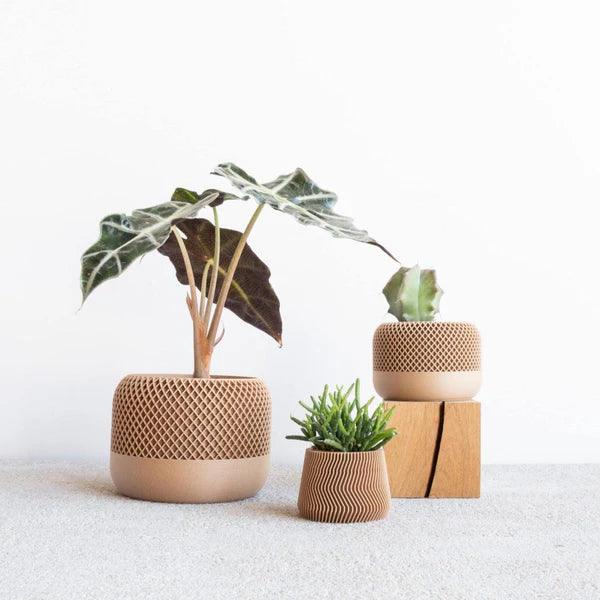
``` Experience the Blend of Sustainability and Style with Minimum Designed Pots Our Minimum Designed Pots present a smart choice for the eco-conscious plant lover. Crafted with biodegradable materials, these pots are a testimony to sustainable living without compromising on aesthetics. Available in 6cm, 12cm, and 15cm diameters, our pots are perfect for all Plant Circle plants. Why Minimum Designed Pots? Eco-friendly: Made with sustainable materials, they reduce environmental impact. Waterproof: Designed for hassle-free plant care. Just place your nursery pot inside. Versatile: With natural finish, they complement Praha, Japan, Eden, Oslo, Savanne, and Apple design styles. Durable & Lightweight: Ideal for daily use, easy to handle and clean. Various Sizes: From petite 6cm pots to larger 15cm options, catering to every plant in your collection. Minimum Designed Pots are not just planters, they are a statement of your commitment to a greener future. Perfect for minimalist or bohemian decor, they bring functionality and beauty to your space. 🌿 Embrace an eco-friendly lifestyle with these stylish planters! ```
Moderate Care Plants
Monstera Collection – Iconic & Rare Indoor Monsteras
Monstera Collection: From Classic Deliciosa to Rare Collector Plants Explore our curated Monstera collection – from big, sculptural Monstera deliciosa XXL to sought-after variegated forms like Monstera deliciosa ‘Thai Constellation’ and compact baby plants for growing on. All plants are grown in the EU and selected for strong roots, good structure, and safe shipping across Europe. How to Choose the Right Monstera Start with where your Monstera will live and how much space you have: Big impact, easy care: Choose a classic like Monstera deliciosa or Deliciosa XXL for bold leaves and fast visual impact. Trailing and shelf-friendly: Go for an adansonii type such as Monstera adansonii ‘Monkey Leaf’ or Monstera adansonii Baby if you prefer hanging planters or shelving. Variegated & collector pieces: If you enjoy more detailed care, explore variegated options like Monstera deliciosa var. Borsigiana Variegata, Thai Constellation Baby, or Monstera deliciosa variegata ‘Mint’ Baby. Unusual textures & leaf shapes: For something different, look at Monstera obliqua Peru, Monstera Esqueleto Baby, or Monstera Burle Marx Flame L. If you’re new to Monsteras, consider starting with an easy, non-variegated plant first, then adding rarer varieties once you know how they behave in your space. Top Picks by Use Case For beginners: Monstera deliciosa Large, Monstera adansonii ‘Monkey Leaf’ Medium, or Monstera deliciosa XXL if you want an instant statement plant. For shelves & hanging planters: Trailing options like Monstera adansonii Baby, Monstera adansonii ‘Frozen Freckles’ Medium, and Monstera Adansonii Mint Baby. For collectors: Statement plants such as Monstera Albo Variegata, Monstera ‘Thai Constellation’ Medium, Monstera Burle Marx Flame L, and Monstera obliqua Peru. For small budgets or gifting: Baby Monsteras like Thai Constellation Baby, Adansonii ‘Frozen Freckles’ Baby, and Monstera Esqueleto Baby are ideal for growing along with you. Monstera Care in a Nutshell Most Monsteras enjoy bright, indirect light, evenly moist but not soggy soil, and regular feeding during the growing season. Variegated types generally appreciate a bit more light (without harsh midday sun) and steadier conditions. Allow the top layer of soil to dry slightly between waterings, and use a moss pole or support if you’d like your plant to climb. For deeper care tips and troubleshooting, explore our guides: Monstera deliciosa care guide, variegated Monstera care, and essential Monstera care tips. Explore More Collections If you’re building a full indoor jungle, you might also like our Easy Care Houseplants, Aroid Collection, or Variegated Plants for more texture and leaf patterns around your Monsteras. Explore more Helpful plants, care products, and related guides: Monstera Deliciosa by Plant Circle – XL Variegated Plants Rare and Variegated Plants Medium Monstera Monstera Madness: Unique Varieties and Alternatives to Upgrade Your Indoor Jungle
Newly Added
Discover Plant Circle’s Newly Added collection, featuring our freshest indoor plant arrivals curated for European homes. From rare tropical aroids to pet-friendly Calatheas and easy-care trailing plants, find unique varieties to expand your urban jungle. Each new addition is grown with love in the EU and shipped quickly across Germany and Europe. Shop today to transform your apartment, office, or studio into a lush green oasis with our ever-growing selection of botanical treasures.
Outdoor Balcony Plants – Hardy Perennials for Pots | 1 or 3 Pack
Hardy balcony plants for real European outdoor spaces Create a long-lived balcony planting scheme with hardy perennials, grasses and small shrubs that are happy in pots. This collection focuses on outdoor balcony plants for German and European climates – from statement grasses like pampas to compact perennials and structural bamboo. You’ll find options for sun, partial shade and different balcony sizes, plus flexible 1 or 3 plant packs to build your own mix. How to choose outdoor balcony plants for your pot Start with your balcony conditions, then match plants to the space: Sun vs. shade: For hot, south-facing balconies, look at sun lovers like pampas grasses and drought-tolerant perennials such as Agastache ‘Blue Fortune’. For shadier spots, look for shade-tolerant flowering perennials and structural greenery. Pot size & height: Taller plants like Fargesia rufa bamboo or olive trees need deeper, heavier containers. Smaller perennials and flowering balcony plants work well in medium pots, balcony boxes and grouped planters. Colour vs. structure: Combine long-blooming perennials (asters, bellflowers, Agastache) with grasses and shrubs for year-round structure, especially for winter. 1 or 3 pack: Choose a single plant for a hero container, or a 3 pack to repeat along the railing, fill a larger trough or create a coordinated group. Top picks by balcony use case For a soft, modern grass look: Try Cortaderia ‘Rose Plume’ or other pampas grasses in matching pots for airy movement and height. For a green privacy screen: Clumping Fargesia rufa bamboo creates a dense, non-invasive hedge feel in a row of containers. For Mediterranean terrace vibes: An olive tree in a generous container paired with sun-loving perennials adds instant holiday energy. For colourful seasonal flowers: Choose balcony-sized perennials like asters, bellflowers and delphiniums in 1 or 3 packs and mix them in railing planters and tubs. For bold foliage pots: Caladium tubers such as Caladium ‘Spring Fling’ or Caladium ‘Pink Beauty’ are great for frost-free months but should be lifted or protected from cold. Care summary for balcony perennials in pots Pots & drainage: Use containers with drainage holes and a high-quality outdoor potting mix. Larger pots dry out more slowly and suit bigger grasses, shrubs and bamboo better. Watering: Check soil regularly, especially in heat or wind. Most balcony perennials prefer evenly moist, well-drained soil rather than constantly wet compost. Feeding: During the growing season, use a balanced slow-release fertiliser or occasional liquid feed to support flowering and healthy foliage. Winter care: Many plants in this collection are hardy, but container-grown roots feel frost more than plants in the ground. Group pots together, raise them on feet and protect very exposed balconies where needed. Check each product page: Light needs, final size and detailed winter protection vary by plant. Always follow the specific care notes on the individual product listing. Explore more outdoor-friendly collections If you’re still planning your balcony, you might also like our curated outdoor plants collection and our selection of pots and planters for matching containers. Explore more Helpful plants, care products, and related guides: Beginner Plant Care 101: Light, Water, Soil & Signs Your Plant Needs Help Outdoor Balcony Plants: Hardy Perennials for Every Terrace
Palms
Premium Indoor Palm Plants for European Homes – Buy Palms Online Transform your space with elegant indoor palm plants. Our curated palm collection features popular varieties including Kentia palms, Areca palms, Parlour palms, and rare specimens—all grown with care in the EU and shipped fast across Germany and Europe. Why Choose Indoor Palm Plants? Palm plants bring instant tropical elegance to modern interiors while offering practical benefits for your home. These architectural beauties purify indoor air, thrive in European climate conditions, and create a calming, resort-like atmosphere in living rooms, offices, and bright corners. Popular Palm Varieties in Our Collection Kentia Palm (Howea forsteriana) The Kentia palm is one of the most elegant and low-maintenance indoor palms available. With graceful arching fronds and excellent tolerance for lower light conditions, it's perfect for German apartments and European homes. Kentia palms grow slowly and adapt well to indoor environments, making them ideal statement plants for living spaces. Areca Palm (Dypsis lutescens) Also known as the Golden Cane Palm or Butterfly Palm, the Areca palm features feathery, golden-green fronds that create a lush tropical feel. This palm is an excellent air purifier and thrives in bright, indirect light—perfect for sunny European interiors. Parlour Palm (Chamaedorea elegans) The compact Parlour palm is ideal for smaller spaces, desks, and shelves. This adaptable palm tolerates low light and requires minimal care, making it perfect for beginners and busy plant lovers. Read our Chamaedorea care guide for expert tips. Pygmy Date Palm (Phoenix roebelenii) The Pygmy Date Palm offers a classic palm silhouette with delicate, feathery fronds. This slow-growing palm adds exotic charm to bright indoor spaces and thrives with consistent care. Ponytail Palm (Beaucarnea recurvata) Technically a succulent, the Ponytail Palm features a distinctive swollen trunk base and cascading foliage. Extremely drought-tolerant and easy to care for, it's perfect for forgetful waterers and modern minimalist interiors. Palm Plant Care Essentials Light Requirements Most indoor palms prefer bright, indirect light but many varieties (like Kentia and Parlour palms) tolerate lower light conditions. Avoid harsh direct sunlight which can scorch delicate fronds. East- or west-facing windows work beautifully in European homes. Watering Your Palm Keep soil consistently moist but never waterlogged. Most palms prefer slightly moist conditions—water when the top 2–5 cm of soil feels dry. Reduce watering frequency during winter months when growth naturally slows. Humidity & Temperature Palms appreciate moderate to high humidity (40–60%), making them ideal for bathrooms, kitchens, or rooms with humidifiers during dry European winters. Maintain temperatures between 15–24°C for optimal growth. Soil & Fertilizing Use well-draining potting mix formulated for palms or tropical plants. Feed monthly during spring and summer with balanced liquid fertiliser. Pause feeding in autumn and winter when growth slows. Common Palm Care Issues Brown leaf tips: Usually caused by low humidity, fluoride in tap water, or underwatering Yellow fronds: Often indicates overwatering or nutrient deficiency Slow growth: Normal for most palms—they're naturally slow growers indoors Pests: Watch for spider mites and scale; treat with neem oil or insecticidal soap For comprehensive plant care advice, explore our plant care guides covering watering, humidity, pest management, and seasonal care. Why Buy Palms from Plant Circle? EU-grown quality: All palms cultivated with care in European nurseries Fast, secure shipping: Reliable delivery across Germany and the EU with protective packaging Healthy, inspected plants: Every palm checked before dispatch Expert support: Access to care guides and plant advice Sustainable practices: Eco-conscious growing and packaging methods Frequently Asked Questions About Indoor Palms Are palm plants safe for pets? Most true palms (like Kentia, Areca, and Parlour palms) are non-toxic to cats and dogs. However, the Ponytail Palm (Beaucarnea) may cause mild stomach upset if ingested. Always check individual product pages for specific pet safety information. How fast do indoor palms grow? Most indoor palms are slow growers, typically producing 1–3 new fronds per year under ideal conditions. Patience is key—palms reward long-term care with stunning architectural presence. Can I keep palms in low light? Kentia and Parlour palms tolerate lower light better than most palm varieties, though growth will be slower. For best results, provide bright, indirect light whenever possible. Do palms need special soil? Palms prefer well-draining, slightly acidic potting mix. Specialized palm soil or a mix of peat, perlite, and bark works well. Avoid heavy, compacted soils that retain too much moisture. Shop Premium Indoor Palms Online Browse our complete palm collection and bring tropical elegance to your European home. From compact Parlour palms to majestic Kentia palms, find the perfect palm plant for your space. Order today and enjoy fast, secure shipping across Germany and the EU.

Peperomia Houseplants
Peperomia Houseplants for Compact, Characterful Greenery Peperomias are small, design-friendly houseplants with surprisingly bold foliage – perfect when you want texture and colour without a jungle-sized footprint. In this collection you’ll find everything from chubby baby plants for shelves to trailing varieties for hanging planters. How to Choose Your Peperomia Start with where your plant will live. For a statement on a sideboard or windowsill, upright types like Peperomia Argyreia ‘Watermelon’ or textured Caperata forms add strong pattern and structure. If you’d like something to spill over the edge of a pot or shelf, look at trailing options such as String of Turtles, Peperomia ‘Hope’, or Peperomia ‘Pepperspot’ Baby. Next, think about size and pace. Baby Peperomias are ideal if you enjoy watching a plant mature or want to build a mixed arrangement, while medium plants like Peperomia ‘Eden Rosso’ or Trailing Jade fill a spot more quickly. Check each product page for exact pot size and height before you decide. Top Picks by Use Case Desk and shelf styling: Baby plants such as Peperomia ‘Piccolo Banda’ or Peperomia ‘Colombiana’ Baby bring subtle colour and texture to small corners. Trailing and hanging looks: Choose String of Turtles, ‘Hope’, Trailing Jade, or ‘Pepperspot’ Baby for soft cascades over shelves or in hanging pots. Patterned foliage focus: For striking leaves, look to Watermelon Peperomia, ‘Eden Rosso’, or banded varieties like ‘Piccolo Banda’. Gifting and starter plants: Baby plants such as Peperomia Caperata ‘Cayenne’ Baby or Peperomia Obtusifolia Baby are easy to tuck into gift boxes and plant bundles. Peperomia Care Summary Most Peperomias appreciate bright, indirect light and a potting mix that can dry slightly between waterings. Their fleshy leaves and stems store some moisture, so they are often happier with a gentle “less is more” approach to watering than with constantly wet soil. Standard indoor temperatures suit them well, and many adapt to typical household humidity. Because there are many different Peperomia species, always check the care notes on each product page for light, watering, and placement suggestions. If you’d like to deep-dive into the group before choosing, our complete Peperomia guide walks through care tips, styling ideas, and key differences between popular varieties. Explore More Collections If you love compact foliage plants, you may also enjoy browsing our Easy Care Houseplants and Pet-Friendly Plants collections for more options with a similar feel. Explore more Helpful plants, care products, and related guides: Disocactus (Epiphyllum) ackermannii 'Red tip' Large Cacti & Succulents Mix 5L Succulents Why is my cactus not flowering? Summer Oasis: How to Elevate Your Home with These Stunning Succulents!
Pet Friendly Plants
Pet-Friendly Houseplants for Cat- & Dog-Loving Homes Build a lush indoor jungle without stressing about your pets. This collection brings together non-toxic houseplants that work beautifully in real homes – from cascading vines to compact desk plants – so you can enjoy greenery and give curious cats and dogs a safer environment. How to Choose the Right Pet-Friendly Plant Start with how you live and where the plant will go: Light in your room: Many options here enjoy bright, indirect light. Some, like Maranta & Goeppertia (Calathea), cope with a bit less light but grow more slowly. Size & placement: Pick trailing Hoya or Ceropegia for shelves and hanging pots, or Prayer Plants for sideboards and lower spots where you want patterned foliage. Care level: Look for tags like “Easy Care” if you’re busy or new to plants. These tend to forgive the odd missed watering. Pet behaviour: If your animals nibble everything, choose plants that can be placed higher up or in hanging planters and still look full and decorative. Top Picks by Use Case For shelves & hanging planters: Trailing vines such as Ceropegia woodii, Epiphyllum anguliger, and variegated Hoya carnosa 'Tricolor' create soft, cascading lines above pet height. For patterned, statement foliage: Choose Maranta like Maranta leuconeura erythroneura or baby Goeppertia (Calathea) such as Vittata and Beauty Star to add contrast on sideboards or window sills. For small desks & gift plants: Compact babies like Hypoestes, Macodes petola, and baby Hoya are ideal when you want something sweet that doesn’t dominate the space. For collectors: Look at speciality pieces such as variegated Hoya kerrii or Jewel Orchids if you enjoy unusual textures and foliage close-up. Care Summary for Pet-Friendly Plants Most plants in this collection prefer bright, indirect light and evenly moist but not waterlogged soil. Allow the top layer of soil to dry slightly between waterings, especially for succulents and cactus-like plants such as Hoya and Epiphyllum. Humidity-loving varieties like Prayer Plants and Goeppertia (Calathea) appreciate regular misting or a place near a humidifier. Even when plants are listed as non-toxic, it’s still best to limit nibbling: place trailing plants higher up, use stable pots, and introduce new plants gradually so pets can get used to them. Always check the individual product page for the latest care notes and any pet-related guidance. Explore More Pet-Friendly Options If you are building a larger pet-safe jungle, browse our dedicated families for more ideas: Hoya collection – trailing, sculptural vines Peperomia collection – compact, textural foliage Prayer Plants (Maranta) – moving leaves and rich patterns Pilea – architectural forms and easy sharing cuttings Explore more Helpful plants, care products, and related guides: Disocactus (Epiphyllum) ackermannii 'Red tip' Large Cacti & Succulents Mix 5L Plant Circle’s Top 5 houseplants for low light The Collector's Guide to Peat-Free Potting Mixes for Rare Houseplants Summer Houseplant Care: Light, Water & Holiday Tips | Plant Circle