


Secure packaging for delicate plants
Small business in Berlin
★★★★★ 4.87 Avg. Review


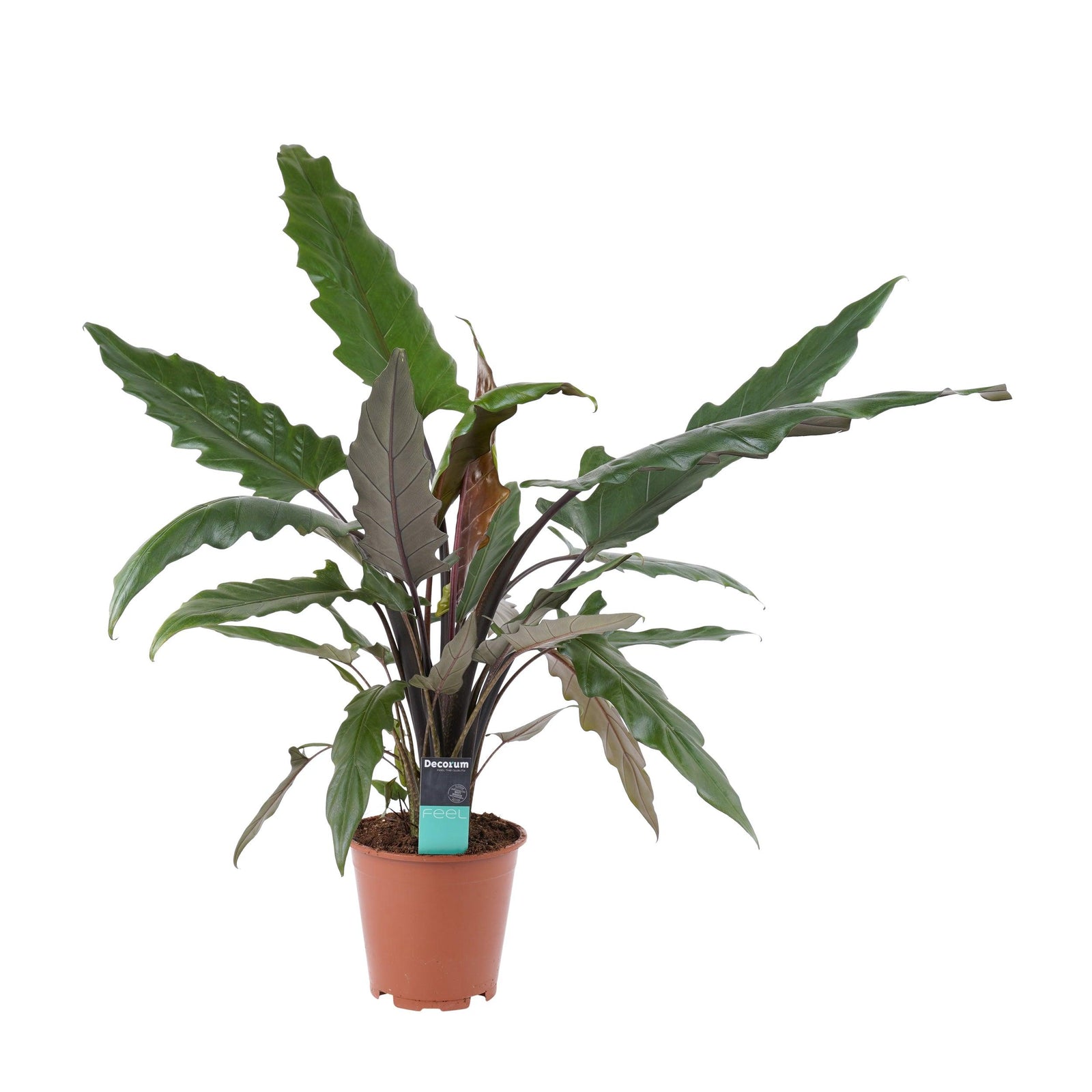
Alocasia Lauterbachiana (Purple Sword) L
Alocasia Lauterbachiana (Purple Sword) L
Alocasia Lauterbachiana — commonly called Purple Sword — is one of the more architecturally striking aroids available to European collectors. Its long, narrow, upward-angled leaves with deep purple-bronze undersides and wavy margins make it a statement plant in any high-humidity setup. Unlike many Alocasia species that sulk through a European winter, Lauterbachiana is comparatively forgiving — but it still demands respect for its seasonal rhythms and substrate needs.
Substrate & Root Zone
This species performs best in a fast-draining, mineral-heavy mix that never stays wet. A blend of pumice, perlite, and a small fraction of coco coir or bark — similar to our DIY Soil-Free Alocasia Mix – Ultra Airy Mineral Blend — keeps the rhizome zone aerated and prevents the anaerobic conditions that trigger rot. Avoid peat-heavy commercial mixes: they compact over time and retain moisture far longer than this genus tolerates. Pot size matters too — Lauterbachiana prefers a snug fit; oversized containers hold excess moisture around the roots between waterings.
Moisture & Watering Cadence
Water thoroughly, then allow the top 50–60% of the substrate to dry before watering again. In a Berlin or Central European apartment during summer, this typically means watering every 7–10 days. In winter — when heating systems drop relative humidity and light levels fall sharply — extend that interval to 14–21 days. The plant will signal stress through drooping petioles before it shows leaf damage, so use that as your early warning system rather than a fixed schedule.
Humidity & Airflow in European Homes
Central heating is the primary challenge for European collectors. Radiator-heated rooms in winter can drop to 30–40% relative humidity — well below the 60–70% this species prefers. A small ultrasonic humidifier placed nearby (not directly misting the leaves) makes a meaningful difference. Equally important is airflow: stagnant humid air around the foliage invites fungal issues. A gentle fan running on low keeps the microclimate healthy without stressing the plant with cold drafts from windows.
Light: Seasonal Adaptation
In summer, bright indirect light — ideally within 1–2 metres of an east- or west-facing window — produces the fastest growth and the most pronounced purple colouration on the leaf undersides. In winter, north-facing rooms in Germany receive very little usable light from November through February; supplementing with a full-spectrum grow light for 10–12 hours per day prevents etiolation and keeps the plant in a low-maintenance holding pattern rather than a full dormancy spiral.
EU Shipping & Acclimation
Your plant ships from Berlin, carefully packed to minimise movement and moisture loss during transit. Upon arrival, unbox promptly and allow 48–72 hours in a stable, warm spot (18–22°C) before placing it in its final position. Some leaf droop or minor yellowing of older leaves in the first 1–2 weeks is normal acclimation stress — not a sign of disease. Avoid repotting immediately; let the root system settle for 3–4 weeks first. We ship with heat packs when temperatures along the route drop below safe thresholds, and all packaging is designed to meet EU phytosanitary standards.
Seasonal Caveats
Lauterbachiana may drop one or two older leaves entering autumn as it adjusts to lower light and reduced watering. This is normal self-regulation, not decline. Resist the urge to compensate with more water or fertiliser — both will cause more harm than the leaf loss itself. Resume a light feeding schedule (balanced liquid fertiliser at half strength) once new growth resumes in late February or March.
Related Plant Circle Resources
- DIY Soil-Free Alocasia Mix – Ultra Airy Mineral Blend
- Alocasia clypeolata 'Green Shield' XS Baby
- Alocasia 'Ninja' variegata tricolor Baby
- Alocasia Sinuata XS Baby
- Alocasia watsonia XS Baby
- All Houseplants
- Potting Soils & Substrates
- Baby Houseplants
Collector FAQ
Is Alocasia Lauterbachiana (Purple Sword) L suitable for European indoor conditions?
Yes — with the right setup. The main seasonal challenges in European homes are low winter light (November–February) and dry air from central heating. Lauterbachiana handles these better than many Alocasia species, but it benefits from a grow light during the darkest months and a humidifier to keep relative humidity above 55%. In summer it grows actively and rewards consistent watering and bright indirect light. Expect a slower pace in winter and reduce watering frequency accordingly — the plant will resume growth naturally as day length increases in spring.
check_circle In Stock

Alocasia Lauterbachiana (Purple Sword) L
Shipping Information
expand_more
- All orders are subject to a €25 minimum order value requirement
- All orders are hand-picked and shipped from the Netherlands
- Plastic-free materials when possible
- Orders are usually processed in 1-3 working days and shipped via DPD and their international partner carriers
- At times, orders may take up to 7 days to ship
- Orders to Germany Free shipping over €60. Free shipping all other EU countries* at €100 (Except Malta and Cyprus)
- Shipping costs are calculated at checkout based on delivery country:
See our FAQ and Shipping Guarantee for any further Questions!
The leaves were wrinkled from shipping.
The plant arrived with a torn leaf due to shipping.
Dropped 2 small leaves while in transit, but plant looks healthy
The plant arrived beautiful and healthy, growing beautifully. Thank you. You were perfect. I will definitely buy from you again.
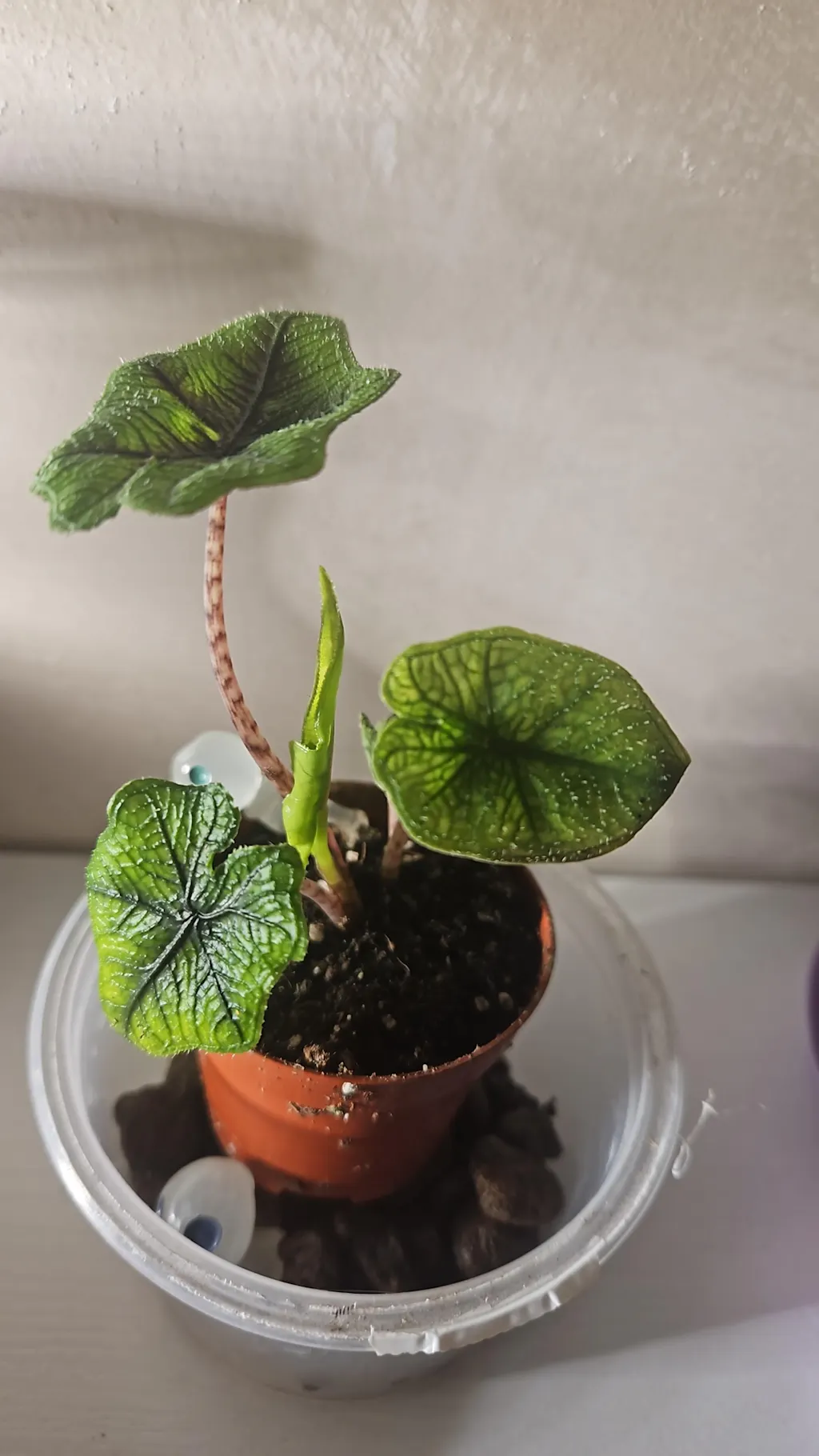
Unfortunately the new leaf got damaged during transit. Please review your packaging
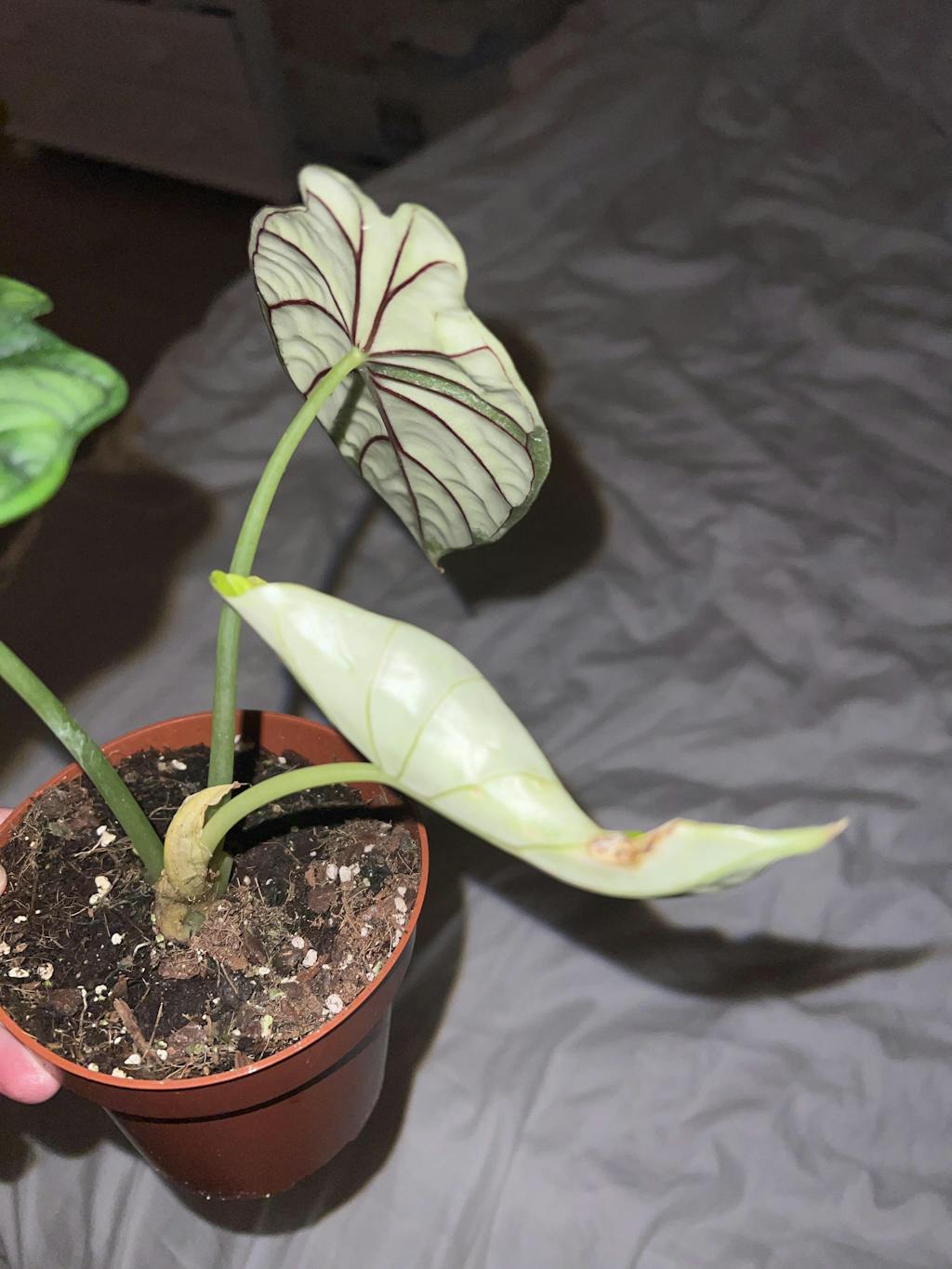
Reviews in Other Languages
Versand war zügig und verlief reibungslos, alles ordentlich verpackt und die Pflanzen kamen in einem sehr guten Zustand an. Gerne wieder!
La planta va arribar perfecta, estic molt content de veure que tenia moltes arrels.
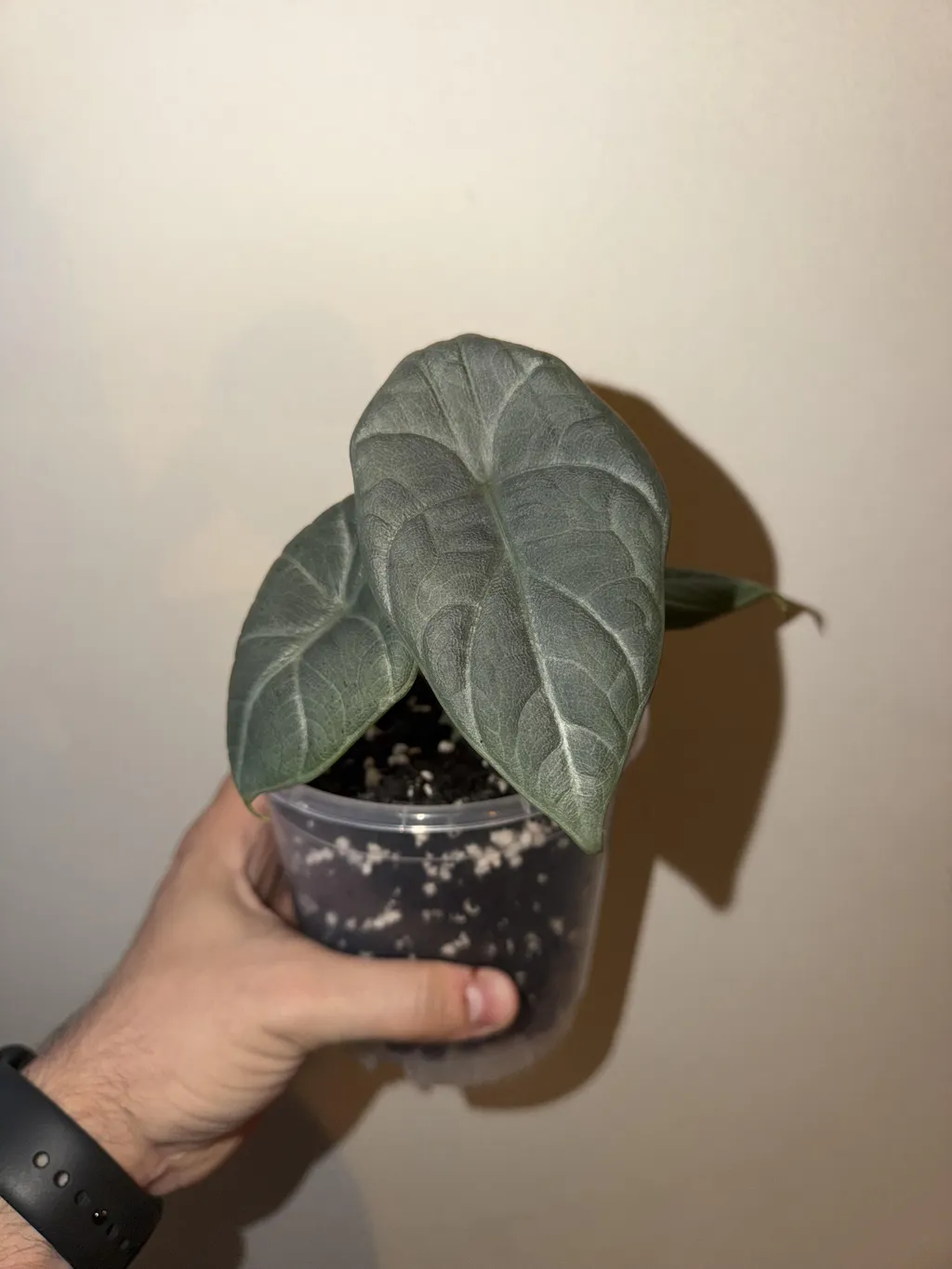
Bin sehr zufrieden,vielen Dank
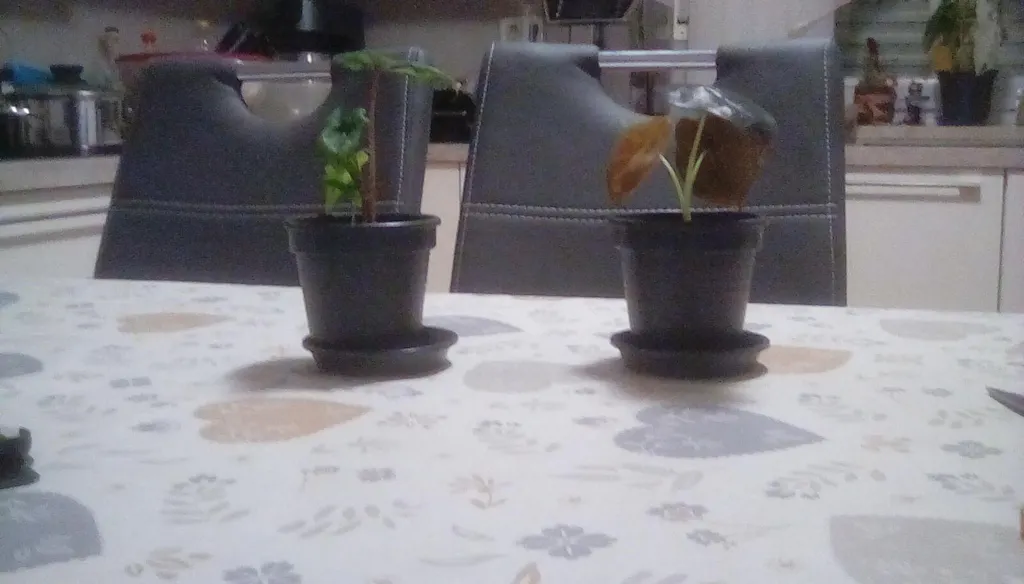


We think you will also love...
Plant Care Essentials












We have answers!
Orders & Support FAQ
See answers to some common questions.