

Introduction to the Genus Dischidia
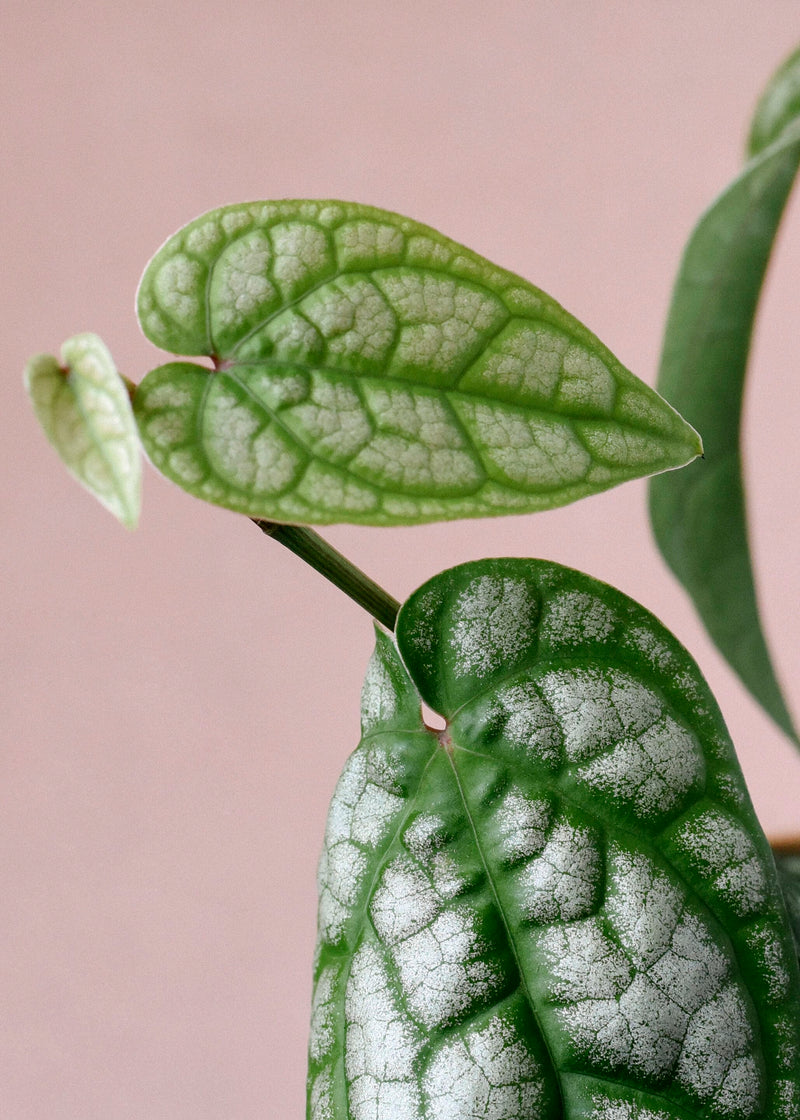
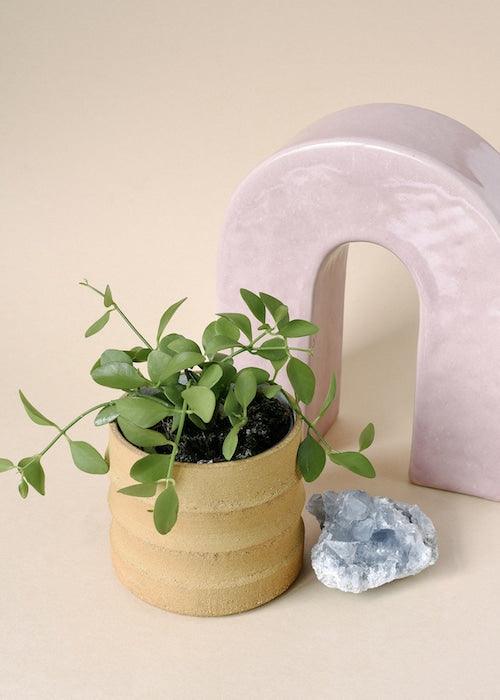
Often treasured by collectors for their unique forms and fascinating symbiotic relationships, plants of the genus Dischidia are epiphytic succulents native to Southeast Asia. Closely related to the popular Hoya, they share a similar vining growth habit and a preference for well-aerated growing media. Many species are known as 'ant plants' due to their specialized, hollow, or pouch-like leaves (domatia), which provide shelter for ants in their natural habitat in exchange for nutrients and protection.
Optimal Lighting Conditions
Dischidia thrive in bright, indirect light. An ideal placement would be near an east-facing window that receives gentle morning sun, or a few feet away from a more intense south or west-facing window. While they are tolerant of lower light conditions, generous, filtered light is essential to promote vigorous growth and encourage the characteristic star-shaped blooms that many species produce.
Watering and Humidity
As epiphytes accustomed to cycles of drenching rain followed by periods of drying, Dischidia are highly susceptible to root rot. It is crucial to allow the substrate to dry out almost completely between waterings. The leaves may appear slightly less turgid when the plant is ready for a drink. Water thoroughly, allowing excess to drain away freely. While they appreciate moderate to high humidity (50-70%), they are remarkably adaptable to average household humidity levels found in most German and European homes.
Substrate and Potting
Forget standard potting soil. The key to a thriving Dischidia is an extremely airy, fast-draining substrate that mimics their natural epiphytic environment. A custom blend of orchid bark, coco husk, perlite, and pumice is ideal. This ensures that the roots have constant access to oxygen and never remain waterlogged. You can find excellent components and pre-made blends in our Potting Soils & Substrates collection. Due to their fine, minimal root systems, Dischidia prefer to be snug in their pots and require repotting only every 2-3 years, or when the substrate has completely broken down.
Fertilisation
During the active growing season (spring and summer), provide a balanced liquid fertiliser diluted to half-strength with every other watering. Reduce feeding in autumn and winter when growth naturally slows. This will provide the necessary nutrients for healthy foliage and potential flowering without overwhelming the plant.
Propagation
Propagating Dischidia is a straightforward process, typically done through stem cuttings. Select a healthy vine and take a cutting with at least two nodes. The cutting can be rooted in water, sphagnum moss, or directly into a light, airy substrate. This ease of propagation makes them a joy to share and trade among collectors of rare houseplants.
Toxicity
While specific toxicity data can vary by species, Dischidia are generally considered non-toxic to pets and humans. However, as with any houseplant, it is always best to prevent ingestion.
Frequently Asked Questions (FAQ)
Are Dischidia related to Hoya?
Yes, Dischidia and Hoya are closely related genera within the Apocynaceae family (subfamily Asclepiadoideae). They share similar epiphytic growth habits and flower structures, though Dischidia flowers are typically much smaller and urn-shaped.
Why are my Dischidia's leaves turning yellow?
Yellowing leaves on a Dischidia are most commonly a sign of overwatering and potential root rot. Ensure the substrate is drying out completely between waterings. Less commonly, it can indicate a nutrient deficiency or natural senescence of older leaves.
How can I encourage my Dischidia to flower?
To encourage blooming, provide your Dischidia with plenty of bright, indirect light. A period of slightly cooler, drier conditions in the winter can also help trigger flowering in the spring. Ensure the plant is mature and pot-bound, as they often bloom best under these conditions.
What is a Dischidia 'shingle plant'?
A 'shingle plant' refers to species like Dischidia imbricata or Dischidia major, which have evolved to grow their leaves flat against a surface (like a tree trunk) to conserve moisture. The leaves overlap like shingles on a roof, creating a unique and highly sought-after growth pattern.
Frequently Asked Questions
Why are my Dischidia's leaves turning yellow?
Yellowing leaves on a Dischidia are most commonly a sign of overwatering and potential root rot. Ensure the substrate is drying out completely between waterings. Less commonly, it can indicate a nutrient deficiency or natural senescence of older leaves.
What is a Dischidia 'shingle plant'?
A 'shingle plant' refers to species like Dischidia imbricata or Dischidia major, which have evolved to grow their leaves flat against a surface (like a tree trunk) to conserve moisture. The leaves overlap like shingles on a roof, creating a unique and highly sought-after growth pattern.