


The Collector's Guide to Marcgravia Care
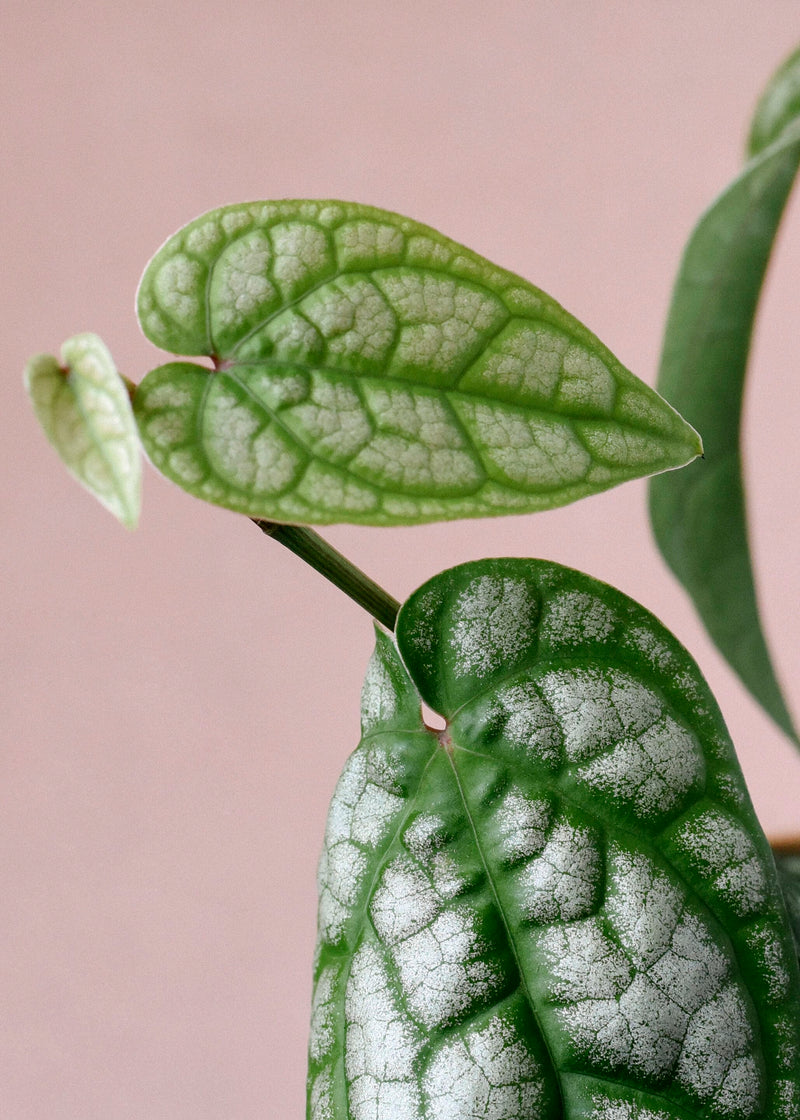
Marcgravia are not your typical houseplants; they are stunning epiphytic vines prized by collectors for their unique 'shingling' growth habit, where leaves press flat against a climbing surface. Native to tropical rainforests, they demand a specific micro-climate to truly flourish. This guide is for the dedicated plant enthusiast ready to move beyond the windowsill and create the perfect, high-humidity environment for these botanical gems. We'll walk you through the essential steps, from light and substrate to creating a habitat where your Marcgravia can thrive, not just survive.
Quick Care Guide
- Light: Bright, indirect light. An east-facing window or grow lights are ideal. Avoid direct sun, which can scorch the delicate leaves.
- Watering: Keep the growing medium consistently moist but not waterlogged. Use distilled, reverse osmosis, or rainwater to avoid mineral buildup.
- Humidity: This is critical. Aim for 70-90%+. Marcgravia is best suited for terrariums, vivariums, or sealed plant cabinets.
- Substrate & Mounting: Grow on a moisture-retentive vertical surface like a sphagnum moss pole, cork bark, or a tree fern panel to encourage shingling.
- Temperature: Prefers warm conditions, ideally between 18°C and 28°C. Avoid cold drafts and sudden temperature drops.
Light Requirements for Healthy Foliage
To achieve vibrant colouration and steady growth, provide your Marcgravia with bright, indirect light. Think of the dappled light it would receive on a forest floor. In a European home, this could be near an east-facing window or several feet from a south- or west-facing window, shielded by a sheer curtain. Direct sunlight is too intense and will burn the leaves. For terrarium setups, full-spectrum LED grow lights are an excellent choice, as they provide consistent, high-quality light without the risk of overheating the enclosure.
Watering and Humidity: The Most Critical Factor
Success with Marcgravia hinges on mastering humidity. These plants require a consistently humid environment of at least 70%, with 80-90% being optimal. The dry air in a centrally heated home is simply not suitable for growing them in an open pot. This is why they are perfect candidates for terrariums, vivariums, or sealed IKEA-style greenhouse cabinets. When it comes to watering, the goal is to keep the mounting surface or substrate evenly moist. Mist the plant and its mounting board daily or every other day, ensuring it never completely dries out. Using purified water (distilled or rainwater) prevents mineral spots on the leaves and is healthier for the plant's sensitive roots.
Choosing the Right Substrate and Mount
In nature, Marcgravia climbs trees. To replicate this, it’s best to mount your plant on a vertical surface. This not only provides support but is the key to triggering its beautiful shingling behavior. Good options include cork bark flats, tree fern fibre panels, or a custom background board covered in sphagnum moss. These materials hold moisture well and give the plant's aerial roots something to grip. If you must use a pot, opt for a very airy, soilless mix. A blend of high-quality sphagnum moss, orchid bark, and perlite can work, but a mounted setup is superior for showcasing its natural growth.
Creating the Perfect Marcgravia Habitat
Building a dedicated enclosure is the most rewarding way to grow Marcgravia. It allows you to control the environment and grow other complementary tropicals. These climbing vines are a spectacular addition to any high-humidity setup, adding texture and interest to the background and floor of an enclosure. Explore our collection of plants that thrive in these specific conditions.
Explore Terrarium & Vivarium Plants
Common Issues and Solutions
- Crispy, Brown Leaf Edges: This is almost always a sign of low humidity. The solution is to increase ambient moisture by placing the plant in an enclosure.
- Slow or Stalled Growth: Can be caused by insufficient light, temperatures that are too cool, or a mounting surface that is too dry. Assess its placement and ensure it's receiving consistent warmth and moisture.
- Leaves Not Shingling: The plant needs close contact with a damp, vertical surface to begin shingling. If it is growing outwards or trailing, it needs to be gently secured against its background.
Frequently Asked Questions about Marcgravia
Can I grow Marcgravia as a normal houseplant?
Generally, no. Marcgravia requires consistently high humidity (70%+) that most homes cannot provide. It thrives in enclosed environments like terrariums, vivariums, or greenhouse cabinets where moisture levels can be controlled, making it a poor candidate for open-air growing.
Why are my Marcgravia leaves not shingling?
Shingling is a response to having a surface to climb. To encourage this unique growth habit, you must provide a vertical, moisture-retentive background like cork bark, a tree fern panel, or a sphagnum moss board. Without a surface to attach to, it will grow as a simple trailing vine.
Is Marcgravia a fast grower?
In ideal conditions with high humidity, bright indirect light, and consistent warmth, Marcgravia can grow at a moderate pace. However, in suboptimal conditions, particularly with low humidity or insufficient light, its growth will be very slow or may stall completely.
Are Marcgravia plants pet-safe?
Marcgravia is generally considered toxic to pets if ingested. We recommend keeping these plants out of reach of curious cats, dogs, or other animals. Housing them within a terrarium or another enclosure is an effective way to keep both your plant and your pets safe.