


An Introduction to the Genus Syngonium
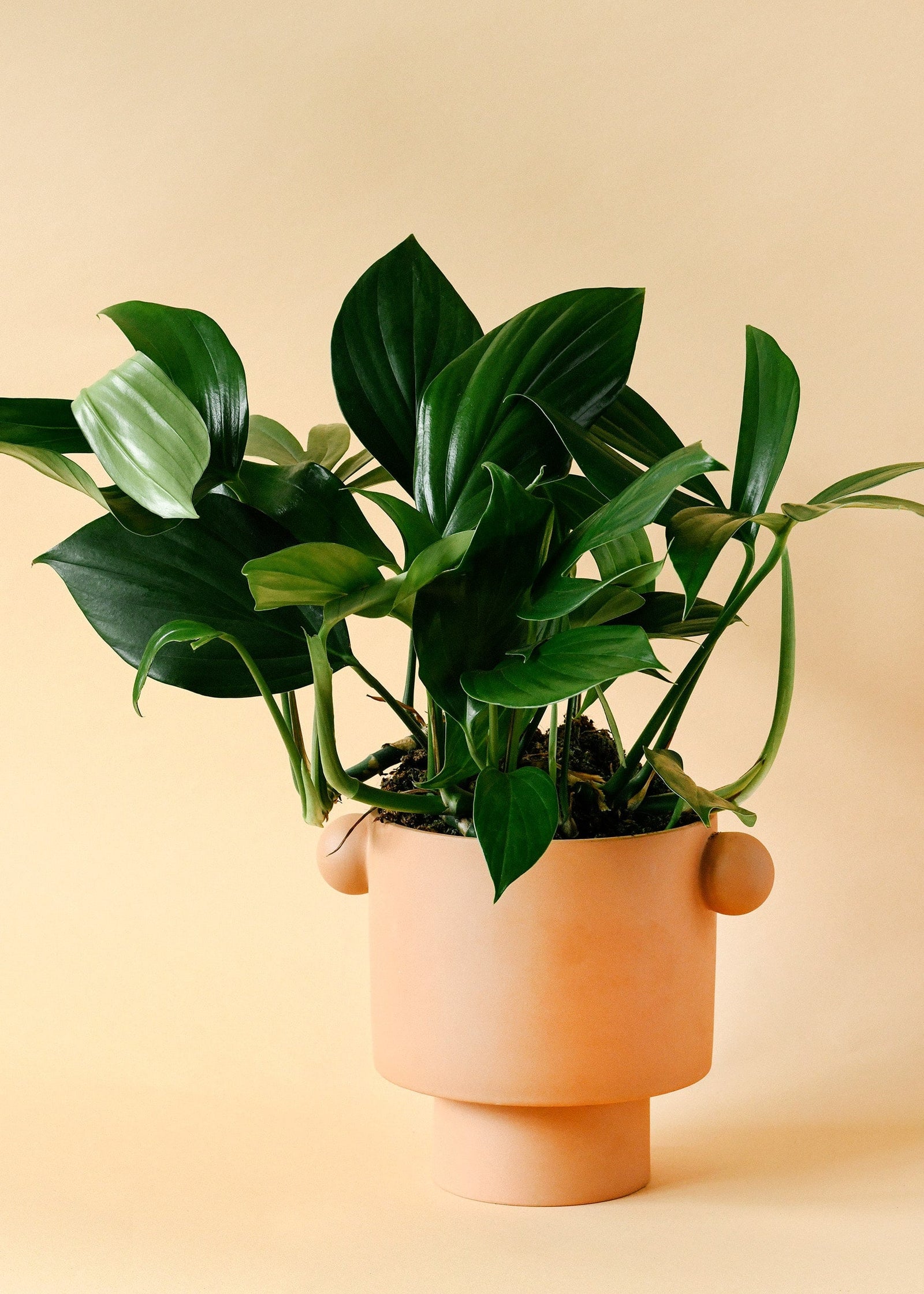
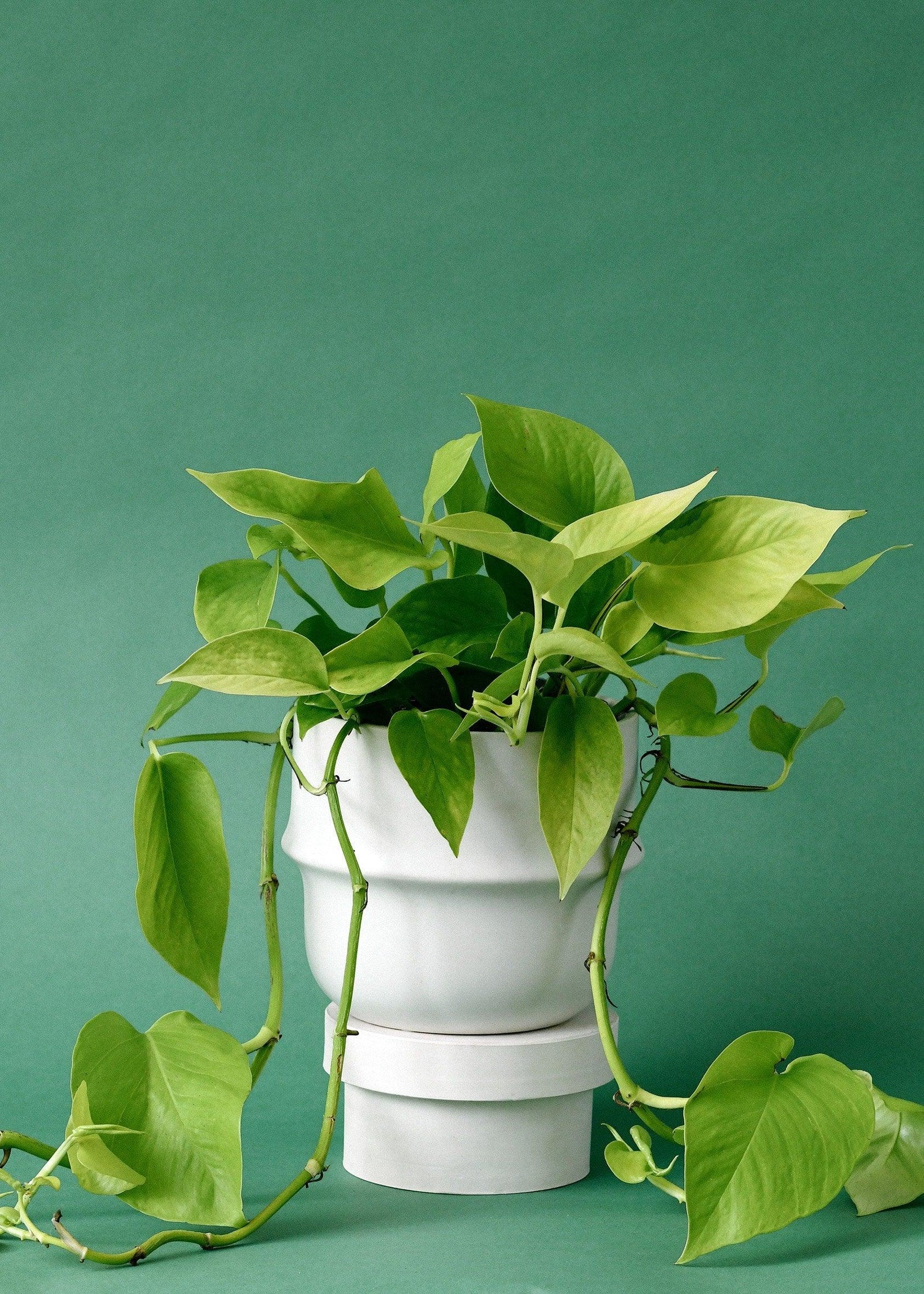
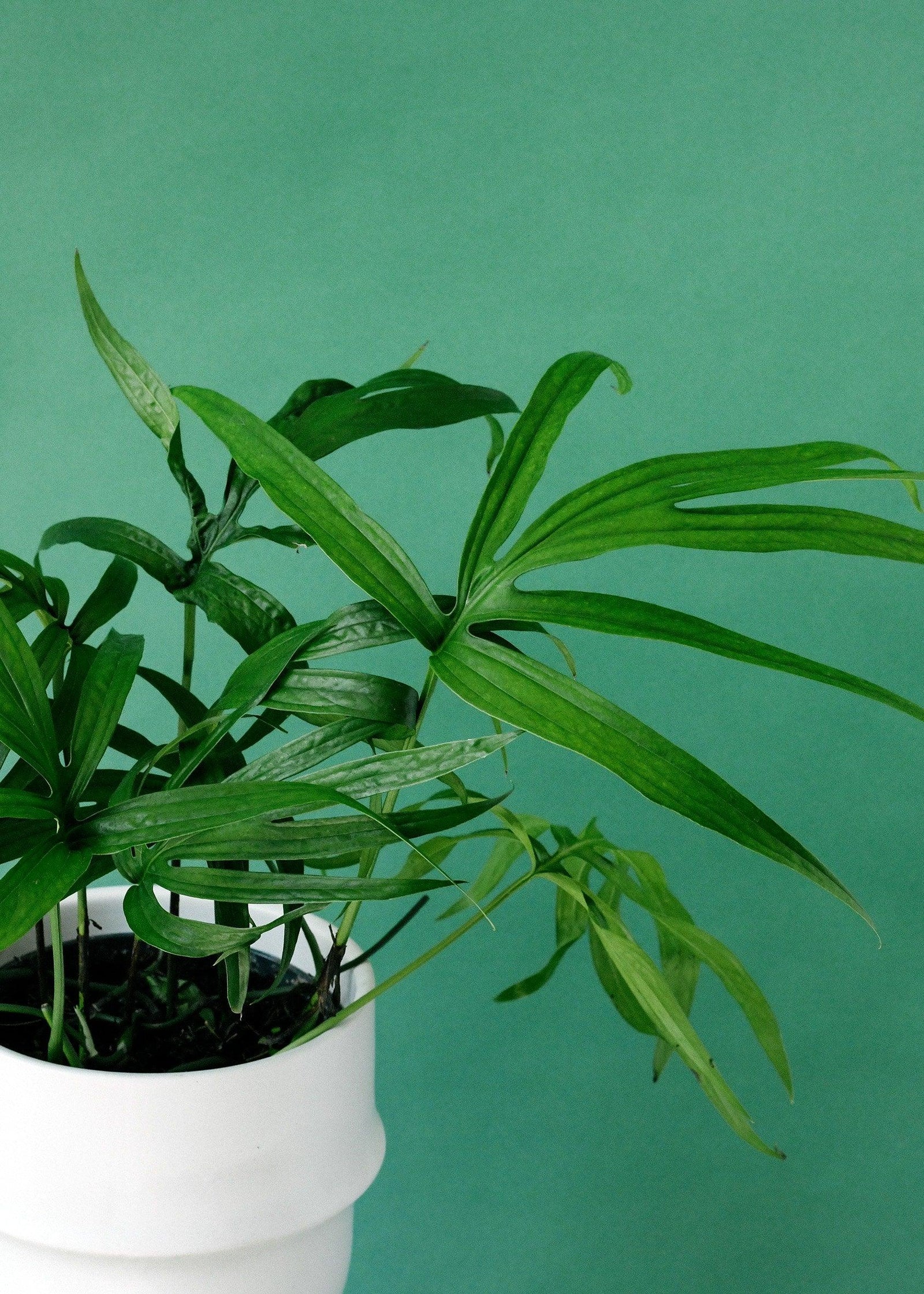
Native to the neotropical rainforests of Central and South America, plants of the genus Syngonium are captivating hemiepiphytes. They begin life as terrestrial understory plants, eventually climbing trees to reach brighter light. This climbing habit triggers a fascinating morphological change known as heterophylly, where the juvenile arrowhead-shaped (sagittate) leaves transform into multi-lobed, mature (pedate) foliage. Understanding this life cycle is key to providing exceptional care for these adaptable aroids.
Light Requirements
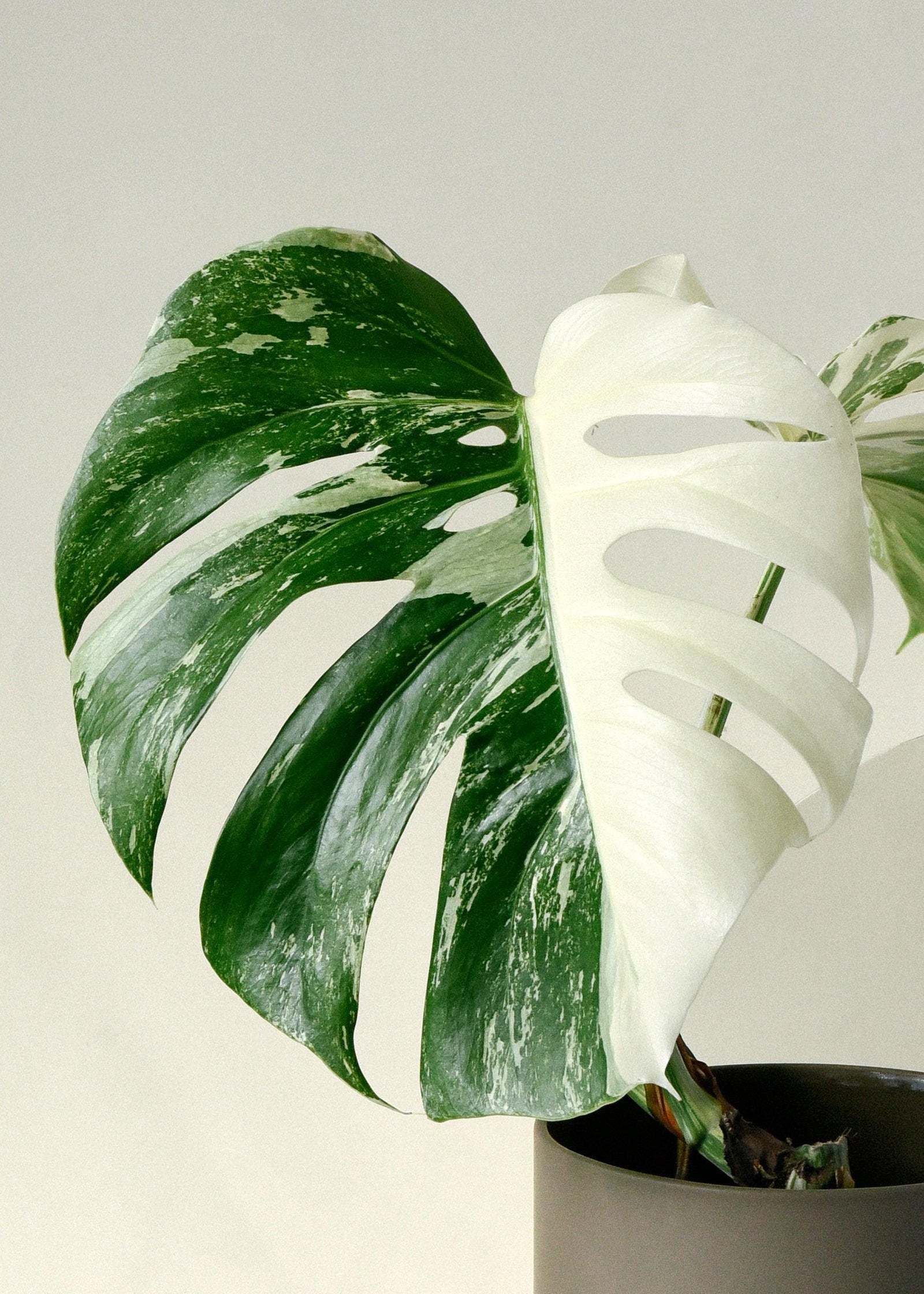
Provide your Syngonium with bright, filtered light. An east-facing window or a spot several feet from a south or west-facing window is ideal. While tolerant of lower light conditions, insufficient light will lead to slower growth and smaller leaves. For collectors of highly variegated cultivars such as Syngonium podophyllum 'Albo-Variegatum' or 'Mojito', bright light is non-negotiable. The non-pigmented sections of the leaves cannot photosynthesize, so ample light is required to support the plant and prevent the variegation from reverting to green. Avoid prolonged exposure to direct sunlight, which can cause phototoxicity, resulting in scorched leaves.
Watering Strategy
Syngoniums prefer a consistent watering schedule that allows the substrate to partially dry out. A good rule of thumb is to water thoroughly once the top 3-5cm of the potting mix is dry. To avoid anaerobic conditions that lead to root rot, always ensure your pot has adequate drainage and discard any excess water from the saucer. During the growing season (spring and summer), you will water more frequently than in autumn and winter when the plant's metabolic rate slows.
Humidity and Temperature
As tropical plants, Syngoniums thrive in higher humidity, ideally between 60% and 80%. This encourages larger leaves and healthy aerial root development. While most common cultivars are adaptable to typical household humidity (40-50%), some more delicate species like Syngonium rayii require the consistent high humidity of a terrarium environment. Maintain a stable temperature between 18°C and 28°C. Protect your plant from cold drafts and sudden temperature drops below 15°C, which can cause shock and leaf loss.
Substrate Composition
A well-draining, airy, and chunky substrate is crucial for a healthy Syngonium root system. A high-quality Aroid mix is the perfect choice. Our Aroid Potting Mix is specifically formulated with components like orchid bark, coco husk, perlite, and coco coir to provide the ideal balance of aeration, structure, and moisture retention. If you prefer creating your own blend, focus on these elements. For our full range of substrates, you can browse our potting soils and substrates collection.
Fertilisation
Feed your Syngonium regularly during the active growing season. A balanced liquid fertiliser, diluted to half the recommended strength, can be applied every two to four weeks with watering. Reduce feeding during the winter months unless the plant is actively growing under supplemental lighting. This provides the necessary macronutrients and micronutrients for vigorous growth and vibrant foliage.
Pruning and Propagation
Syngoniums are vigorous growers and respond well to pruning, which encourages a fuller, bushier plant and controls vining growth. They are also exceptionally easy to propagate. Simply take a stem cutting that includes at least one leaf and one node (the small bump on the stem where leaves and roots emerge). These cuttings can be readily rooted in water, sphagnum moss, or perlite before being transferred to a potting mix.
Toxicity Warning
Please note that all parts of the Syngonium plant contain insoluble calcium oxalate crystals. These are toxic if ingested by pets or humans, causing oral irritation, swelling, and digestive upset. Keep these plants out of reach of curious animals and children.