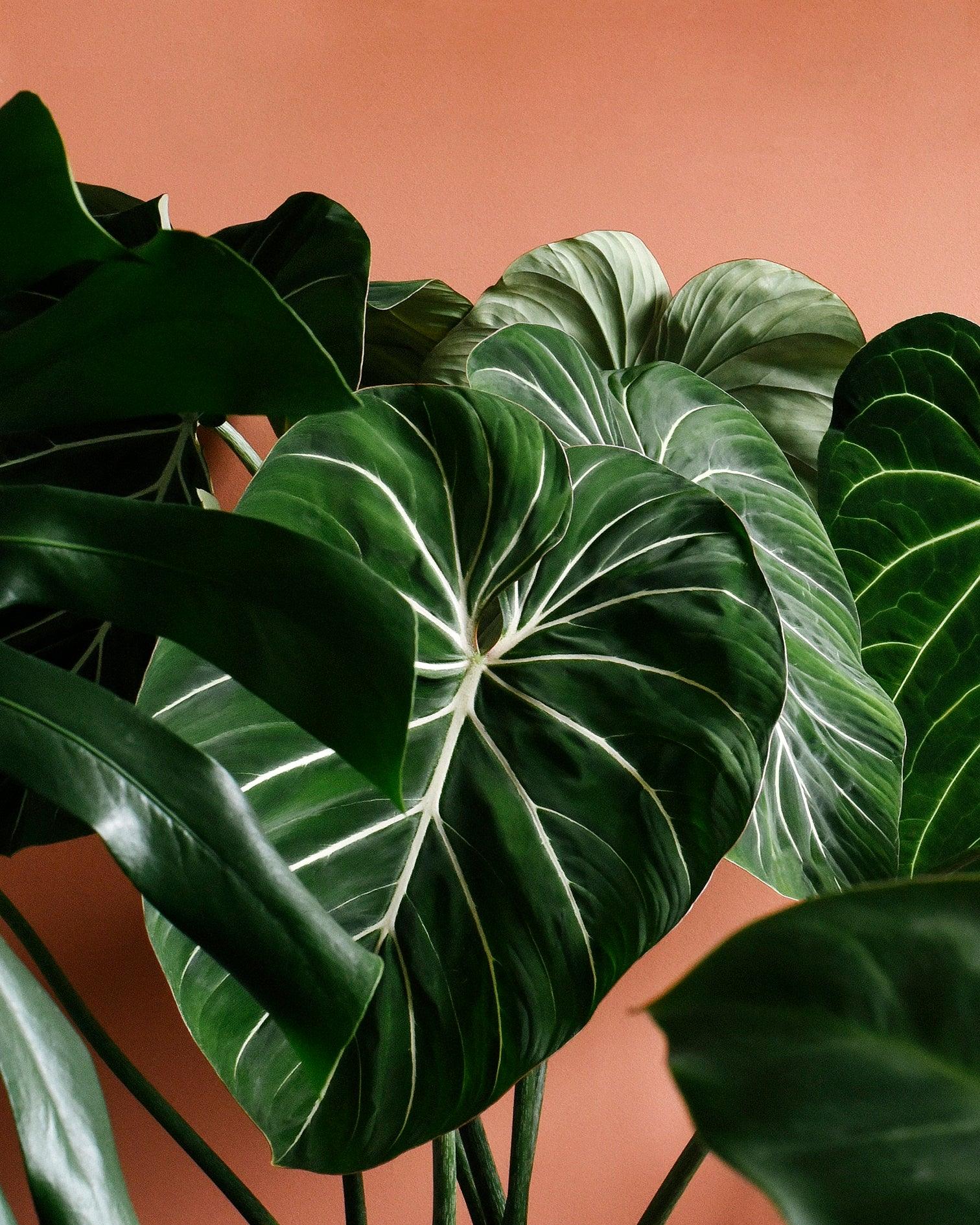



Growing Caladiums in Europe: From Tuber to Full Plant
Caladiums are among the most spectacular foliage plants you can grow — their bold, painterly leaves in shades of pink, red, white, and green make them a showstopper whether displayed indoors or in a summer garden. The good news: growing them from tuber is straightforward, even in European climates. This guide walks you through every step.
Understanding Caladium Tubers
Caladiums are tropical plants native to South America. They grow from tubers (sometimes called bulbs), which store energy and allow the plant to go dormant during cooler months. In Europe, this dormancy cycle works in your favour — you start them indoors in spring, enjoy them through summer, and store the tubers over winter to repeat the cycle year after year.
Each tuber has a top side (with small bumps or "eyes") and a flat or slightly concave underside. Plant them with the eyes facing up.
How Long Does It Take? Growth Timeline by Method
One of the most common questions: how long from tuber to full plant? The answer depends on where and how you grow them. Here’s what to expect:
🏠 Indoors (controlled warmth, 21–24°C+)
- First sprout: 2–4 weeks after planting
- First leaves unfurling: 4–6 weeks
- Full, lush plant: 10–14 weeks from planting
Warmth is the biggest factor indoors. A heat mat at 24°C can shave 1–2 weeks off sprouting time.
🌿 Outdoors (direct ground planting, warm soil)
- First sprout: 3–6 weeks (highly dependent on soil temperature)
- First leaves: 6–8 weeks
- Full plant: 12–16 weeks from planting
Cooler European spring soils slow things down. Planting too early in cold ground can stall growth for weeks or cause rot.
🔄 Start Indoors → Move Outdoors (recommended)
- Sprouting indoors: 2–4 weeks
- Ready to move outdoors: 6–8 weeks after sprouting (plant is leafy and established)
- Full plant outdoors: 14–18 weeks total from first planting
This method gives you the best of both worlds — fast indoor sprouting plus a full summer season outdoors.
Note: Larger tubers generally sprout faster and produce more leaves earlier. Variety also plays a role — vigorous growers like ‘Red Flash’ and ‘Fiesta’ tend to establish quickly, while more delicate varieties may take a little longer.
When to Start: Temperature Is Everything
Caladiums need warmth to wake up and grow. The key temperatures to know:
- Soil temperature for sprouting: minimum 21°C (70°F), ideally 24–27°C (75–80°F)
- Safe outdoor minimum: nights consistently above 15°C (59°F)
- Danger zone: below 10°C (50°F) — tubers will rot or fail to sprout
In most of Europe, this means:
- Northern Europe (Scandinavia, UK, Netherlands, northern Germany): Start indoors in March–April; move outdoors from late May to mid-June
- Central Europe (Germany, Austria, Switzerland, Poland): Start indoors in March; move outdoors from mid-May onwards
- Southern Europe (Spain, Italy, Greece, southern France): Start indoors in February–March; move outdoors from late April to early May
Always check your local 10-day forecast before moving plants outdoors. One cold night below 10°C can set your caladiums back significantly.
Option 1: Growing Caladiums Indoors
Caladiums thrive as houseplants and can be kept indoors year-round. They are ideal for bright, warm rooms — think of them as a living piece of art for your interior.
Step 1: Choose Your Pot
Use a pot with drainage holes, at least 15–20 cm in diameter. Terracotta works well as it prevents waterlogging.
Step 2: Prepare the Soil
Use a light, well-draining potting mix. A blend of standard potting soil with 20–30% perlite is ideal. Caladiums hate sitting in wet soil — good drainage is non-negotiable.
Step 3: Plant the Tuber
Plant the tuber 3–5 cm deep with the eyes (bumpy side) facing up. If you're unsure which side is up, plant it horizontally — it will find its way.
Step 4: Warmth First, Water Second
Place the pot in a warm spot (minimum 21°C) before watering heavily. A light initial watering is enough — wait until you see the first sprout before increasing moisture. A heat mat set to 24°C speeds up sprouting significantly.
Step 5: Light
Bright, indirect light is ideal. Avoid direct midday sun through glass, which can scorch the leaves. An east- or west-facing windowsill is perfect. Caladiums with more white or pink in their leaves tolerate lower light better than red varieties.
Step 6: Ongoing Care
- Watering: Keep soil evenly moist but never soggy. Water when the top 2 cm of soil feels dry.
- Humidity: Caladiums love humidity. Mist regularly, use a pebble tray with water, or place near a humidifier.
- Feeding: Apply a balanced liquid fertiliser every 2–3 weeks during the growing season (spring–summer).
- Temperature: Keep above 18°C at all times. Avoid cold draughts and air conditioning vents.
Option 2: Growing Caladiums Outdoors
In summer, caladiums make a dramatic addition to shaded garden beds, borders, and containers on terraces or balconies. Their bold foliage pairs beautifully with hostas, ferns, and impatiens.
Choosing the Right Spot
Caladiums prefer partial to full shade outdoors. Unlike many garden plants, they actually perform better with less direct sun — dappled light under trees or a north-facing border is ideal. Too much direct sun will bleach and scorch the leaves.
Planting Directly Outdoors
Only plant tubers directly in the ground once soil temperatures have reached at least 21°C and all frost risk has passed. In most of central Europe, this is from mid-May onwards. Plant 3–5 cm deep, 20–30 cm apart.
Outdoor Care
- Watering: Water regularly, especially during dry spells. Mulching around the base helps retain moisture.
- Feeding: Feed every 2–3 weeks with a balanced fertiliser.
- Watch the weather: If temperatures drop below 12°C at night, bring container plants indoors temporarily.
Option 3: Start Indoors, Move Outdoors (Recommended for Most European Climates)
This is the best approach for most European gardeners. Starting tubers indoors in March gives you a head start of 6–8 weeks, meaning you'll have lush, leafy plants ready to go outside the moment temperatures allow — rather than waiting for tubers to sprout in cool spring soil.
The Process
- March: Plant tubers in pots indoors. Keep at 24°C+ with a heat mat if possible. Water lightly until sprouting begins.
- March–April: Once sprouted, move to a bright windowsill. Water and feed regularly as leaves develop.
- May (check temperatures): Begin hardening off — place plants outdoors in a sheltered spot for a few hours each day, gradually increasing exposure over 1–2 weeks.
- Late May – June: Once nights are consistently above 15°C, move plants to their final outdoor position. You can transplant from pots into garden beds, or simply leave them in their containers.
- September–October: As temperatures drop, bring plants back indoors before the first frost.
Hardening off is important. Moving plants directly from a warm indoor environment to full outdoor conditions can shock them. A gradual transition over 10–14 days prevents leaf drop and stress.
End of Season: Storing Tubers for Next Year
Caladiums are not frost-hardy, but their tubers can be stored and reused year after year — making them excellent value.
- In September–October, when leaves begin to yellow and die back, reduce watering gradually.
- Once foliage has fully died back, carefully dig up or unpot the tubers.
- Brush off excess soil and allow tubers to dry for 1–2 weeks in a warm, airy spot.
- Store in a paper bag or cardboard box filled with dry peat, vermiculite, or newspaper at 15–18°C — a dry cupboard or cellar works well. Do not refrigerate.
- Check monthly for rot. Discard any soft or mouldy tubers.
- Restart in March the following year.
Troubleshooting Common Issues
- Tuber not sprouting: Soil is too cold or too wet. Increase temperature and reduce watering until growth appears.
- Yellowing leaves: Overwatering is the most common cause. Check drainage and reduce watering frequency.
- Pale, washed-out colour: Too much direct sun. Move to a shadier position.
- Leaf drop after moving outdoors: Temperature shock or cold draught. Harden off more gradually next time.
- Leggy growth: Not enough light indoors. Move closer to a window or supplement with a grow light.
Shop Our Caladium Tubers
Ready to get started? We carry a curated selection of premium caladium tubers — from classic varieties to rare collector's picks. Each tuber is carefully selected for quality and viability.
Some of our favourites to grow in Europe: