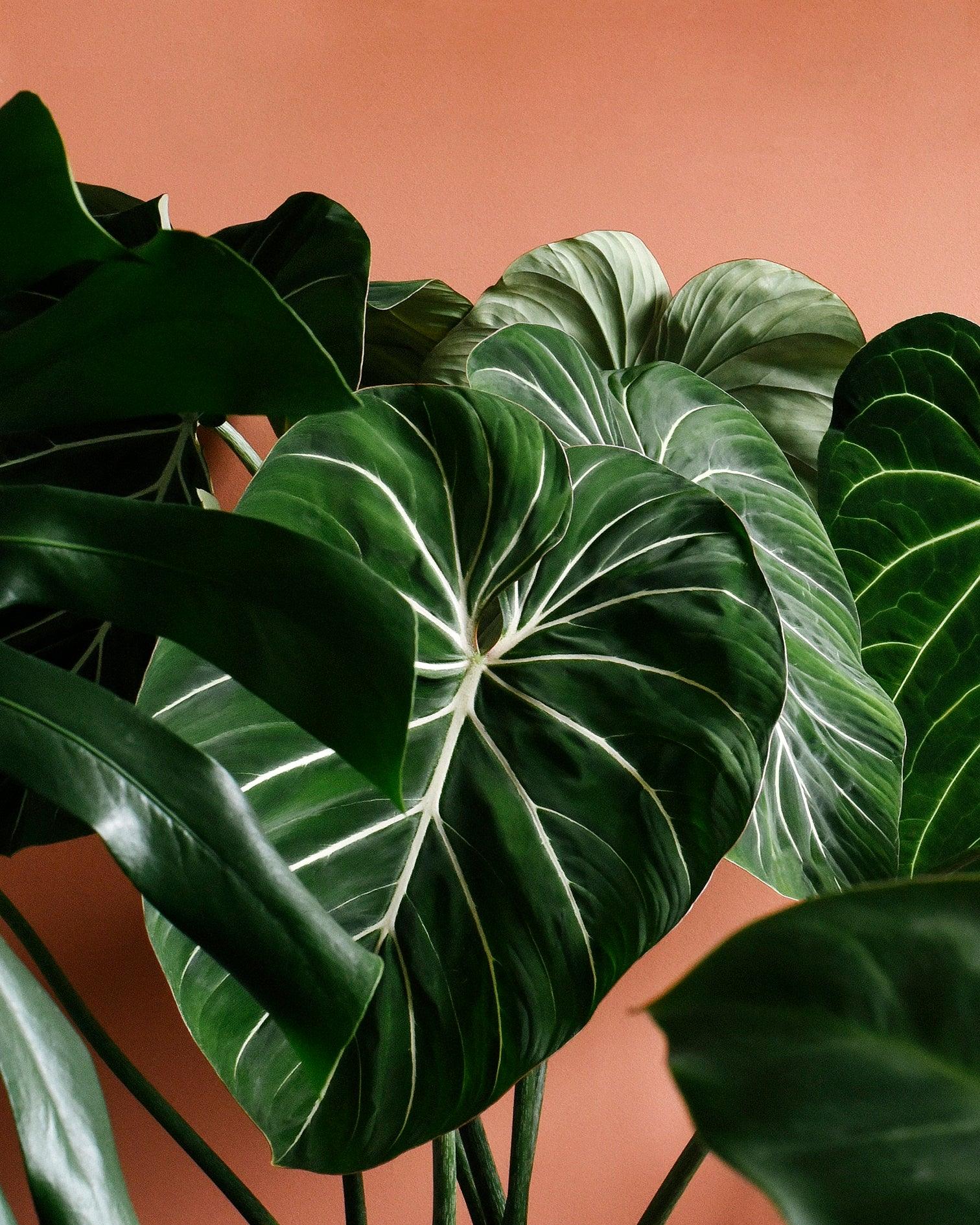



Plant Lights: The Glorious, The Necessary, and the Downright Ugly
Your home has the lighting of a medieval dungeon, but your plant wish list looks like a botanical garden? You are not alone. Most homes were designed for humans, not for monsteras, calatheas, and trailing hoyas.
Grow lights can bridge that gap beautifully – or make your living room look like a secret basement lab. In this guide, we will walk through how to use plant lights to keep your plants happy and your home feeling like a calm, well-designed space.
Why even bother with grow lights?
Most indoor plants come from brighter, more stable climates than our apartments can offer. Short winter days, north-facing windows, overhangs, and neighbouring buildings all cut down the light that actually reaches your leaves.
A good grow light helps you:
- Support light-hungry plants in darker rooms or corners.
- Even out seasonal changes so plants are less stressed in winter.
- Style plants where windows do not exist – hallways, bathrooms, or that moody reading corner.
The key is choosing a light that respects both your plants and your interior design.
Plant light pros and cons at home
The good stuff 🌱✨
- You can grow plants almost anywhere. No more shuffling your monstera around to chase the sun. That empty, windowless hallway shelf? Suddenly in play.
- They actually support plant growth. A quality grow light, like the Aspect or Grove, provides a spectrum your plants can use, so they can keep producing new growth even when outdoor light is low.
- Winter feels less dramatic. In sun-starved climates (hello, Germany and northern Europe), lights help reduce the "sad, leggy stem" phase when days are short.
- They are great for light-demanding plants. If you keep philodendrons, alocasias, or other tropicals far from bright windows, a dedicated light can make that placement more realistic.
- You gain consistency. A timer-controlled lamp gives your plants a regular day length, even if your schedule is chaotic.
The not-so-good stuff 🤨💡
- Many grow lights are simply ugly. Harsh fixtures, dangling wires, and the infamous purple glow can quickly dominate a room.
- Electricity use adds up. Any light left on for hours a day will show up on your bill, especially if it is inefficient or overpowered for the space.
- Some lights are uncomfortable to live with. Very cold or very bright LEDs can make your home feel like a lab or interrogation room instead of a cosy living space.
- Placement still matters. Even the best grow light cannot fix a plant that is too far away from the beam, or one that receives light for only a couple of hours a day.
Ugly vs. stylish grow lights
Traditional grow lights were designed for greenhouses and garages – not sofas and dining tables. That is why so many of them feel industrial: exposed diodes, noisy fans, bright purple or blue tones, and lots of glare.
Stylish plant lights, on the other hand, take their cues from interior lighting. They focus on:
- Warm, natural-looking colour that flatters your plants and furniture instead of washing everything in neon.
- Clean silhouettes – pendants, bars, or rails that blend with existing lamps rather than competing with them.
- Thoughtful cables and mounting so you are not stuck looking at a tangle of wires.
If you are redesigning a shelf or corner, browsing the Soltech plant light collection can be a helpful way to see how plant lighting can actually elevate a room.
Aspect™ LED Growlight: pendant spotlight for your plants

The Aspect™ LED Growlight is a pendant-style grow light that looks more like a designer lamp than a gadget. It is made to hang over a statement plant, a cluster of pots, or even a small indoor tree.
What makes it different from many standard grow lights:
- Home-friendly look. The simple cylinder shape and fabric cord read like a warm pendant lamp, not a greenhouse fixture.
- Warm, high-quality colour. Its 3000K light and high colour rendering index are designed to keep foliage tones looking natural while still giving plants usable light.
- Flexible placement. The long cord makes it easier to position a plant where it looks good first, then bring the light to it.
Design-wise, the Aspect works especially well:
- Above a feature plant in the corner of a living room.
- Over a reading chair with a large leafy plant next to it.
- As part of a grouping with other warm pendant lights.
For more details on finishes, beam spread, and sizing, check the product page directly: Aspect™ LED Growlight at Plant Circle.
Grove™ LED Bar Light: slim light for shelves and cabinets

If you prefer a more hidden solution, the Grove™ LED Bar Light tucks neatly under shelves or cabinets. It is ideal when you want the plants to be the star and the light to almost disappear.
Why it works well in real homes:
- Slim, linear profile. Perfect for bookshelves, kitchen cabinets, or a row of plants on a wall-mounted ledge.
- Magnetic mounting. This helps keep the install clean and avoids a forest of brackets and screws in your display.
- Touch dimming. You can fine-tune the brightness so it looks soft in the evening but still gives your plants useful light.
Design-wise, think of the Grove as a way to create a quiet "light wash" over a group of plants – particularly useful for herb shelves, plant walls, or glass-front cabinets.
You can see photos of different setups on the product page: Grove™ LED Bar Light at Plant Circle.
How to set up plant lights without ruining the vibe
A beautiful fixture can still feel off if the setup is not quite right. These simple guidelines help you keep both plants and people comfortable:
1. Think in zones, not single pots
Instead of one light per plant, plan small zones – a sideboard with three or four plants under one Grove bar, or a reading nook where an Aspect pendant covers a larger feature plant and a smaller friend.
2. Mind the distance
Most indoor plants like being somewhere between "too hot to touch" and "so far away the light barely reaches them." As a starting point, many set-ups work with the light hanging several dozen centimetres above the foliage, then adjusted depending on plant response and the specific model’s guidance.
3. Use timers
Manual on/off gets old quickly. A simple plug-in timer can keep your grow lights on for a consistent 8–12 hours per day, depending on the season and plants. This helps avoid accidental all-night brightness in your living room.
4. Control glare
Angle pendants so you are not looking straight into the bulb from the sofa. For bar lights, push them slightly back on the shelf so the beam washes over the plants rather than your eyes. Warm-toned walls and natural materials also help soften reflections.
5. Protect cables and curious paws
Route cords along walls or furniture where they are less tempting for pets or easy to trip over. If you have very curious animals or children, securing cables and avoiding very hot surfaces within reach is always a good idea.
If you are planning a bigger plant corner makeover, you might also enjoy browsing our Plant Circle care & styling guides for layout and care ideas.
When a grow light might not be the answer
Sometimes the best solution is to move the plant rather than add another gadget. You may want to skip extra lights if:
- You already have a bright, unobstructed south or west window and plants are growing steadily.
- You prefer a very low-tech home and are happy choosing species that naturally tolerate lower light.
- You cannot safely manage extra cables, fixtures, or timers in a particular spot.
In those cases, consider rearranging plants toward brighter windows and choosing lower-light-tolerant species for dimmer areas instead.
Final thoughts
Growing plants indoors does not have to mean sacrificing your interior style to harsh, purple-tinted equipment. Thoughtfully designed grow lights like the Aspect™ LED Growlight and the Grove™ LED Bar Light let you support your plants while keeping your home warm, calm, and cohesive.
With a bit of planning around placement, timing, and glare, plant lights can quietly become part of your everyday lighting – so your space feels good for you and realistic for your plants, even on the darkest winter days.
Explore more
Helpful plants, care products, and related guides: