


From palace gardens to Feng Shui favorites—how Aglaonemas became symbols of luck, prosperity, and protection across Asia (and why that still matters today).
Palace Plants: When Only Royalty Could Afford the Glow
In ancient Southeast Asia, Aglaonemas weren't just houseplants—they were status symbols. Cultivating these lush, patterned beauties required resources: controlled environments, skilled gardeners, and access to rare specimens from deep in the rainforest. Only the wealthy elite—royalty, nobility, and temple keepers—could afford to grow them.
Aglaonemas graced palace courtyards, meditation gardens, and sacred temple grounds. Their ability to thrive in shaded, humid spaces made them perfect for the covered walkways and inner sanctums of grand estates. If you had Aglaonemas in your garden, you were somebody.
As these plants made their way to China and became beloved in Chinese households and gardens, they earned the common name "Chinese Evergreen"—a nod to their adoption into Chinese culture and their year-round lush foliage that never seems to fade. The name stuck, and today, "Chinese Evergreen" is how most people around the world know these Southeast Asian natives.

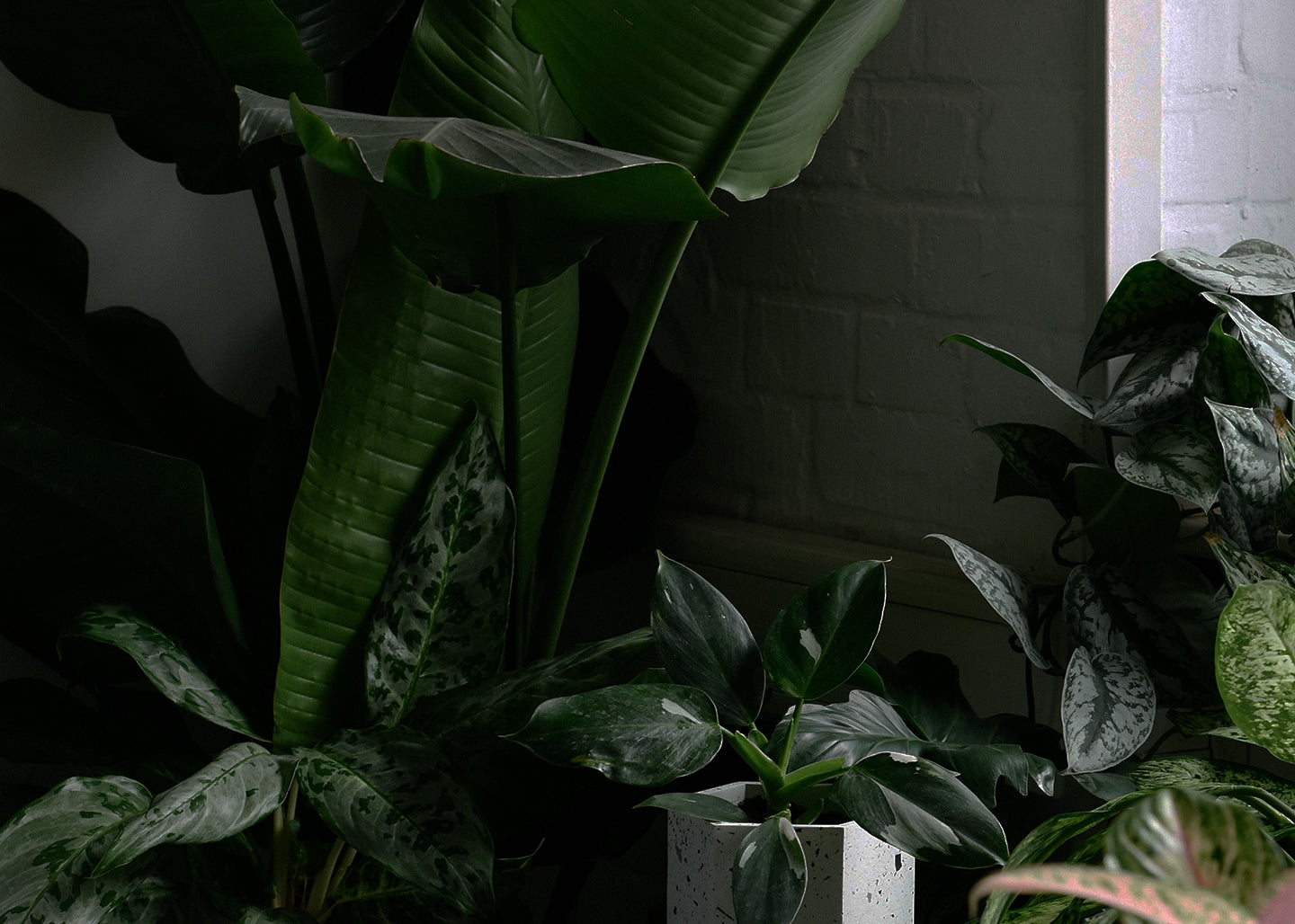
Aglaonema 'Silver Bay' XL - A classic variety with the elegant, traditional aesthetic of palace garden plants.
Fast forward to today, and we're all living that palace life—Aglaonemas are accessible, affordable, and thriving in our Berlin flats like the royalty we are. 👑
Feng Shui Favorites: The Plant That Brings Good Vibes
In Chinese culture, Aglaonemas (or Chinese Evergreens) are considered lucky plants. According to Feng Shui principles, they attract positive energy (chi), promote prosperity, and protect against negative influences. Their vibrant, variegated leaves symbolize growth, renewal, and abundance—basically, they're the plant equivalent of a vision board.
Here's why Feng Shui practitioners love them:
Prosperity & Wealth: The lush foliage represents financial growth and abundance. Place one near your workspace or entryway to invite prosperity into your home.
Protection: Aglaonemas are believed to ward off bad energy and create a protective barrier. Think of them as your plant bodyguard.
Air Purification: Long before NASA confirmed it, traditional cultures knew Aglaonemas cleaned the air. Fresh air = fresh energy.
Adaptability: Their resilience symbolizes strength and flexibility—qualities valued in both Feng Shui and queer culture. We love a plant that bends but doesn't break.

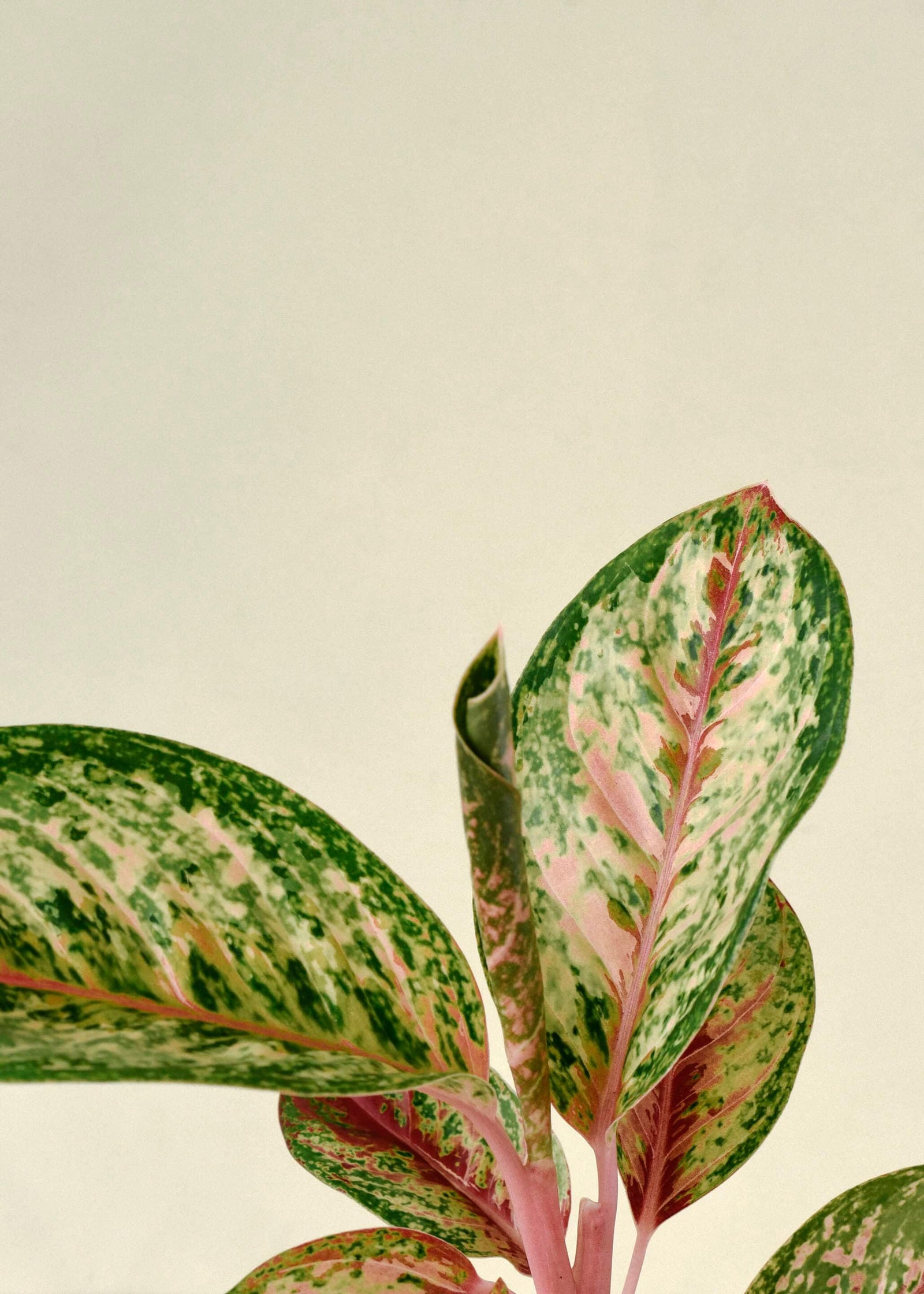
Aglaonema 'Red Joy' Medium - Red symbolizes luck, prosperity, and celebration in Asian culture—perfect for attracting positive energy.
Folklore & Symbolism Across Asia
Beyond Feng Shui, Aglaonemas appear in folklore and traditional practices across Southeast Asia:
Thailand: Known as "Sri Siam" in some regions, Aglaonemas are associated with good fortune and are often gifted during housewarming ceremonies.
Philippines: Indigenous communities used Aglaonemas in rituals and believed they brought harmony to the home.
Indonesia & Malaysia: Aglaonemas were planted near homes to protect against evil spirits and ensure family prosperity.
The common thread? Aglaonemas = good luck, protection, and abundance. And honestly, who couldn't use a little extra luck?

Aglaonema 'White Diamond' M - Pure, elegant patterns reminiscent of temple gardens and sacred spaces.
Why Symbolism Still Matters Today
You might be thinking, "Cool story, but I just want a plant that won't die." Fair. But here's the thing: symbolism adds meaning to your space. Whether you believe in Feng Shui or not, there's something powerful about surrounding yourself with objects (or plants) that represent your values and aspirations.
For queer folks, creating intentional, meaningful spaces is an act of self-care and resistance. Your home is your sanctuary, and filling it with plants that symbolize resilience, abundance, and protection? That's not just decor—that's magic.
Plus, if you're gifting an Aglaonema, you're not just giving a plant—you're giving good vibes, prosperity, and a little piece of cultural history. That's a flex.

Aglaonema 'Crete' Medium - Vibrant patterns representing abundance, growth, and renewal.
Modern Popularity: From Temples to TikTok
Today, Aglaonemas are experiencing a renaissance. They're all over social media, interior design blogs, and plant shops worldwide. But their cultural significance hasn't faded—it's evolved. People still choose Aglaonemas for their symbolic meaning, whether they're setting up a Feng Shui-inspired home office or just vibing with the idea of a "lucky plant."
And let's be real: in a world that feels increasingly chaotic, having a plant that promises prosperity and protection? We'll take it.
The Takeaway
Aglaonemas have been symbols of wealth, luck, and protection for centuries. They've graced palace gardens, temple courtyards, and now, your living room. Whether you're into Feng Shui or just love a plant with a good backstory, Aglaonemas bring more than beauty—they bring meaning.
Next up in this series: The Glow-Up Era: Hybridization and the Birth of Modern Aglaonemas, where we explore how breeders transformed these palace plants into the colorful, Instagram-worthy varieties we obsess over today.
Shop our Aglaonema collection and invite prosperity, protection, and good vibes into your home.