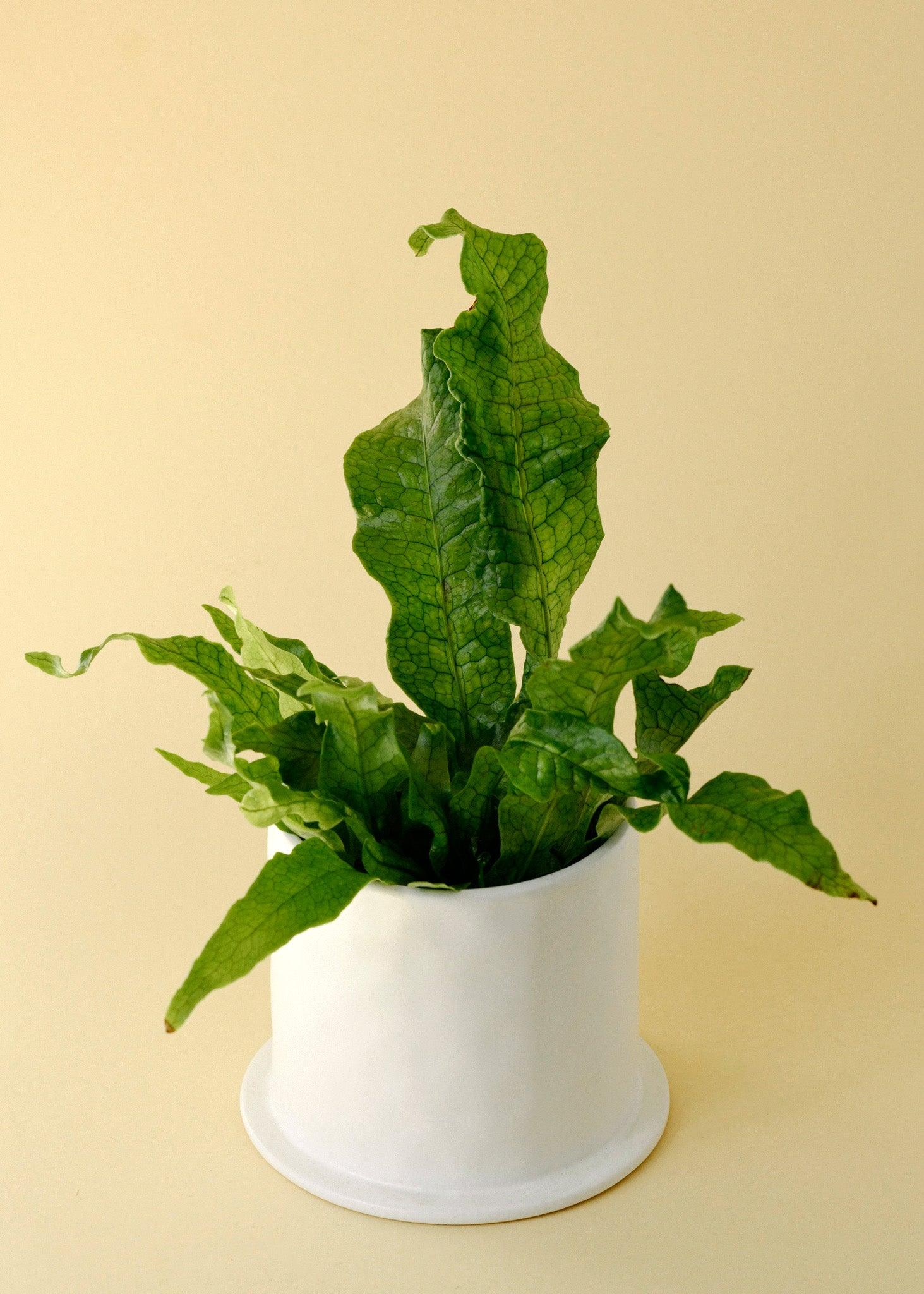
Choosing the right pet-friendly plant is about matching your space, your routine, and your animals’ habits.
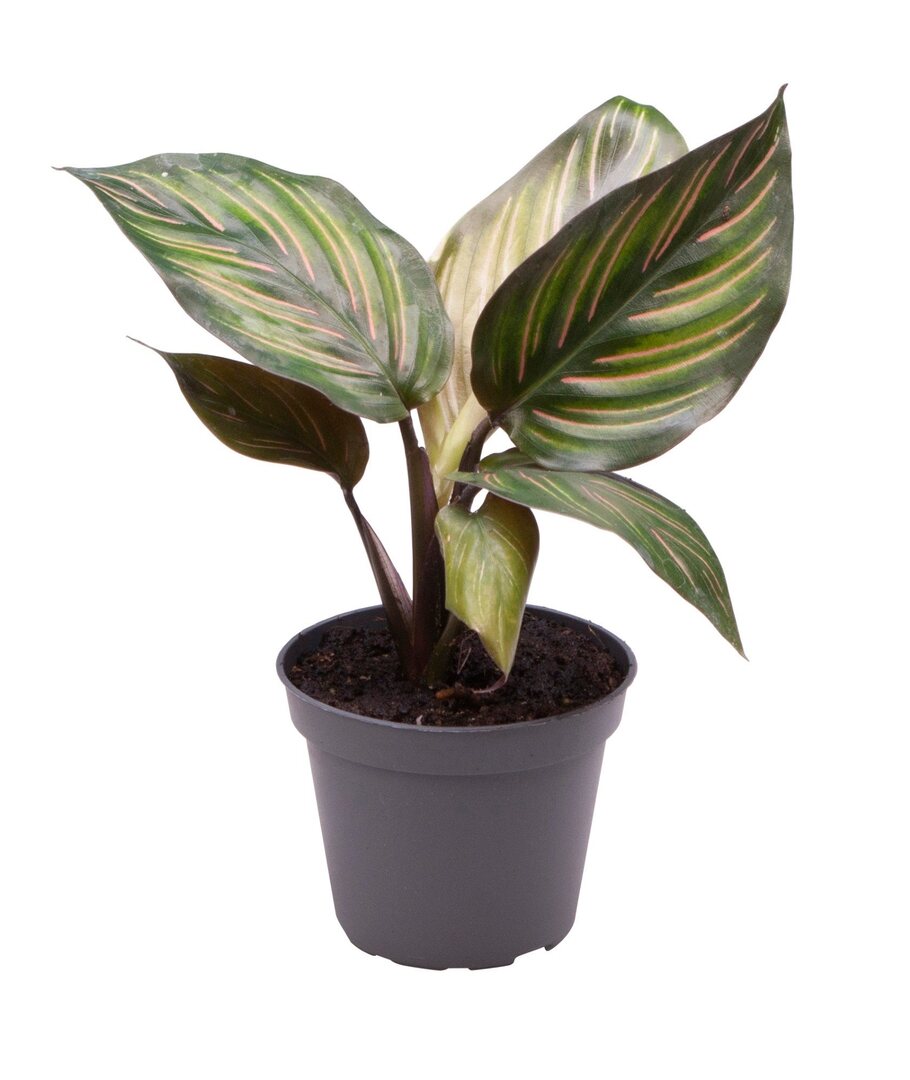
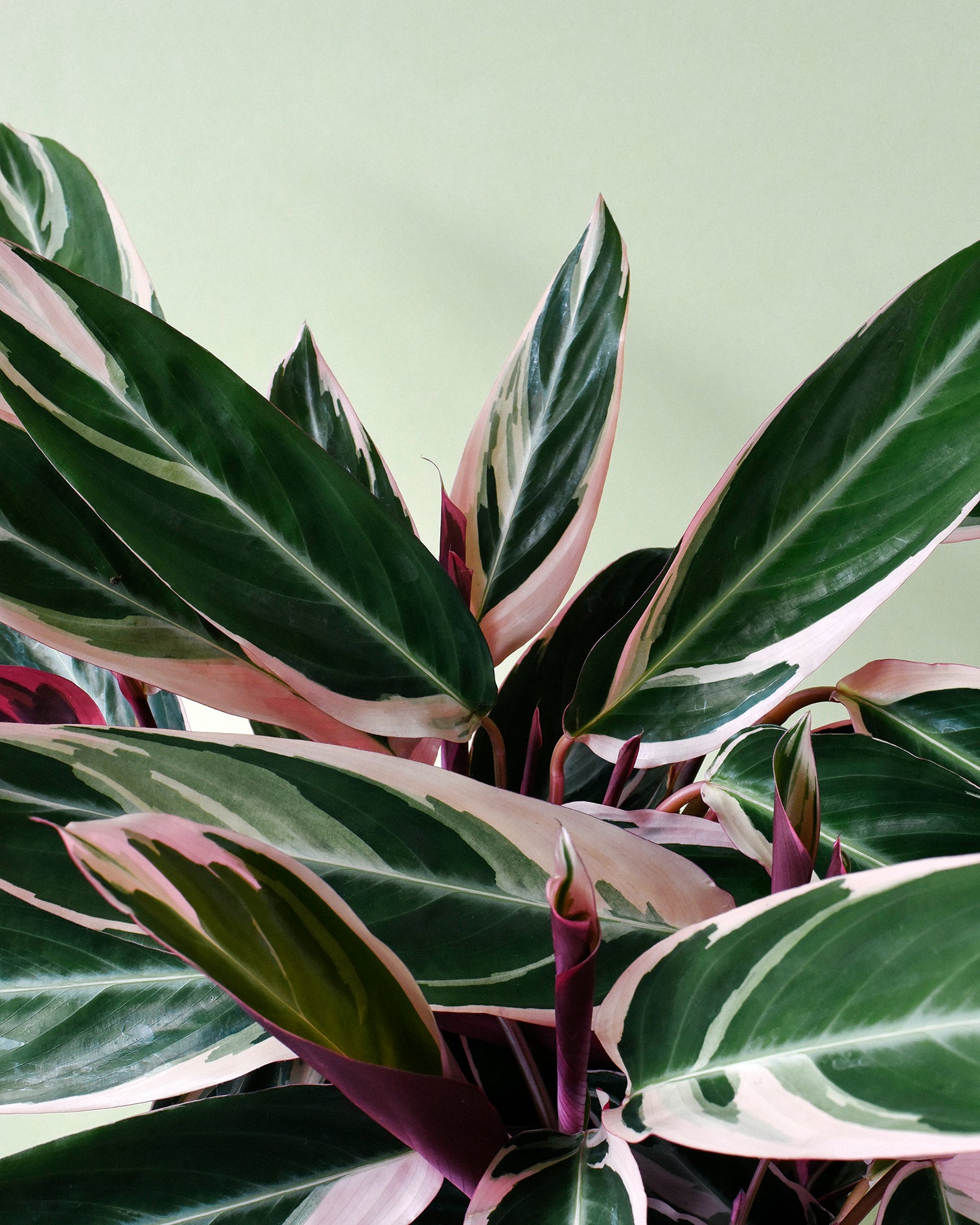
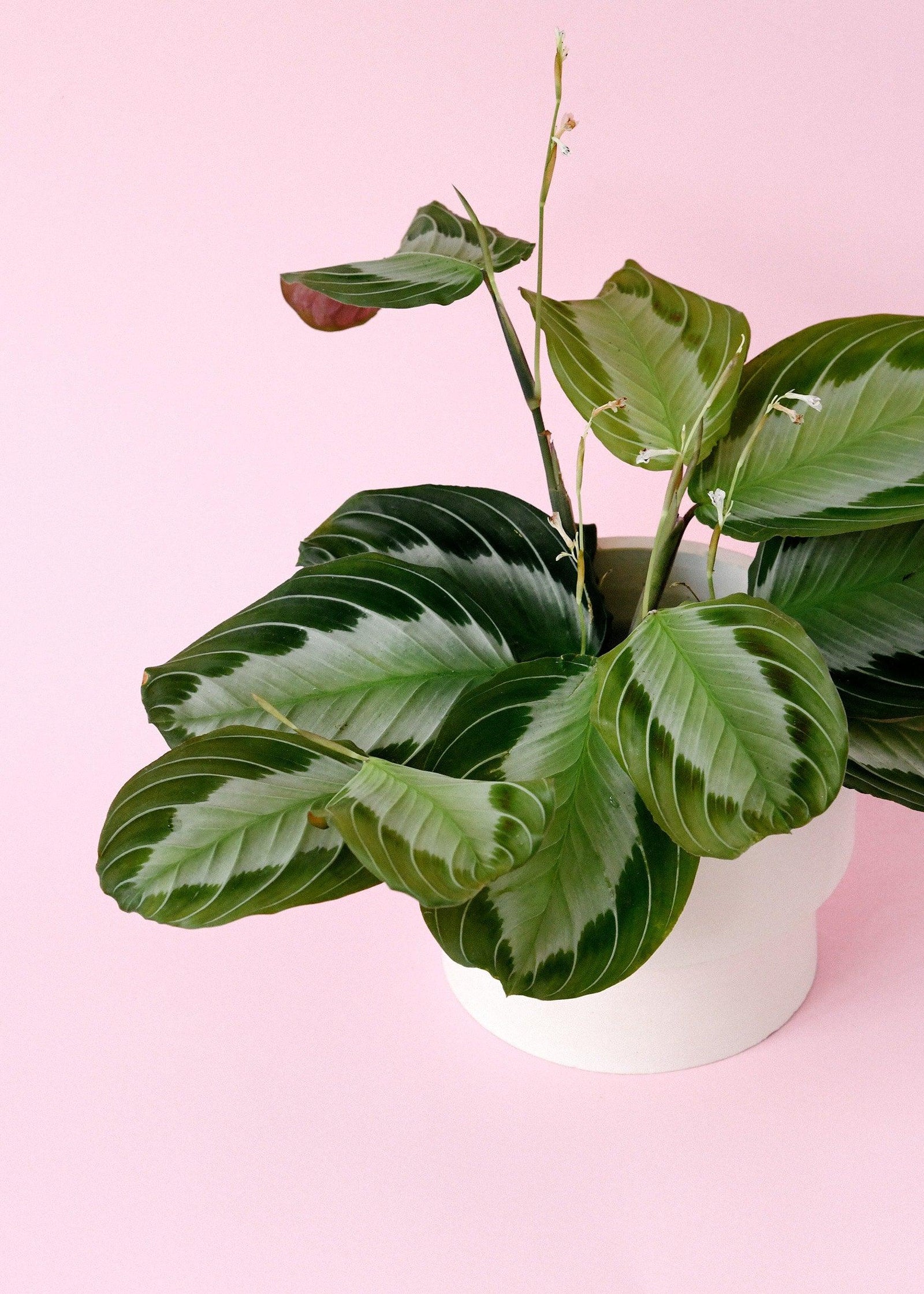
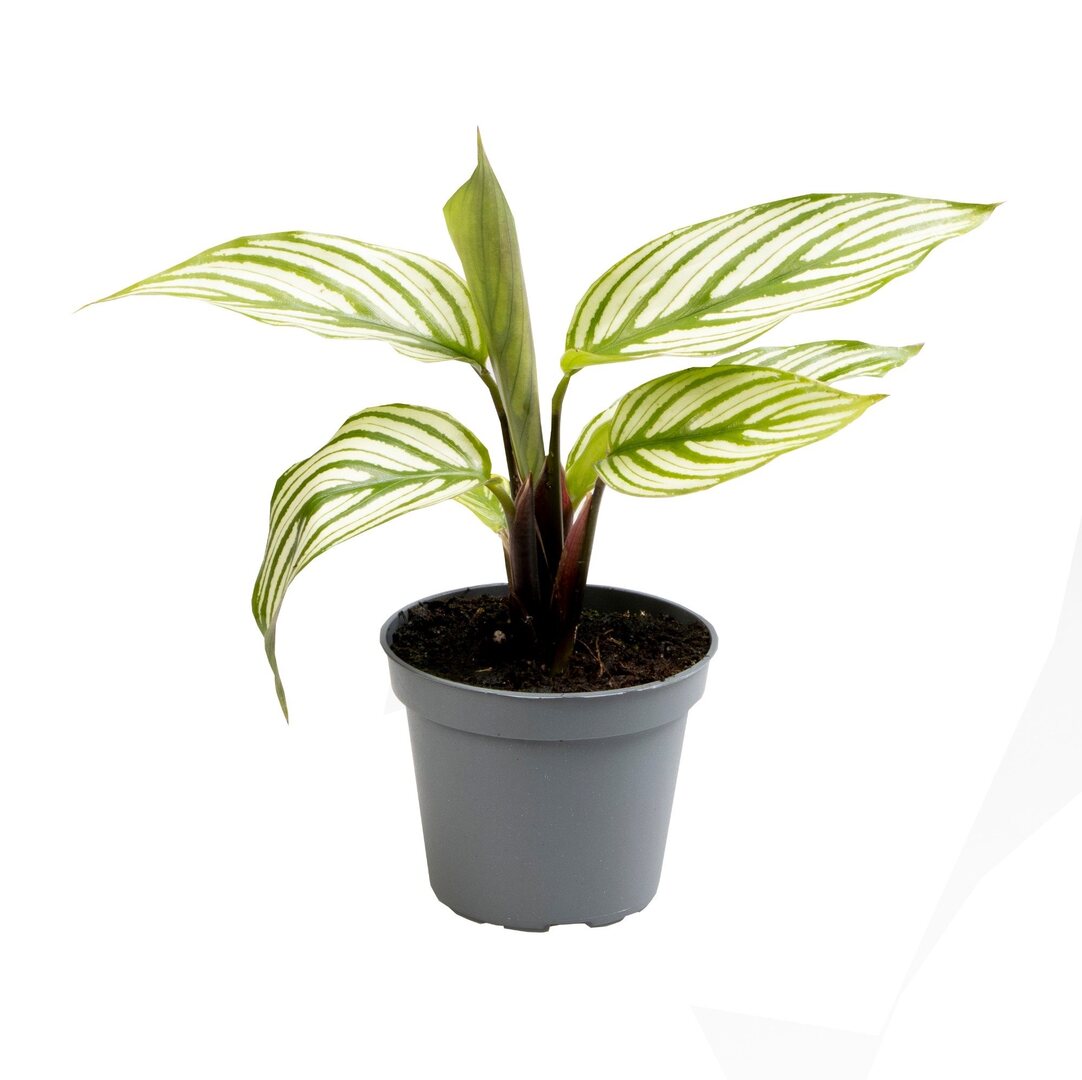
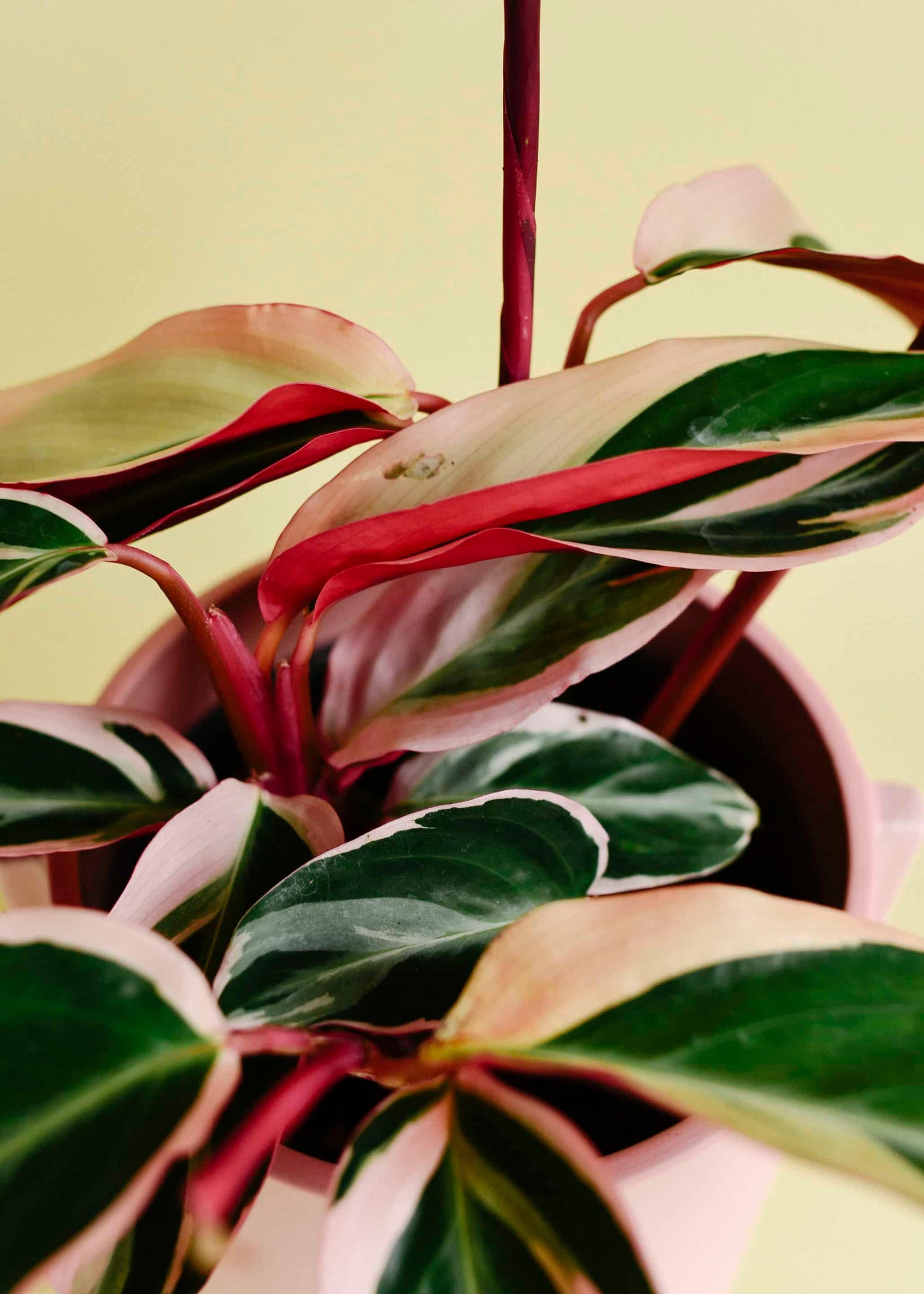
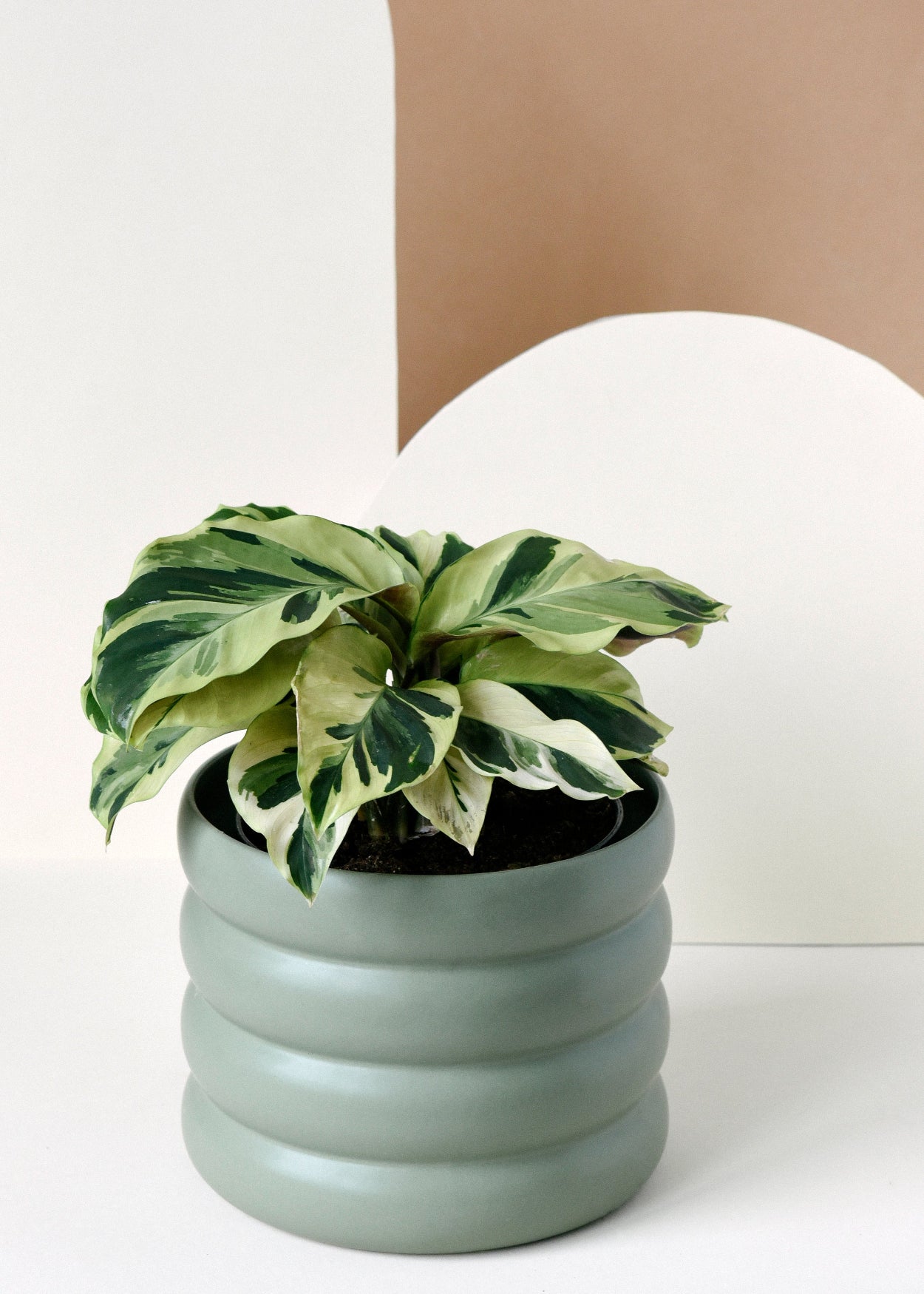
1. Start with your light Observe the room where the plant will live for a full day. Bright, indirect light near a window suits most plants here, including Hoya, Ceropegia and many Prayer Plants. If the room is noticeably dim, lean toward Maranta and Goeppertia (Calathea) and accept slower growth rather than forcing a sun-loving plant to adapt.
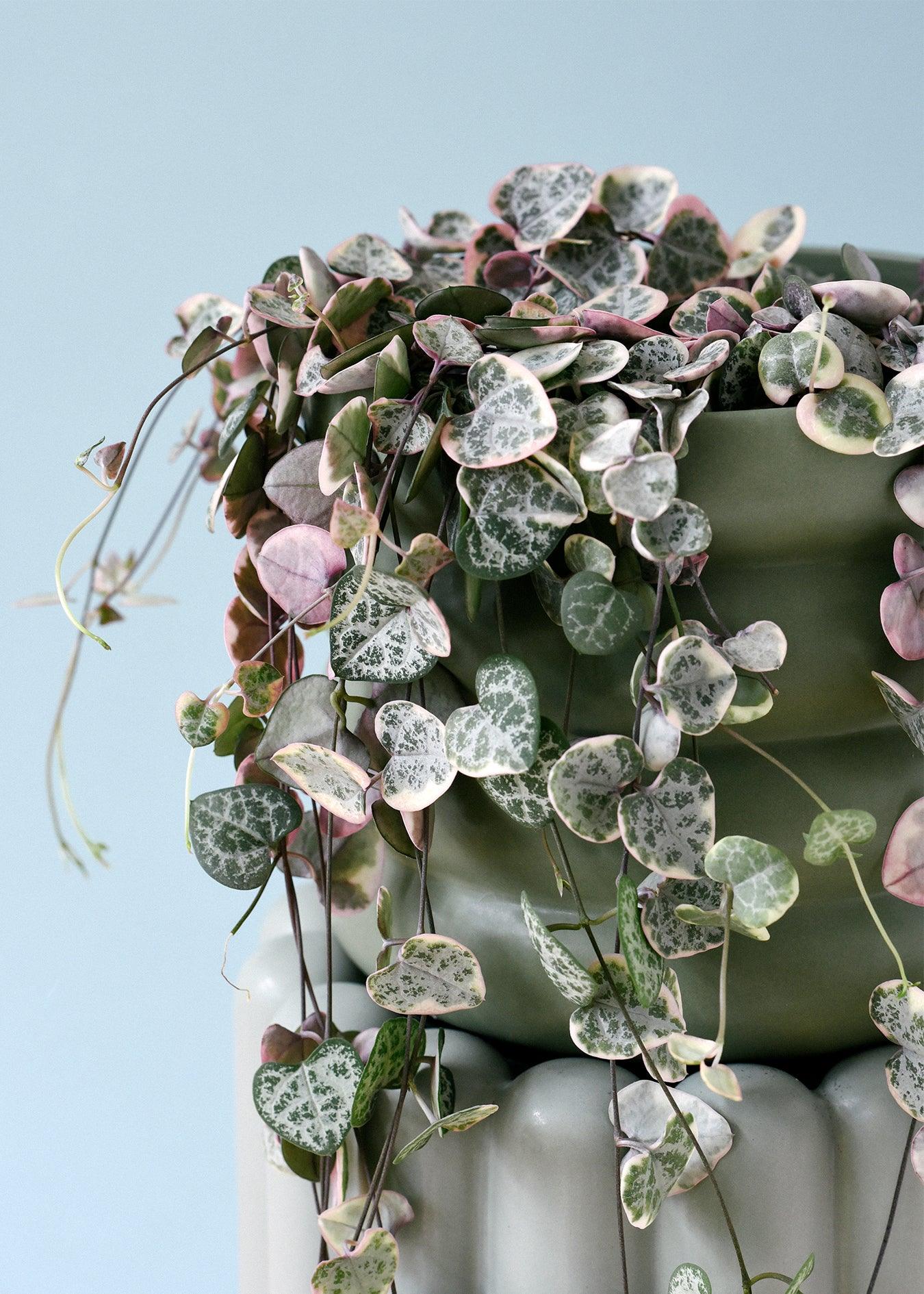
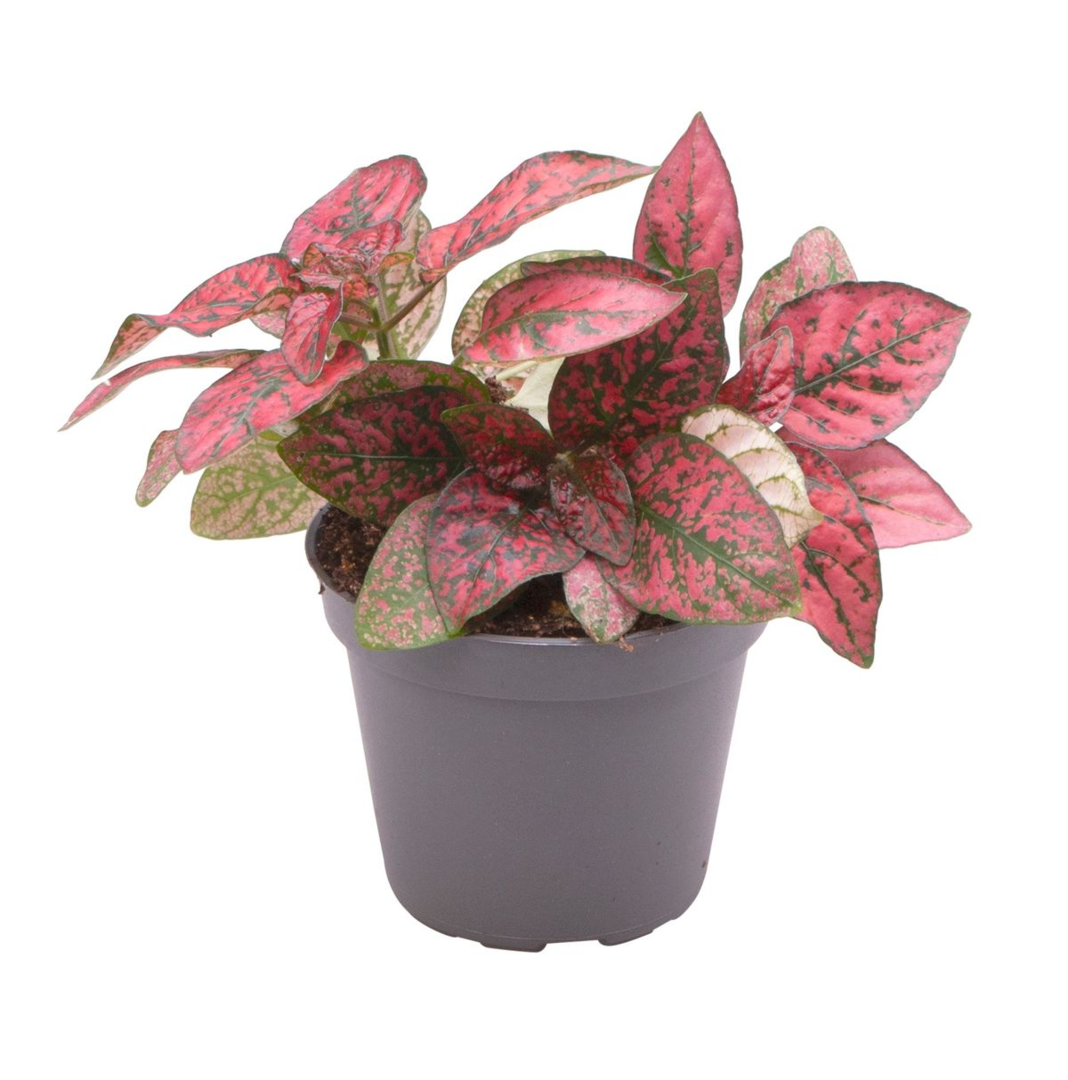
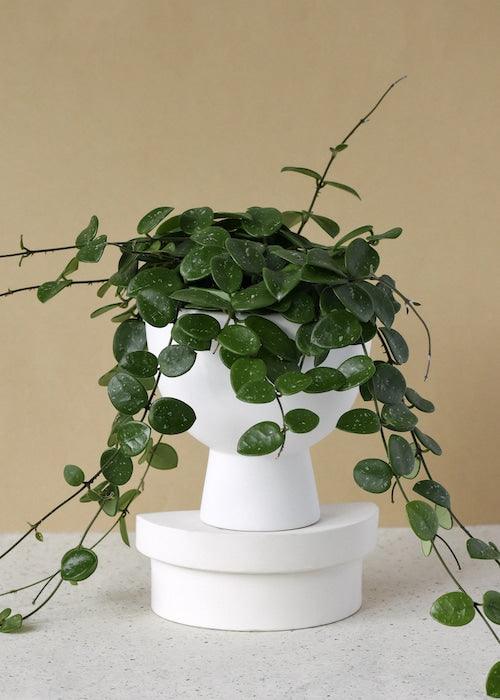
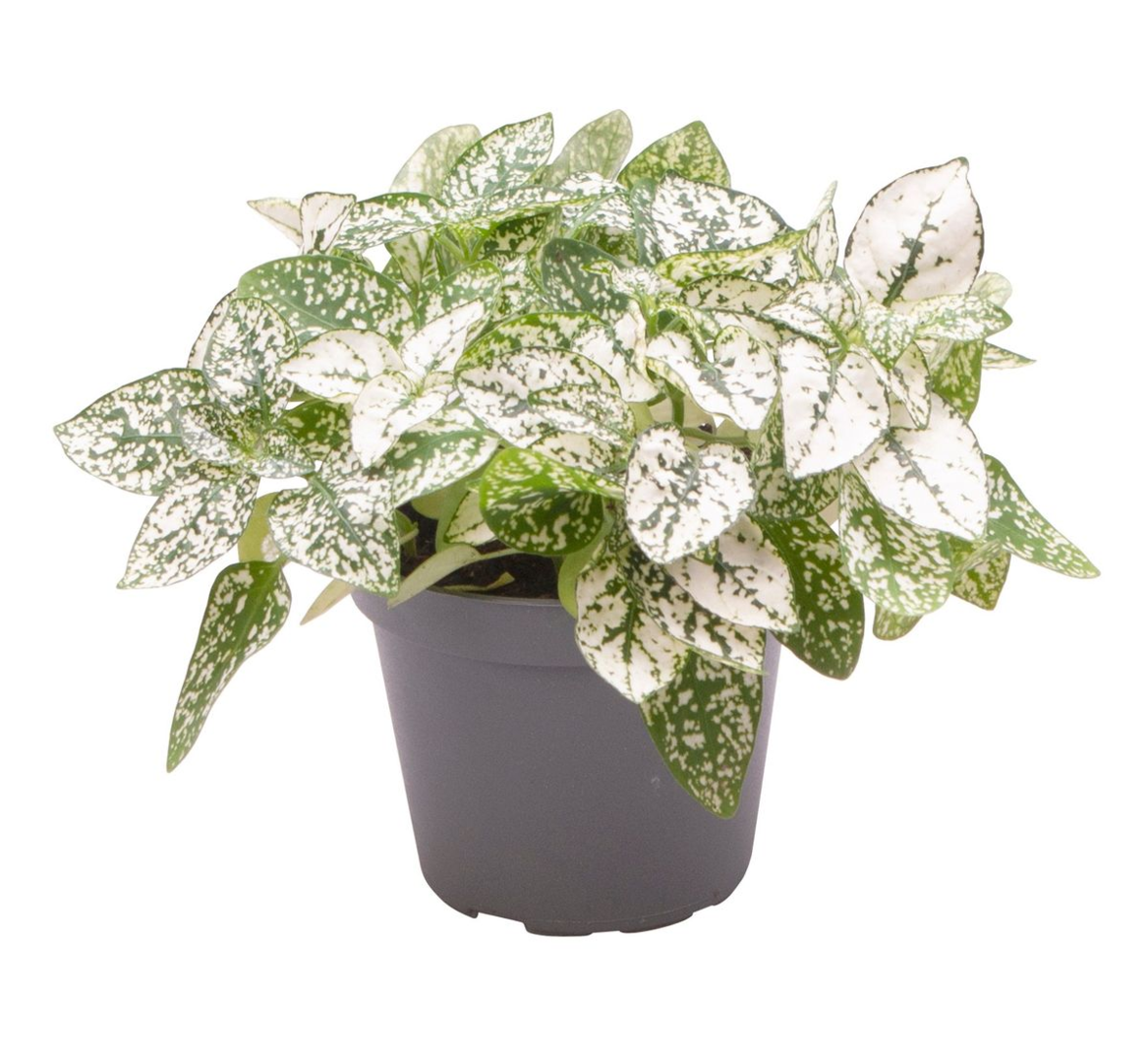
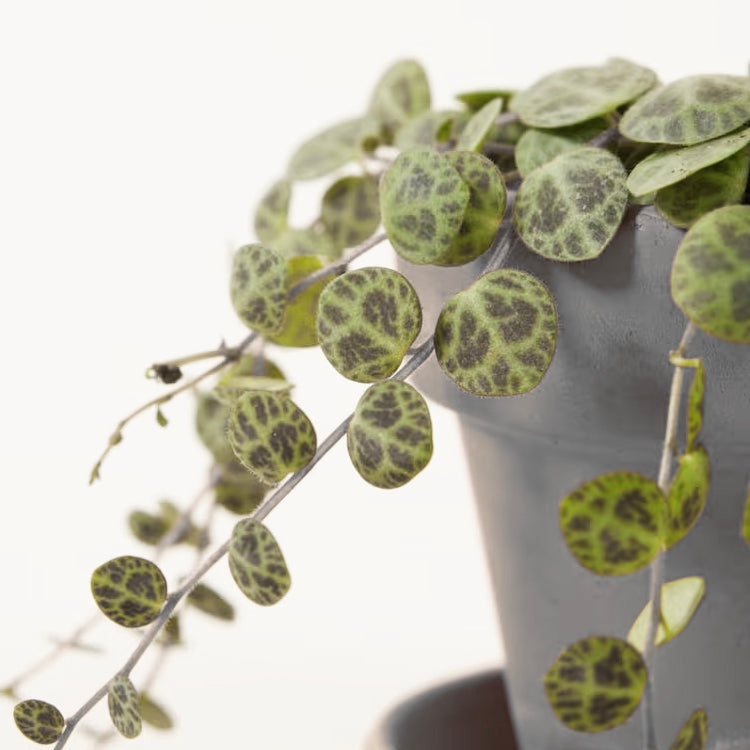
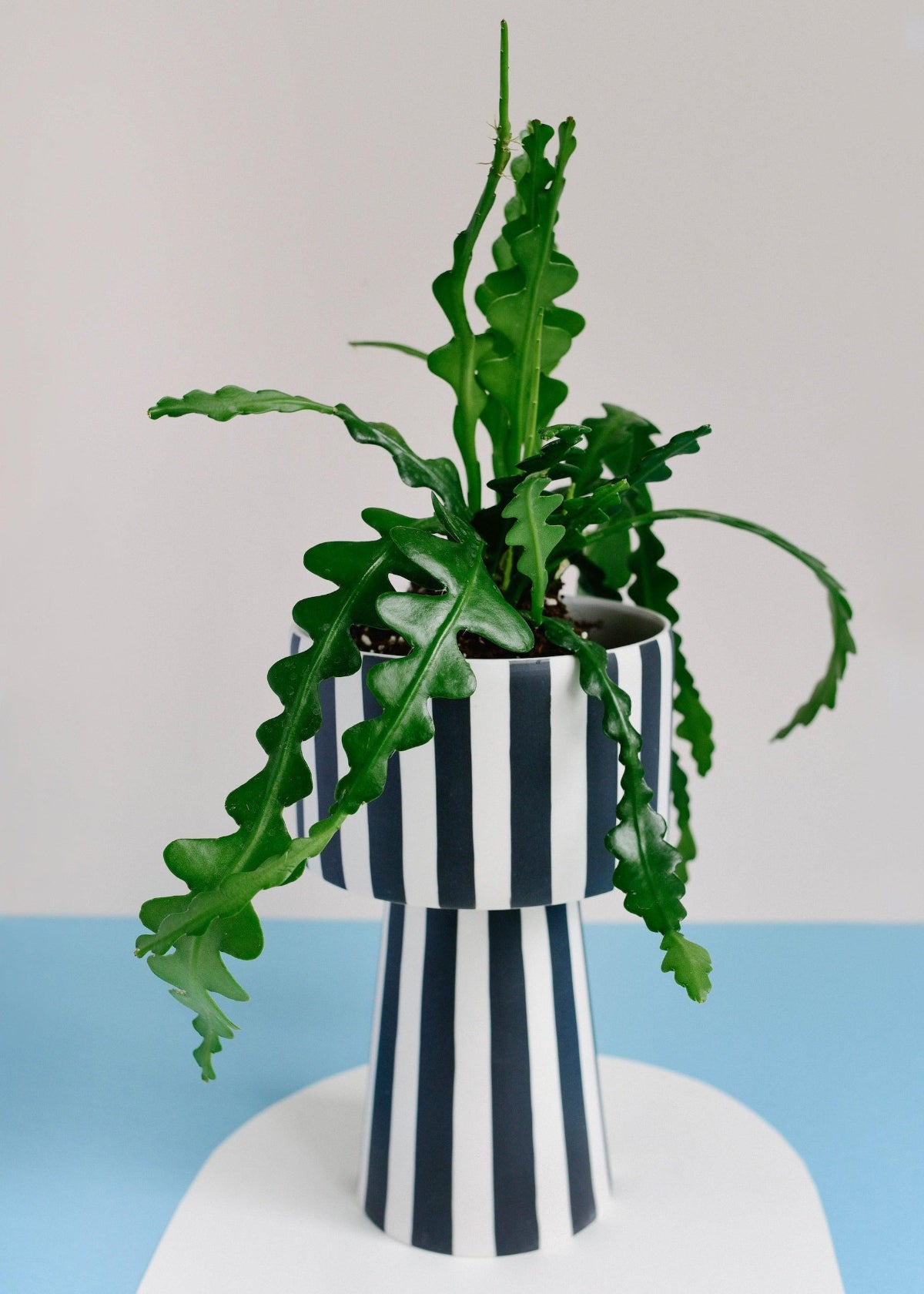
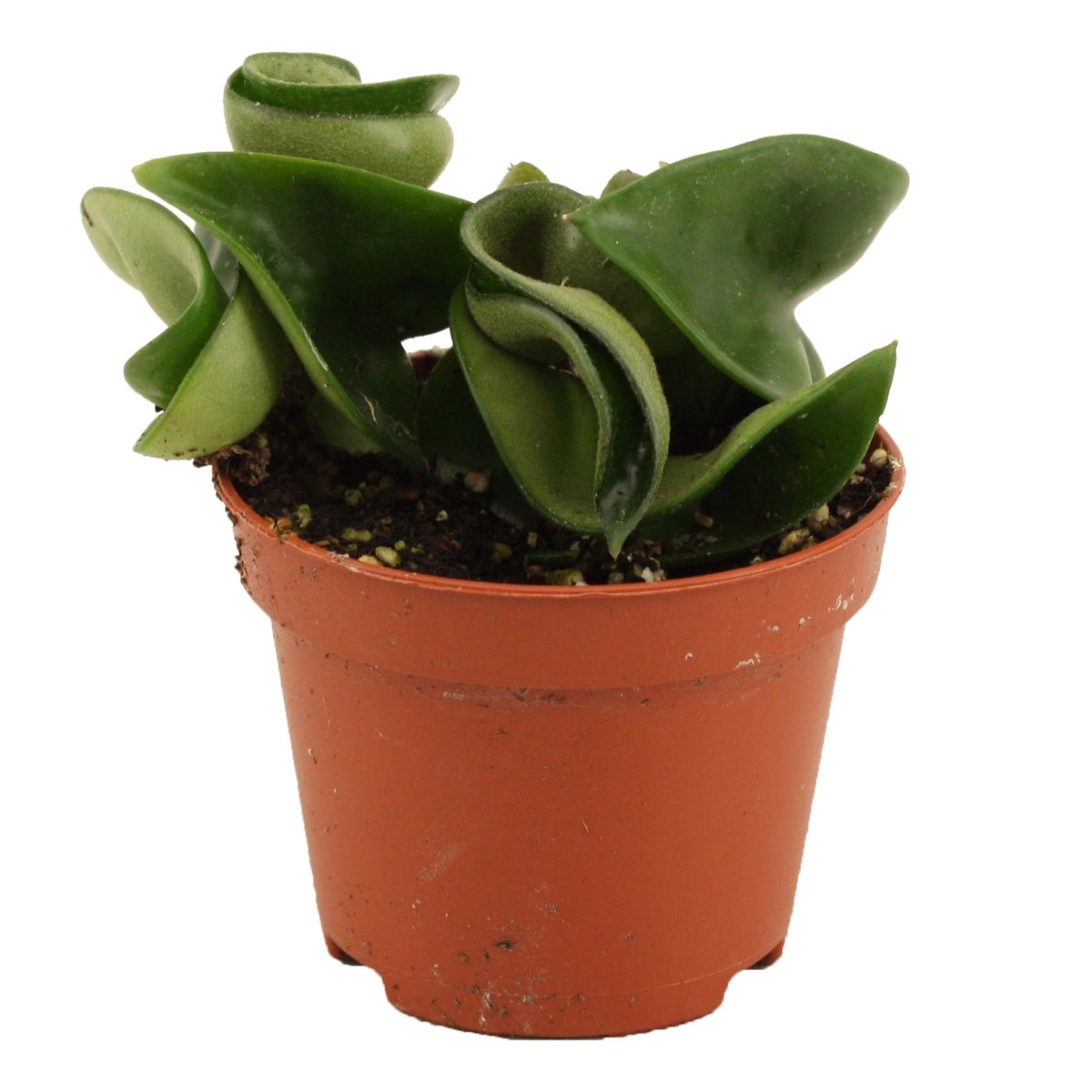
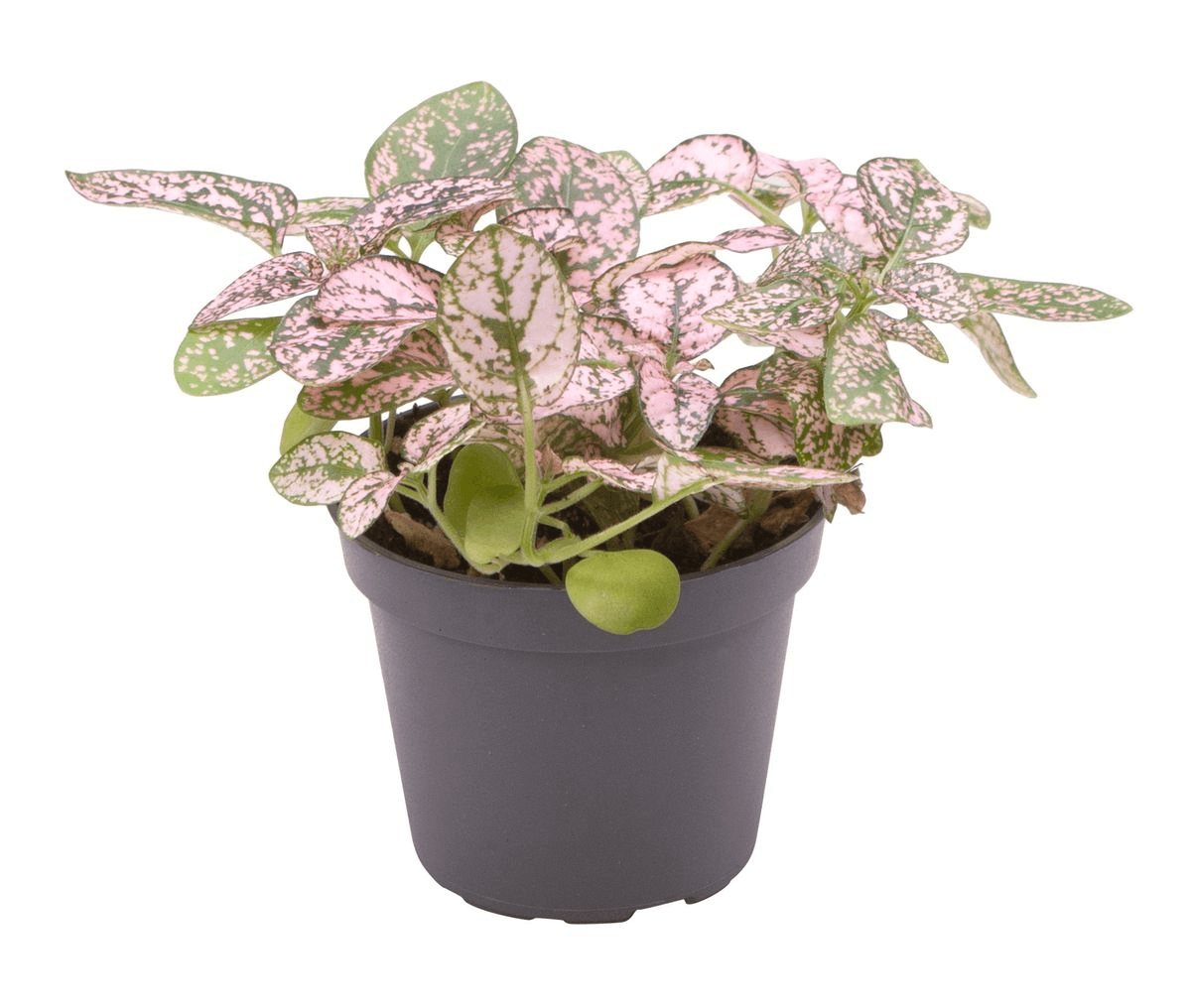
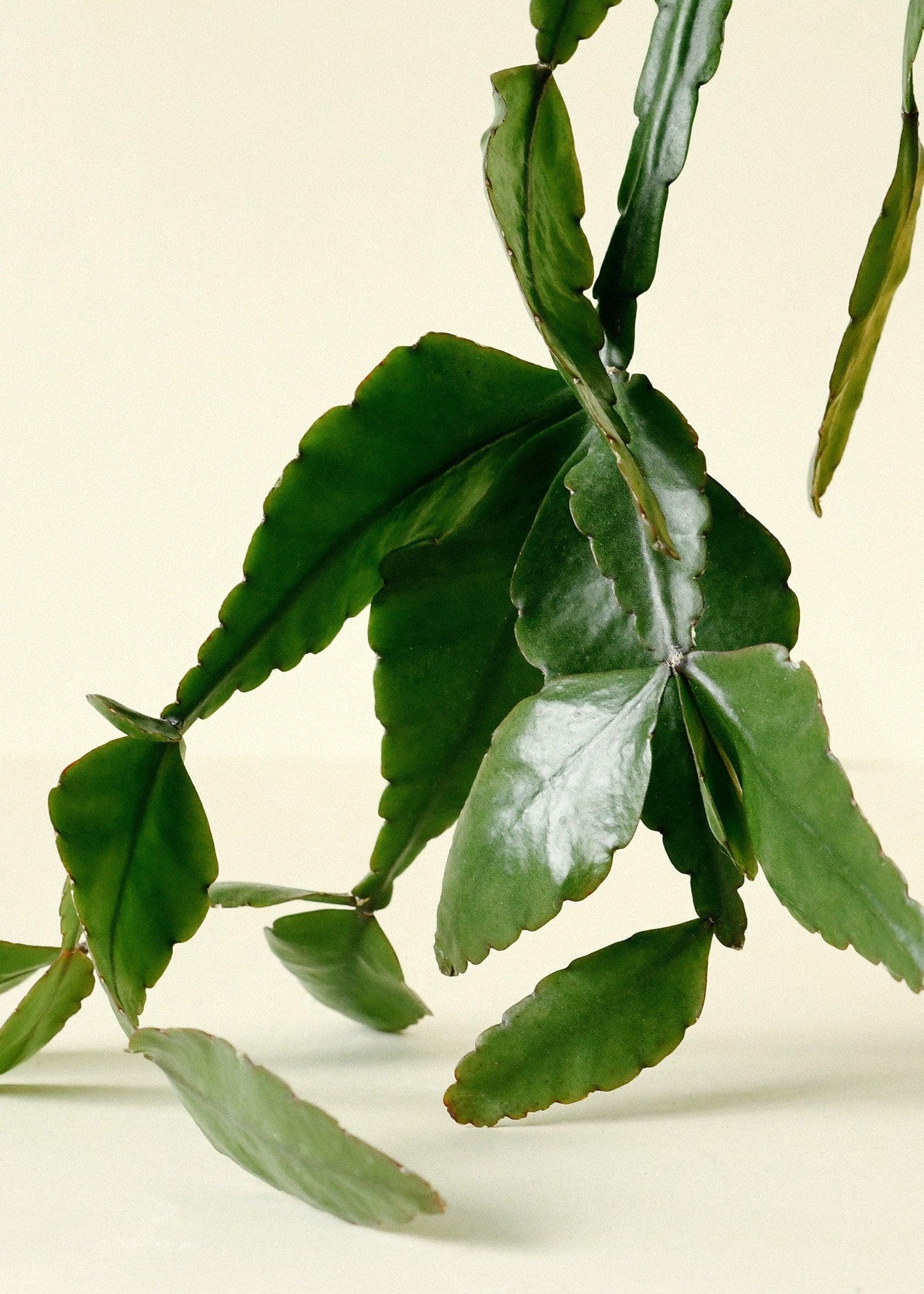
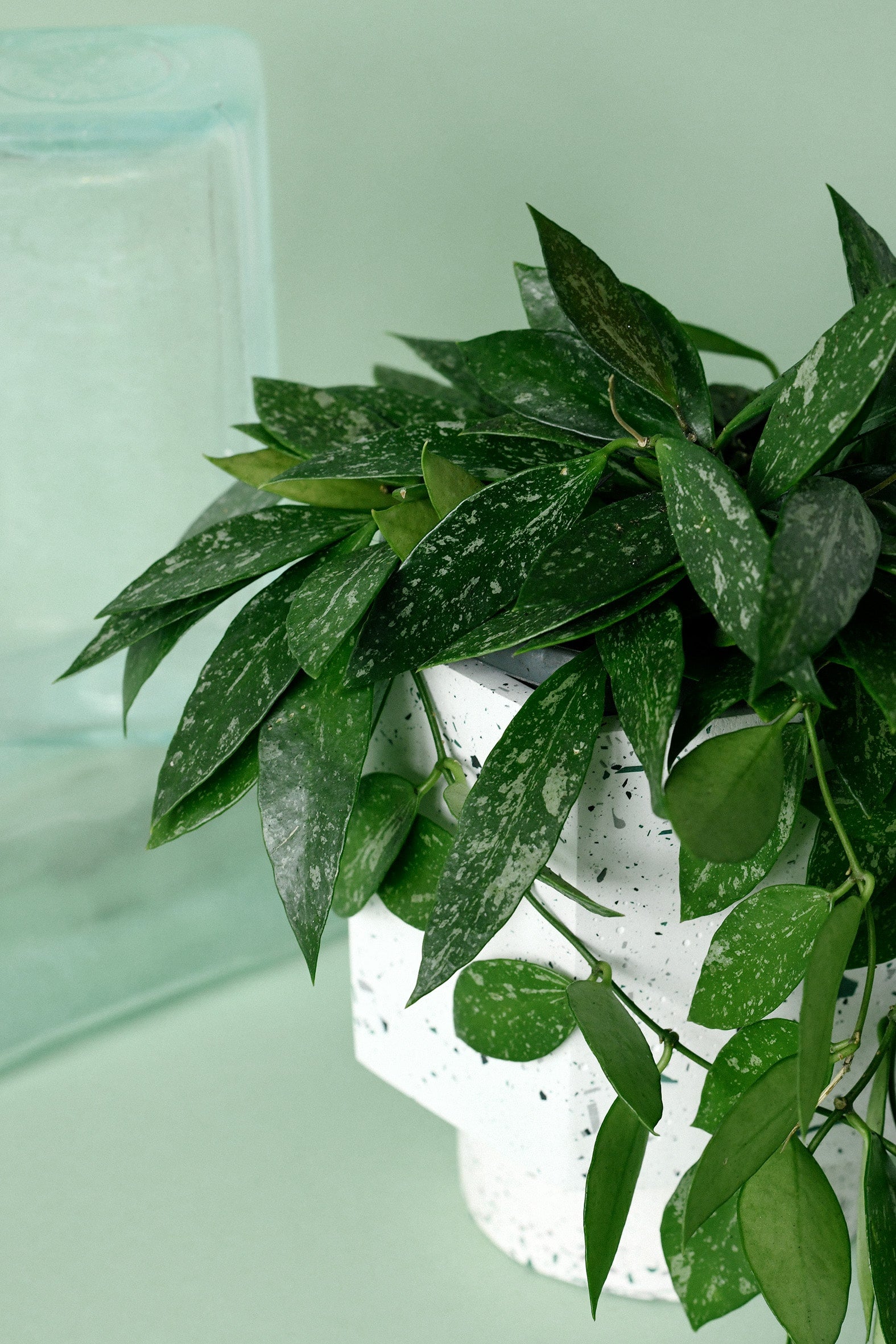
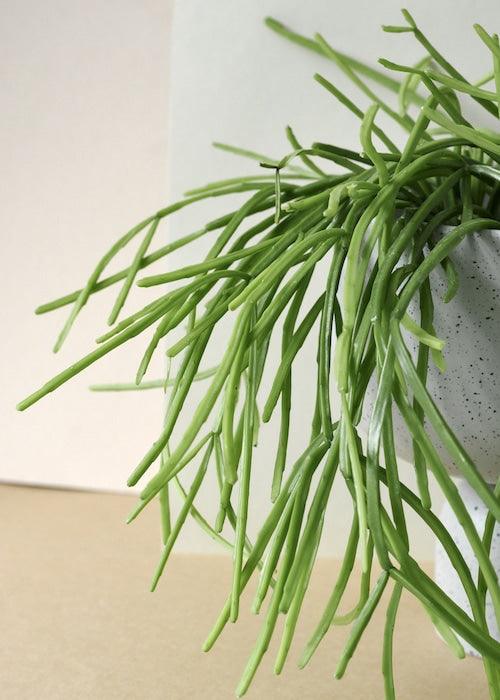
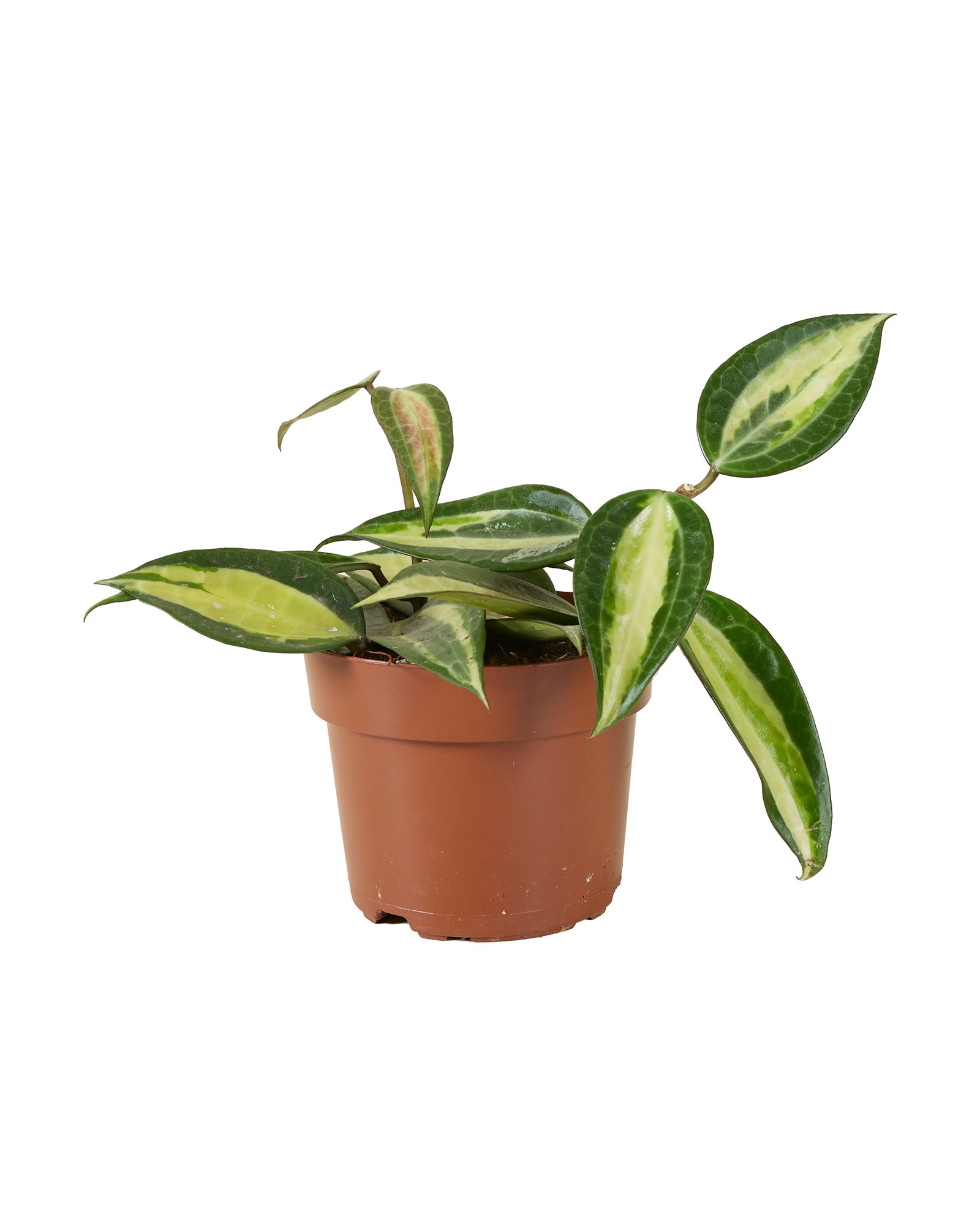
2. Decide where the plant will sit For homes with playful pets, shelves, cabinets and hanging planters are often easier than floor-level pots. Trailing plants such as Hoya, Ceropegia and Epiphyllum look full and graphic when they can spill over the edge, while compact babies like Hypoestes or Macodes petola fit neatly on desks or side tables.
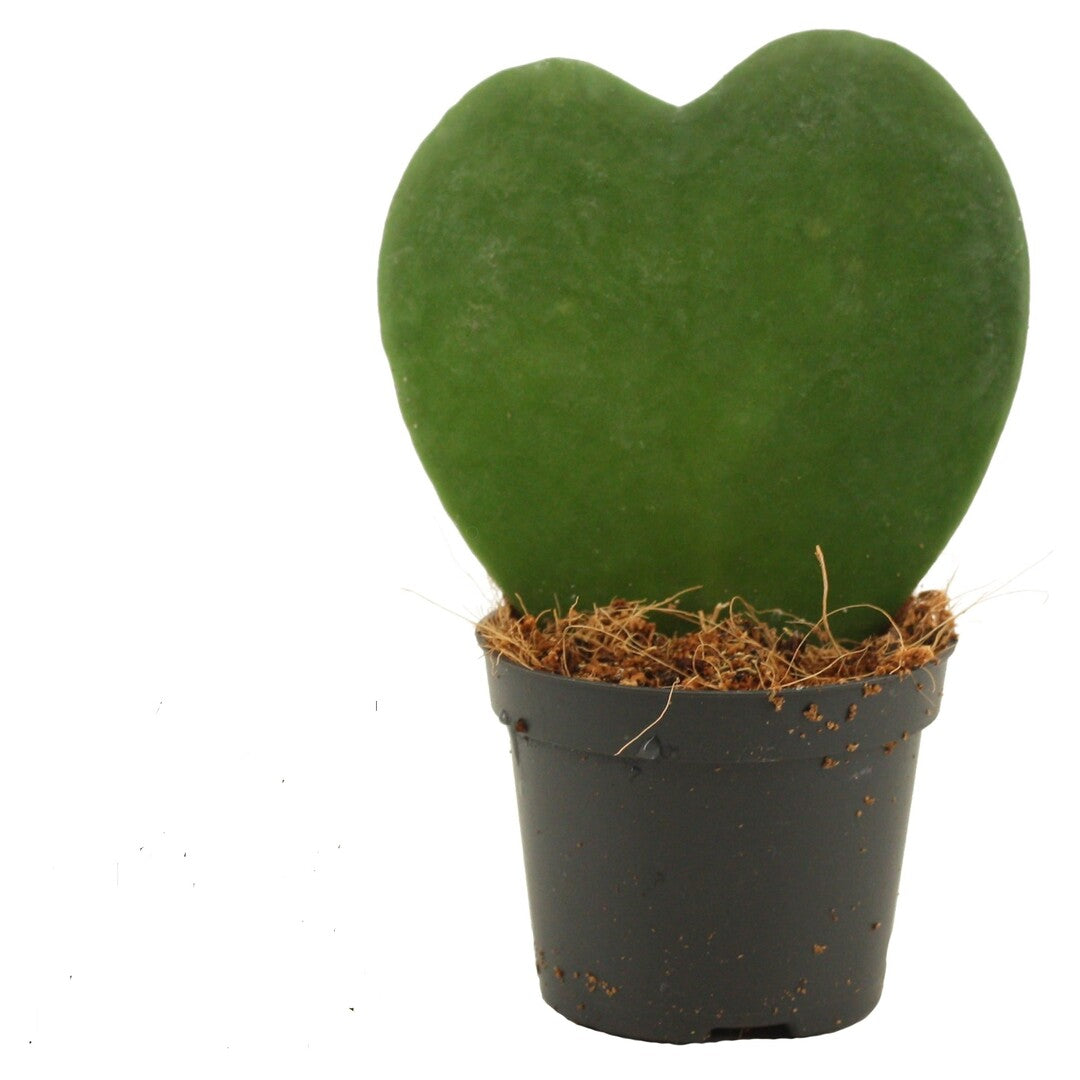
3. Match care level to your routine If you sometimes forget to water, choose plants tagged as “Easy Care” and those with thicker, succulent-like leaves (for example many Hoya and Ceropegia). If you enjoy a weekly care ritual and can offer more humidity, you can add more sensitive foliage like Goeppertia (Calathea) and Maranta.
4. Consider your pets’ behaviour Even with pet-friendly choices, it’s wise to reduce grazing. For kittens, puppies or nibblers, favour hanging or high-placed plants and heavier pots that are harder to knock over. Introduce one or two plants first and watch how your pet reacts before filling the room.
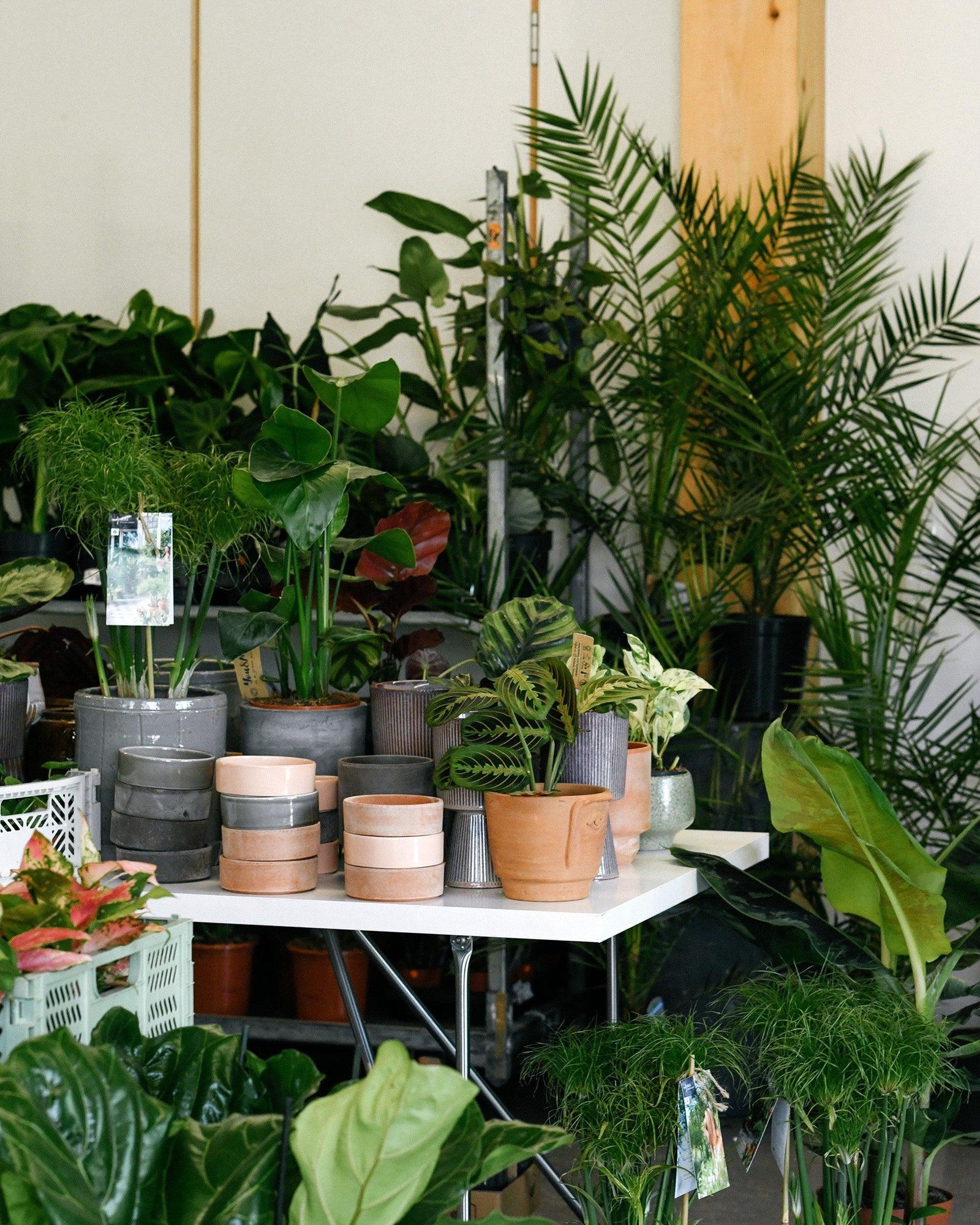
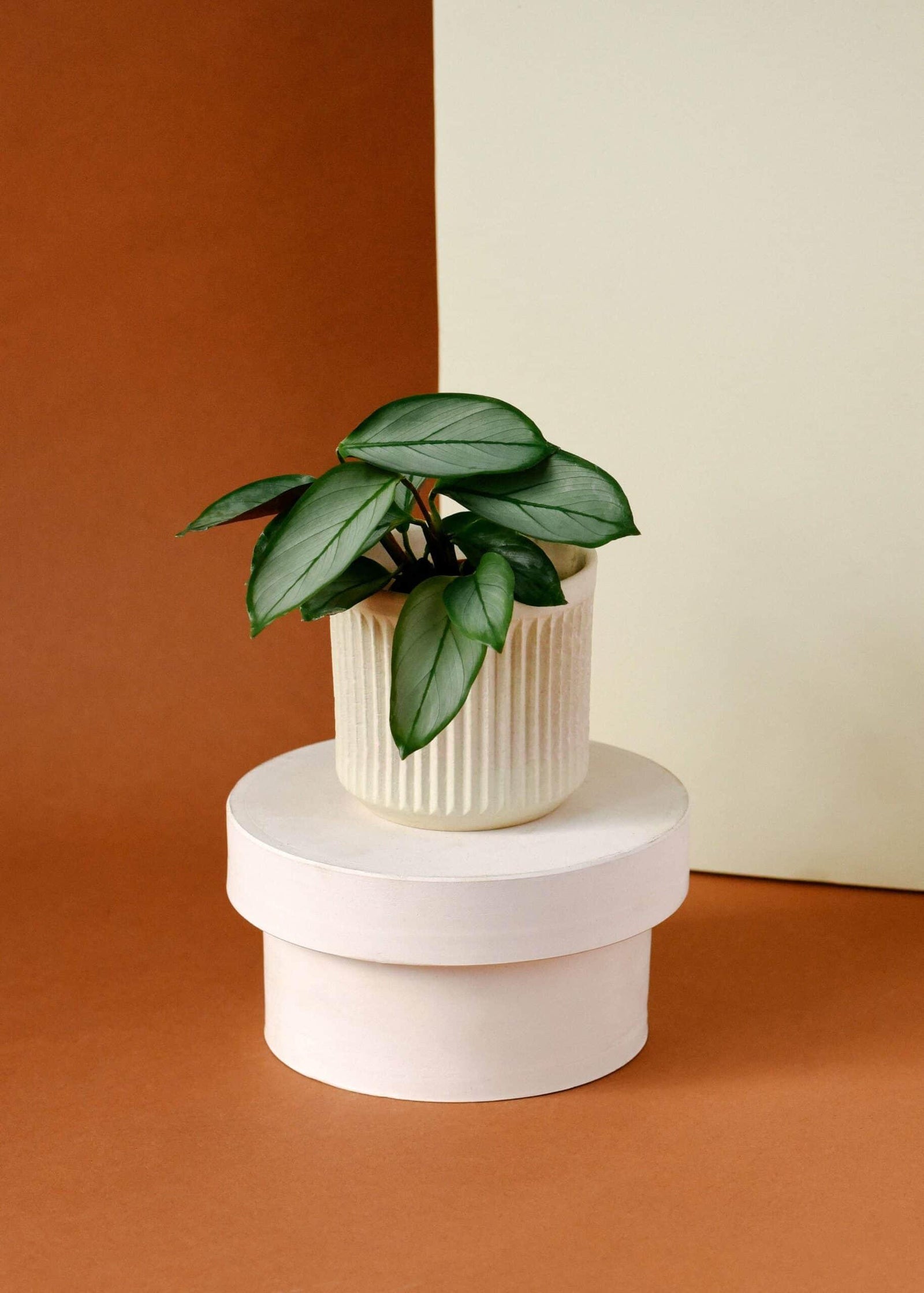
5. Build a layered, coherent look Combine trailing plants with upright foliage in similar colour families (greens, silvers, pink accents) for a calm, cohesive feel. Use baby plants to fill gaps or to create small vignettes in rooms that your pets only occasionally visit.