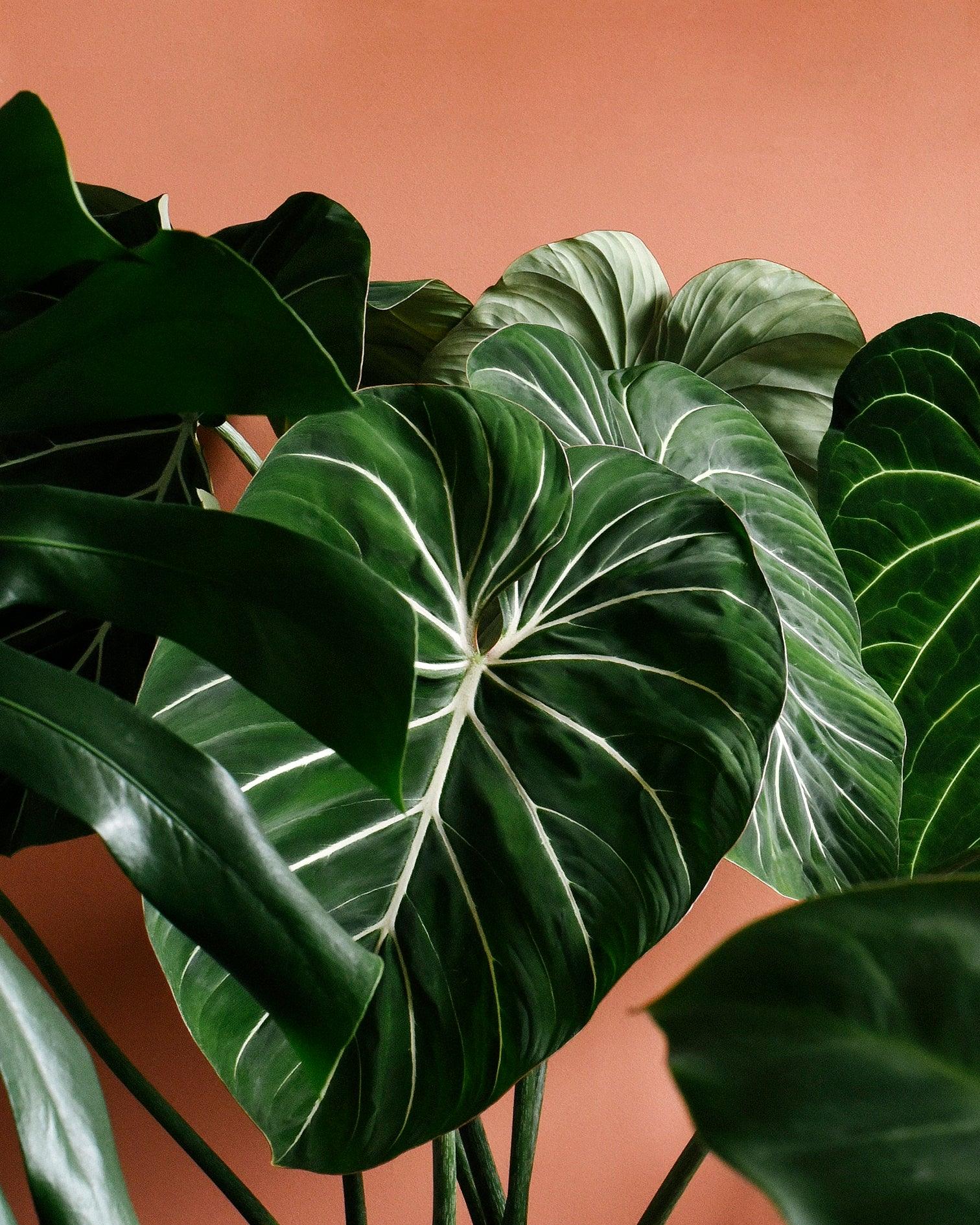



A Universe of Foliage: An Introduction to Begonias
With a dazzling diversity of over 2,000 species and an even greater number of hybrids, the Begonia genus offers a specimen for every plant enthusiast's taste. While some are known for their prolific blooms, for most collectors, the true allure lies in their extraordinary foliage. The sheer variety in leaf color, form, texture, and size—from diminutive species just a few centimeters tall to towering giants—makes them a captivating group to cultivate.
The patterns are particularly noteworthy, ranging from the striking silver spots of the Cane Begonias to the intricate, swirling designs of Rex Begonias. This diversity is a direct result of their widespread global distribution, which has led to adaptations for a vast range of climates.

Begonia Maculata Wightii
Add this stunning Polka Dot Begonia to your collection. Famous for its angel-wing leaves and silver spots. Available for EU delivery.
View Product in ShopGeneral Begonia Care Principles
Before acquiring a new Begonia, especially a rare species, it's wise to research its native habitat. Does it require the high humidity of a terrarium, or does it prefer drier conditions and brighter light? While specific needs vary, most Begonias are adaptable. Don't be alarmed if existing leaves show stress after a change in environment; new growth will typically acclimate without issue.
- Light: Most Begonias prefer bright, indirect light. Avoid intense, direct afternoon sun, which can scorch their delicate leaves.
- Watering: A common mistake is overwatering. Allow the top few centimeters of the soil to dry out between waterings. Begonias are susceptible to root rot in soggy conditions.
- Soil: A well-draining, slightly acidic potting mix is crucial. Incorporating perlite or orchid bark can improve aeration significantly.
- Fertilizer: Begonias are not heavy feeders. A diluted, balanced liquid fertilizer can be applied every 4-6 weeks during the growing season (spring and summer).
Navigating Winter Care
If you notice your Begonia declining in winter, the culprit is often a combination of reduced light and excessive water. If you cannot provide supplemental light, move the plant to a cooler location, such as a bedroom, and reduce watering frequency dramatically. Some species, like Begonia luxurians (Palm Leaf Begonia), are surprisingly hardy and can overwinter in cool conditions just above freezing, provided they are kept quite dry.
Common Pests & Diseases
Two primary issues to watch for are aphids and powdery mildew. Powdery mildew can often be prevented with good air circulation and, if necessary, treatments containing sulphur. Aphid infestations can be managed effectively with regular applications of neem oil.
7 Expert Tips from a Begonia Collector
We've gathered these quick tips from rare Begonia collector Pietro Zambello to elevate your care routine:
- Master Your Mix: Perlite is essential for South East Asian species. Consider adding Akadama and soft limestone to your mix. Cane Begonias prefer a richer, humus-based soil with plenty of perlite, while Rhizomatous types thrive in a more mineral-rich, well-drained substrate.
- Water Wisely: Let the soil dry out between waterings. The main exception is certain Chinese species, like B. emeiensis, which tolerate consistently moist conditions.
- Practice Plant Hygiene: Always use clean blades for pruning, use reverse osmosis or distilled water if your tap water is hard, and disinfect pots and propagation boxes.
- Be Patient: Don't give up on a struggling Begonia too quickly. They can often resprout from a small, healthy piece of rhizome or stem. Sphagnum moss can be a great last resort for rehabilitation.
- Read the Leaves: Leaf color can indicate when it's time to fertilize. If you see widespread leaf 'melting' (sudden collapse), it's often a sign of a severe nutrient deficiency or root issue.
- Provide Ample Light: Offer them plenty of bright, indirect light, but never direct sun.
- Embrace Tuberous Varieties: Tuberous Begonias like Begonia grandis are fantastic choices for low-light, north-facing balconies. They are very hardy and can develop beautiful iridescence.
As the popularity of Begonias continues to grow, we expect many more fascinating species to become available. Be sure to check our Begonia collection regularly for new arrivals!
A special thanks to Begonia expert and grower Wilko Hofstede for sharing his knowledge for this article.
Frequently Asked Questions (FAQ)
What is the most common mistake when caring for rare Begonias?
The most frequent error is overwatering. Rare Begonias, especially those with rhizomes, are highly susceptible to root and stem rot. It is critical to use a very airy, well-draining potting mix and allow the substrate to partially or fully dry out between waterings, depending on the species.
How can I increase humidity for my terrarium Begonias without causing mold?
To boost humidity for high-humidity species, ensure your terrarium has adequate ventilation. A small fan or leaving the lid slightly ajar for short periods can prevent stagnant air, which leads to mold and fungal issues. Grouping plants also helps maintain a humid microclimate.
Are Begonias toxic to pets?
Yes, Begonias are considered toxic to cats and dogs. The most toxic part of the plant is underground (the tubers and roots). Ingesting the plant can cause oral irritation, excessive drooling, and vomiting. It's best to keep them out of reach of pets.
Why are the leaves on my Begonia getting crispy edges?
Crispy leaf edges on a Begonia are typically a sign of low ambient humidity. This is common in centrally heated homes during winter. You can remedy this by using a humidifier, placing the plant on a pebble tray with water, or grouping it with other plants to create a more humid micro-environment.