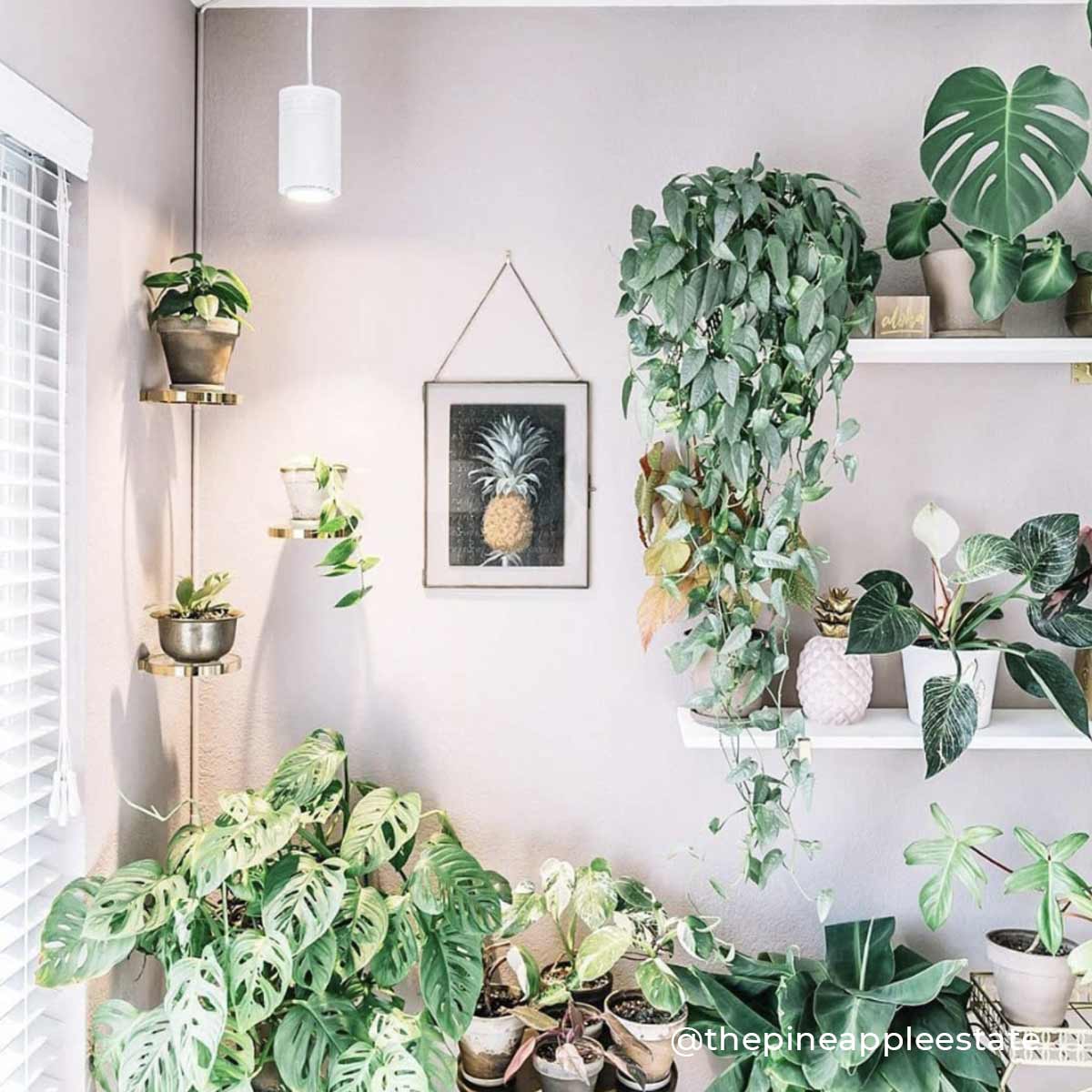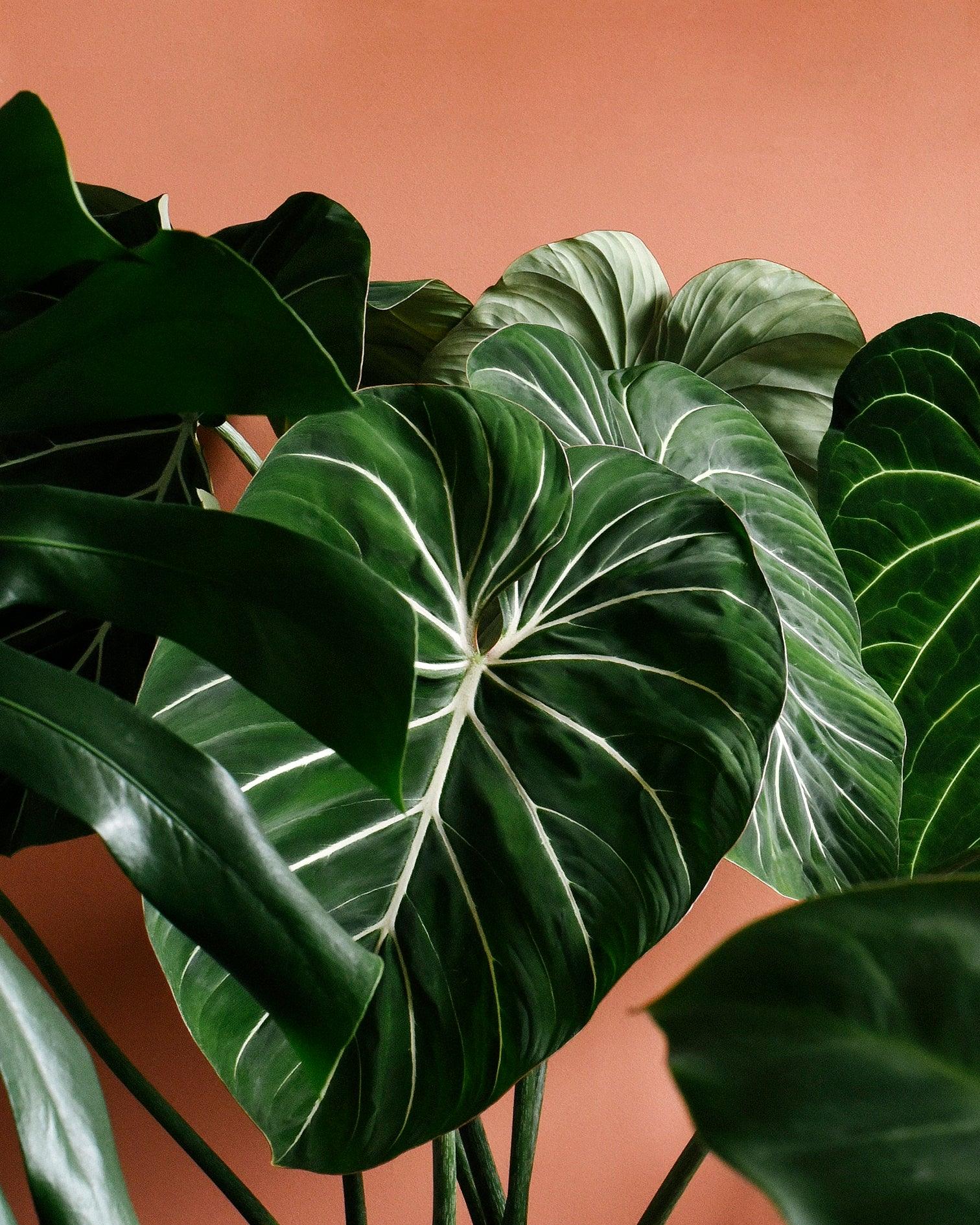



Let's talk about the plant that launched a thousand Instagram accounts: Monstera deliciosa. You know the one – those massive, split leaves that show up in every design magazine, coffee shop, and "plant parent" aesthetic post. It's the poster child of the houseplant boom, and for good reason: it's dramatic, relatively easy to care for, and grows like it's got somewhere to be.
But here's what nobody tells you: there's a huge difference between keeping a Monstera alive and actually growing it to its full, fenestrated glory. If your Monstera is producing small, unsplit leaves, growing slowly, or looking generally underwhelmed by life, this guide is for you.

What Is Monstera Deliciosa?
Monstera deliciosa is a tropical climbing plant native to the rainforests of Central America, from southern Mexico to Panama. In its natural habitat, it's an epiphyte that climbs up trees using aerial roots, reaching heights of 20+ meters with leaves that can grow over a meter wide. Yes, really.
The name "Monstera" comes from the Latin word for "monstrous" or "abnormal," referring to the unusual leaf fenestrations (the holes and splits). "Deliciosa" refers to the edible fruit it produces in the wild (though good luck getting your houseplant to fruit – it takes years and specific conditions).
Common names include Swiss cheese plant (for obvious reasons), split-leaf philodendron (even though it's not a philodendron), and Mexican breadfruit.
Why Do Monstera Leaves Have Holes?
The fenestrations aren't just for aesthetics – they serve a purpose in nature. Theories include:
- Wind resistance: Holes allow wind to pass through without tearing the leaves
- Light distribution: Splits let light reach lower leaves in the dense rainforest canopy
- Water drainage: Holes prevent water from pooling on large leaves
- Thermoregulation: Fenestrations help regulate leaf temperature
Whatever the reason, we're here for it. But here's the key: fenestrations only appear on mature plants in good conditions. Baby Monsteras produce solid, heart-shaped leaves. As the plant matures and gets more light, the leaves develop holes, then splits, then become increasingly dramatic.
How Much Light Does Monstera Deliciosa Need?
This is THE most important factor for getting those big, fenestrated leaves. Monsteras need bright, indirect light – and lots of it.
Ideal light: Bright, indirect light for most of the day. Think of a spot a few feet from a south or west-facing window, or directly in front of an east-facing window.
Can tolerate: Medium indirect light. The plant will survive but grow slowly with smaller, less fenestrated leaves.
Will thrive in: Bright light with a few hours of gentle direct morning sun. This encourages faster growth and more dramatic fenestrations.
Too much light: Harsh afternoon sun can scorch leaves, causing yellow or brown patches.
Too little light: Small leaves, no fenestrations, leggy growth, and slow or no growth.
The truth: If you want massive, heavily fenestrated leaves like you see on Instagram, you need to give your Monstera as much bright light as possible without burning it. Low light = small, boring leaves.
How Often Should You Water Monstera?
Monsteras like consistent moisture but hate sitting in wet soil. They're not succulents, but they're also not swamp plants.
Watering Schedule
Water when the top 5-7cm of soil is dry. Stick your finger in the soil – if it feels damp, wait. If it's dry, water thoroughly until water runs out the drainage holes.
This usually means:
- Every 7-10 days in summer
- Every 10-14 days in winter
Use a soil moisture checker if you're unsure – it takes the guesswork out of watering.
How to Water
Water thoroughly and evenly until water drains from the bottom. Let the pot drain completely – never let it sit in a saucer of water. Empty the saucer after 15-20 minutes.
Signs of underwatering: Drooping leaves, brown crispy edges, slow growth
Signs of overwatering: Yellow leaves, black spots, mushy stems, root rot
Pro tip: Monsteras are dramatic when thirsty – the leaves will droop noticeably. This is actually helpful because it tells you exactly when to water.
What Humidity Does Monstera Need?
Monsteras prefer 60%+ humidity but tolerate average household humidity (40-50%) reasonably well. They're not as picky as Calatheas, but higher humidity = faster growth and larger leaves.
Ways to increase humidity:
- Use a humidifier near your plant shelf
- Group plants together
- Place on a pebble tray with water
- Keep away from heating vents and drafts
Signs of low humidity: Brown, crispy leaf edges and tips
What Soil Does Monstera Deliciosa Need?
Monsteras need well-draining, chunky soil that retains some moisture but doesn't stay soggy. Standard potting soil is usually too dense.
Ideal Monstera soil mix:
- 50% quality potting soil
- 20% orchid bark or coco chips
- 20% perlite or lava rocks
- 10% worm castings or compost
The mix should be chunky and airy. When you water, it should drain through relatively quickly, not pool on top or stay waterlogged.
Do Monsteras Need a Moss Pole?

Here's the secret to getting massive leaves: yes, Monsteras absolutely need support to reach their full potential.
In nature, Monsteras climb trees. As they climb upward, they produce larger and more fenestrated leaves. When grown without support, they stay in "juvenile" mode with smaller, less impressive leaves.
Why Moss Poles Work
A moss pole or coco coir pole mimics a tree trunk. The Monstera's aerial roots attach to the pole, allowing the plant to climb. This triggers the plant to produce larger, more mature leaves with better fenestrations.
Benefits of using a moss pole:
- Larger leaves (sometimes 2-3x bigger)
- More dramatic fenestrations
- Faster growth
- More compact, upright growth instead of sprawling
- Healthier plant overall
How to Use a Moss Pole
- Insert the pole into the pot when repotting (or carefully add it to an existing pot)
- Position it in the center or back of the pot
- Gently tie the main stem to the pole using soft plant ties or velcro strips
- As new growth appears, continue tying it to the pole
- Keep the moss pole moist by misting it – this encourages aerial roots to attach
Pro tip: Start with a tall pole (at least 80-120cm). Monsteras grow fast, and you don't want to have to add extensions constantly.
How Do You Identify Different Monstera Species?
While Monstera deliciosa is the most common, there are other species worth knowing about:
Monstera Deliciosa
The classic. Large, deeply fenestrated leaves with both holes and splits. Can grow massive indoors with proper care. Shop Monstera Deliciosa →
Monstera Adansonii (Swiss Cheese Vine)

Smaller, more delicate leaves with oval holes but no splits. Vining growth habit – perfect for hanging baskets or trailing. Faster growing than deliciosa. Shop Monstera Adansonii →
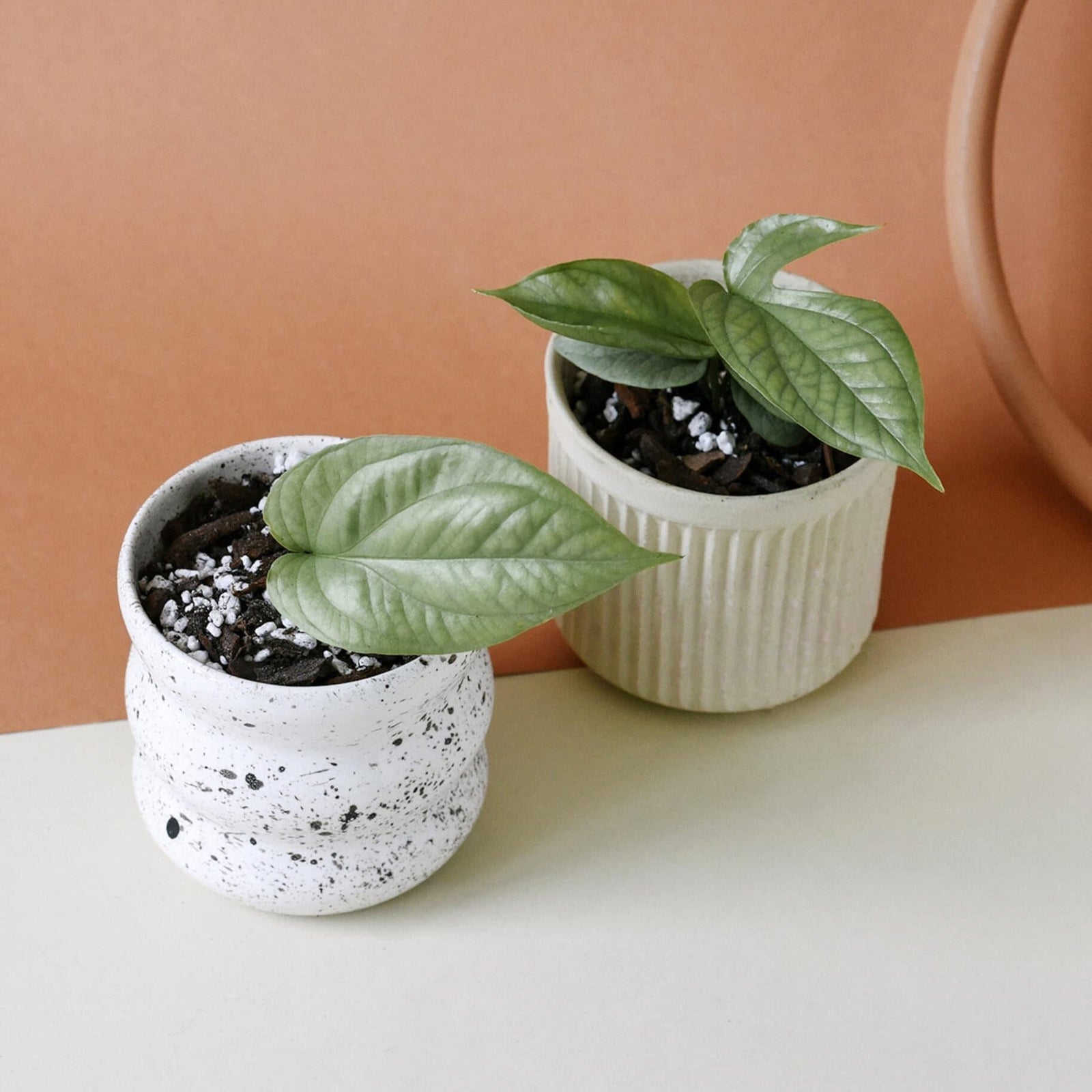
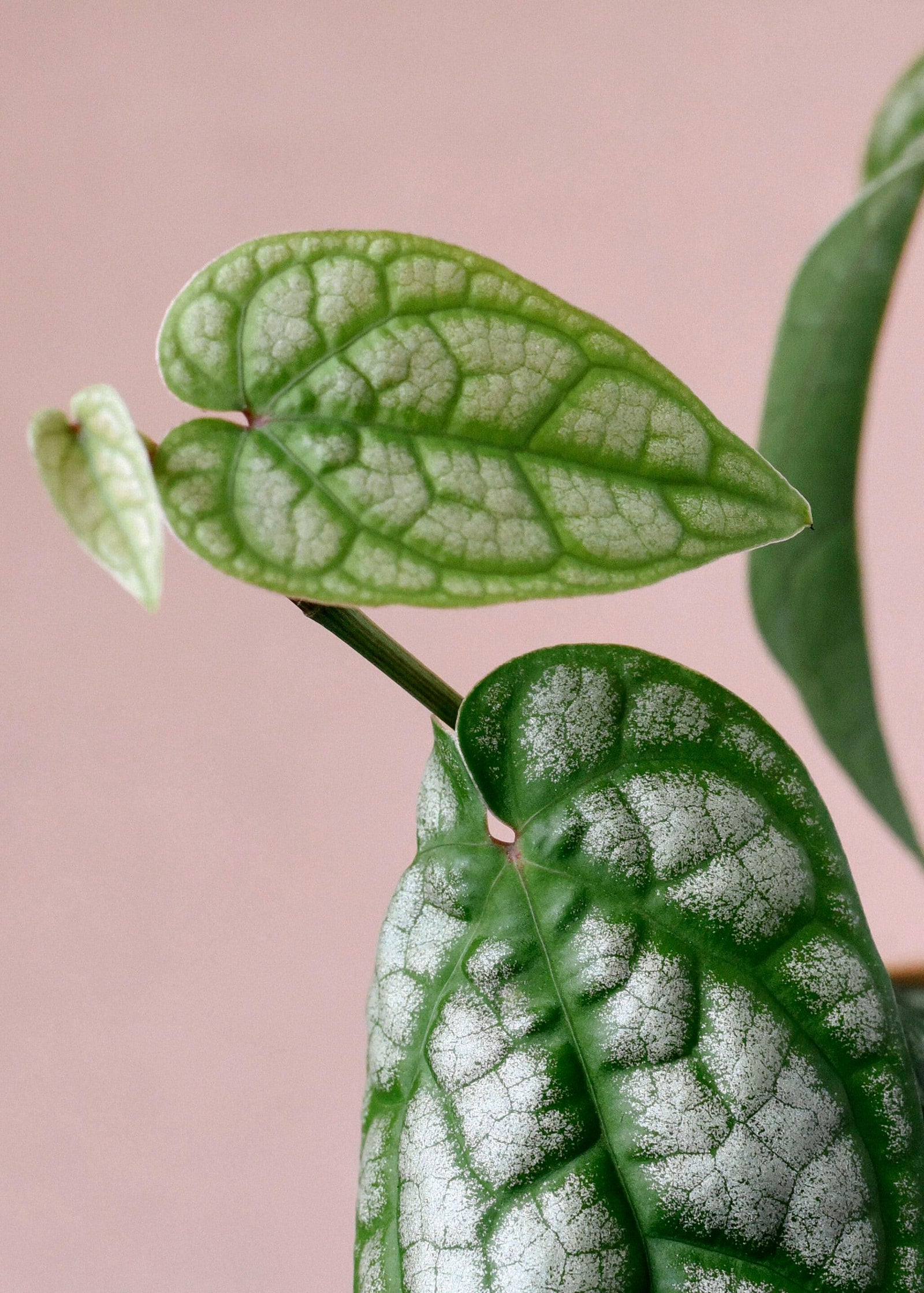
Monstera Dubia

Completely different look – small, heart-shaped leaves with silvery variegation that lie flat against a surface (like a wall or pole). Juvenile form looks nothing like mature form. Shop Monstera Dubia →
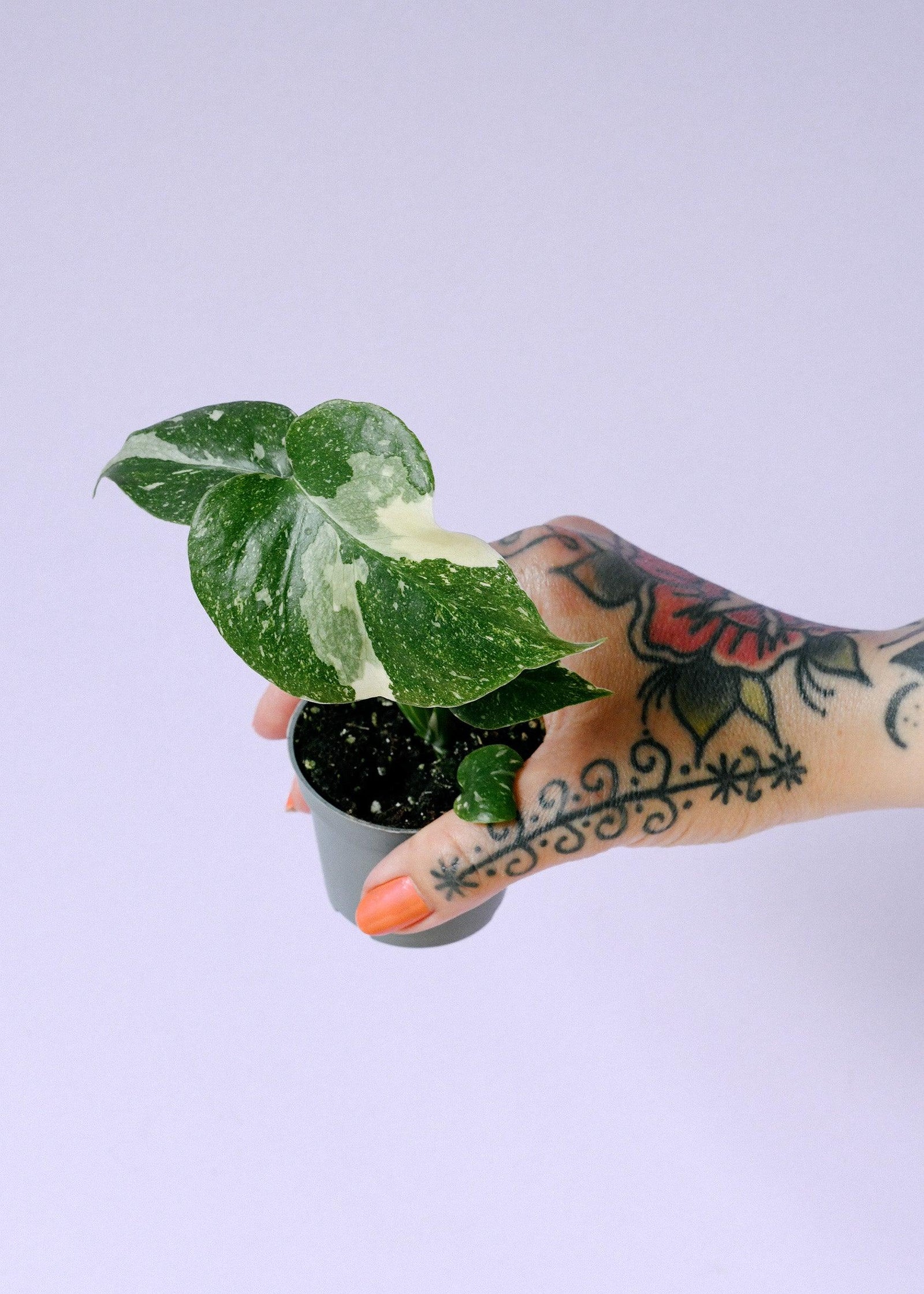
Monstera Thai Constellation

A variegated cultivar of Monstera deliciosa with creamy-yellow splashes and speckles. Stable variegation (won't revert). Slower growing than standard deliciosa. Expensive but stunning. Shop Thai Constellation →
Monstera Albo (Variegata)
White variegated Monstera deliciosa. Highly sought-after and expensive. Variegation is unstable (can revert to all green). Requires more light than standard deliciosa to maintain variegation.
Do Monsteras Need Fertilizer?
Yes! Monsteras are fast growers and heavy feeders, especially during the growing season.
Fertilizing schedule:
- Spring/Summer: Every 2-4 weeks with balanced liquid fertilizer
- Fall/Winter: Once a month or not at all
What to use: A balanced fertilizer (like 20-20-20) diluted to half strength, or a slow-release fertilizer applied every 3 months.
Pro tip: Consistent fertilizing during the growing season results in noticeably larger leaves and faster growth.
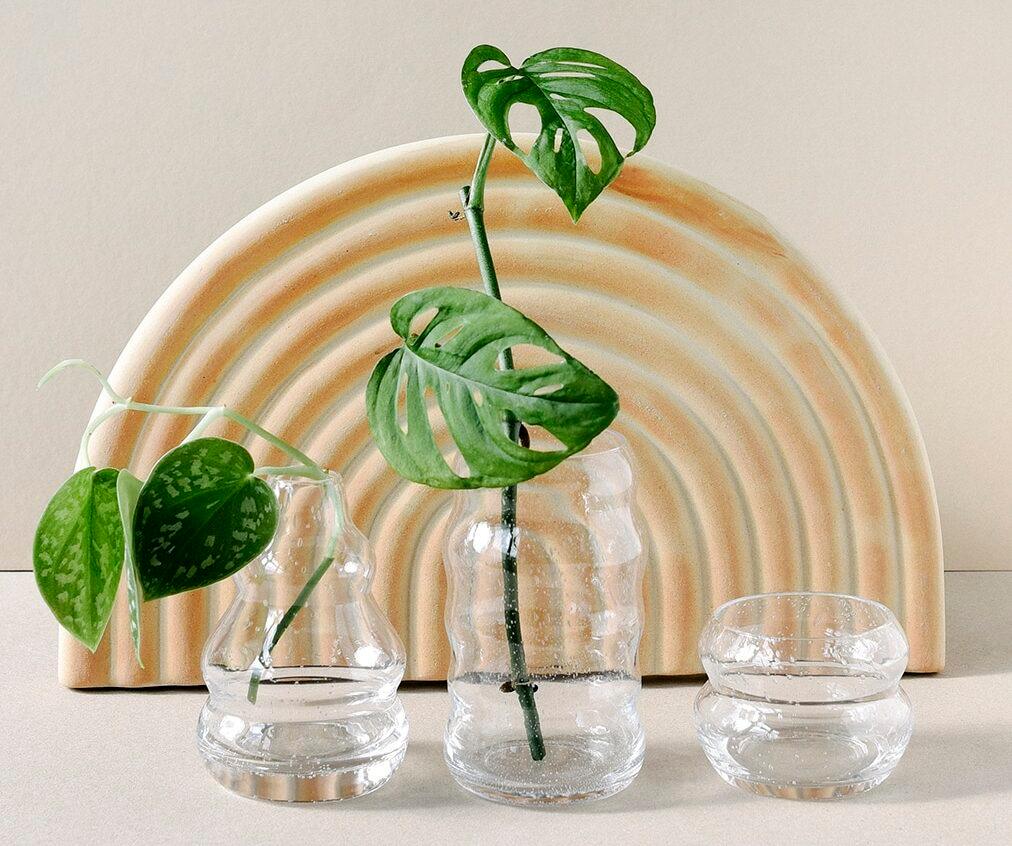
How Do You Propagate Monstera?
Monsteras are easy to propagate from stem cuttings. Here's how:
Step-by-Step Propagation
- Choose a cutting: Select a stem with at least one node (the bump where leaves and aerial roots grow) and one leaf
- Make the cut: Cut just below a node using clean, sharp scissors
- Water propagation: Place the cutting in water, ensuring the node is submerged but the leaf stays above water
- Wait for roots: Change water weekly. Roots should appear in 2-4 weeks
- Pot it up: Once roots are 5-10cm long, plant in soil and care for as usual
Pro tip: Cuttings with aerial roots already present root faster and more successfully.
Common Monstera Problems (And Solutions)
Small Leaves with No Fenestrations
Cause: Insufficient light, young plant, or lack of support
Fix: Move to brighter light, add a moss pole, and be patient – fenestrations develop as the plant matures
Yellow Leaves
Cause: Overwatering, poor drainage, or natural aging (lower leaves yellowing is normal)
Fix: Check soil moisture, ensure good drainage, reduce watering frequency
Brown, Crispy Edges
Cause: Low humidity, underwatering, or fertilizer burn
Fix: Increase humidity, water more consistently, flush soil to remove salt buildup
Leggy Growth
Cause: Insufficient light
Fix: Move to a brighter location immediately
Black Spots on Leaves
Cause: Overwatering, root rot, or fungal infection
Fix: Check roots for rot, reduce watering, improve air circulation
Leaves Not Unfurling
Cause: Low humidity or physical obstruction
Fix: Increase humidity, gently help the leaf unfurl if it's stuck
Are Monsteras Pet-Safe?
No. Monsteras are toxic to cats, dogs, and humans if ingested. They contain calcium oxalate crystals that cause mouth irritation, drooling, vomiting, and difficulty swallowing.
Keep Monsteras out of reach of curious pets and children. If ingested, contact a vet or poison control immediately.
When and How to Repot Monstera
Repot every 1-2 years or when the plant becomes rootbound.
Signs it's time to repot:
- Roots growing out of drainage holes
- Water running straight through without being absorbed
- Plant drying out very quickly after watering
- Visible roots circling the soil surface
- Growth has slowed significantly
How to repot:
- Choose a pot 5-10cm larger in diameter
- Use fresh, well-draining soil mix
- Add or upgrade your moss pole while repotting
- Water lightly after repotting and wait a week before resuming normal watering
Best time to repot: Spring or early summer when the plant is actively growing
How Fast Do Monsteras Grow?
In ideal conditions (bright light, moss pole, regular fertilizing, proper watering), Monsteras can produce a new leaf every 4-6 weeks during the growing season. That's 8-12 new leaves per year.
In less-than-ideal conditions, you might get 2-4 new leaves per year.
The difference between a thriving Monstera and a surviving Monstera is dramatic. Give it what it needs, and it will reward you with explosive growth.
The Bottom Line on Monstera Deliciosa
Monsteras are relatively easy to keep alive, but getting them to thrive – to produce those massive, heavily fenestrated leaves you see online – requires understanding what they actually need:
- Bright light (the brighter, the better)
- A moss pole to climb (non-negotiable for big leaves)
- Well-draining soil that's chunky and airy
- Consistent watering (not too wet, not too dry)
- Regular fertilizing during the growing season
Do these things, and your Monstera will go from "cute houseplant" to "holy shit, that's a jungle" in a couple of years. It's absolutely worth the effort.
Ready to grow your own monster? Browse our Monstera collection and grab a moss pole to set your plant up for success. We ship across the EU with expert packaging to ensure your Monstera arrives ready to thrive.
Happy growing, and may your fenestrations be plentiful! 🌿✨