Quality Guaranteed

Across the EU

Free Shipping

60€ in Germany | 100€ Europe*

Queer & Woman Owned

Founded 2017 in Berlin

chevron_left chevron_right

Filters

Clear all

Blog Themes

    Common pests: Spider mites

    by Plant Circle

    Common pests: Spider mites

    Spider mites are one of the most common pests and at a size that’s smaller than 1 mm, they sure make it difficult for us to spot and identify them! And while they may be tiny, the damage they do to your plants can be extensive. Let’s take a look at what warning signs to watch out for, and how to best get rid of them! There are many different kinds of spider mites in the greater family, however one of the most common ones, and the ones you’re most likely to find your houseplants, are the red spider mites, or Tetranychus urticae. But that doesn’t mean you won’t ever have misfortune of meeting the white or black spider mites, so beware of them too! Spider mites damage your plants by piercing the leaf surface and extracting cell contents. This leaves holes in the protective layer of the leaf, which then leads to moisture loss, and eventually drying out. It’s important to act fast as these pests can multiple at an impressive rate! A spider mite egg will hatch in as little as three days, and mites becomes sexually active at only five days old. One female can lay up to 20 eggs a day and with a lifespan of 2-4 weeks, she’ll be laying hundreds of eggs in her lifetime. This accelerated reproduction rate can allow spider mites to adapt quickly and become resistant to pesticides, so with prolonged use of the same pesticide, it may become ineffective. Keeping that in mind, your best weapon will be the speed and diversity of the treatment! There are a few signs that your plant will display that you should watch out for, so let’s go over those first! 1. Stunted growthHave you noticed that your plant is not growing new leaves in what feels like ages, or that they have this one leaf that just refuses to unfurl for weeks? That’s a good indication that your plant is currently struggling with something, and that something could very well be a pest infestation. 2. Tiny dots on the leavesSpider mites suck the juices out of a plant leaving behind bite marks in form of tiny dots, so that’s one of the first warning signs to look out for! 3. Tiny webs Finding small webs, and what looks like dust gathered in folds of leaves and stems, is another warning sign. If those webs are accompanied by red, black or white moving bugs, then you know for sure you have a spider mite problem!4. Yellowing of the leavesWhen the infestation is heavy, you’ll notice yellowing of the leaves, in both young and older leaves, plenty of tiny webs, and white-powdery stuff covering the leaves. If you see some, or all, of the above signs on your plants, you have a problem… but don’t panic! There are effective ways to combat spider mites, and ideally you’ll want to implement them all at the same time to have best chance of success! First things first. When you spot spider mite related damage to your plants, you’ll want to give them a thorough, high pressure shower, focusing on rinsing the leaves from different directions to try remove as many bugs as possible.Using a lint roller can also be a very effective way of removing the adult specimens from the leaves! When the plant has been washed (and/or rolled!) it’s time to apply insecticide. You can choose to fight spider mites the natural way with Neem oil (read more about how to use that in this blog post) or with a commercially available spray. The key here is to be consistent and apply it weekly for the next 4-6 weeks to target the mites in all their various stages of growth. The first time you only get the adults, and after a few days their eggs will hatch, and so on, so that’s why it’s crucial that you keep the treatment going. When you got the infestation somewhat under control, usually around 2-3 weeks into the treatments, it’s a good time to introduce predatory bugs. This will help you fight the remaining colony of spider mites with very little effort on your part!  Spider mites prefer hot and dry living conditions, so if you notice any mites on your plants, regular misting during the treatment could discourage them from staying on your plants, but keep in mind that this alone will not eliminate them. Last but not least, it’s important to apply fertilizer to plants that are struggling with pest infestations to help them regain their strength to fight, and continue to grow!

    Read more

    How to grow your Christmas tree past Christmas

    by Plant Circle

    How to grow your Christmas tree past Christmas

    For many people the only acceptable tree for Christmas is a live one and we get that! Nothing smells more like Christmas than a live spruce at home.  The argument continues about which kind of Christmas tree is the most sustainable: fake or real. While both come with a footprint, and their own list of pros and cons, we are here to talk about the latter ones. Namely potted, real trees, and how to make sure they survive Christmas and continue bringing us joy year by year. Roughly 27 million trees are cut down every year in Germany just for Christmas. Buying potted trees is a fantastic alternative to cutting them down. However, a few things have to be kept in mind to make sure the tree stays alive past Christmas. 1. Pick a tree that is suitable for growing in a container. Like for example Picea Pungens “Super Blue”, also known as Colorado Spruce. Why is this one suitable? Because spruce has very shallow roots, which makes it a perfect tree for a container! 2. Do not keep your live, potted tree indoors for longer period than 10-14 days. 3. Choose the right spot. Spruce will enjoy a cool spot, away from the heating, that is semi bright to shady. 4. Water your tree every few days with lukewarm water when the top soil feels dry to the touch, and in addition, use a water bottle to spray it and moisten the needles. which protects them from drying out from the warm, heated air. Be sure not to drench the soil. You do not want it to be soaking wet, nor should it be left to sit in water, as this could drown, and eventually rot, the tree. 5. Don’t put too many heavy decorations on your tree. Please! 6. Before you place your tree back outside, slowly introduce it to colder environment by for example keeping it in the coldest room in your house for a few days, or near a window that you open regularly. Once your tree is back, outside remember to fertilise it after the first frost. Spruce is an extremely slow grower and it will take it about 25 years to reach a height of 5 meters!

    Read more

    How to water your plants

    by Plant Circle

    How to water your plants

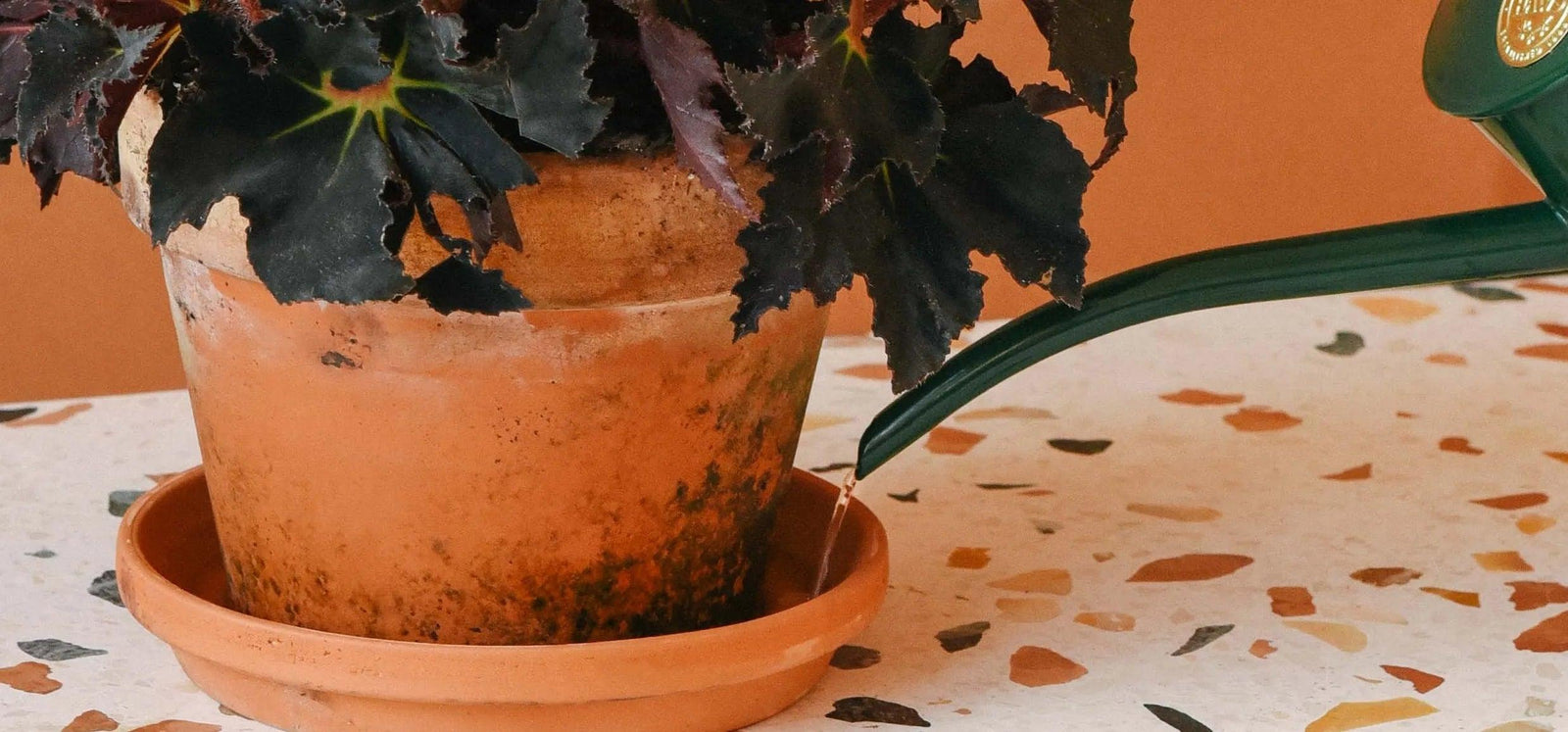
    It’s no secret that the number one cause of death among houseplants is overwatering. This bad watering habit usually develops when well meaning plant parents give their plants just a little too much love and attention. Let’s explore how to water your plants… properly! Don’t feel bad, we’ve all been there. And most of us learned the hard way how to not water our plants! But whether you’re new to plant parenthood, or a seasoned plant parent, there’s no reason for you to make the same mistakes we did. And although all plants are different and have various watering needs, there are some good practices that you can apply all across the board. To help you out, we’ve compiled our top ten tips on how to water your plants here! 1. Sufficient lightYes, this post is about watering, but we can’t talk about watering without mentioning light! If your plants are not getting the sufficient, optimal light they need, they’ll also require less water than the internet, the sales assistant, or your friend says. Adjust your watering routine to the conditions you have! 2. Observe your plants They’ll tell you when they’re thirsty. All plants wilt when they’re dehydrated, and you’ll either notice rolled up leaves or some droopiness. Notice how many days it’s been since the last time you watered your plants, and now you know when your plant is overdue for a drink! Please note: some plants can take under watering quite badly, and will get burnt edges on the leaves, or even drop a few… looking at you, Ficus! If you want to avoid that, simply water them a day or two sooner the next time. Based on your previous observations you should now have a good idea of when the wilting is expected to occur! 3. The finger methodSimply stick your finger into the soil and check whether it’s wet or dry. If the top 3-4 cm of the potting mix are dry, you are safe to water your plants. 4. Bottom wateringSome plants, like Saintpaulia or Begonia, prefer bottom watering, as they don’t like getting water on their leaves. Do a little research about your new plant to find out if it has any special preferences! 5. Filtered water In a lot of places, like for example Berlin, tap water is really hard. Hard water has a negative impact on plants, therefore we recommend to always use either filtered, distilled, or rain water if possible. If those options aren’t available to you, then just let your water sit in the watering can for couple of days before using it. Read more about hard water here! 6. Showering your plantsOnce in a while it’s beneficial to give your plants a good shower! Not only will you clean dust off of the leaves, which is important for optimal light absorption, you’ll also take care of potential bugs and pests that could be hiding under the leaves. Furthermore, a thorough showering can wash out any mineral residue from the potting mix! We recommend this technique for the summer months. 7. Potting mixWhat potting mix your plants are in is crucial for keeping the roots healthy. The vast majority of plants will appreciate a well draining potting mix that will dry out between watering. Never use garden soil for your house plants, as it will turn into mud when watered and suffocate the roots. Read more about potting mixes here. 8. SeasonsAs the lighting situation changes with the seasons, it’s also important to change your watering routine. A good rule of thumb is to cut your watering in half in winter, meaning if you watered your plants weekly in summer, you can switch to watering every two weeks in winter. This, of course, doesn’t apply to for example cacti, if you’re hibernating them, or ferns that would rather stay kind of moist all the time. 9. Know the difference between moist and wetSome plants love for the potting mix to stay moist, but this doesn’t mean wet! Learn the difference, and never let your plants sit in water as it promotes root rot. 10. Drainage holesWe will forever recommend that you keep your plants in pots with drainage holes. No matter what! Drainage holes are actual lifesavers, as they make sure excess water doesn’t stay in the soil and damage the plant’s roots. When watering, make sure that you lift your pot up afterwards and let the excess water run through. Also, keeping your plants in plastic pots with drainage inside ceramics, promotes airflow around the roots. To make the conditions even better, you can put a few rocks under the plastic pot to lift it up a bit, and don’t forget to make sure that the ceramic planter is a few centimeters bigger than the plastic pot itself.

    Read more

    Plant Circle Gift Guide

    by Plant Circle

    Plant Circle Gift Guide

    Do you also swear to yourself every year, that this is the year you’ll get your Christmas shopping out of the way nice and early? Yet, the months roll by and before you know it, Santa is almost coming to town? If you answered yes, we feel you! So to help you tick a few things off your holiday shopping list, at least when it comes to finding gifts for the plant loving people in your life, we’ve put together this Gift Guide that is guaranteed to spark holiday joy! Please enjoy this selection of high quality gift ideas… and stay tuned for part two! 1. PlantSpectrum by mother.life Plant lights don’t have to be ugly and mother.life is here to prove that! The sleek design of their light passes as decor, while at the same time being extremely practical and durable. Not only are these lights waterproof, but they also come with a 4 year warranty. The color tone is white, not too cold or too warm, which makes it a perfect addition to your living room, and most importantly: it will help your plants thrive during the colder and darker months! We’ve partnered up with mother.life to offer you a 10€ discount, simply go to this link, add the coupon code PLANTCIRCLE and start shopping!The €10 coupon is valid from the order amount of €139. 2. Plant Stakes by Botanopia Everybody needs a little support sometimes, especially our trailing plants! Botanopia plant stakes, whether tall or mini, will be a perfect gift for someone with an extensive plant collection, as these will always come in handy while at the same time being a beautiful accessory! Find the full range in the accessories section of our shop! 3. Terrarium kit and workshop by Plant Circle Who doesn’t love a good DIY project? Well, if they exist, we don’t know them! Our Virtual Terrarium Workshop and Terrarium Building Kit are the gifts that keep on giving. Easy to assemble and fun to watch with family and friends, and the result, a thriving mini biosphere, will bring its owner joy for years to come. Also perfect for the younger ones in your life!To make this gift extra special, add a Terrarium Plant Set, with a group of carefully selected plants that thrive in a humid, enclosed environment. 4. Vegan nail polish by Gitti Conscious Beauty As plant lovers we love all things plant based, and especially when they don’t come at a cost to the planet like the beauty products from Gitti Conscious Beauty. Our teams favourite is of course the vegan nail polish, but our founder also swears by their hand cream and mascara. We think these would make for a fantastic gift for anyone, vegan or not! 5. Smudge sticks and incense by Purnama Rituals Here at Plant Circle we are all about self care and rituals. Whether they come in the form of a face mask, a relaxing bath, or some grounding meditation, we all need to switch off and make time to do something nice for ourselves. Purnama Rituals offers a beautiful selection of smudge sticks and incense that will help you relax and celebrate those small rituals in your life. We think these make for a beautiful and mindful gift. 6. Candles by Munio Candles What is winter without candle light and subtle scents filling the house? We don’t know a single person who doesn’t love candles, and Munio Candles are not only sustainably crafted, but also absolutely beautiful, and they smell fantastic too. If you ask us, you can’t have too many candles, after all you need one for every mood, right? Munio also offers beautiful pre packed gift sets that come with candles and wax melts, as well as organic skincare if you want someone to fill extra spoiled! 7. Dog accessories by Cloud7 Is your giftee also a dog owner? We got you covered! We, and our dogs, absolutely love the stunning clothes and accessories from Berlin based brand Cloud7. Not only are they stylish, but more importantly, they’re high quality and durable. We particularly love the jackets and sweaters that are guaranteed to keep the doggies warm during these cold months.

    Read more

    Plant Circle Gift Guide pt. 2

    by Plant Circle

    Plant Circle Gift Guide pt. 2

    Did part one of our gift guide leave you wanting more? Not to worry, we have plenty of other gift ideas and suggestions for those of you who, like us, tend to wait until the last minute to get your Christmas gifts sorted! Whether you’re buying gifts for a plant lover, a dog lover, a book enthusiast, or a modern mystic, the second part of our gift guide has something for you! But be warned, you might wanna bookmark a few of these businesses and get something for yourself too! 8. Subscription box by Plant Circle Our Subscription Box is the gift that keeps giving! Get your loved one a 3 month subscription, and keep surprising them even after the holiday season is over! This subscription not only gifts them with a surprise baby plant each month, but also with an access to a virtual workshop, and other exciting and educational resources. And since the plant comes in a baby size, you don’t have to worry about space limitations! Perfect for beginner and intermediate plant parents alike. 9. Organic Skincare by MÁDARA Here at Plant Circle we love MÁDARA cosmetics, especially their CC cream and SOS hydration mask. Founded in 2006 by four Latvian women, MÁDARA pioneered scientific research of natural Northern ingredients 15 years ago while the industry was still obsessed with synthetic raw materials, and organic skincare was barely a thing. Sustainability and ethical production is a the heart of MÁDARA which makes us love the brand even more! 10. Toys and pet food by Pets Deli If your gift receiver is a pet owner be sure to check out Pets Deli. From delicious snacks to durable toys, Pets Deli has everything you could need, and as an added bonus, they’re based in Berlin and actively support animal causes. Our founders cat Zoe’s favourite cat toy is from Pets Deli, and she is obsessed with it! And Plant Circle’s employee of the month, Pina, loves the dental snacks and leber pate from Pets Deli. 11. Supplements and vitamins by Sunday Natural Sunday Natural is another Berlin based company that specialises in supplements, and here at Plant Circle we’ve been using their probiotics and enjoying the Milky Oolong tea. We think their teas, supplements, and superfoods make excellent gifts for literally anyone in your life, but especially those are health conscious, or want to improve their health in the new year! 12. Handmade artisan jewelry by Gudbling Gudbling is a small Berlin based and female owned handmade jewelry business that we have loved and adored for years! Christine, who is the owner and designer, very often repurposes vintage jewelry and found objects into beautiful, one-of-a-kind pieces. Gudbling pieces are perfect for those with boho hearts, but minimalists will also be able to find there something to their liking! 13. Home accessories by Bujnie Bujnie is polish design brand specialising in creating high quality plant accessories, and you may have seen their plant hangers in our shop, or on our instagram! Their products are made by hand in Poland with attention to detail and always in the trendiest colors. We love how their objects will fit any interior and elevate the look of our plants without stealing the spotlight from them! We especially love their plant wall hangers which are perfect if you have run out of floor or window space for more plants. As we always say: “if you don’t have space just go vertical… theres always room for one more!” 14. Spiritual self care by Kismet Kismet is a Berlin based esoteric store for curious souls. Stocked with beautiful, ethically sourced crystals, tarot cards and incense, this shop will provide you with plenty of inspiration and tools for your next self care rituals. We specifically love their tarot card decks, which are incredibly beautiful to look at, and would make an amazing gift for someone who is curious and open to something new.  15. Plant Tribe book by Judith de Graaf and Igor Josifovic From the Urban Jungle Blogger creators Judith de Graaf and Igor Josifovic, following the global success of Urban Jungle, comes Plant Tribe. This book is the perfect gift not only for plant lovers, but also design fans, as it provides a sneak peek into the homes of people around the world! These homes are of course filled with plants and beautiful objects, and we really get to know the people behind them. It’s a stunning coffee table book that anyone would be happy to find under the tree!

    Read more

    Plant Circle’s Top 5 houseplants for low light

    by Plant Circle

    Plant Circle’s Top 5 houseplants for low light

    PlantCircle — For the true plant lovers. Top 5 Low-Light Houseplants That Thrive in Darker Corners Not every home has endless window space. These reliable, easy plants to care for can handle lower light and still keep your rooms green, lush, and inviting. Shop low-light houseplants What “low light” means The top 5 list Low-light Plant-Care tips FAQ These green friends will grow even in the darker corners of your home If you’re a plant lover, you already know the struggle: the best spots in front of the window fill up fast. Suddenly every new plant is competing for the same slice of bright light. The good news? Plenty of houseplants in Germany can tolerate low-light conditions and still look gorgeous— perfect for hallways, shelves, bedrooms, and offices. In this guide, we’re focusing on five tried-and-true plant types that are famous for low-light tolerance: Scindapsus, Sansevieria, Zamioculcas zamiifolia (ZZ plant), Epipremnum aureum (Pothos), and Aglaonema. If you want to browse options right away, start here: low-light houseplants collection. Quick definition: “Low light” usually means you can comfortably read a book in the room during the day, but the plant is not sitting in direct sun. Think: a few meters away from a window, or in a room with smaller windows. (True darkness isn’t plant-friendly—if it feels cave-like, add a small grow light.) Our top 5 low-light houseplants 1) Scindapsus (the low-light trailing superstar) Scindapsus are the underrated heroes of low-light living. Their velvety leaves—often deep green with silvery patterns—look premium in any interior, and they’re famously adaptable. If you want a plant that can trail from a shelf or climb a moss pole without demanding a bright window, Scindapsus is a smart pick. Why it works in low light: it stays attractive even when growth slows down, and the foliage still holds color well compared to fussier rare-plants. Explore our range of Scindapsus plants here or browse more options in our low-light houseplants collection. Scindapsus adds a lush, trailing look even in lower light. 2) Sansevieria (Snake Plant / “Mother-in-law’s tongue”) There’s a reason you see Sansevieria in shops, offices, and low-light corners everywhere: this plant is exceptionally tolerant and extremely forgiving. It can handle low light, irregular watering, and busy schedules—making it one of the best “easy plants to care for” options. Low-light Plant-Care note: In darker spots, Sansevieria uses less water. Let the soil dry out more thoroughly and avoid “just-in-case” watering. If you want variety, it comes in many shapes and colors, like Sansevieria Aubrytniana Metallica or Sansevieria Trifasciata ‘Black Coral’. Shopping for more low-light options? Start with our curated low-light houseplants selection for plants-delivered to your door. Sansevieria is a classic low-light plant that thrives on minimal attention. 3) Zamioculcas zamiifolia (ZZ Plant) If low light had a crowned champion, it would be the ZZ plant. Zamioculcas zamiifolia stays composed and glossy even when your home doesn’t offer much natural light. It’s also slow-growing, which is a blessing if you want a neat, long-term plant that won’t outgrow its spot quickly. Looking for a statement version to fill space? Consider our Zamioculcas zamiifolia XL. In low light, keep watering conservative: ZZ plants store water in their rhizomes and prefer drying out between waterings. Want more choices like this for low-light rooms? Browse the full low-light houseplants collection. ZZ plants are famous for handling low light with ease. 4) Epipremnum aureum (Pothos) Pothos is the plant that converts “black thumbs” into confident plant parents. Epipremnum aureum is easy-going, adaptable, and can grow trailing or climbing depending on your style. It’s also one of the best choices if you want a fast way to make a space look greener—especially in rooms that don’t get much sun. If “Golden Pothos” feels too common, you still have great options. We love: Epipremnum ‘Global Green’ for subtle pattern lovers, and Neon Pothos for bold, bright color. (And if you’re building a whole low-light corner, our low-light houseplants collection is the best place to browse.) Pothos can trail or climb and is one of the easiest low-light plants to care for. 5) Aglaonema (Chinese Evergreen) Aglaonema is the definition of steady and dependable. It stays compact, looks tidy, and handles low light with confidence—especially lighter or more silvery varieties. If you want a plant that looks “put together” without demanding constant attention, Aglaonema is a top-tier pick. We recommend starting with brighter-leaf varieties such as Aglaonema ‘White Diamond’, and exploring our range of Aglaonema for more colors and patterns. For more plants that match this vibe, browse our low-light houseplants collection. Aglaonema stays compact and lush—even when light is limited. Low-light Plant-Care tips that make a big difference Water less than you think: In lower light, plants use water more slowly. Let soil dry appropriately and avoid “little sips” too often. Rotate monthly: Turning your plant a quarter turn helps it grow evenly and prevents leaning. Clean the leaves: Dust blocks light. A gentle wipe helps low-light plants photosynthesize more efficiently. Expect slower growth: Low light often means slower growth (that’s normal). Healthy leaves matter more than speed. Choose the right corner: Bright shade beats deep shade. A spot that gets daylight, but no harsh sun, is ideal. Ready to build your own low-light jungle, or looking for plants as a gift? Explore our curated selection of low-light houseplants — high quality rare house plants and easy classics, plants-delivered across Germany. FAQ: Low-light houseplants What counts as “low light” for houseplants? Low light usually means the plant is not in direct sun and is placed away from windows—think several steps back into a room. If you can comfortably see and move around during the day without switching lights on, many low-light tolerant plants can do well. Which is the best low-light plant for beginners? For most homes, ZZ plant and Sansevieria are the easiest plants to care for in low light. They’re forgiving, slow-growing, and don’t demand frequent watering. Why are my low-light plants growing slowly? Slower growth is normal in low light. Focus on overall health: firm leaves, stable color, and no mushy stems. If you want faster growth, move the plant a little closer to a window (still out of direct sun). Where can I shop low-light houseplants online? You can browse PlantCircle’s curated selection here: low-light houseplants. Next step: Browse our low-light houseplants collection and find the perfect plant for your darker corners. For the true plant lovers.


    Read more

    Winter Survival Guide for Your Houseplants

    by Plant Circle

    Winter Survival Guide for Your Houseplants

    TL;DR – Winter Houseplant Care Clean windows to maximize limited winter light Move plants closer to windows during darker months Reduce watering and pause fertilizing Add grow lights if plants stretch or drop leaves Increase humidity and avoid drafts or radiators 🌿 Winter Survival Guide for Your Houseplants As seasons change, so does our houseplant care routine. And here in Berlin, as the days get shorter and the sunlight disappears behind grey skies, it’s easy to feel like we’re all slowly turning into mushrooms—our plants included. 🍄 But don’t panic! With a few simple adjustments, you can keep your leafy friends happy, healthy, and glowing through the darkest months of the year. 1. Clean Your Windows (Yes, Really!) 🧼✨ One of the simplest yet most overlooked plant-care tips for winter: clean your windows. Dust and dirt build up quietly, blocking up to 50% of available sunlight. Give those panes a good scrub at least twice a year to let that precious winter light shine through. 2. Move Your Plants Closer to the Light 🌤️ During summer, bright windowsills can be too harsh. In winter, that same spot is prime real estate. 💡 Pro tip: Even tropical plants like Philodendrons and Monstera benefit from extra winter light. 3. Dust Off Your Plants 🌱🧽 Dusty leaves block light and can attract pests. Rinse plants gently or wipe leaves with a soft cloth to keep them photosynthesizing efficiently. 4. Invest in Plant Lights 💡 (Your Plants Deserve It) Berlin winters often mean weeks of low light. Grow lights provide consistency when the sun can’t. 🌟 The Aspect™ LED Growlight Designer-grade pendant lighting with professional plant output. Ideal for large statement plants. 💡 The Grove™ LED Bar Light Minimal, shelf-friendly lighting for compact plant displays. Both options are energy-efficient and available at Plant Circle. 5. Water Less 💧 Most houseplants slow their growth in winter. Water only when soil is dry to the touch. When in doubt, wait. 6. Increase Humidity Gently 💦 Heating dries out indoor air. Group plants together or use a small humidifier if leaves crisp or curl. 7. Avoid Drafts and Radiators ❄️🔥 Cold air and heat blasts stress plants fast. Aim for stable temperatures. 8. Pause Fertilizing Until Spring 🌸 Feeding during low-light months can harm roots. Resume fertilizing when daylight returns. Final Thoughts 💤🌿 Winter is rest season. Support your plants with light, consistency, and restraint—and they’ll reward you come spring. Explore grow lights and easy-care plants to get through winter with confidence. For the true plant lovers. 💚  

    Read more