


Beginner Plant Care 101: Light, Water, Soil & Signs Your Plant Needs Help
Becoming a new plant parent is exciting, and it doesn’t have to be overwhelming. Whether you are buying your very first plant or just trying to keep one alive, this guide walks you through the four basics: light, watering, soil & food, and how to spot stress early.
In This Guide
- Light: What type does my plant need?
- Watering: Not too much, not too often
- Spotting plant stress and fixing it
- Soil & food: setting roots up for success
- Beginner plant care cheat sheet
1. Light: What Type Does My Plant Need?
Plants need light to survive, but not all plants enjoy the same intensity. Matching the right plant to the light you actually have at home makes everything else easier.
Types of Light
- Low light: Areas with no direct sunbeams on leaves. This can be a room with north-facing windows or a spot several feet away from any window.
- Medium (indirect) light: Bright, soft light. Often near east-facing windows or a little farther back from a bright south-facing window.
- Bright direct light: Strong sunlight shining directly on the plant for several hours, like sunny south- or west-facing window sills.
How to Tell What Light You Have
- Stand next to the spot where you want your plant. If you look toward the window, do you have to squint a bit? That often means bright light.
- If you can easily read a book in the middle of the day without turning on a lamp, you likely have at least medium light.
- If you see clear sun patches on the floor or wall, that is direct light. A bright room without visible sun patches is usually medium or indirect light.
Common Plants for Each Light Level
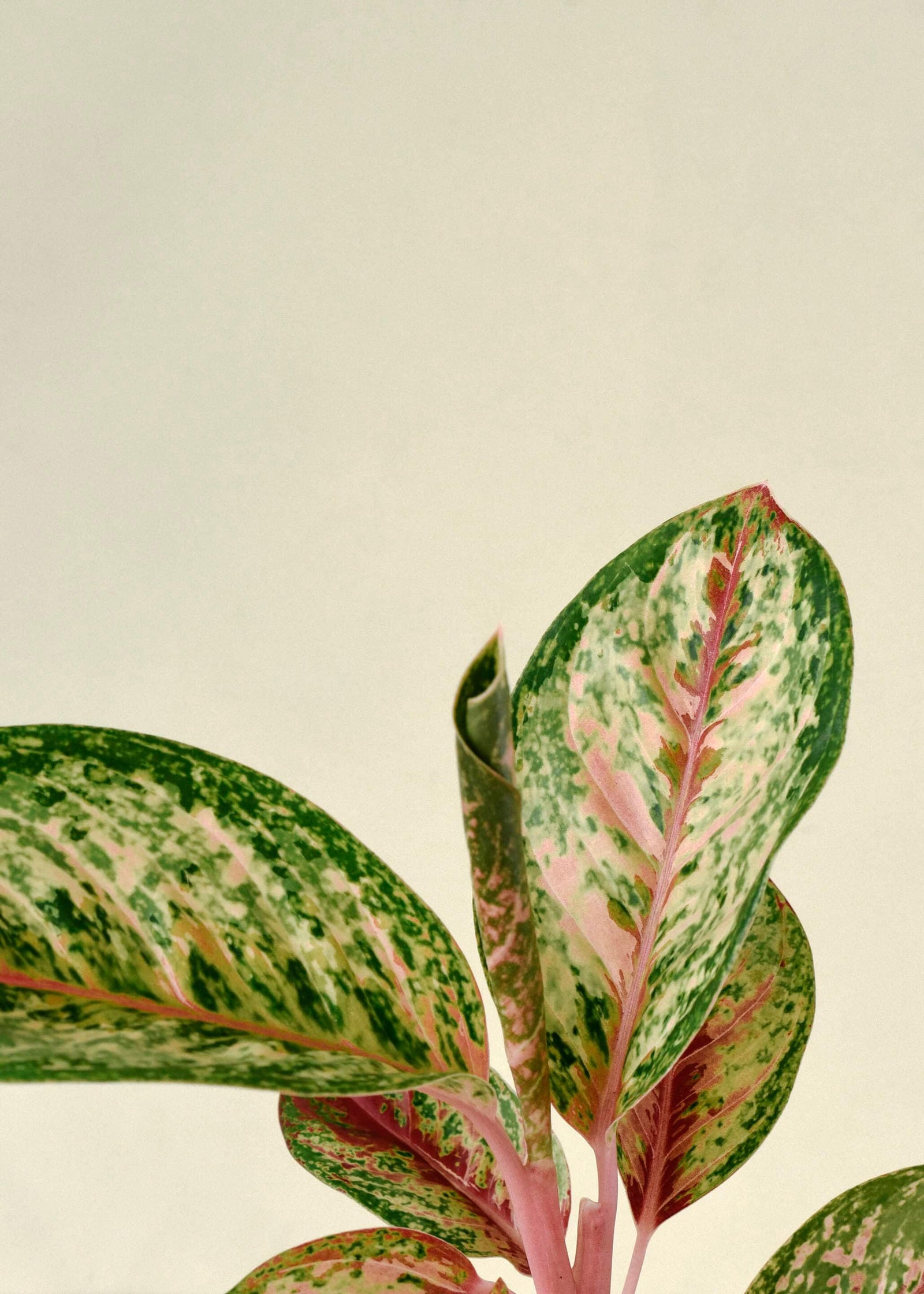
- Lower light-tolerant plants: Aglaonema, ZZ Plant, Snake Plant, Pothos – often chosen as easier, more forgiving plants when light is limited.
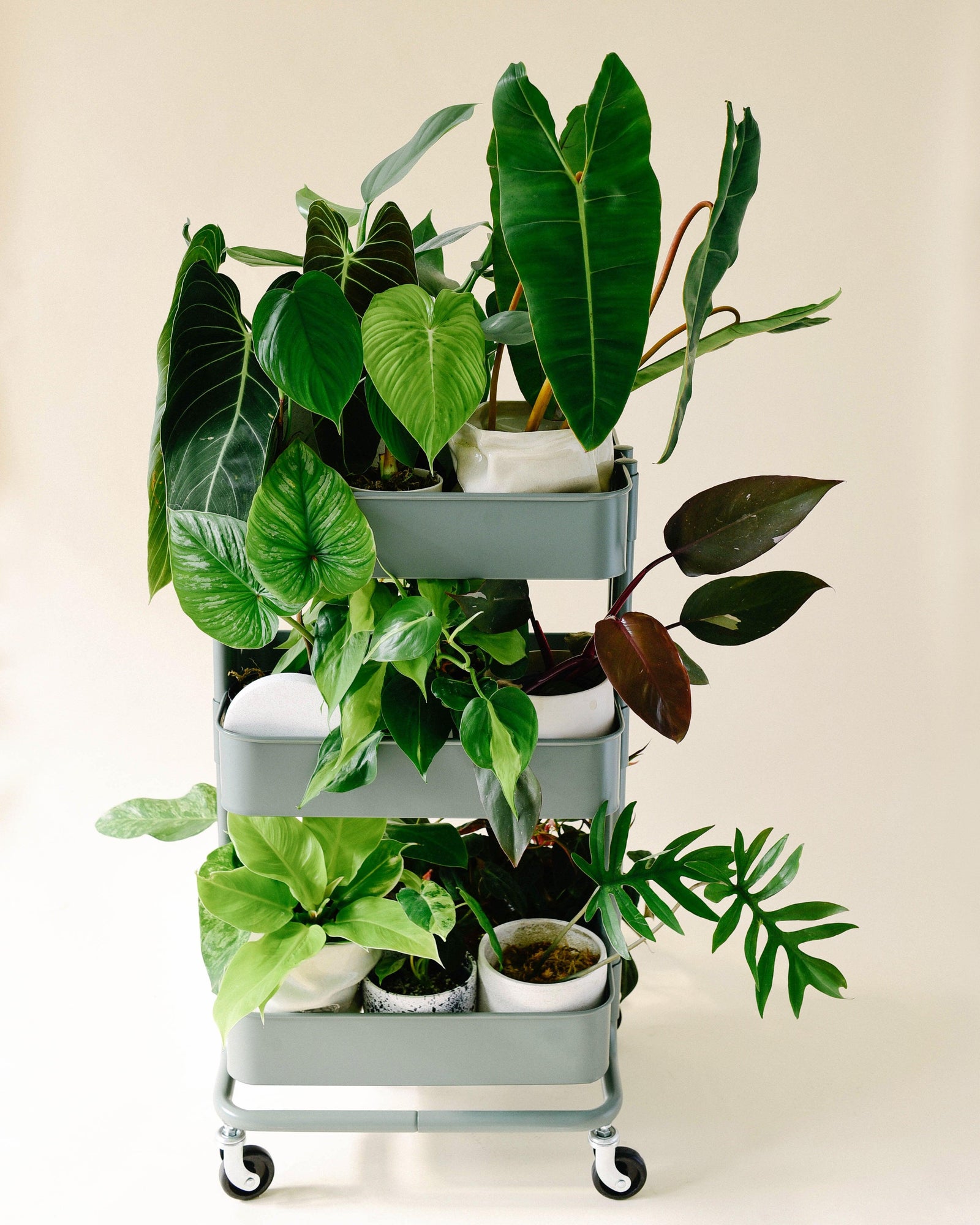
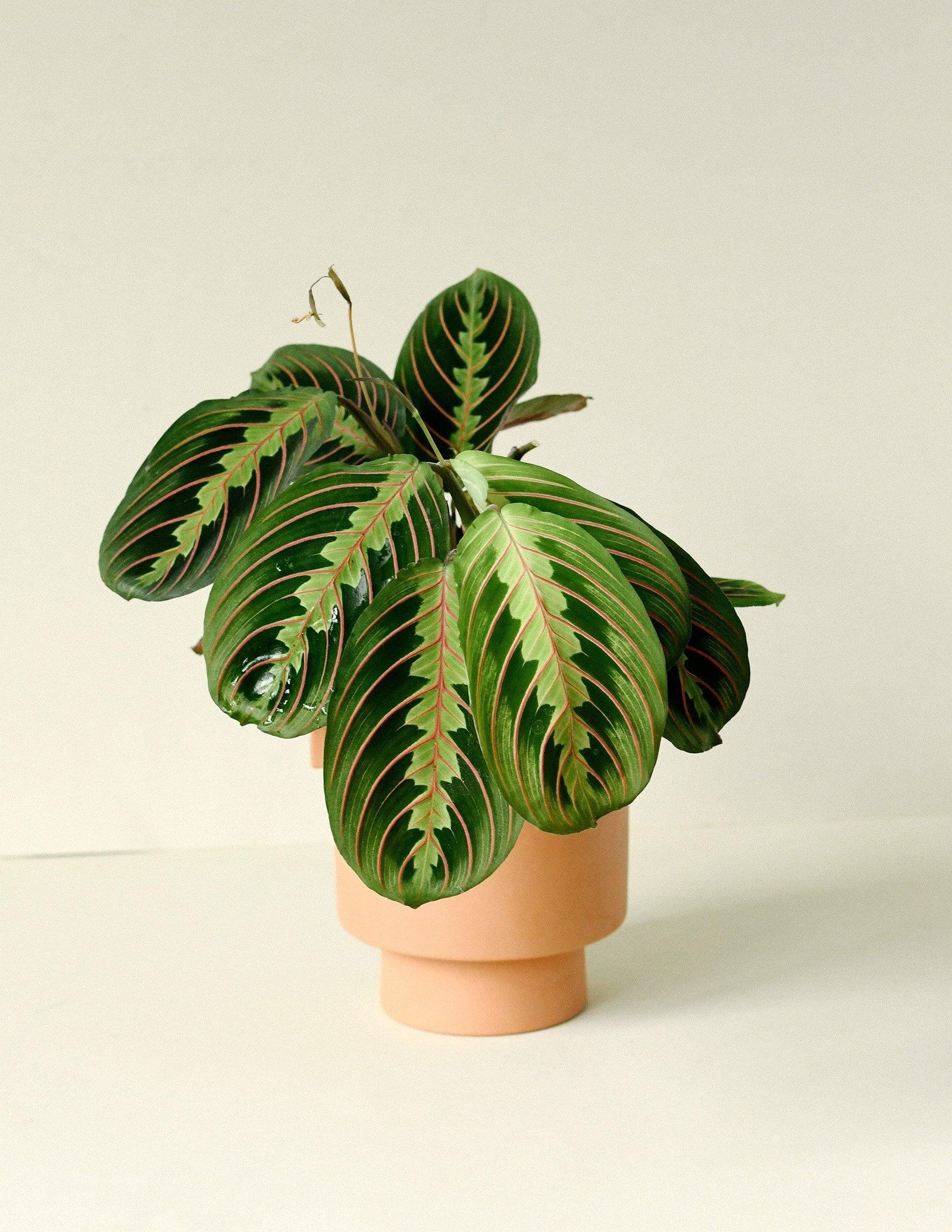
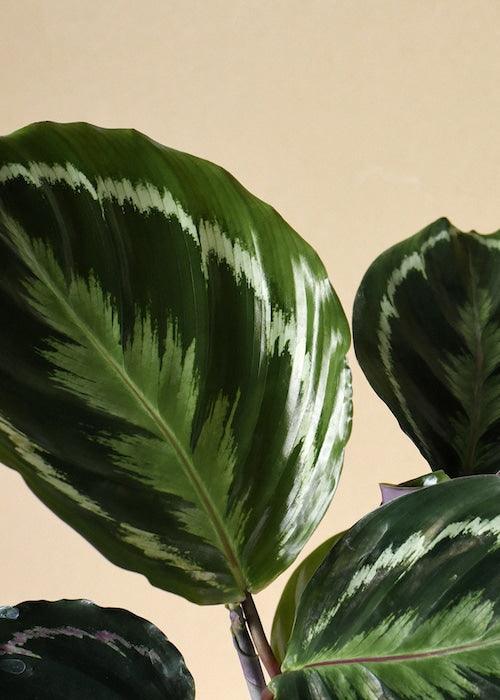
- Medium (indirect) light lovers: Philodendron, Peperomia, Calathea.
- Bright light fans: Succulents, Fiddle Leaf Fig, many Cacti.
If you are still choosing your first plant, you can also browse by light level and filter for options that match your home.
2. Watering: Not Too Much, Not Too Often
One of the most common beginner mistakes is overwatering—but not in the way you might think.
What Is Overwatering, Really?
Overwatering is usually about frequency, not just the amount of water. Most houseplants prefer to dry out a bit between waterings so their roots can access both air and moisture.
- Use your finger to test the top 2–5 cm of soil. If it feels dry, it is usually time to water.
- Water thoroughly until it drains from the bottom, then empty any excess water from the pot cover or saucer so roots are not sitting in a puddle.
Signs of Overwatering

- Yellowing leaves that feel soft rather than dry.
- Mushy stems, especially near the soil line.
- Persistent fungus gnats hovering near the pot.
Let the soil guide you, not the calendar. Some plants will want water every few days in summer and far less in winter.
For a deep dive into how much and how often to water different types of plants, you can continue with our guide How to water your plants.
3. Spotting Plant Stress and Fixing It
Even high-quality or uncommon houseplants can show stress when they move into a new home. Your job is not to panic, but to observe and make small, calm adjustments.
Too Much Light
- Bleached, pale patches or crispy leaf edges.
- Soil that dries out extremely quickly.
What to do: Move your plant a bit further from the window or filter the sun with a sheer curtain.
Not Enough Light
- Long, stretched stems reaching toward the window ("leggy" growth).
- Smaller than usual new leaves.
What to do: Try a brighter spot in the same room, or rotate the plant weekly so all sides get light.
Too Much Water
- Yellow, soft leaves and possibly a sour, rotten smell from the soil.
- Soil staying wet for many days.
What to do: Let the soil dry out more between waterings. In heavy cases, gently check the roots and remove any that are black and mushy before repotting into fresh, airy substrate.
Not Enough Water
- Drooping foliage that sometimes perks up again after watering.
- Dry, crispy leaf tips or edges.
What to do: Water deeply until excess drains out, then check soil moisture regularly so you catch the next watering a little earlier.
Pests
If light and watering seem right but leaves keep yellowing, feel sticky, or you notice fine webbing, sap-sucking pests might be involved.
- Look for tiny webs along leaf edges and stems (often spider mites, especially on plants like Alocasia).
- New leaves that emerge deformed, silvery, or already yellow can point to thrips—check the undersides of leaves for tiny pale insects.
For picture-led identification and treatment options, see our pest guides under the tag common houseplant pests.
Observation is the best plant-care tool you have. A weekly, slow look at your plants often catches small issues before they become big ones.
4. Soil & Food: What Your Plant Grows In Matters
Soil: Why It’s Different at Home
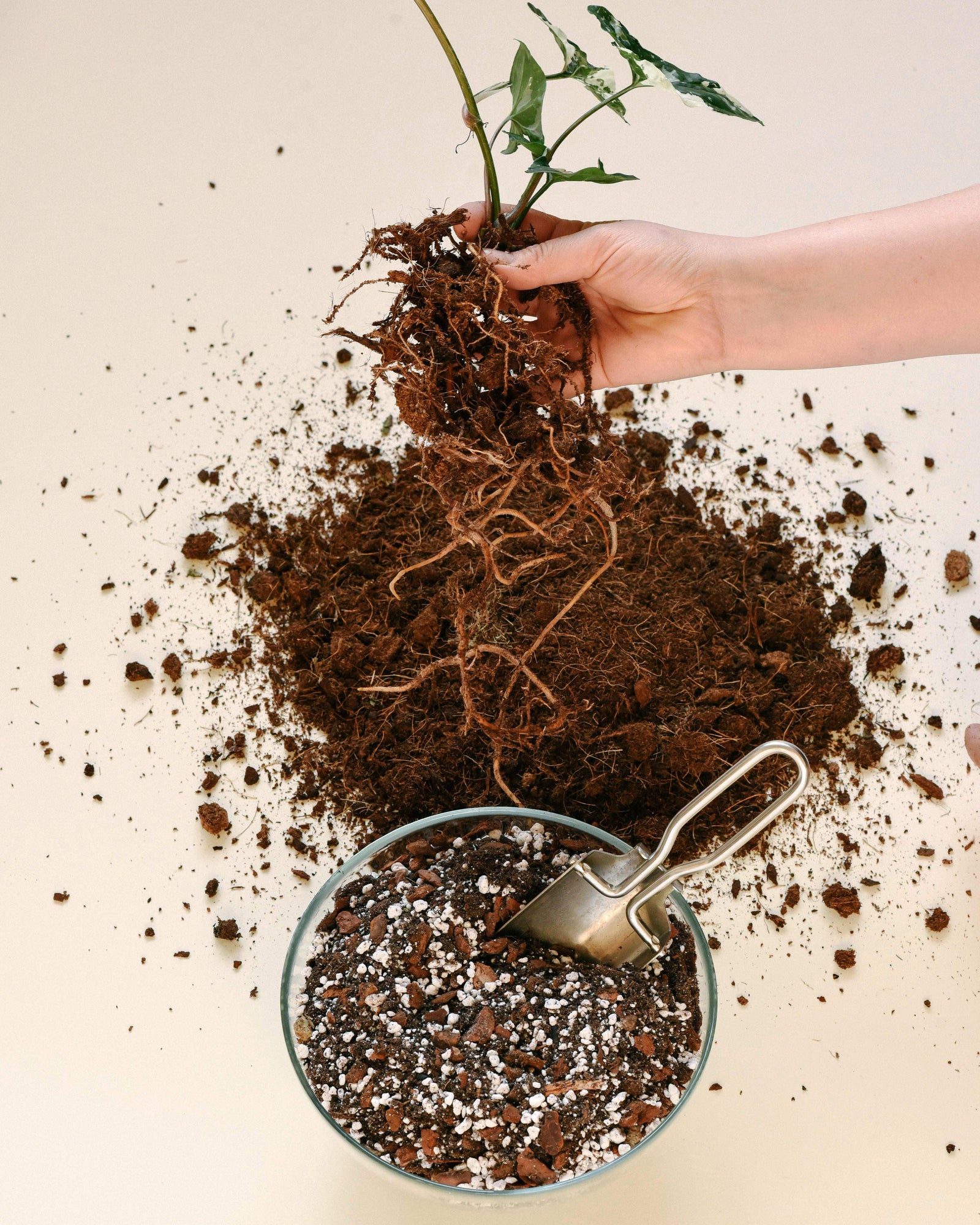
At the nursery, plants grow in warm, humid greenhouses with stable temperatures and excellent light. In that environment, dense nursery soil can still work well. At home, where air is usually drier and light is lower, a chunky, well-draining mix is easier for most roots.
- Use a substrate that suits your plant type (for example, an aroid mix for many Philodendron).
- Add materials like perlite, bark, or pumice to improve drainage and airflow.
- Avoid using compact garden soil in indoor pots—it tends to hold too much water and limit oxygen around the roots.
If you are unsure where to start, our selection of houseplant substrates and soils can help you choose a ready-made mix or components to build your own.
Plant Food: When and How to Feed
- Most houseplants appreciate a bit of extra nutrition during spring and summer, when they are actively growing.
- A balanced, water-soluble fertilizer once a month is a gentle starting point for many foliage plants.
- In winter, growth usually slows down—many plants do better with little or no fertilizer during this time.
Always follow the instructions on your fertilizer and, when unsure, use a more diluted solution rather than a stronger one. It is generally easier to correct mild underfeeding than fertilizer burn.
5. Beginner Plant Care Cheat Sheet
Use this quick table as a starting point when something looks off. Then come back to the detailed sections above to fine-tune your next steps.
| Problem | What it often looks like | First step to try |
|---|---|---|
| Too much light | Crispy edges, pale patches, soil dries very fast | Move further from window or add sheer curtain |
| Not enough light | Leggy stems, small new leaves, slow growth | Shift to a brighter spot and rotate weekly |
| Overwatering | Yellow, soft leaves, fungus gnats, soggy soil | Let soil dry deeper, empty saucers after watering |
| Underwatering | Drooping plant, dry and crispy tips | Water thoroughly and check moisture more often |
| Pest stress | Sticky leaves, webs, speckled or deformed foliage | Inspect leaves closely and compare with pest guides |
Once you understand how light, water, soil, and observation work together, caring for houseplants becomes far more intuitive. From there, you can explore more specific guides for particular plant types—or simply enjoy watching your current collection grow.
Explore more
Helpful plants, care products, and related guides: