


How a humble Southeast Asian forest dweller became the ultimate low-maintenance houseplant for queer homes, Berlin apartments, and anyone who's ever killed a fiddle leaf fig.
Born in the Shadows: Where Aglaonemas Come From
Long before Aglaonemas graced your Instagram feed or that one corner of your flat that gets zero natural light, they were thriving on the forest floors of Southeast Asia—specifically Thailand, Indonesia, the Philippines, and Malaysia. Picture this: dense tropical canopies, dappled sunlight barely reaching the ground, humidity you could cut with a knife, and soil that's perpetually moist but never waterlogged.
This is where Aglaonemas evolved to be the ultimate survivors. While other plants were competing for sunlight in the canopy, Aglaonemas said, "Nah, we're good down here in the shade," and became masters of low-light living. They're the introverts of the plant world—thriving in the understory, unbothered, moisturized, in their lane.

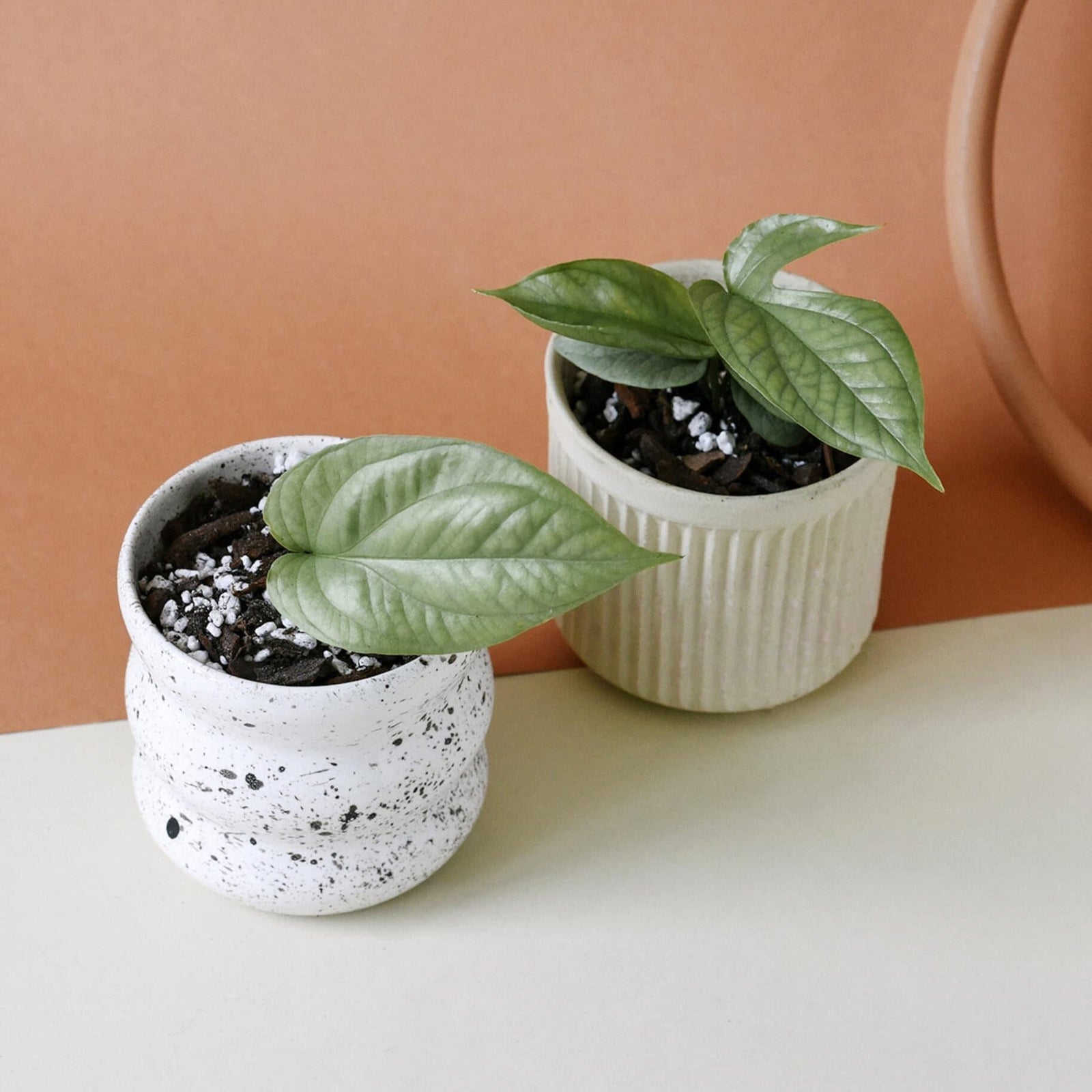
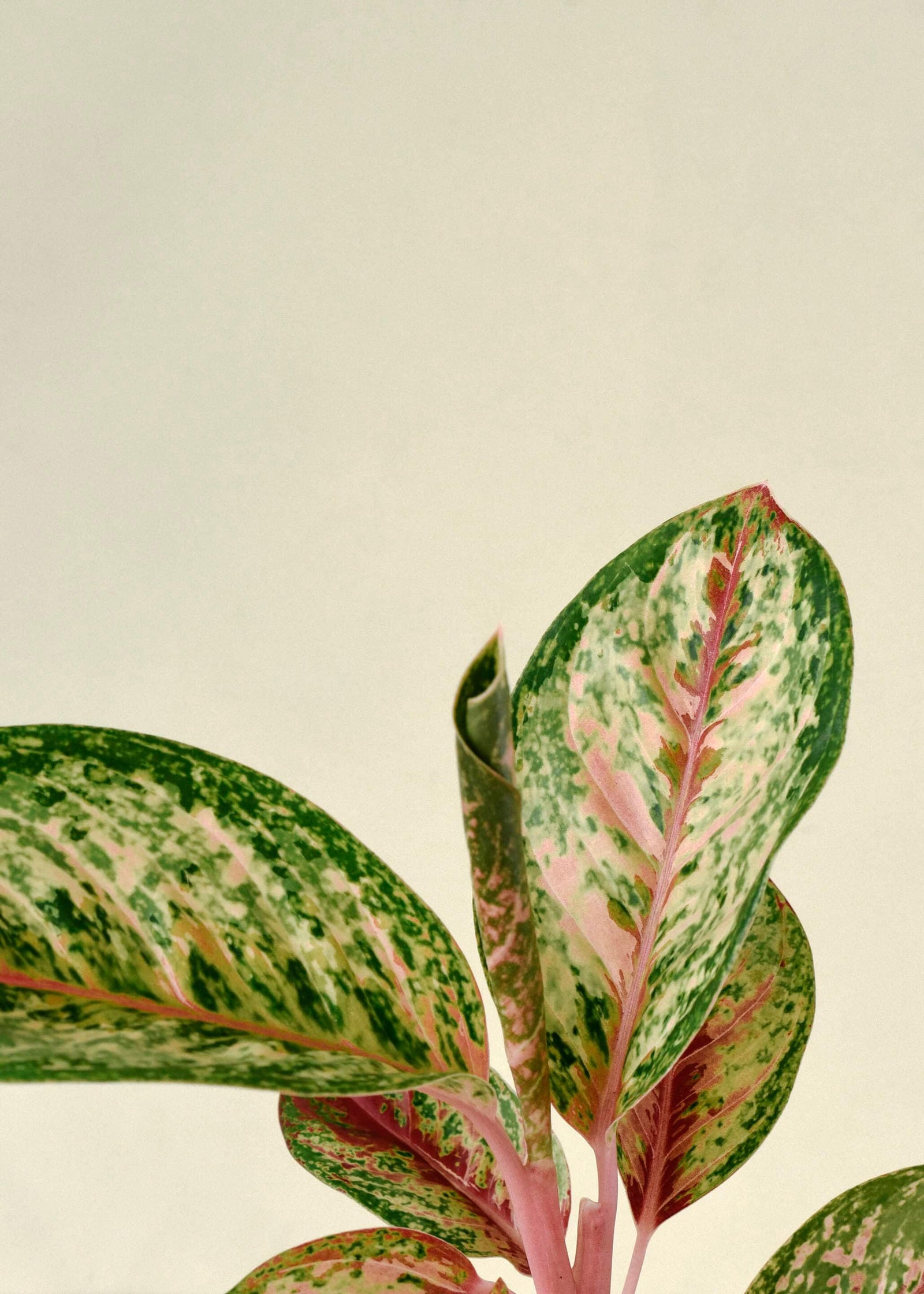
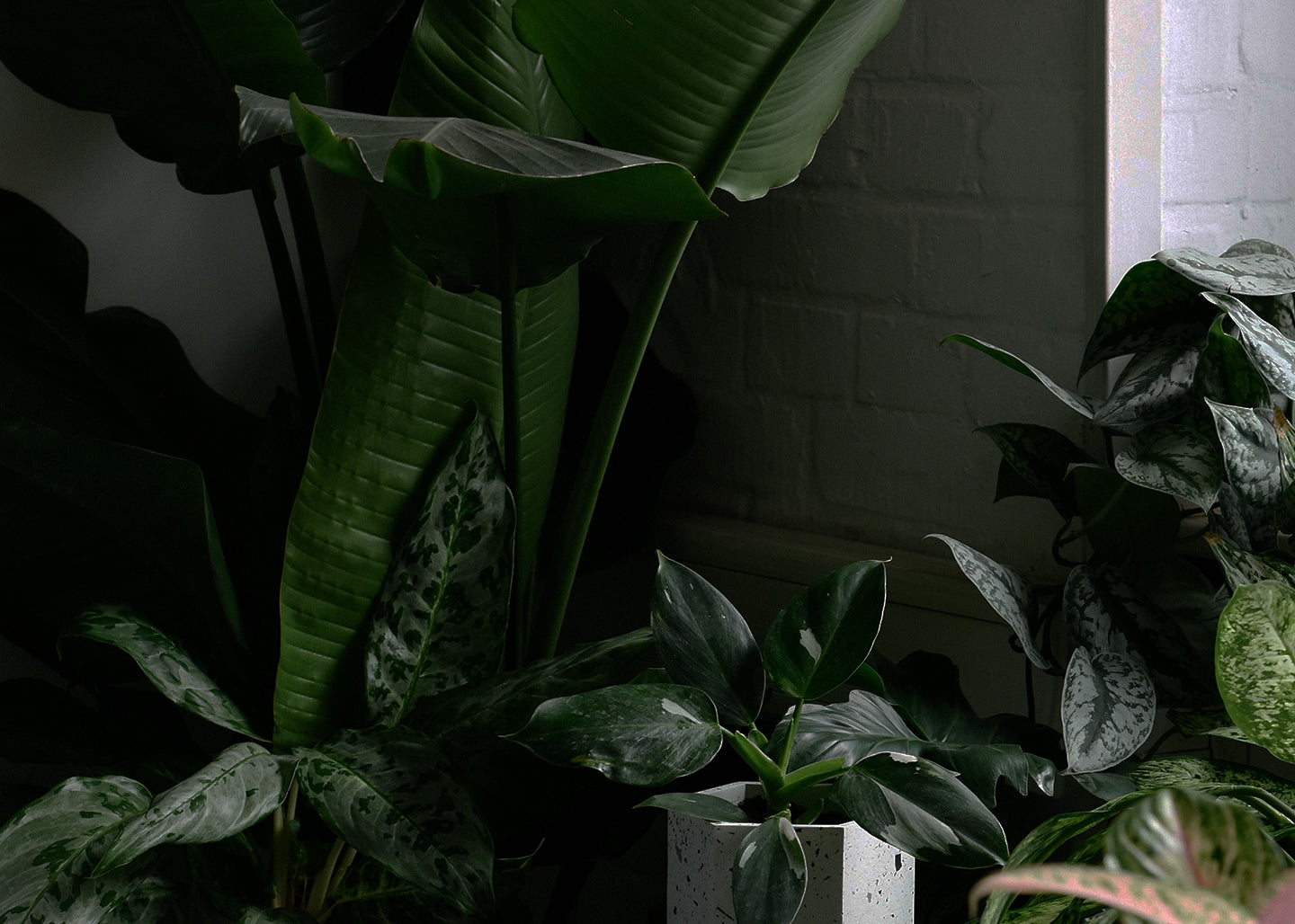
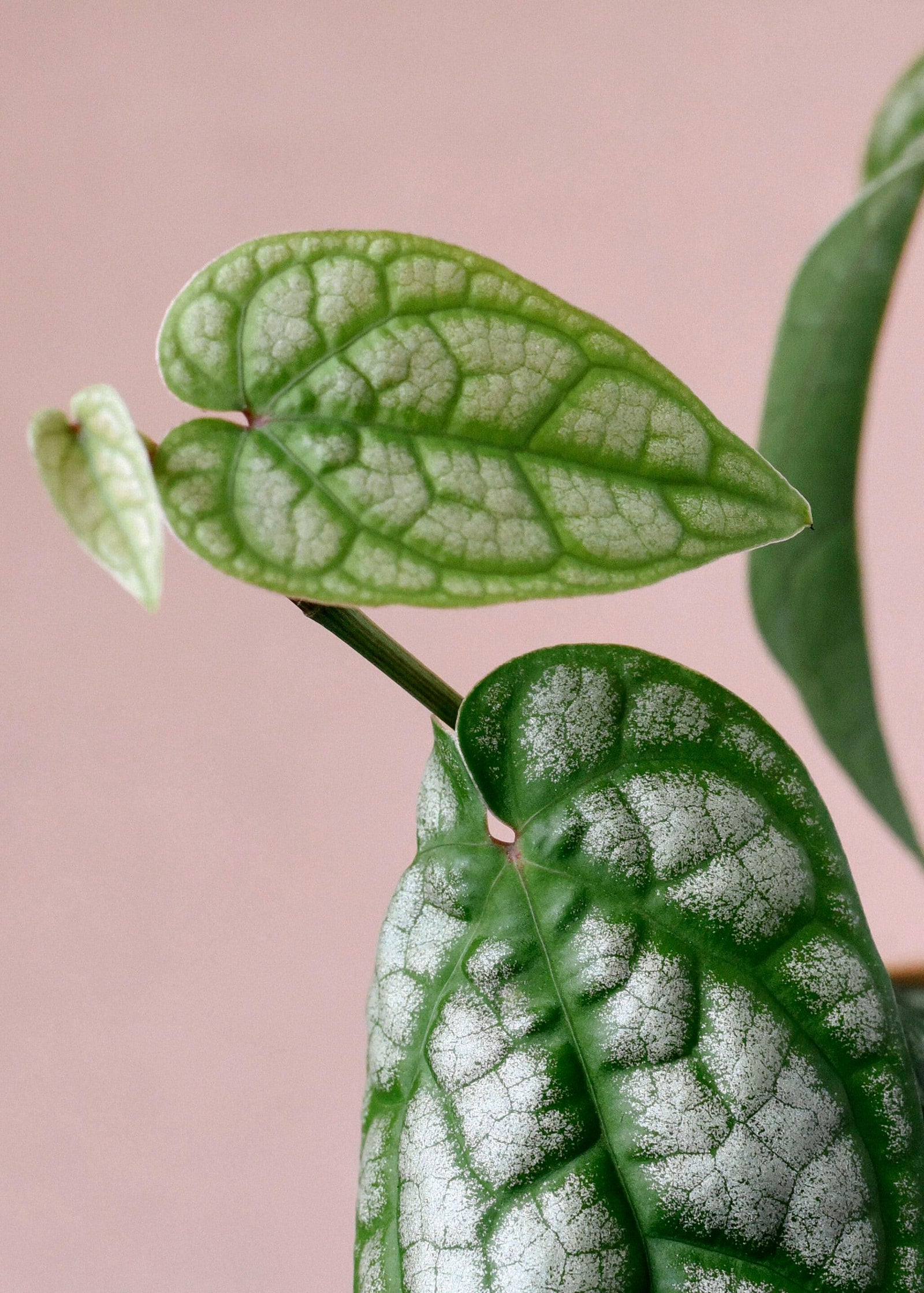
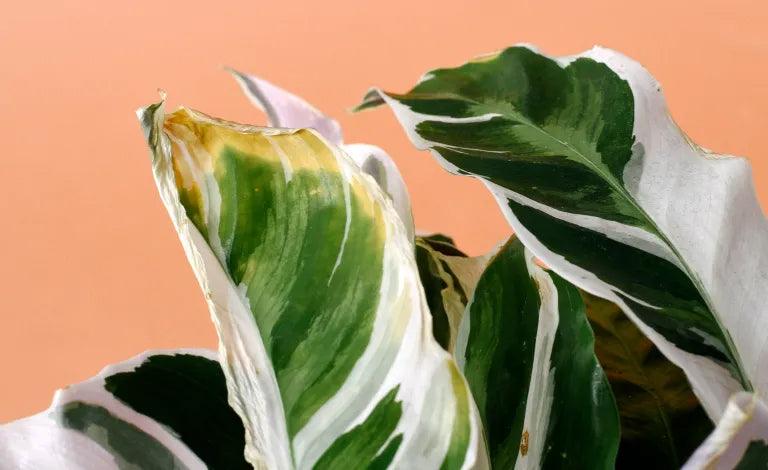
Aglaonema 'Silver Bay' XL - A classic variety that showcases the traditional silver-green patterns evolved for low-light forest floors.
Why Aglaonemas Are Built Different
Evolution made Aglaonemas resilient AF. Here's why:
Low-Light Legends: Growing beneath towering dipterocarp trees meant adapting to minimal sunlight. Their broad, patterned leaves maximize chlorophyll absorption, making them perfect for that north-facing Berlin window or your bathroom with one tiny skylight.
Humidity Heroes: Southeast Asian rainforests are basically year-round saunas. Aglaonemas evolved to love moisture in the air, but they're also surprisingly forgiving if you forget to mist them (we've all been there).
Drought-Tolerant Roots: Seasonal dry spells taught Aglaonemas to store water efficiently. Their rhizomes act like tiny reservoirs, so they won't immediately die if you go on holiday and forget to ask your neighbor to water them.
Pest Resistance: In the wild, Aglaonemas developed natural defenses against insects and fungi. This translates to fewer headaches for you—no spider mites throwing a rave on your leaves.

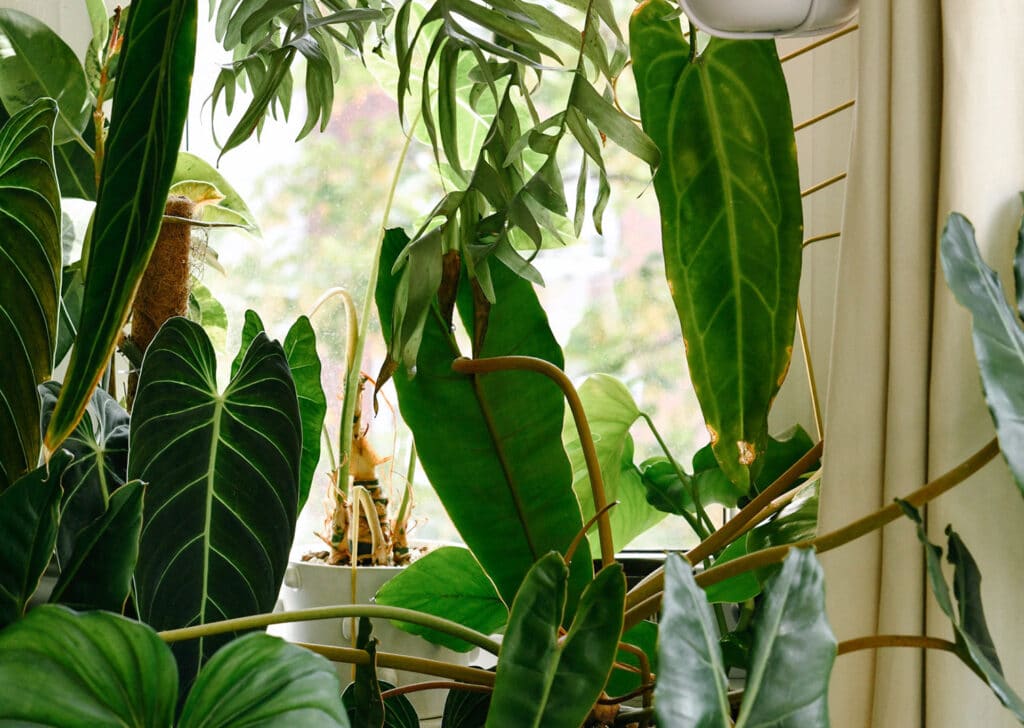
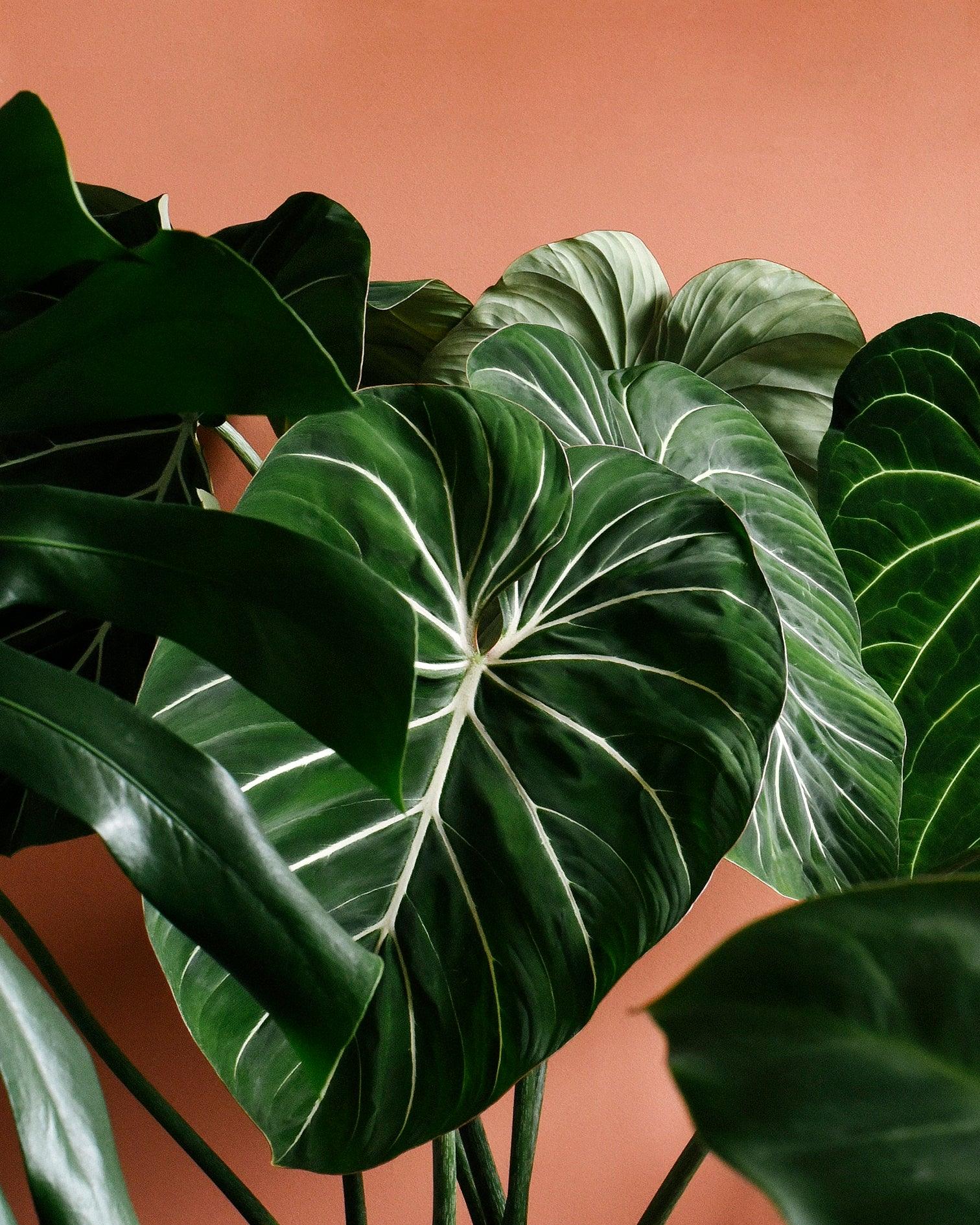
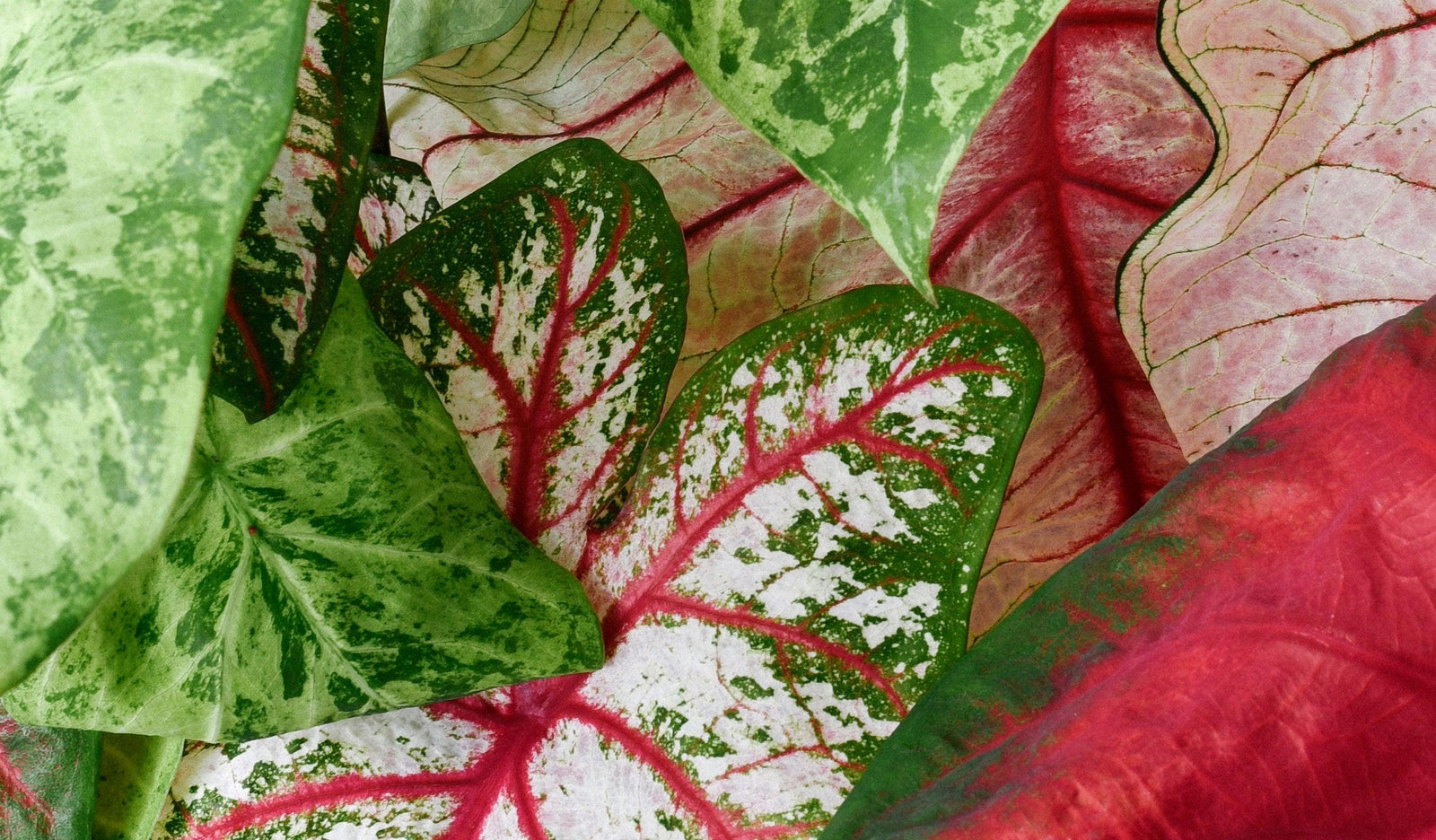
Aglaonema 'Maria' L - This heritage variety demonstrates the broad leaf structure that makes Aglaonemas such efficient low-light performers.
Humans Meet Aglaonemas: A Love Story Thousands of Years Old
Indigenous communities in Southeast Asia have known about Aglaonemas for centuries. They weren't just pretty—they were useful. Some cultures used them medicinally (though we're not recommending you chew on yours), while others recognized their air-purifying qualities long before NASA did a study about it.
But it wasn't until the 19th and 20th centuries that Western botanists "discovered" them (classic colonial move) and started bringing them back to Europe and North America. Suddenly, these shade-loving beauties were showing up in Victorian conservatories, hotel lobbies, and eventually, your local plant shop.

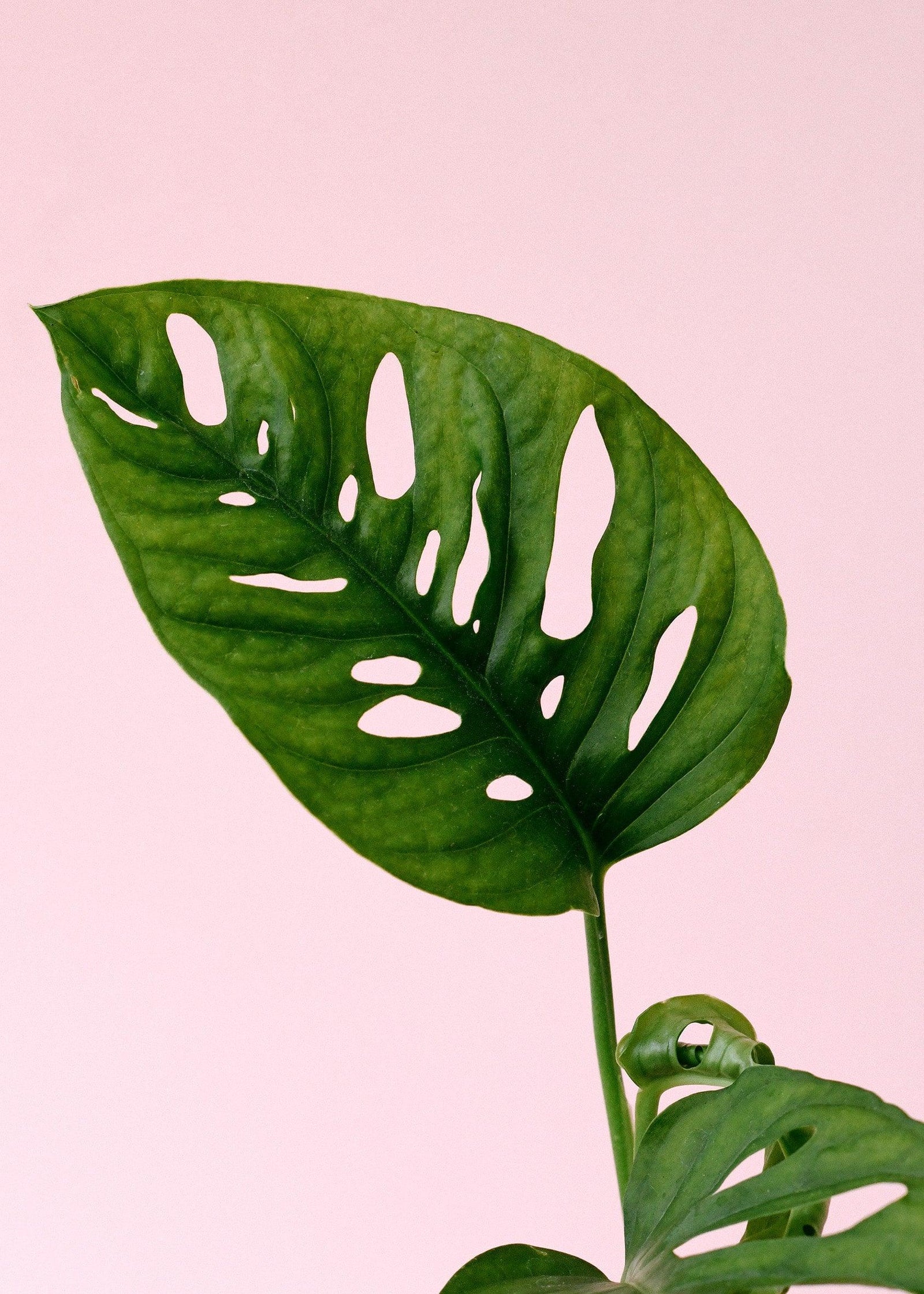
Aglaonema Pictum Tricolor Baby - One of the rarest varieties, with patterns closer to wild-type Aglaonemas found in Southeast Asian forests.
Why They're Perfect for Modern Life (Especially in Germany)
Let's be real: German winters are brutal for houseplants. Short days, dry indoor heating, and that one radiator that's either off or set to "surface of the sun." Aglaonemas don't care. They're adapted to low light, tolerate dry air better than most tropicals, and won't throw a tantrum if you forget to water them for a week.
They're also queer-coded as hell—low-maintenance, adaptable, thriving in unconventional spaces, and unapologetically themselves. Whether you're in a tiny Kreuzberg studio or a sprawling Prenzlauer Berg Altbau, there's an Aglaonema that fits your vibe.

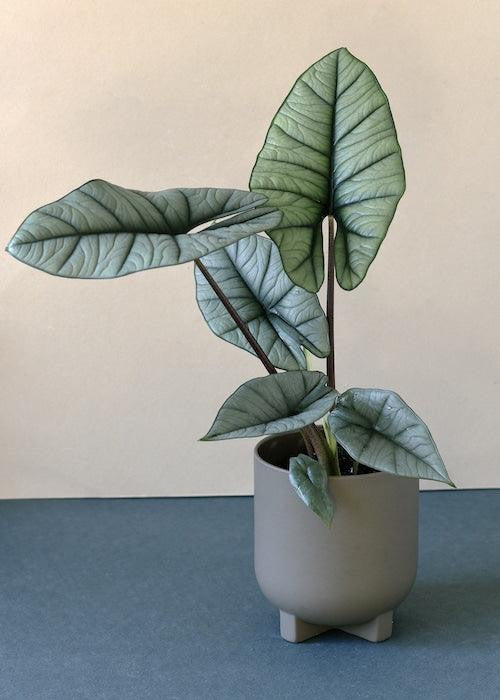
Aglaonema 'Christina' Medium - Perfect for low-light spaces, this variety thrives in the exact conditions most Berlin apartments offer.
The Takeaway
Aglaonemas didn't just survive the jungle floor—they owned it. And now, they're here to own your living room, your office, or that weird corner by the bathroom that you've been trying to figure out what to do with.
Next up in this series: Royal Plants & Lucky Leaves, where we dive into the cultural significance of Aglaonemas and why they were considered palace plants in Asia.
Shop our Aglaonema collection and bring a piece of Southeast Asian rainforest resilience into your home.