


Monstera Madness: Unique Varieties and Alternatives to Upgrade Your Indoor Jungle
If you started your plant journey with a classic Monstera deliciosa, you already know the magic of those split, glossy leaves. Once you’ve mastered the basics, it’s natural to look for more: unusual leaf shapes, interesting textures, or something that climbs dramatically up a moss pole.
In this guide, you’ll find hand-picked Monstera varieties and a few Monstera-inspired alternatives, plus styling ideas to help you build a lush, design-forward indoor jungle that actually fits your space and routine.
In This Guide
- 8 special Monstera varieties to know
- Monstera alternatives with a similar look
- How to style and display your Monstera collection
- Essential care tips for healthy Monsteras
- Where to find the right Monstera for your home
8 Rare and Unique Monstera Varieties to Explore
1. Monstera deliciosa 'Thai Constellation'

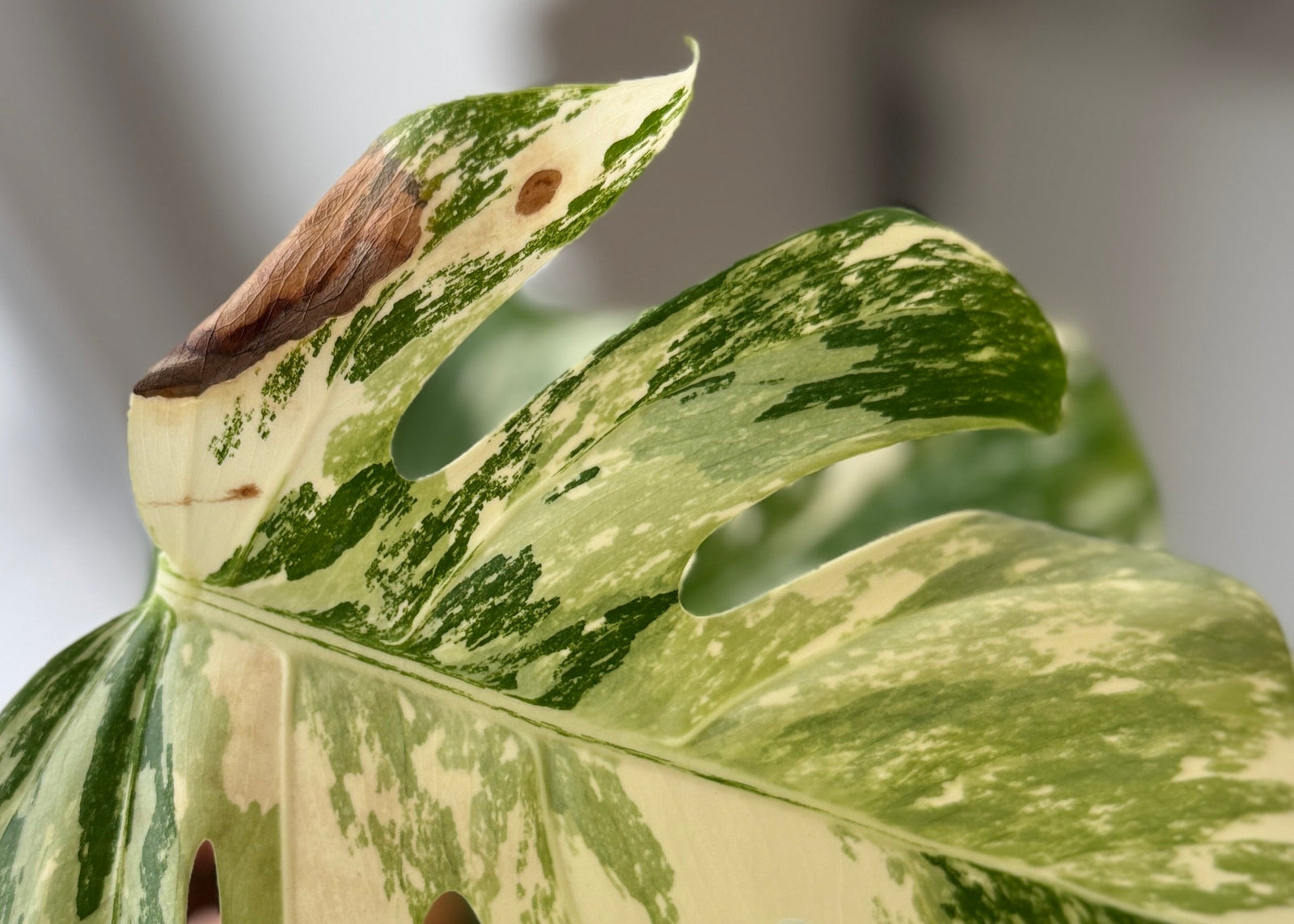
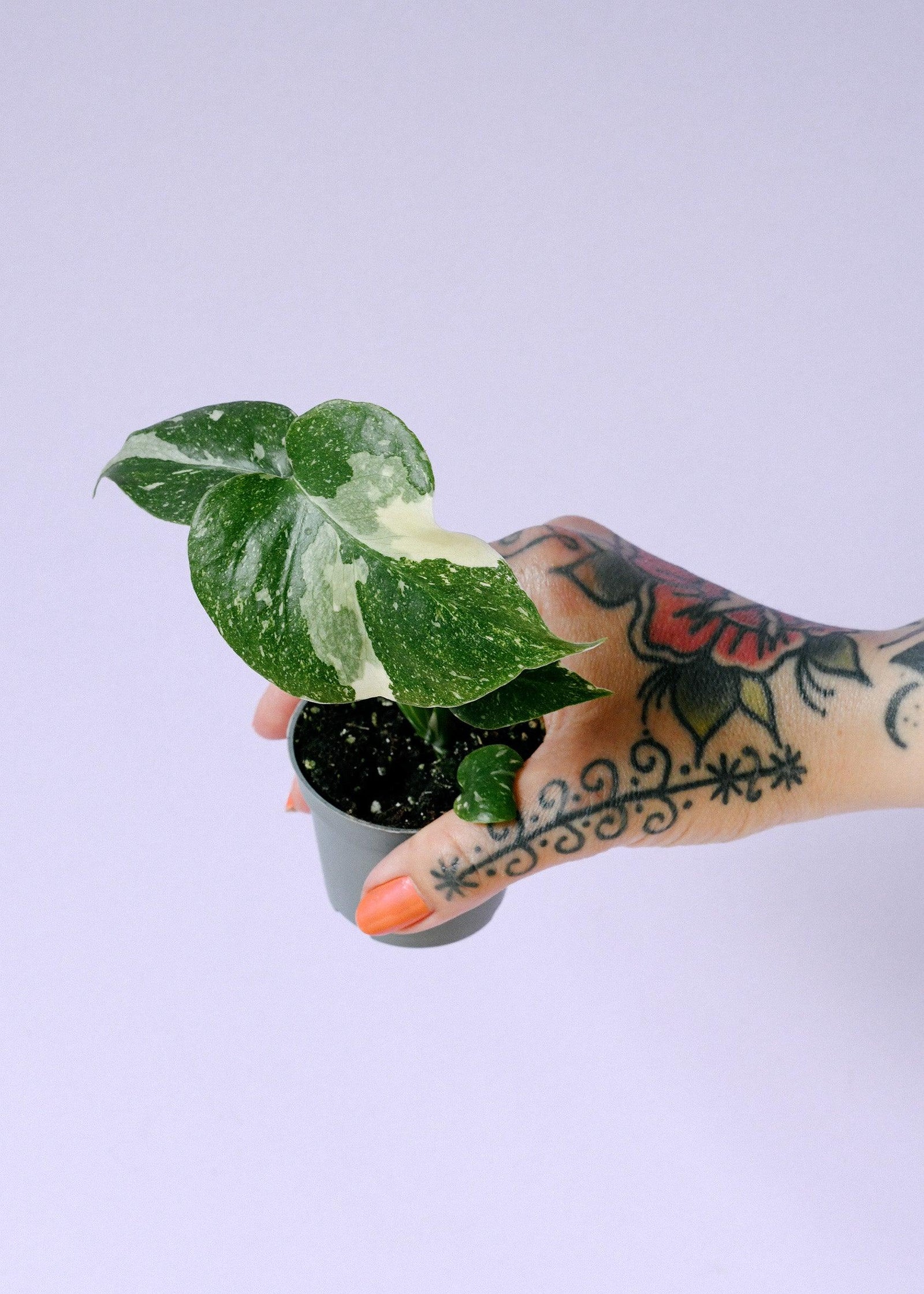
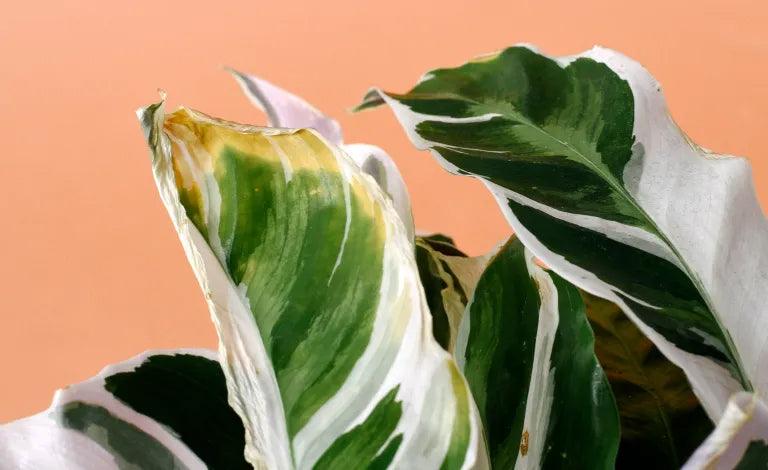
The Monstera Thai Constellation is a variegated take on the classic deliciosa, with creamy splashes and speckles across each leaf. It works beautifully as a statement plant in bright, indirect light.
- Best for: Collectors who enjoy a slower-growing focal plant and have a bright spot available.
- Light: Bright, indirect light helps support stable variegation; harsh midday sun can scorch the pale areas.
- Watering: Let the top 2–3 cm of soil dry out, then water thoroughly and allow excess to drain.
- Styling idea: Pair a Thai Constellation in a simple light planter with darker green plants around it so the pattern really stands out.
2. Monstera deliciosa var. Borsigiana Variegata (Albo)

The much-loved Monstera Albo is known for bold white patches and half-moon leaves. It tends to stay a bit slimmer than a standard deliciosa and appreciates a pole or trellis to climb.
- Best for: Plant parents with some Monstera experience who enjoy shaping a climber over time.
- Light: Bright, filtered light supports leaf coloration; low light often leads to greener new leaves.
- Watering: Water when the top layer of soil feels dry; allow excess water to run off fully.
- Styling idea: Use a moss pole to guide the stems upward and create a tall, sculptural silhouette.
Deep dive: For more on managing variegation and growth, see our variegated Monstera care guide.
3. Monstera adansonii 'Mint'

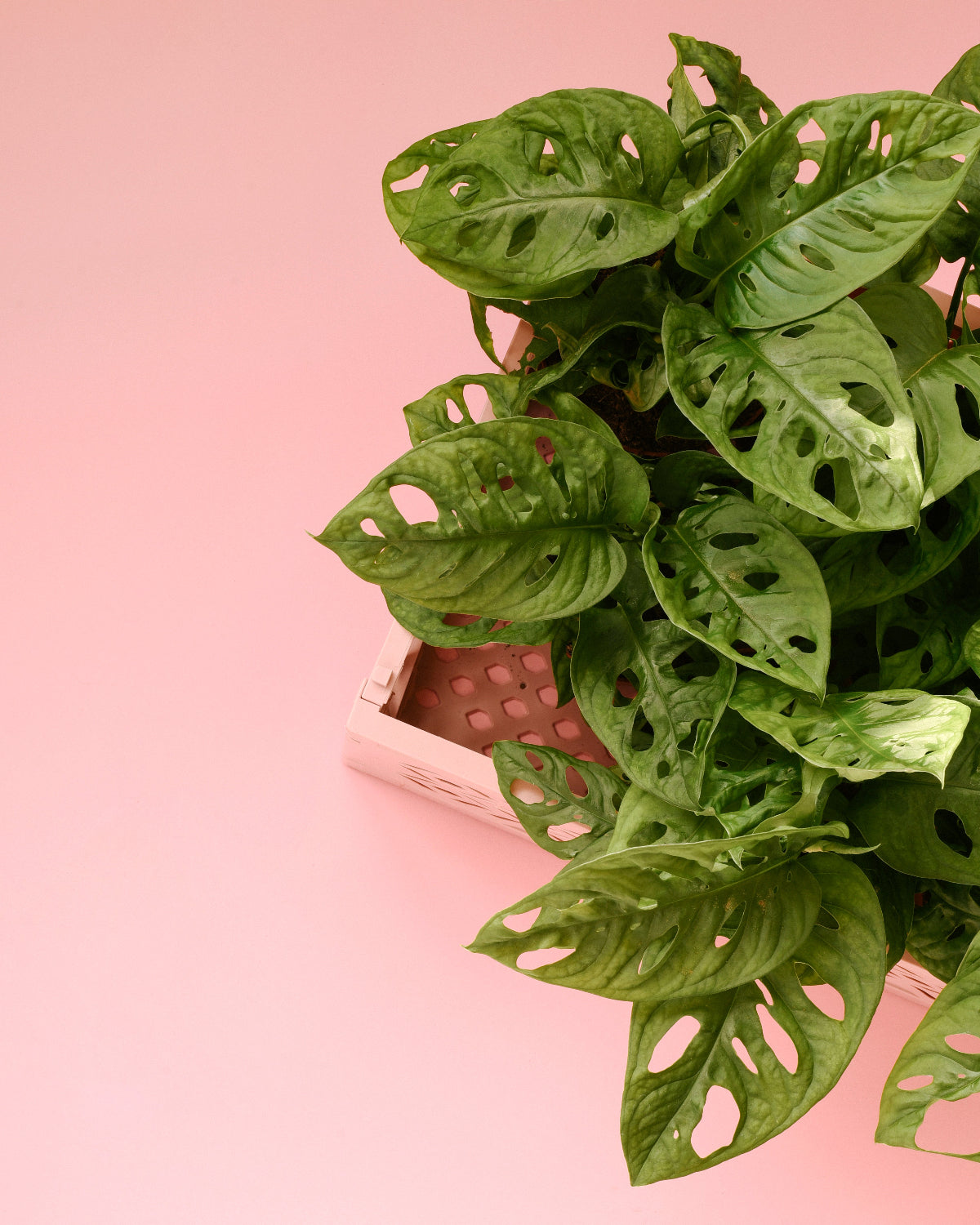
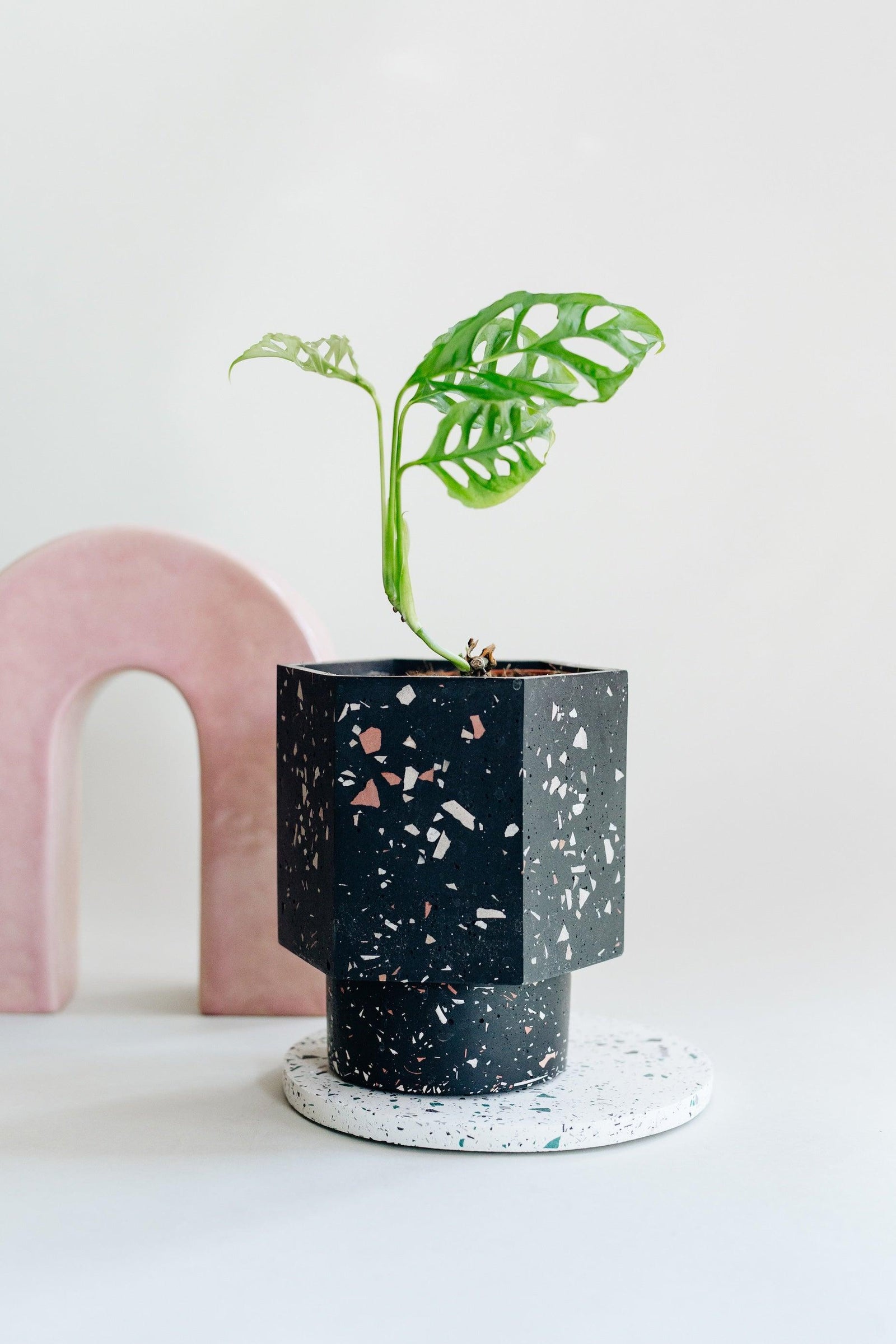
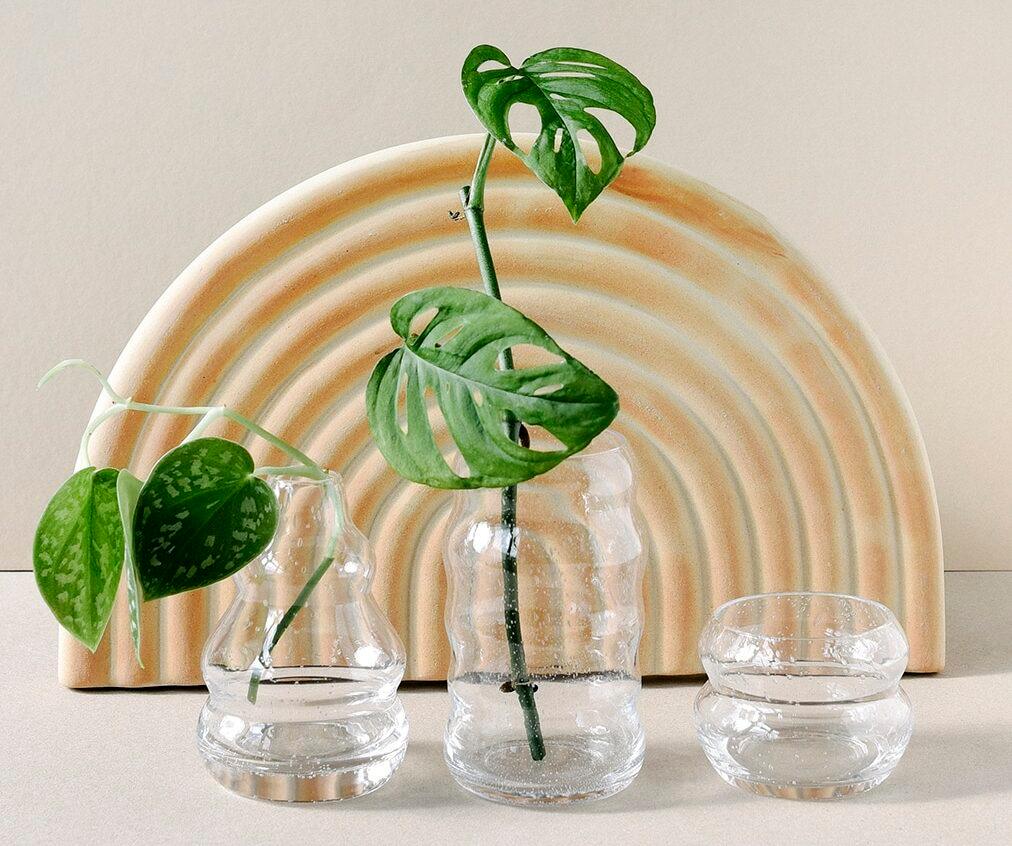
Monstera adansonii 'Mint' adds soft, minty tones to the classic Swiss cheese vine look. It can trail from a shelf or weave up a support for a lighter, more delicate Monstera moment.
- Best for: Shelf styling, hanging planters, and plant parents who like a lighter, lacy foliage look.
- Light: Medium to bright indirect light usually keeps the pattern visible without stressing the leaves.
- Watering: Keep soil lightly moist but not soggy; let the surface dry between waterings.
- Styling idea: Combine with another trailing aroid like Philodendron Brasil for a layered, cascading effect.
Care support: You can find more detailed tips in our Monstera adansonii guide.
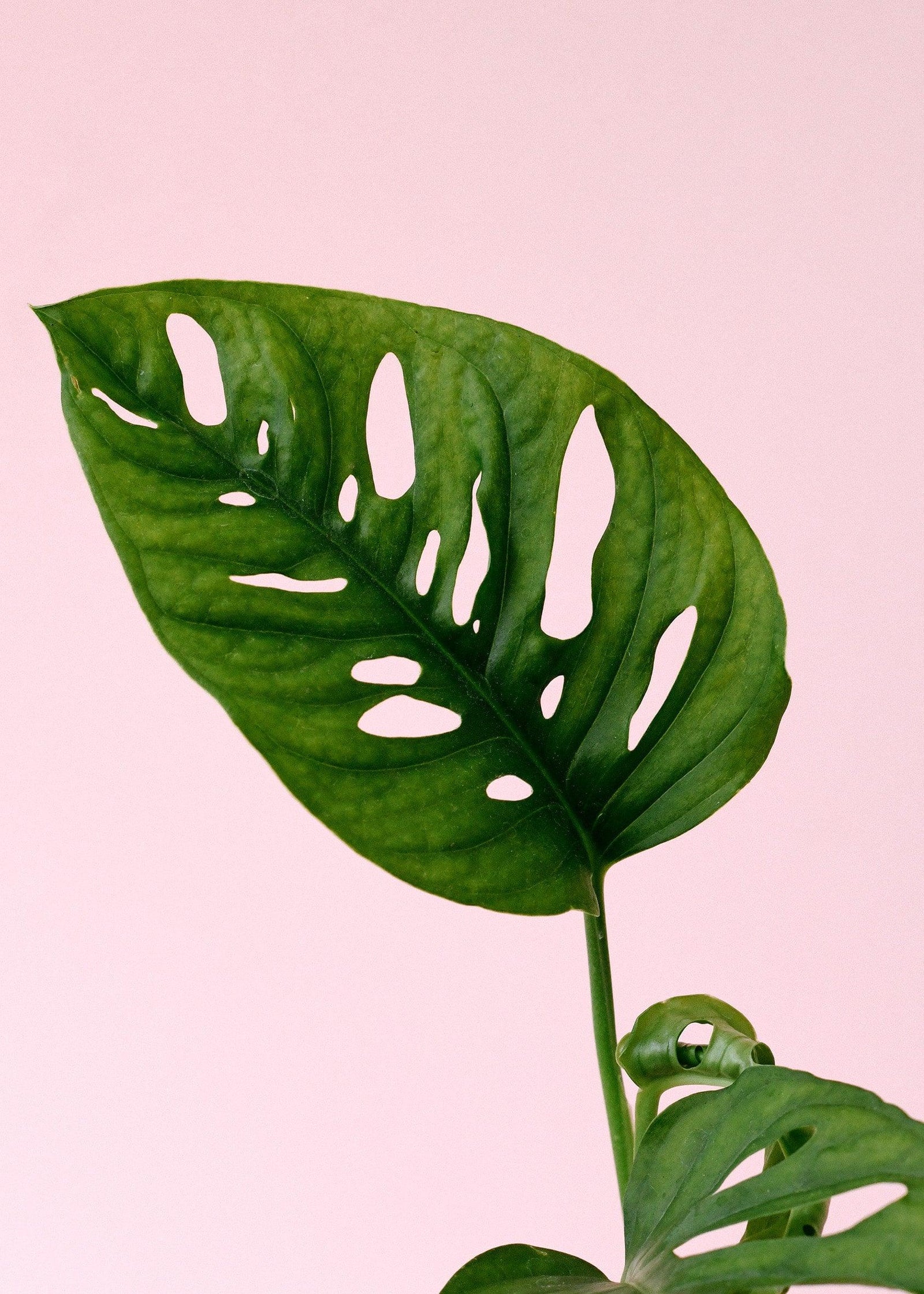
4. Monstera obliqua Peru

Monstera obliqua Peru is known for its extremely perforated leaves. It’s slow, particular about humidity, and better suited to growers who already enjoy tweaking conditions.
- Best for: Experienced collectors who like cabinets, terrariums, or controlled microclimates.
- Light: Bright, indirect light; direct sun can easily dry or crisp the thin leaf tissue.
- Watering: Keep soil slightly moist and focus on good air circulation and drainage to avoid rot.
- Styling idea: A glass-fronted cabinet or covered shelf helps keep humidity up while still showing off the dramatic foliage.
5. Monstera Esqueleto (Monstera epipremnoides)

Monstera Esqueleto lives up to its name with bold, skeletal fenestrations. Given a sturdy support and time, it can become an architectural focal point in a room.
- Best for: Spacious corners or spots where you want a tall, sculptural plant.
- Light: Bright, indirect light generally encourages larger, more open leaves.
- Watering: Water when the top few centimetres of soil feel dry, then let excess drain.
- Styling idea: Keep the planter simple and let the leaf shape do the talking—this plant pairs well with clean, minimal furniture.
6. Monstera siltepecana

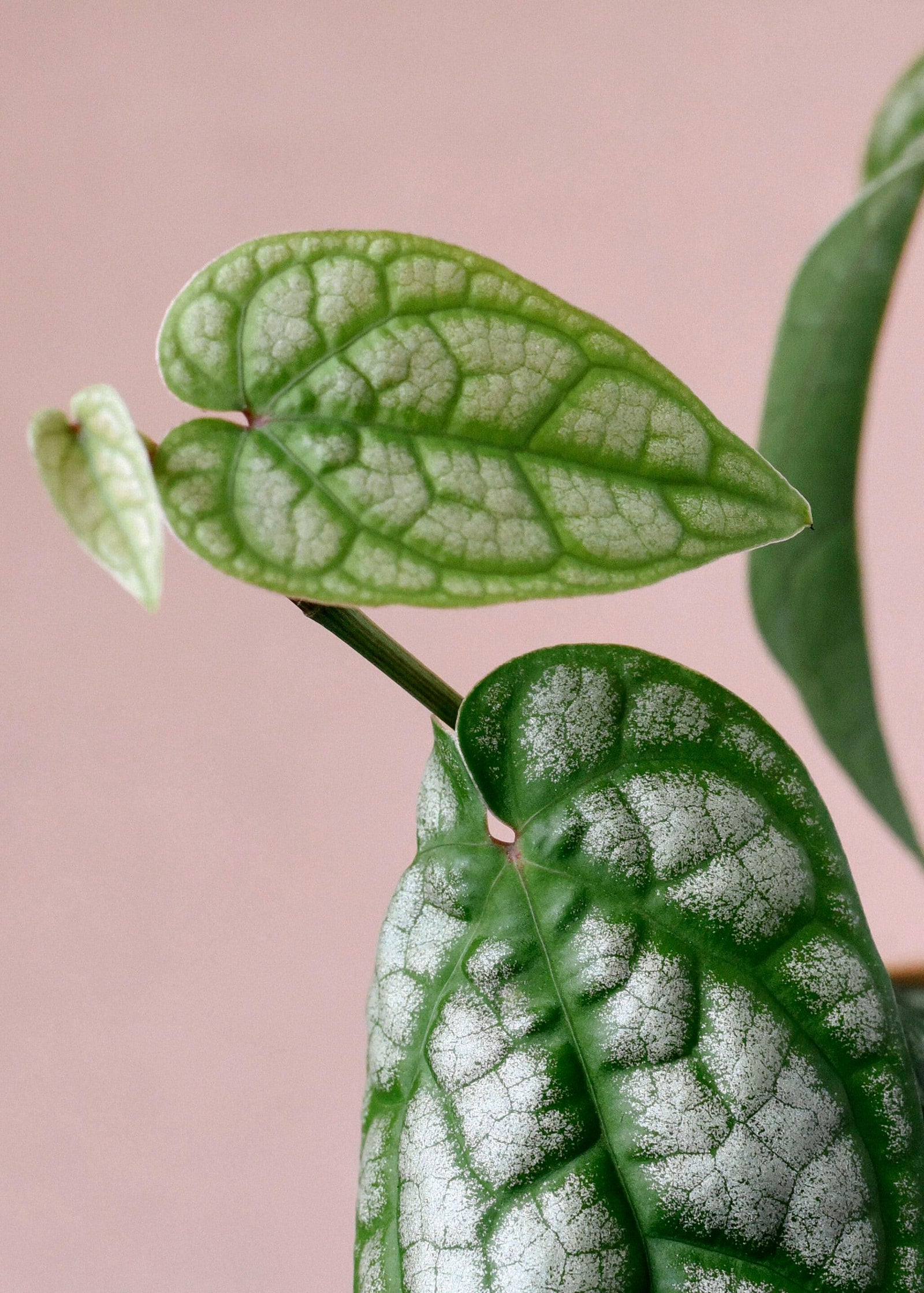
Monstera siltepecana starts out with silver-marked, lance-shaped leaves and can eventually develop fenestrations as it climbs and matures.
- Best for: Fans of cooler-toned foliage and mixed, layered plant shelves.
- Light: Medium to bright indirect light tends to keep the silver pattern clear.
- Watering: Allow the top layer of soil to dry between waterings.
- Styling idea: Train it up a slim moss pole in a group of bushier plants to add height and texture without taking much floor space.
Learn more: See our full Monstera siltepecana plant profile for growth-stage photos and care notes.
7. Monstera Peru (Monstera karstenianum)

Monstera Peru trades dramatic fenestrations for deeply textured, almost quilted leaves. It offers a more compact, tactile look that still reads as tropical.
- Best for: Smaller homes or shelves where a huge leaf span would feel overwhelming.
- Light: Bright, indirect light tends to bring out the leaf texture.
- Watering: Let the soil dry a bit more between waterings compared to thirstier Monsteras.
- Styling idea: Pair it with smoother-leaved houseplants to highlight the texture contrast.
8. Monstera Burle Marx Flame

Monstera Burle Marx Flame has slender, sculptural foliage that feels a little more refined than some of the big-leaf classics. It stays relatively tidy under good conditions, which can suit apartments and compact corners.
- Best for: Design-led spaces where you want something unusual but not overpowering.
- Light: Bright, indirect light; avoid strong direct sun through bare glass.
- Watering: Aim for evenly moist soil during active growth, with good drainage.
- Styling idea: A slim plant stand or sideboard lets the foliage sit at eye level so you can appreciate its form.
Monstera-Inspired Alternatives for a Similar Look
Love the Monstera aesthetic but want to mix things up—or choose something a little easier-going? Several aroids echo the split-leaf or climbing look while bringing their own character.
- Rhaphidophora tetrasperma: Often nicknamed the “mini Monstera”, this climber offers deeply cut leaves on a smaller scale and can work well where a full-sized deliciosa would be too much. (Available seasonally at Plant Circle.)
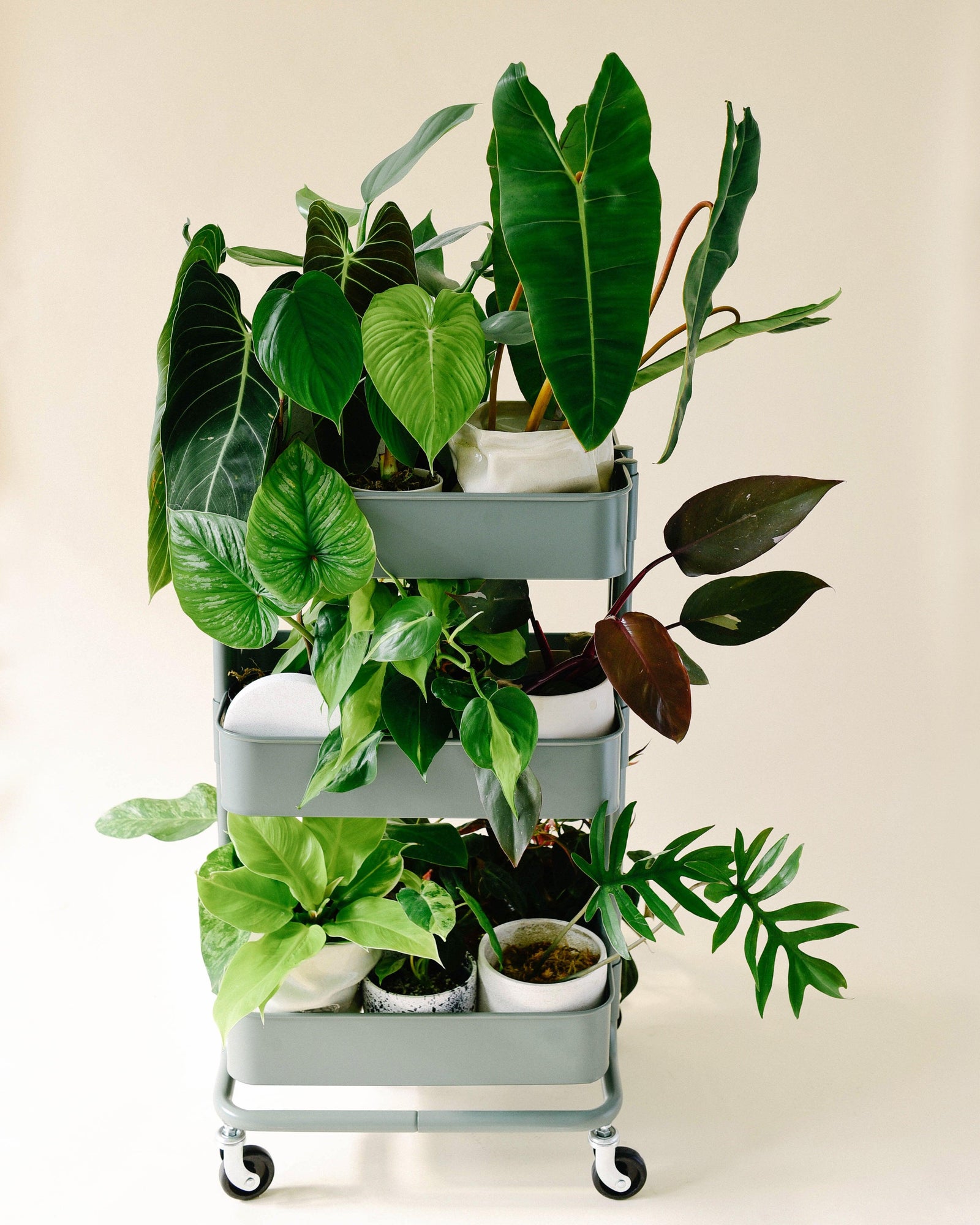
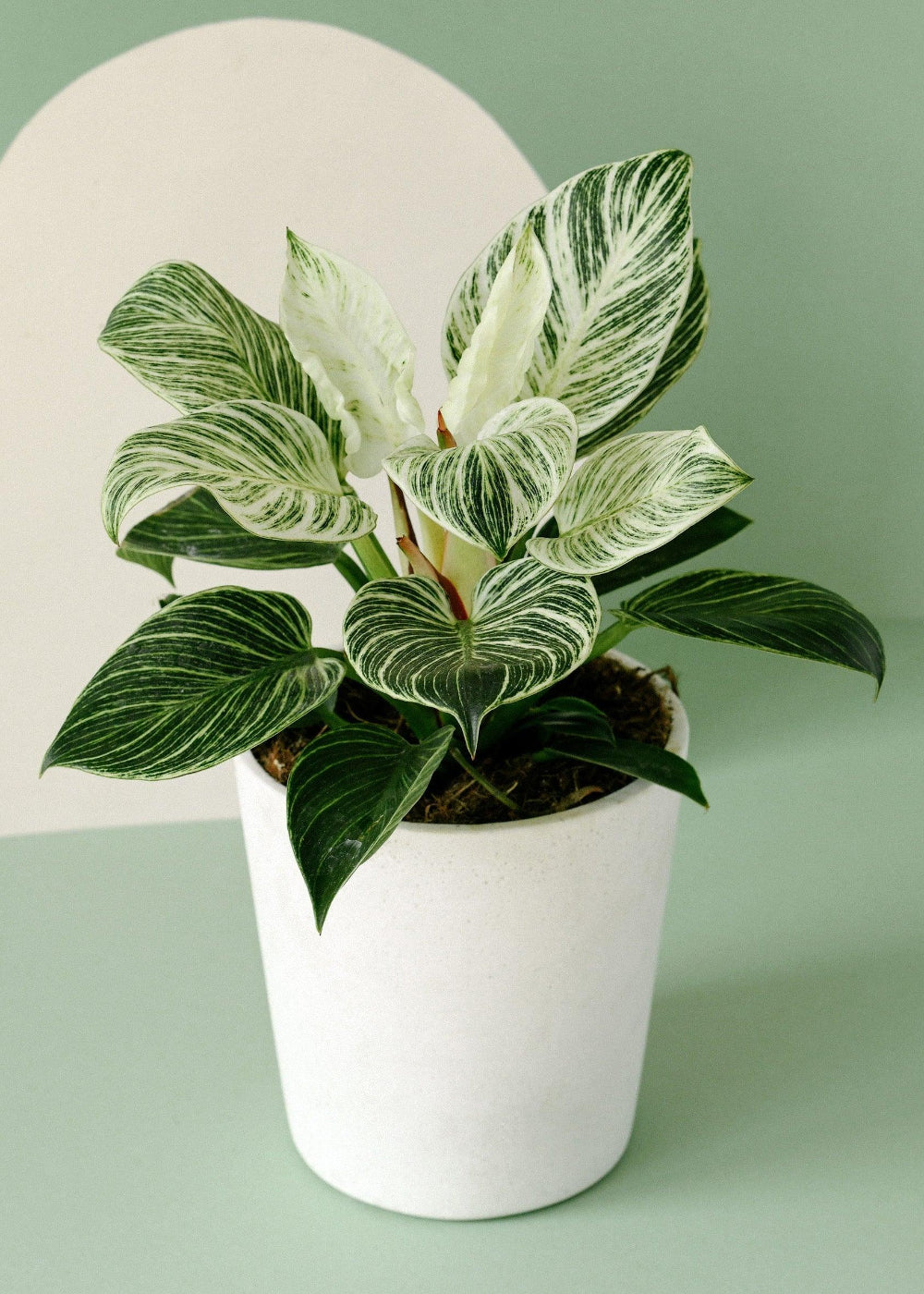
- Philodendron varieties: Heartleaf and climbing philodendrons can give you a similar jungle feel, especially when trailed from shelves or encouraged up a moss pole.
- Epipremnum aureum (pothos types): While not Monsteras, many pothos cultivars create lush, cascading greenery that pairs beautifully with fenestrated leaves.
Mixing Monsteras with lookalike aroids keeps your collection interesting and can make care easier, since many of them enjoy similar light and moisture levels.
How to Style and Display Your Monstera Collection
Building a Monstera collection isn’t only about finding rare names—it’s about how everything comes together in your home. A few small styling decisions can make your plants feel intentional rather than crowded.
1. Create focal points with statement pieces
Variegated varieties like Thai Constellation or Albo usually work best as focal plants. Give them room around a window with filtered light and choose planters that echo your interior style—matte white in minimal spaces, warm terracotta in more relaxed rooms.
2. Layer different growth habits
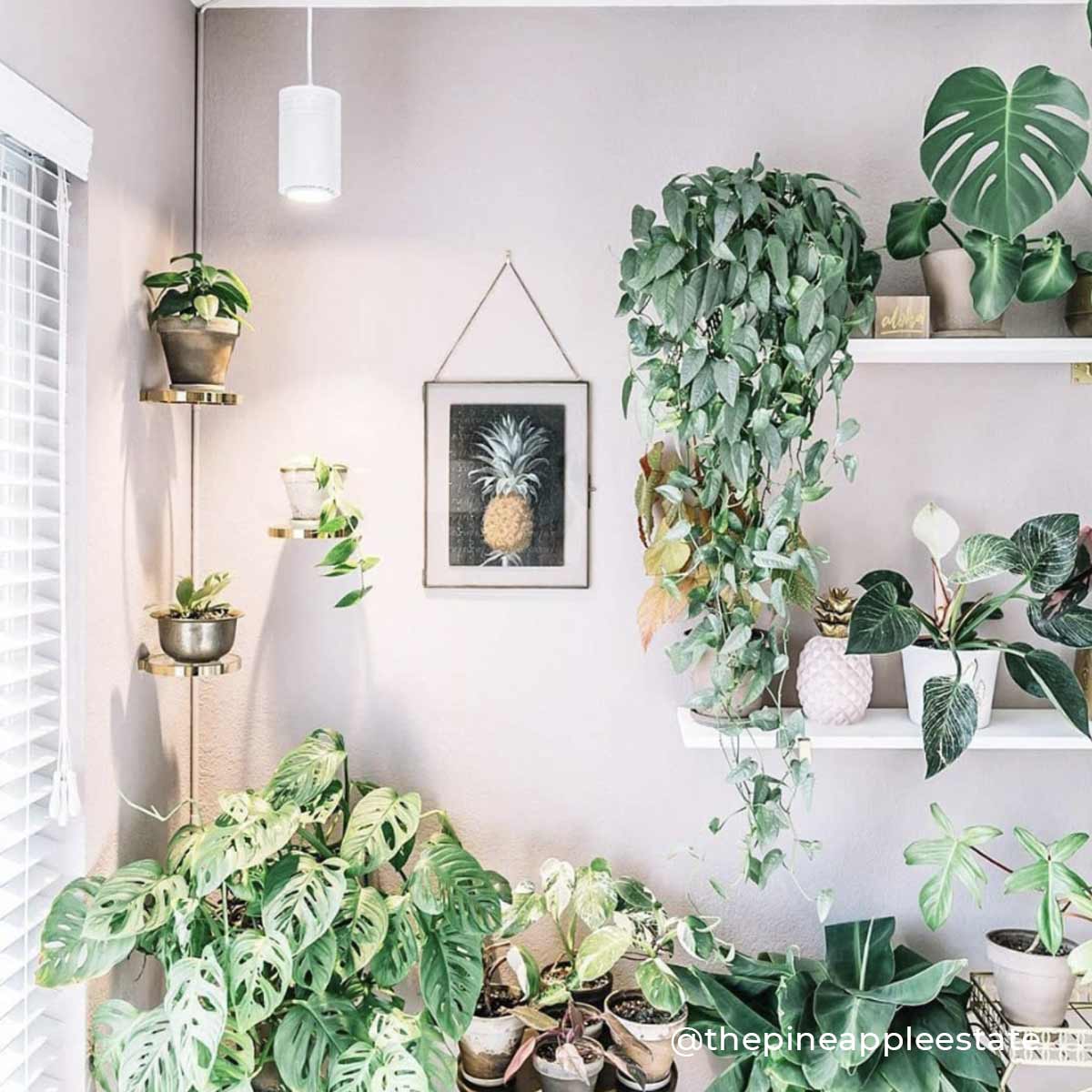
Combine climbers (Esqueleto, Albo), trailers (adansonii 'Mint', siltepecana), and more compact species (Peru, Burle Marx Flame) to add depth. Think in layers: taller plants at the back, mid-height on stands, and trailing plants softening shelves and edges.
3. Make use of vertical space
Moss poles, trellises, and wall-mounted planters let you grow upwards instead of outwards. Supports like our brass plant supports can double as a subtle design feature while giving vines something to grip.
4. Group by care requirements
Place humidity-loving varieties—such as Thai Constellation and obliqua Peru—closer together near a humidifier or in a naturally more humid room. More tolerant species like Monstera Peru or a standard deliciosa often manage better in slightly drier spots.
5. Use natural materials to frame the foliage
Woven baskets, wooden plant stands, and macramé hangers soften the look of pots and help your Monsteras feel integrated into the room instead of placed there at random.
Essential Care Tips for Thriving Monsteras
Most Monstera species share similar basic needs. Once you’ve dialled those in, it becomes easier to experiment with more unusual varieties.
- Light: Aim for bright, indirect light. A sheer curtain between your plant and a sunny window is often enough to soften strong rays.
- Watering: Check the top 2–3 cm of soil; if it’s dry, water thoroughly until water runs from the drainage holes, then empty saucers.
- Humidity: Many special varieties appreciate higher humidity. Grouping plants, using a tray with pebbles and water, or running a humidifier nearby can all help.
- Feeding: During spring and summer, a balanced, diluted houseplant fertiliser every few weeks usually supports steady growth. Reduce feeding in autumn and winter.
- Support: Climbing Monsteras often produce larger, more mature leaves when given a moss pole or sturdy support to attach to.
If you want to go deeper into care basics before adding more varieties, our Monstera deliciosa care guide is a good starting point.
Ready to Expand Your Monstera Collection?
Whether you’re choosing your first patterned Monstera or comparing more advanced species, our Monstera collection brings together many of the plants mentioned here in one place. All plants are sourced within the EU and prepared for shipping with care, so they arrive ready to settle into your space.
Explore different leaf shapes, textures, and growth habits, then pick the plants that fit both your home and your care style. Over time, a few thoughtful choices can turn a single Monstera into a well-balanced, characterful indoor jungle.
More Monstera Resources
Explore more
Helpful plants, care products, and related guides: