



The Unseen Challenge: Understanding Hard Water
For the dedicated plant collector, mastering the variables of light, substrate, and humidity is a rewarding journey. However, one often-overlooked factor can silently sabotage your efforts: water quality. Across many European cities, including Berlin, tap water is characteristically 'hard,' meaning it possesses a high concentration of dissolved minerals, primarily calcium and magnesium carbonates. While perfectly safe for human consumption, this mineral load can create significant challenges for the delicate root systems of many prized houseplants.
How to Identify Hard Water
Identifying hard water can be done through simple observation or more precise measurement. The most common visual cue is a white, chalky residue, known as efflorescence, that forms on terracotta pots and the top layer of the potting medium. This is the mineral salt left behind as water evaporates.
For a more accurate assessment, we recommend testing the pH of your water. Most tropical houseplants thrive in a slightly acidic substrate (pH 5.5-6.5). Hard water is alkaline, often with a pH above 8.0, which can drastically alter the soil environment over time. You can get a reliable indication using simple pH testing strips.

The Botanical Impact of Mineral Buildup
When you consistently water with hard water, calcium and magnesium carbonates accumulate in the substrate. This buildup has two primary negative effects:
- Nutrient Lockout: The increased alkalinity raises the soil's pH, rendering essential micronutrients like iron and manganese insoluble. Even if these nutrients are present in the soil, the plant's roots cannot absorb them. This often leads to chlorosis—a condition where leaves turn yellow while the veins remain green.
- Root Suffocation: Over time, the mineral deposits can form a hard crust around the plant's roots, impeding the vital exchange of gases and reducing the roots' ability to absorb water and nutrients.
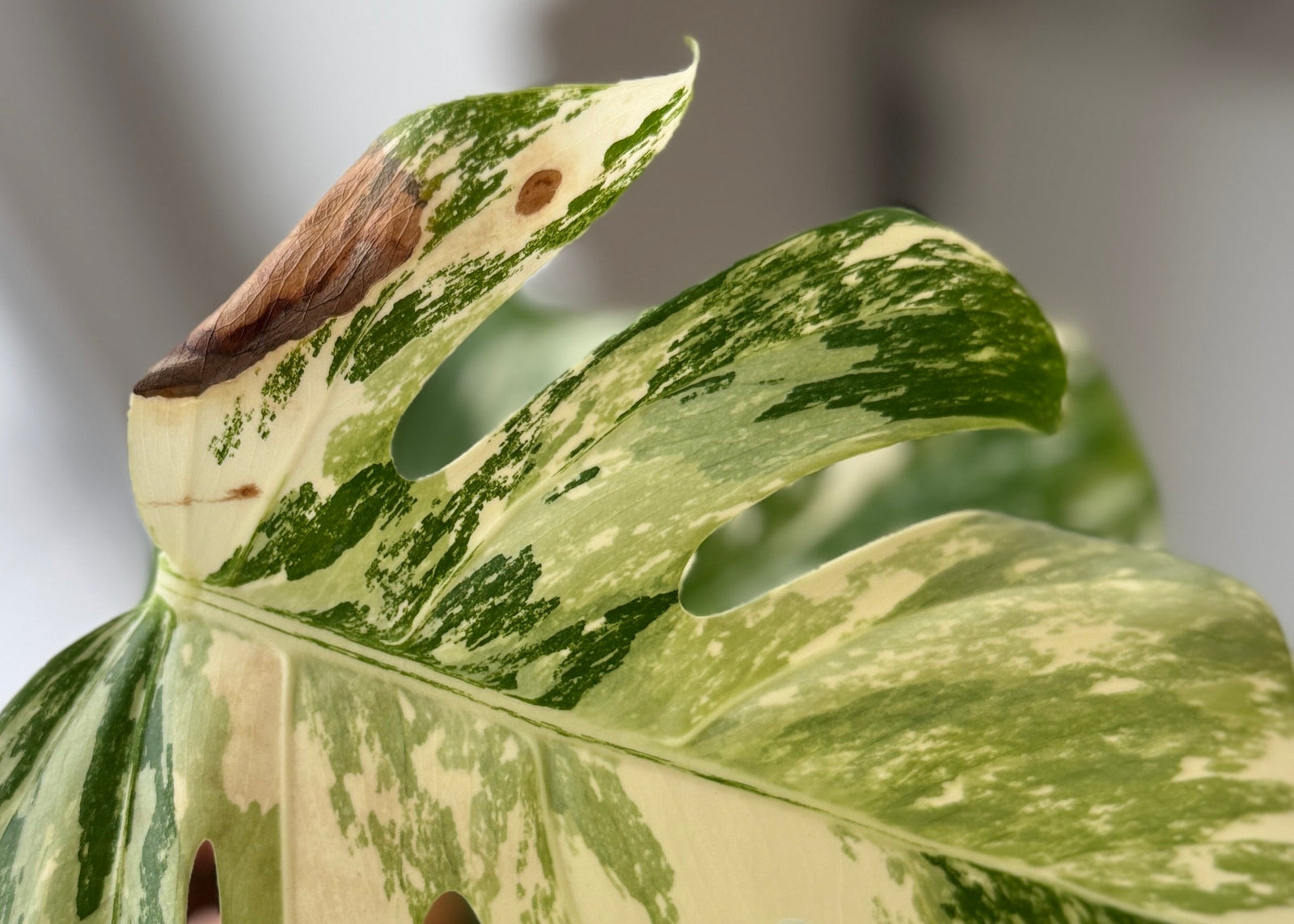
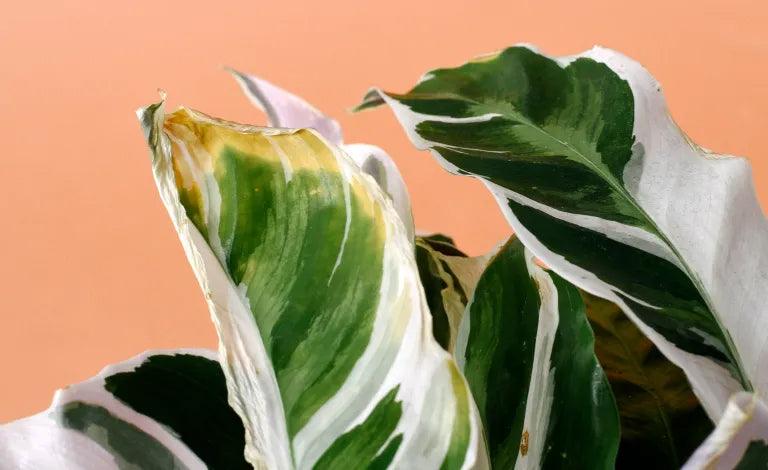
The most visible symptoms on your plants will be stunted growth and necrotic, or brown and crispy, leaf margins and tips—a classic sign of mineral burn.

Which Plants Are Most Sensitive?
While no plant truly prefers hard water, some genera are notoriously intolerant. If you cultivate these species, paying attention to your water source is non-negotiable.
The Marantaceae Family
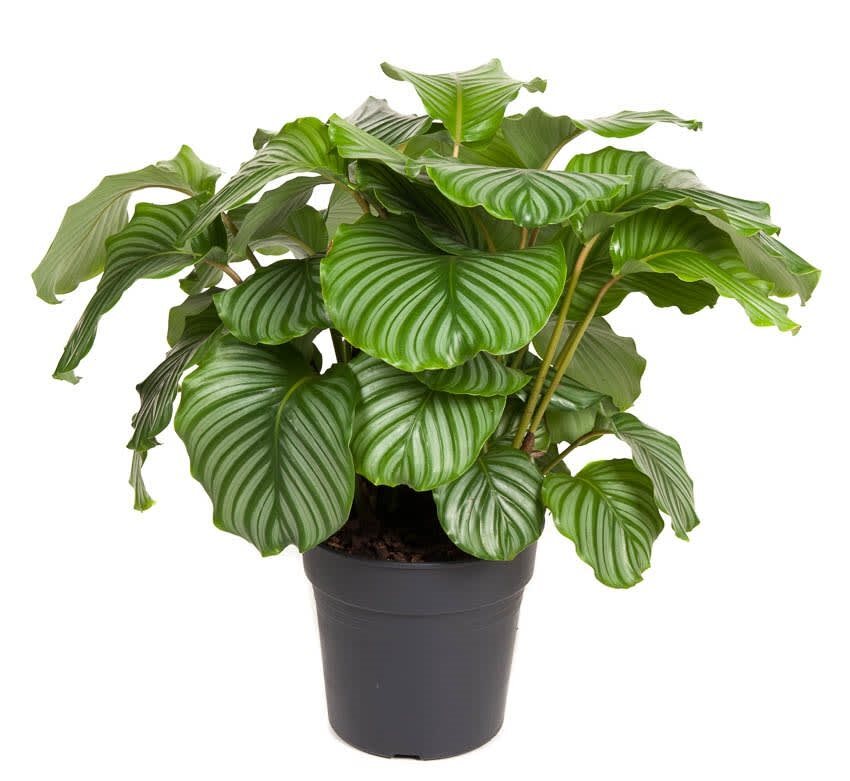
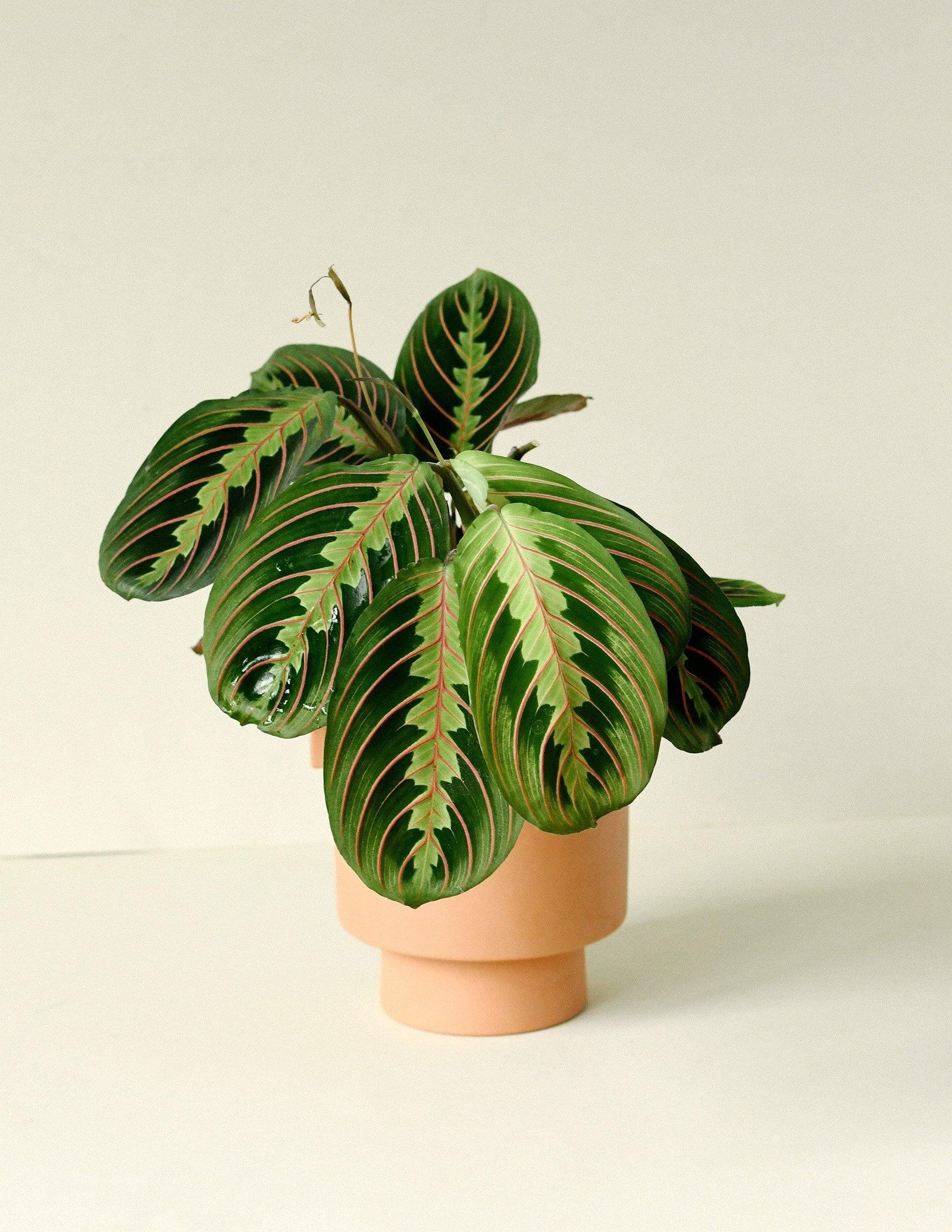
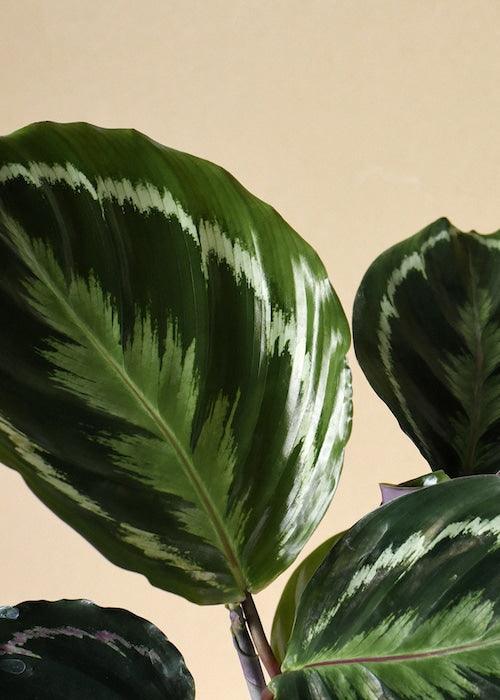
Plants in the prayer plant family, such as Calathea and Maranta, are acutely sensitive to mineral buildup. Their fine root systems are easily damaged, and their foliage is quick to display the signature brown, crispy edges when watered with tap water. For these botanical divas, purified water is essential for maintaining their lush, vibrant appearance.

Carnivorous Plants
This is perhaps the most sensitive group of all. Carnivorous plants evolved in nutrient-poor, acidic bogs and have zero tolerance for minerals in their water. Watering them with tap water will chemically burn their roots, leading to a swift decline. For species like Venus Flytraps, Pitcher Plants, and Sundews, only use distilled, reverse osmosis, or clean rainwater.

Watering Solutions for Sensitive Collections
If you've identified hard water as an issue, there are several effective solutions to protect your plants.
- Rainwater: The gold standard. Naturally soft, slightly acidic, and full of beneficial atmospheric nitrogen. Collecting rainwater is the most sustainable and plant-friendly option.
- Distilled Water: This water has been purified of all minerals and contaminants, providing a clean slate. As it contains no nutrients, ensure you are using a balanced fertilizer during the growing season.
- Reverse Osmosis (RO) Water: An RO filter system removes 95-99% of total dissolved solids, producing water that is ideal for sensitive plants.
A note on common water filters: Standard activated carbon filters, such as those from Brita, are designed to remove chlorine and organic compounds to improve taste. They do not significantly reduce mineral hardness and are therefore not an adequate solution for highly sensitive plants.
By understanding and managing your water quality, you can ensure your botanical collection not only survives but truly thrives, rewarding you with the vibrant, healthy growth every plant enthusiast strives for.
Frequently Asked Questions (FAQ)
What exactly is hard water?
Hard water is water that has a high concentration of dissolved minerals, primarily calcium and magnesium. While safe for humans, these minerals can accumulate in houseplant soil, raising the pH and negatively affecting nutrient absorption.
How can I tell if my tap water is hard?
Common signs include a white, chalky residue on your pots or the soil surface (efflorescence), and slow-clogging kettles. For a more definitive test, you can use pH strips; a pH reading above 8.0 typically indicates hard, alkaline water.
What are the signs my plants are suffering from hard water?
Symptoms include brown, crispy leaf tips and edges (necrosis), yellowing leaves with green veins (chlorosis), stunted growth, and a visible white mineral crust on the topsoil.
Which houseplants are most sensitive to hard water?
The most sensitive plants include the Marantaceae family (Calathea, Maranta, Stromanthe), all carnivorous plants (like Venus Flytraps and Pitcher Plants), and other acid-loving species such as some ferns and orchids.
What is the best type of water for sensitive houseplants?
The best water sources for sensitive plants are rainwater, distilled water, or reverse osmosis (RO) water. These are all free from the high mineral content that causes issues in tap water.
Is a Brita filter good enough for my sensitive plants?
No, standard carbon-based filters like Brita are designed to remove chlorine and improve taste but do not significantly reduce the dissolved mineral salts that cause water hardness. For highly sensitive plants, they are not an effective solution.












Comments
1 comment
Good morning. Could you advise how to “purify” hard water for the above related plants?
Thank you.