


Plant profile: Philodendron Gloriosum
Velvety, heart-shaped leaves, a creeping rhizome and a calm, steady growth habit – Philodendron Gloriosum is one of those plants that quietly steals the show. This guide walks you through how it grows in nature and how to recreate the right light, soil, watering and humidity at home so it can unfold those big, dramatic leaves over time.
In this guide
- Origin & what Philodendron Gloriosum looks like
- Growth habit: why this Philodendron crawls, not climbs
- Light: how bright is bright enough?
- Soil & repotting: building the right aroid mix
- Watering & humidity tips
- Fertiliser: feeding for slow, steady growth
- Propagation: taking cuttings from a crawling rhizome
- Pests & common issues
- Conservation status & toxicity
Origin & what Philodendron Gloriosum looks like
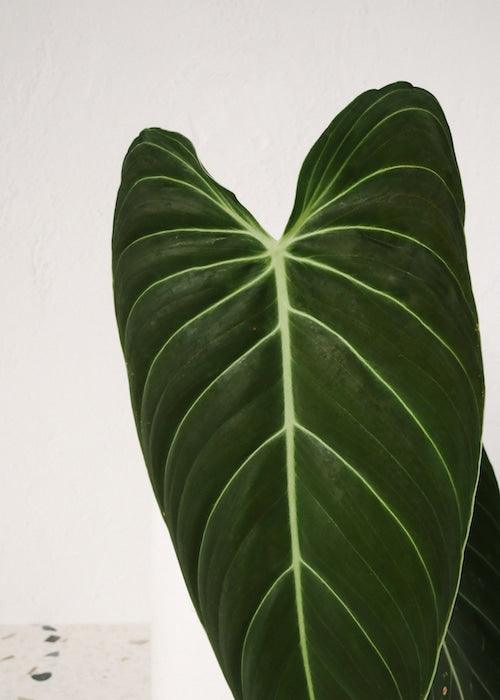
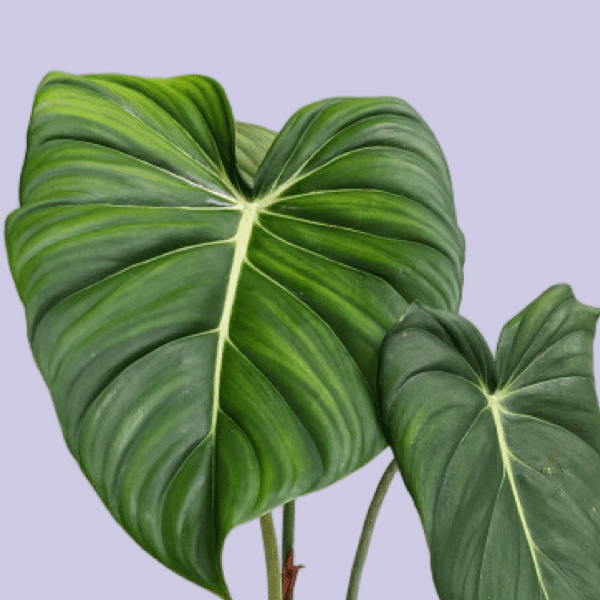
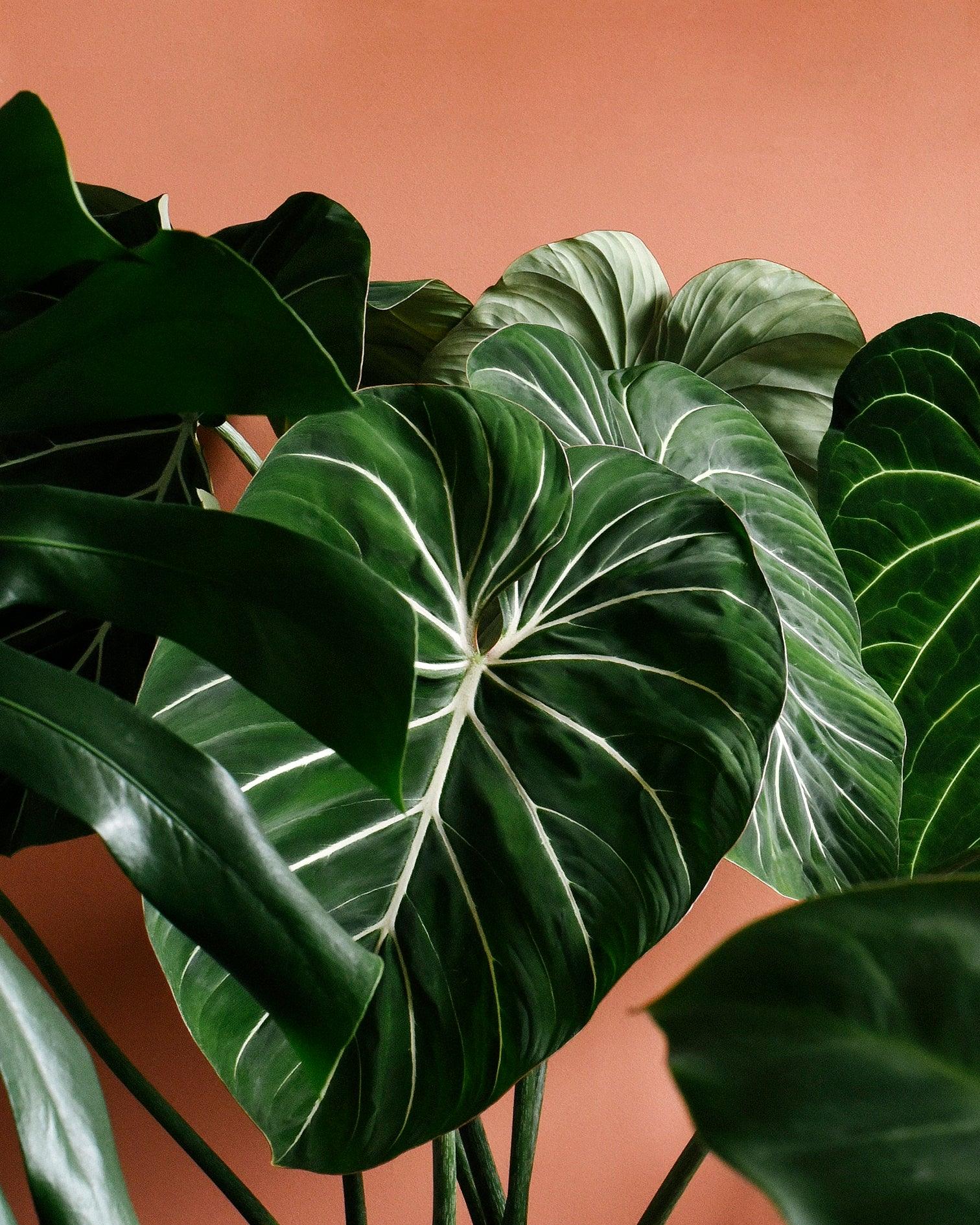
Philodendron Gloriosum is endemic to Colombia and belongs to the family Araceae (aroids) and the genus Philodendron. In the wild you find it creeping across the forest floor rather than climbing up trees. Its cordate (heart-shaped) leaves have a softly velvety surface, coloured margins that can blush pink, and contrasting white to pinkish veins that emphasise the leaf shape.
On a happy, mature plant, leaves can reach around 30–40 cm in diameter, with the plant itself sitting low but spreading out over time. Compared to faster growers like Philodendron Florida Green, Gloriosum is definitely on the slower side – a single new leaf can easily take 1–2 months from first spike to fully unfurled. That slow pace is normal for the species and part of its charm.

Growth habit: why this Philodendron crawls, not climbs
Philodendron Gloriosum is a terrestrial (ground-dwelling) Philodendron. Instead of climbing upwards like many of its cousins, it grows along a creeping rhizome that slowly moves horizontally. New leaves appear at the leading edge of that rhizome while older sections can eventually be cut and reused for propagation.
Indoors this means it is much happier in a long, shallow planter or a rectangular pot that gives it room to crawl sideways, rather than a deep pot with a moss pole. As it moves across the substrate, you can gently reposition the rhizome to keep the plant centred in the container.

Light: how bright is bright enough?
Because Philodendron Gloriosum grows on the jungle floor, it is adapted to bright but filtered light. Indoors, aim for bright, indirect light rather than direct sun on the leaves.
- Good spots: About one metre back from a south-facing window where direct sun doesn’t reach the leaves, or right at an east or west window with only gentle morning or late-afternoon sun.
- Okay spots: Bright south-east, north-east or north-west exposures where the plant gets plenty of ambient light but very little harsh midday sun.
- Challenging spots: North-facing windows, especially in winter, often do not provide enough light on their own. In that case, a simple grow light positioned above the plant can make a big difference in leaf size and colour.
If you notice very small leaves, long stretches of bare rhizome between leaves, or a washed-out colour, your plant is likely asking for more light.
Soil & repotting: building the right aroid mix
Gloriosum prefers a loose, airy aroid mix that holds some moisture but drains quickly. A compact, peat-heavy soil can keep the rhizome too wet and lead to rot.
We like using an aroid-focused mix with chunky pieces for airflow, such as bark, perlite and a moisture-retentive base like peat moss or coco coir. If you don’t want to mix your own, an all-in-one option like our aroid potting mix gives similar structure straight out of the bag.
Repot when the rhizome has reached the edge of the pot or when the mix breaks down and stays wet for too long. When moving to a new pot, choose one that is a little wider rather than much deeper, so the plant can continue its creeping habit comfortably.
Watering & humidity tips
How often to water Philodendron Gloriosum
Gloriosum does not enjoy being kept constantly wet. Before each watering, check that the top 2–3 cm of the mix are dry to the touch. In most homes this means watering when the top layer feels dry but there is still a slight coolness deeper down.
If your plant receives too much water or sits in heavy, wet soil, you may notice a damp-looking, translucent pattern on the undersides of the leaves. This can be a sign to slow down your watering and check that excess water can drain away freely.
Humidity: what it really needs
Philodendron Gloriosum generally thrives in higher humidity, around 60–80 %, which can encourage plump, even leaves. The reassuring part: many plants still do reasonably well in typical European indoor humidity, especially if they receive steady light and careful watering.
If your air is very dry in winter, you can group plants together, place the pot on a pebble tray with water (without submerging the pot), or run a small humidifier nearby. Aim for consistency rather than chasing a specific number on a hygrometer.
Fertiliser: feeding for slow, steady growth
Although Gloriosum is not a heavy feeder, regular, gentle fertilising can support healthy foliage during the active growing season.
- Use a high-quality liquid foliage houseplant fertiliser.
- Apply at the recommended dilution during spring and summer, spacing feedings according to the bottle instructions.
- Skip or greatly reduce fertiliser during the darker winter months when the plant naturally slows down.
Whenever you start a new fertiliser (such as Blattwerk or a similar foliage feed), observe how your plant responds and adjust frequency if you notice salt build-up or overly fast, weak growth.
Propagation: taking cuttings from a crawling rhizome
Once your Philodendron Gloriosum has a long, healthy rhizome, you can propagate it by cutting between nodes.
- Identify a section of rhizome with at least one healthy leaf and one or two visible nodes.
- Use a clean, sharp tool to cut between two nodes, creating a segment with its own growth point.
- Let the fresh cut dry and callus briefly before placing it into your chosen rooting medium.
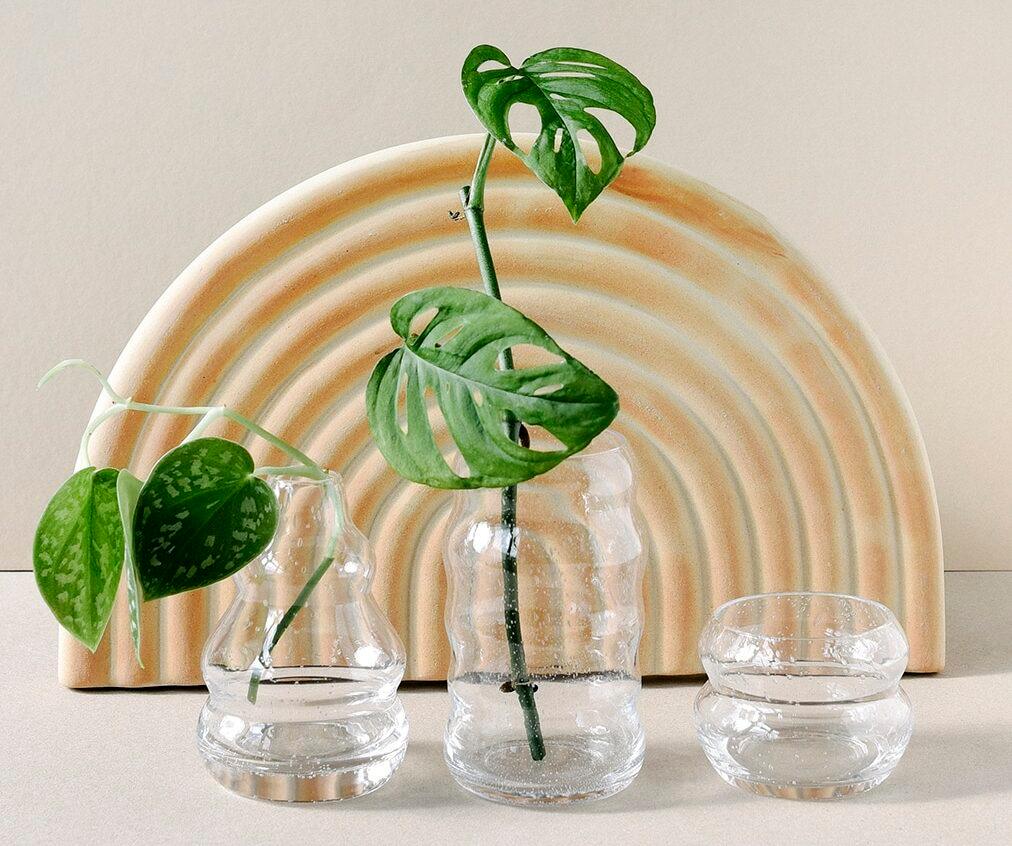
- Root the cutting in moist sphagnum moss or perlite in a warm, bright spot, ideally under a grow light for stability.
- Keep the medium slightly moist but not waterlogged while roots develop.
Once the cutting has grown a small root system, you can transition it into an airy aroid mix and pot it up as its own plant.
Pests & common issues
Like many aroids, Philodendron Gloriosum can attract spider mites and thrips, especially in warm, dry conditions. A quick weekly check of the leaf undersides and along the veins can help you catch problems early.
If you notice pests, wipe the leaves gently every few days and treat with a Neem oil solution or an appropriate store-bought pesticide, following the product instructions carefully. Pest issues are a normal part of keeping houseplants and usually manageable with patience and repetition. Plan to repeat treatments weekly for several weeks so that new hatchlings are also controlled. For more on recognising and managing thrips, you can explore our guide at common thrips pests on houseplants, and for detailed step-by-step Neem instructions, see our article on how to use Neem oil for plant care.

Conservation status & toxicity
Philodendron Gloriosum has a conservation status of Vulnerable (IUCN 3.1) in its natural habitat. When possible, choosing plants propagated in cultivation rather than taken from the wild helps ease pressure on natural populations.
Also important to know: like many aroids, this plant is considered toxic to humans and animals if ingested. If you share your home with curious pets or small children, place it where they are unlikely to chew on the leaves, and seek professional advice promptly if any part of the plant is swallowed.
When you’re ready to add one to your collection or compare different forms, you can browse our curated Philodendron & aroid collection for current Gloriosum offerings and compatible plant companions.
Explore more
Helpful plants, care products, and related guides: